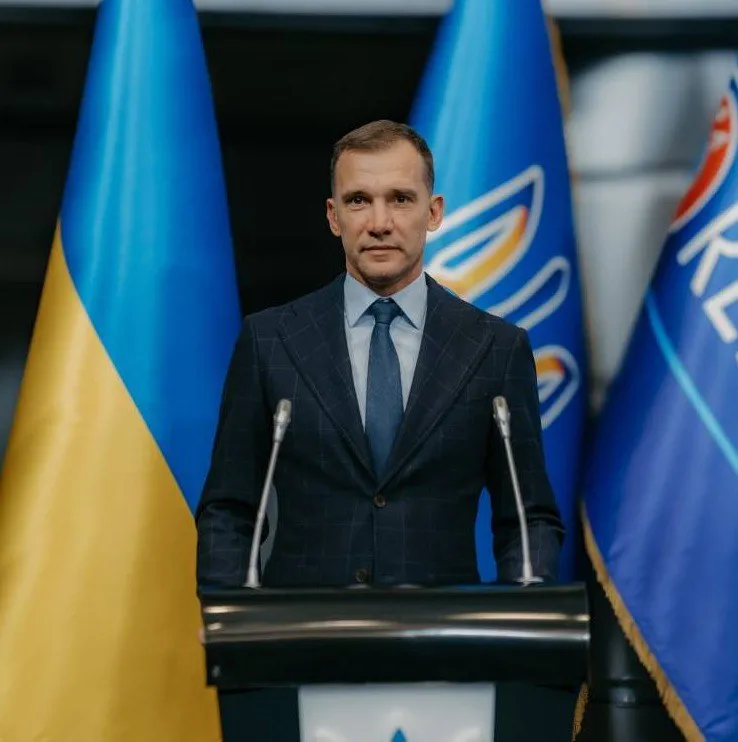
b. 1999
Vladyslav Heraskevych
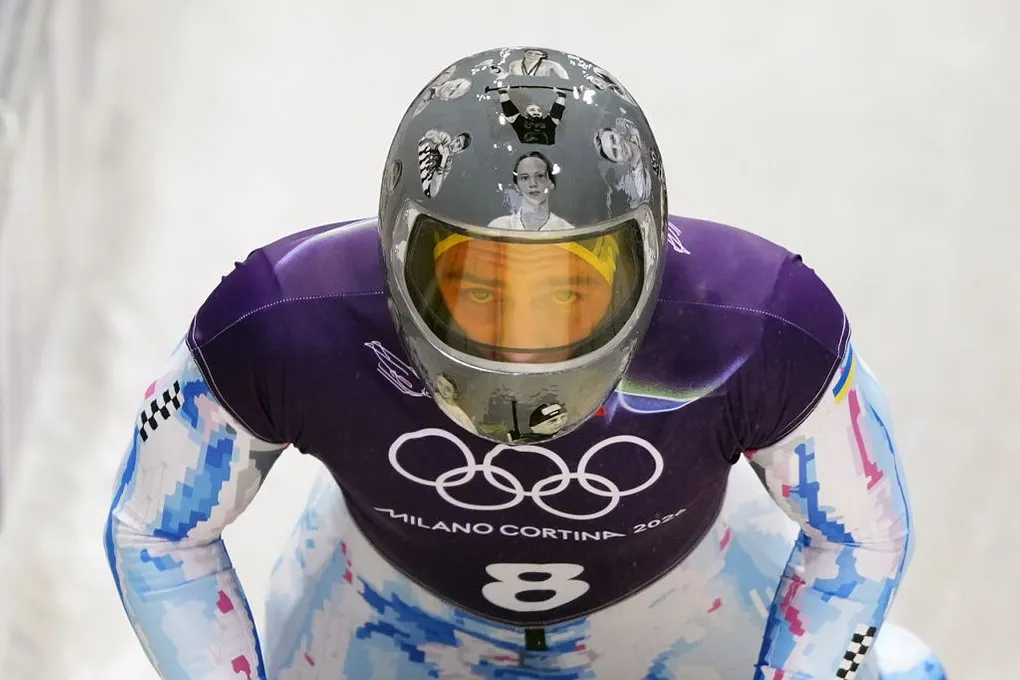
Skeleton racer, the helmet of memory
At the 2026 Olympics he had a shot at a medal, but he would not take off a helmet showing the faces of the dead. Vladyslav Heraskevych, Ukraine’s first Olympic skeleton racer, trained in a helmet honouring athletes killed by russia’s war and was disqualified. That day he got the Order of Freedom.
Key accomplishments
- Ukraine’s first skeleton racer to compete at the Olympic Games (Pyeongchang, 2018: 12th place)
- 2022 Beijing Olympics: 18th place; after one of his runs he held up a sign reading “No War in Ukraine”
- 4th at the 2025 World Championships, 0.08 seconds off the bronze
- Ukraine’s flag bearer at the opening of the 2026 Winter Olympics
- Order of Freedom (2026)
First down the Olympic track
Vladyslav Heraskevych was born in 1999 in Kyiv. He loved winter sports as a child and also did boxing and MMA. In 2014 he took up skeleton, sliding down an ice track head first, lying on his stomach on a tiny sled, coached by his father, Mykhailo Heraskevych. In 2016 he raced at the Youth Olympic Games in Lillehammer, and in 2018 in Pyeongchang he became the first skeleton racer in Ukraine’s history to compete at the Olympics, finishing 12th.
A sign in Beijing
At the 2022 Olympics in Beijing, before russia’s full-scale invasion, Heraskevych held up a sign for the cameras after one of his runs: “No War in Ukraine”. Since then he has volunteered, supported Ukraine’s armed forces and set up a fund to help Ukrainian athletes hurt by the war. At the 2025 World Championships he finished fourth, just 0.08 seconds off the bronze.
The helmet of memory
In training at the 2026 Games in Cortina d’Ampezzo, Heraskevych was among the medal contenders. He slid in a helmet showing the portraits of more than twenty Ukrainian athletes and coaches killed by russia’s war, children among them. He called it the “helmet of memory”. The IOC ruled that wearing it in competition broke the rule of political neutrality, and offered a black armband instead, along with the chance to show the helmet before and after his runs. Heraskevych refused, and on 12 February 2026, before the first run, he was disqualified. The next day the Court of Arbitration for Sport (CAS) dismissed his appeal: freedom of expression is guaranteed at the Games, it said, but not on the field of play.
On the day of his disqualification the President of Ukraine awarded him the Order of Freedom. Addressing Ukrainians, Heraskevych quoted the fallen drone reconnaissance soldier Pavlo Petrychenko: “All the beautiful ones keep their optimism.”
Why it matters today
Heraskevych was the first to race skeleton for Ukraine at the Olympics, showing that even in a sport new to the country a Ukrainian can be among the best. At the 2026 Games he chose loyalty to the athletes killed by the war over a chance at a medal: “I see the faces on my helmet, and I will not betray these athletes.” Because of that choice, media around the world saw that behind the phrase “war losses” stand real people: athletes who will never race again. He showed that an athlete can carry his country’s name onto the world stage not only through results but through what he stands for.