The Battle of Bakhmut
Bakhmut, Donetsk region
For almost ten months, from 1 August 2022 to 20 May 2023, russian forces, above all Wagner mercenaries, stormed Bakhmut in the Donetsk region. The city was almost wiped out, but its defenders held the enemy back for months and wore down its forces, and Bakhmut became a symbol of resilience.
Timeline
- 1 August 2022 The russian ground offensive on Bakhmut begins
- 20 December 2022 The President visits Bakhmut; the defenders give him a flag they have signed
- 21 December 2022 In Washington, the Bakhmut defenders’ flag is presented to the US Congress
- 25 January 2023 Ukraine’s Defence Forces pull back from Soledar to prepared lines
- 6 March 2023 The Supreme Commander’s staff decides to keep defending the city and to reinforce it
- May 2023 Ukrainian counterattacks on the flanks, north and south of the city
- 20 May 2023 Wagner’s chief claims the city is taken; Ukrainian troops still hold its south-west
Bakhmut was first mentioned in 1571, when a Cossack guard post stood here. Later the town was known for salt and sparkling wine, and before the full-scale invasion more than 70,000 people lived in it. From 1 August 2022, russian forces stormed Bakhmut for almost ten months and left it almost entirely in ruins. All that time its defenders held the city and wore down an enemy that far outnumbered them.
Why it happened
In the summer of 2022 the russians took Sievierodonetsk and Lysychansk in the Luhansk region, and their next targets were Bakhmut and Siversk. On 1 August russia’s defence ministry announced the start of a ground operation at Bakhmut. In the autumn, while Ukraine was freeing the Kharkiv and Kherson regions, the russians did not stop here: until mid-October Bakhmut was the only sector where they were still advancing. The assault was led by Wagner mercenaries, many of them recruited in prisons.
What happened
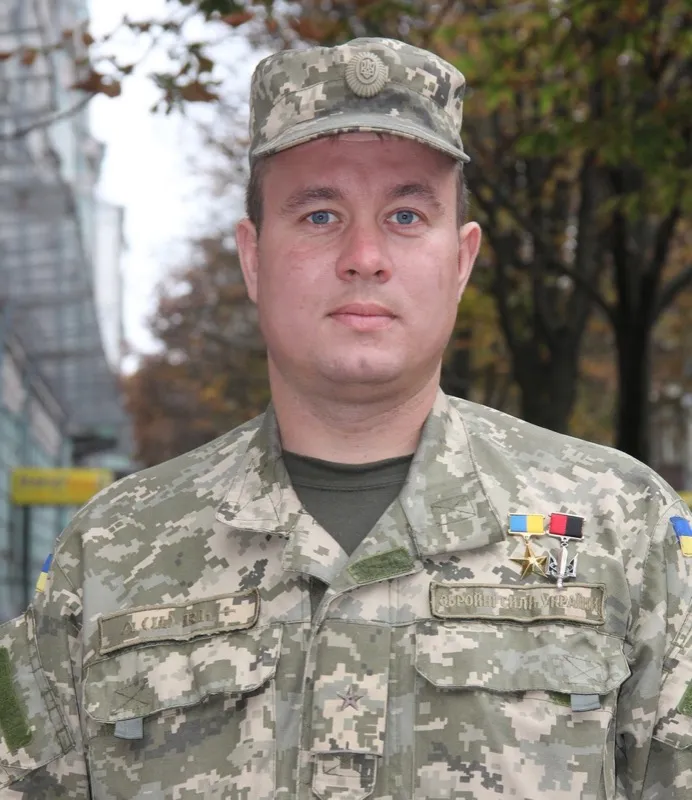
By the end of August the fighting had reached the edge of the city. The reconnaissance drones of Robert Brovdi, call sign Madyar, helped hold Bakhmut and Soledar for 110 days, until March 2023. Bakhmut was also defended by the military intelligence special unit Artan of Viktor Torkotiuk and by Tactical Group “Adam” of Yevhen Mezhevikin. After a prisoner exchange, the border guard Valerii Padytel, a defender of Azovstal, came back to fight in the Bakhmut sector.
On 20 December 2022 President Volodymyr Zelensky came to Bakhmut. The defenders gave him a flag with their signatures for their “brothers-in-arms in America”, and the next day in Washington he presented it to the US Congress.
Soledar and a winter half-encircled
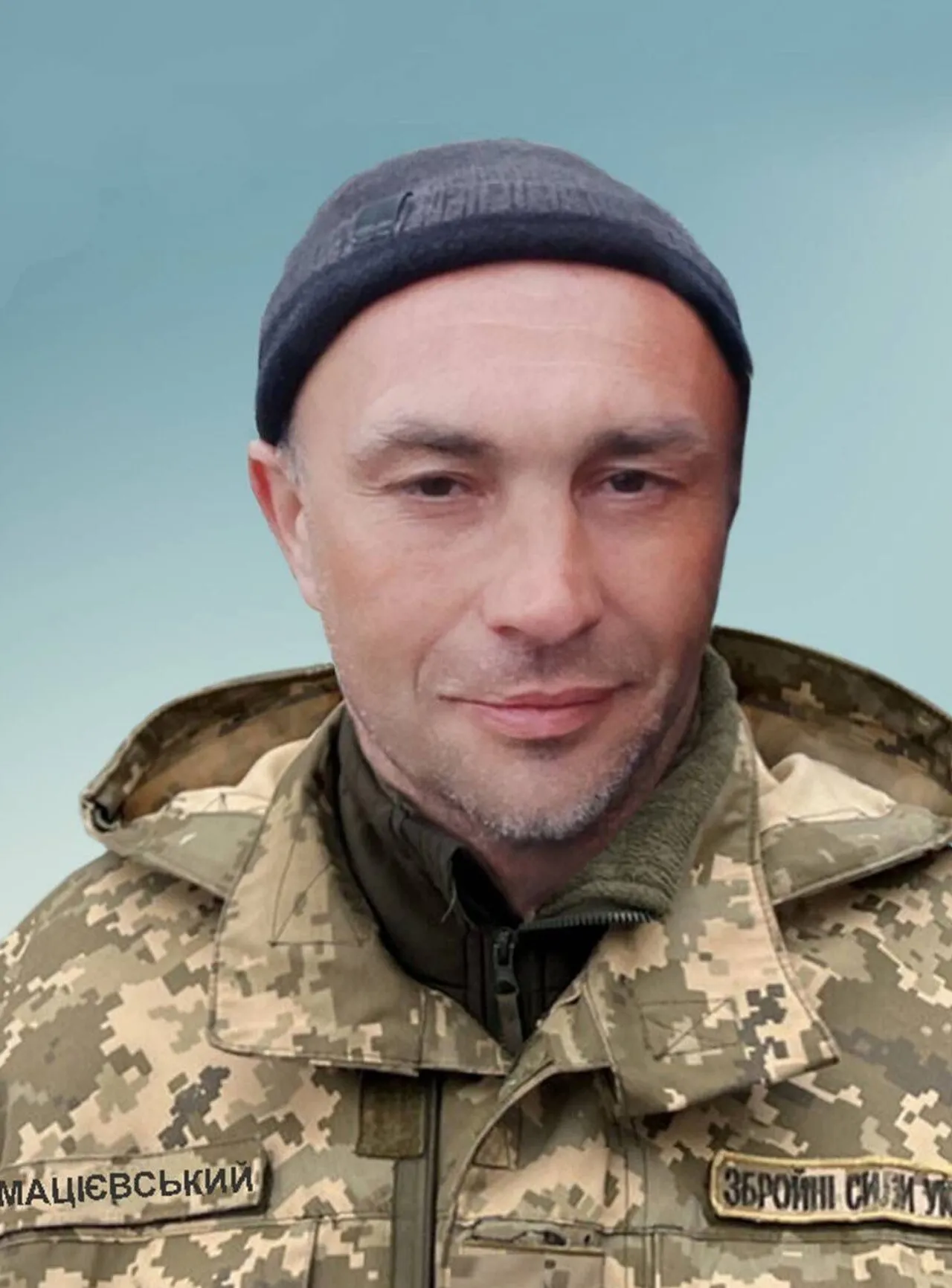
In late December, in the battles for Soledar, a Territorial Defense sniper from Nizhyn, Oleksandr Matsiievskyi, was taken prisoner. On 30 December he was killed in captivity, and his last words, “Slava Ukraini!” (“Glory to Ukraine!”), became a symbol of resilience. On 25 January 2023 the Defence Forces pulled back from Soledar to save their soldiers’ lives.
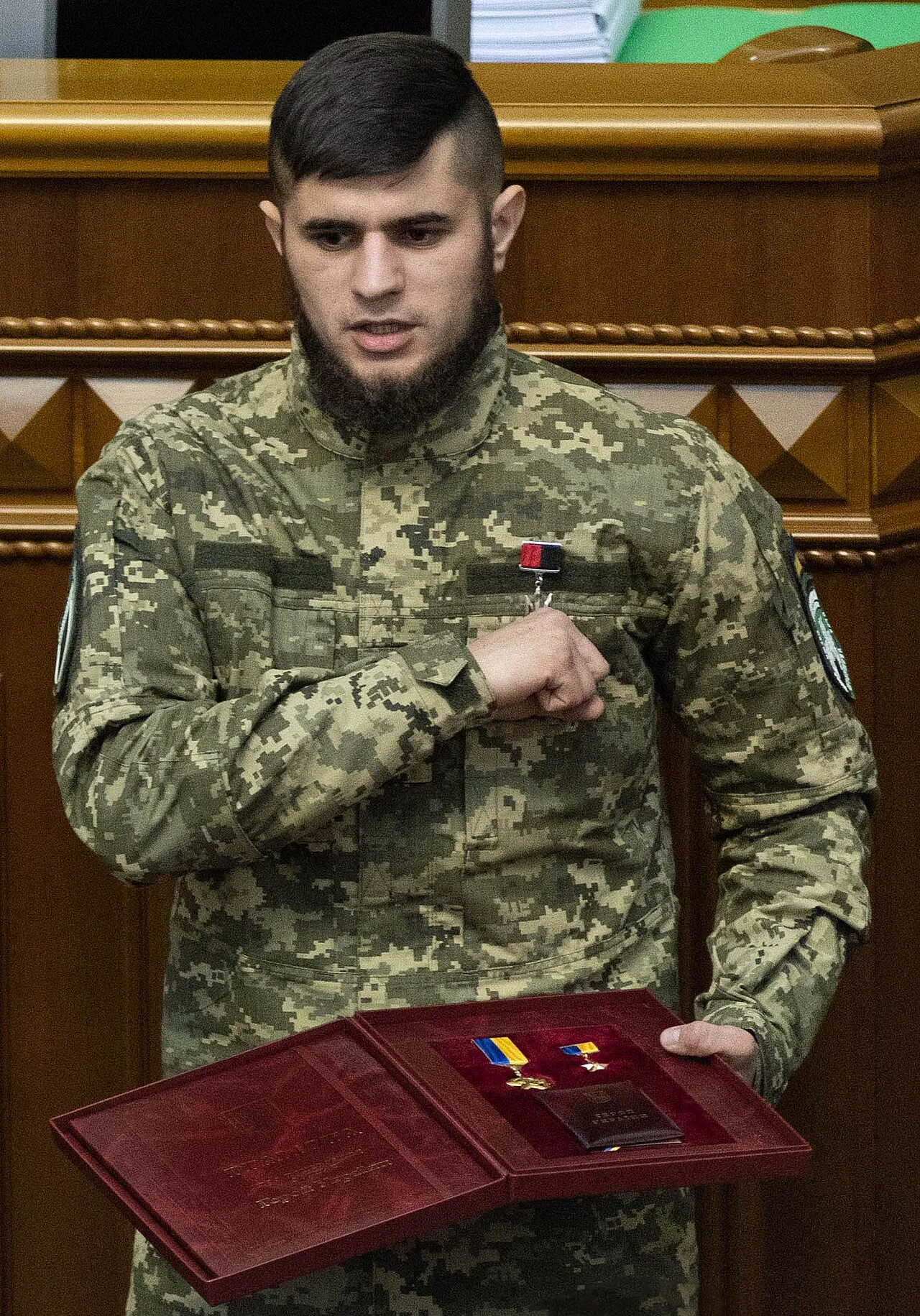
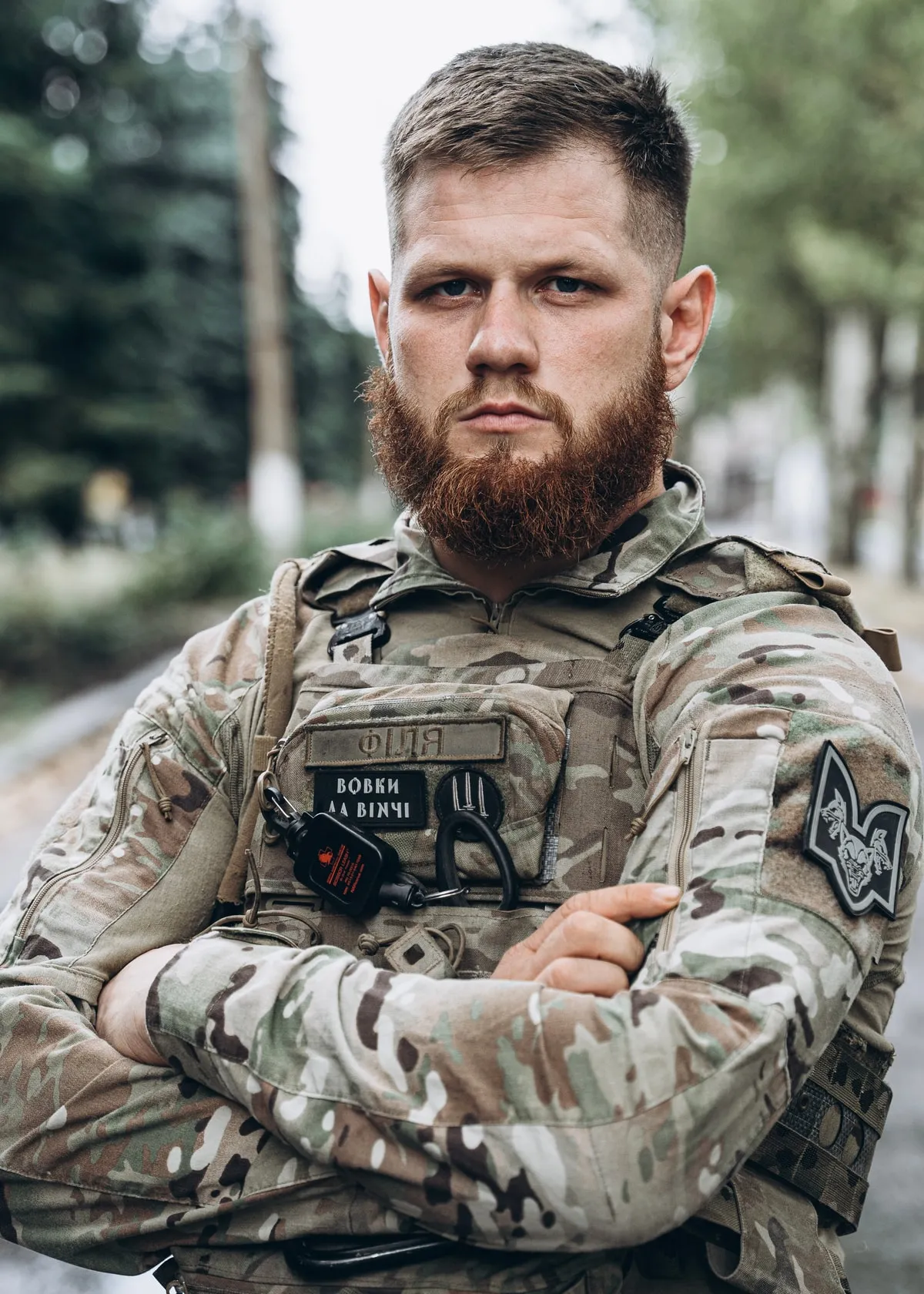
In the winter the city was half-surrounded, but its supply routes stayed open. On 6 March the Supreme Commander’s staff decided to keep up the defence and reinforce it. The next day Dmytro Kotsiubailo, “Da Vinci”, 27, was killed near Bakhmut: the commander of the “Da Vinci Wolves” battalion and the first volunteer made a Hero of Ukraine in his lifetime. The battalion’s Honor company was led by Serhii Filimonov, who fought near Bakhmut and Soledar. In March, near Bakhmut, Ihor Dykun formed and led the reconnaissance battalion of the 5th Separate Assault Brigade.
How the battle ended
In May the Defence Forces counterattacked on the flanks, north and south of the city, and pushed the enemy back in several places. On 20 May 2023 Wagner’s chief, Yevgeny Prigozhin, claimed the city had been taken. That day Ukrainian troops still held positions in the south-west of Bakhmut, near the MiG-17 aircraft monument, and the fighting on the flanks went on. One of the pretexts russia gave for its illegal invasion was “protecting” russian speakers from an invented “genocide”. This is what a “liberated” city with no sign of life looks like.
Why it matters today
Bakhmut showed that even a ruined city can hold back, for months, an army with more soldiers and more shells. Its defenders won every day of that defence at a very high price. The flag with their signatures reminded the world that Ukraine is not fighting alone, and that it asks not for sympathy but for support. Remembering their names is the least we can do for them.