Events
A chronicle of defining events: moments that forged Ukrainian resilience through difficult choices, trials, and human lives.
Events read: 0/27
Cossack era16th–18th c.0/3
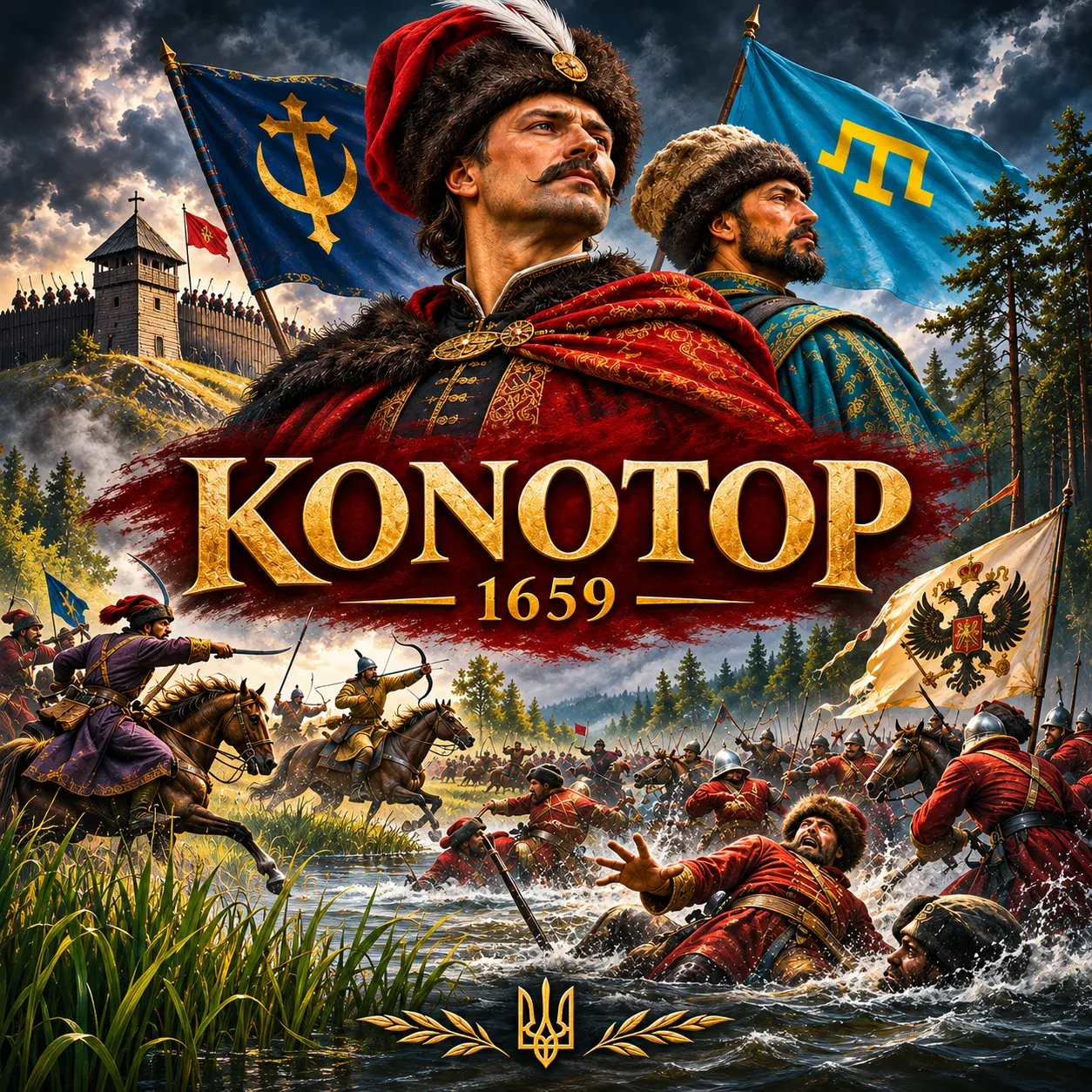 The Battle of Konotop (1659)In the summer of 1659, near Konotop, Hetman Ivan Vyhovskyi and his Crimean Tatar allies lured the tsar's cavalry into a trap on the Sosnivka River and destroyed almost all of it. Konotop made the victory possible by holding out for over two months. It could not be built upon.
 The Battle of Poltava (1709)Ukrainian Cossacks served on both sides in the Poltava campaign. On 8 July 1709, Peter I’s army defeated Charles XII, Ivan Mazepa’s ally. After the defeat, the tsar tightened his control over the Hetmanate.
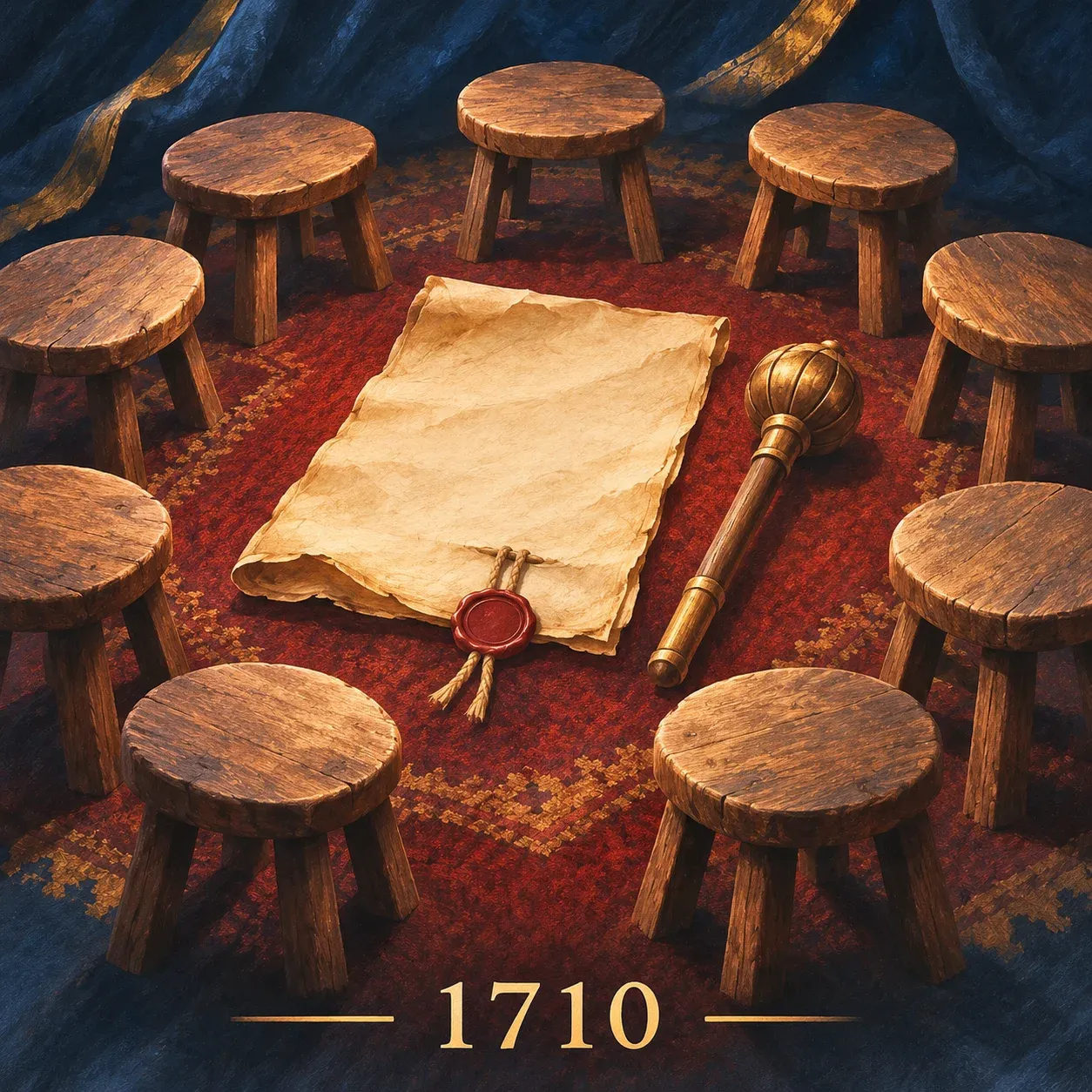 Pylyp Orlyk’s Constitution (1710)In exile, the Cossacks agreed to limit the hetman’s power. On 5 (16) April 1710, a council at Bender approved the pact known as Pylyp Orlyk’s Constitution. It set out the rights of the Zaporozhian Host and required the hetman to consult Cossack officers and Zaporozhian representatives.
19th century1800–19000/3
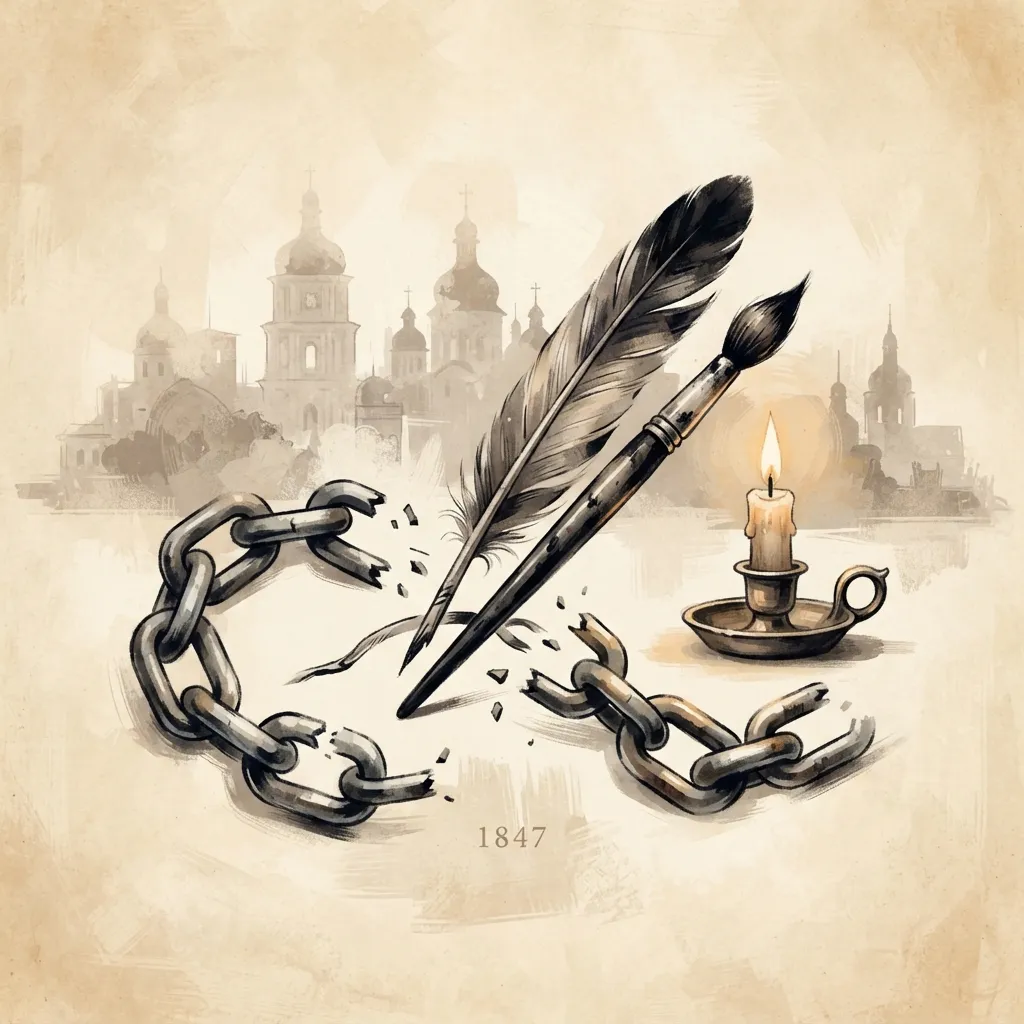 The Brotherhood of Saints Cyril and Methodius crushed (1847)A secret circle in Kyiv imagined open education, the abolition of serfdom and a union of equal Slavic peoples. In the spring of 1847, the imperial authorities arrested its members; Taras Shevchenko received the harshest punishment, including a ban on writing and drawing.
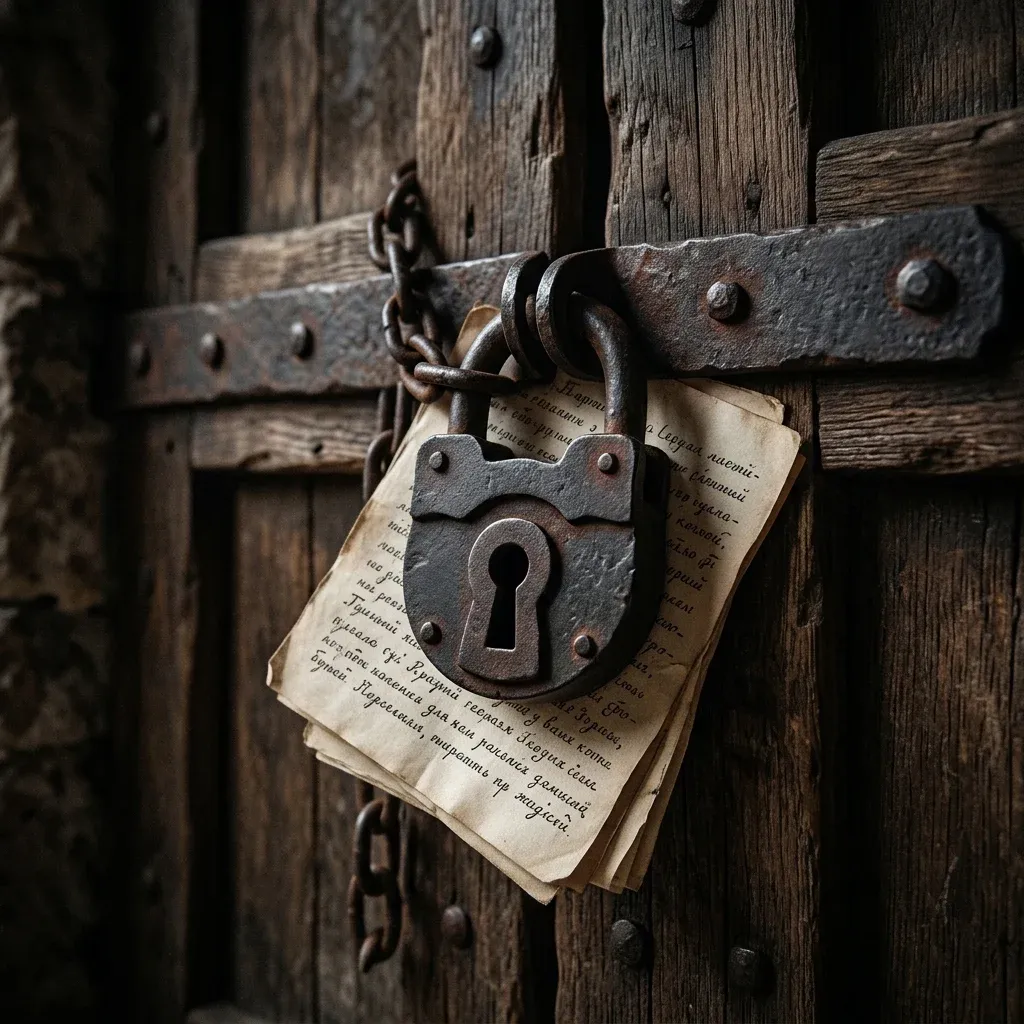 The Valuev Circular (1863)“Never existed, does not exist and cannot exist”: that is what a secret circular of the minister Petr Valuev said of the Ukrainian language in 1863. It banned religious, school and popular books in Ukrainian, allowing only fiction. Ukrainian publishing in the russian empire all but stopped.
 The Ems Ukaz (1876)On 30 May 1876, at a spa in Ems, Germany, Tsar Alexander II secretly banned printing Ukrainian books, bringing them in from abroad, staging Ukrainian plays and even printing Ukrainian words under sheet music. The ban lasted almost 30 years.
20th century1900–19910/8
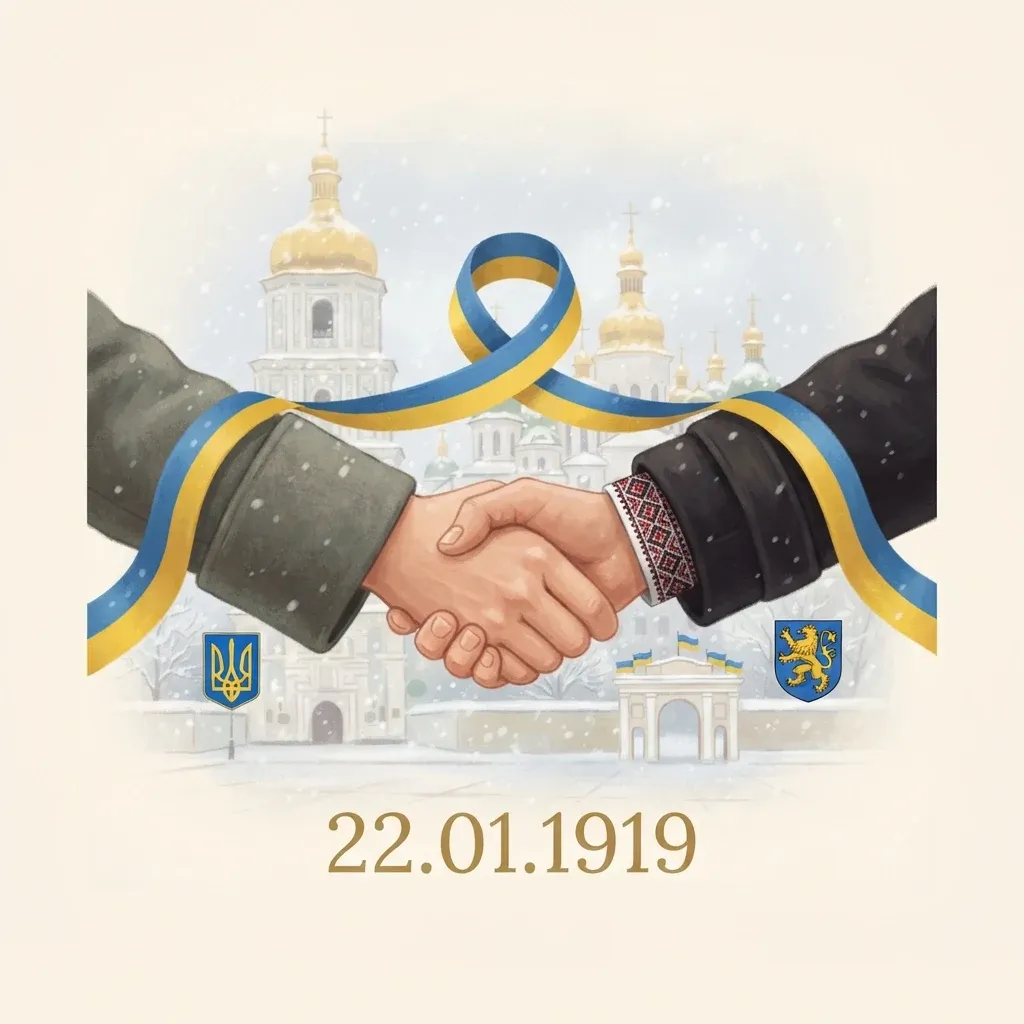 The Unification Act (1919)On 22 January 1919, on Sofiiska Square in Kyiv, the Ukrainian People's Republic and the West Ukrainian People's Republic were proclaimed one state. The union was never fully carried out, but since that day Ukraine has been seen as one, and 22 January is marked as the Day of Unity.
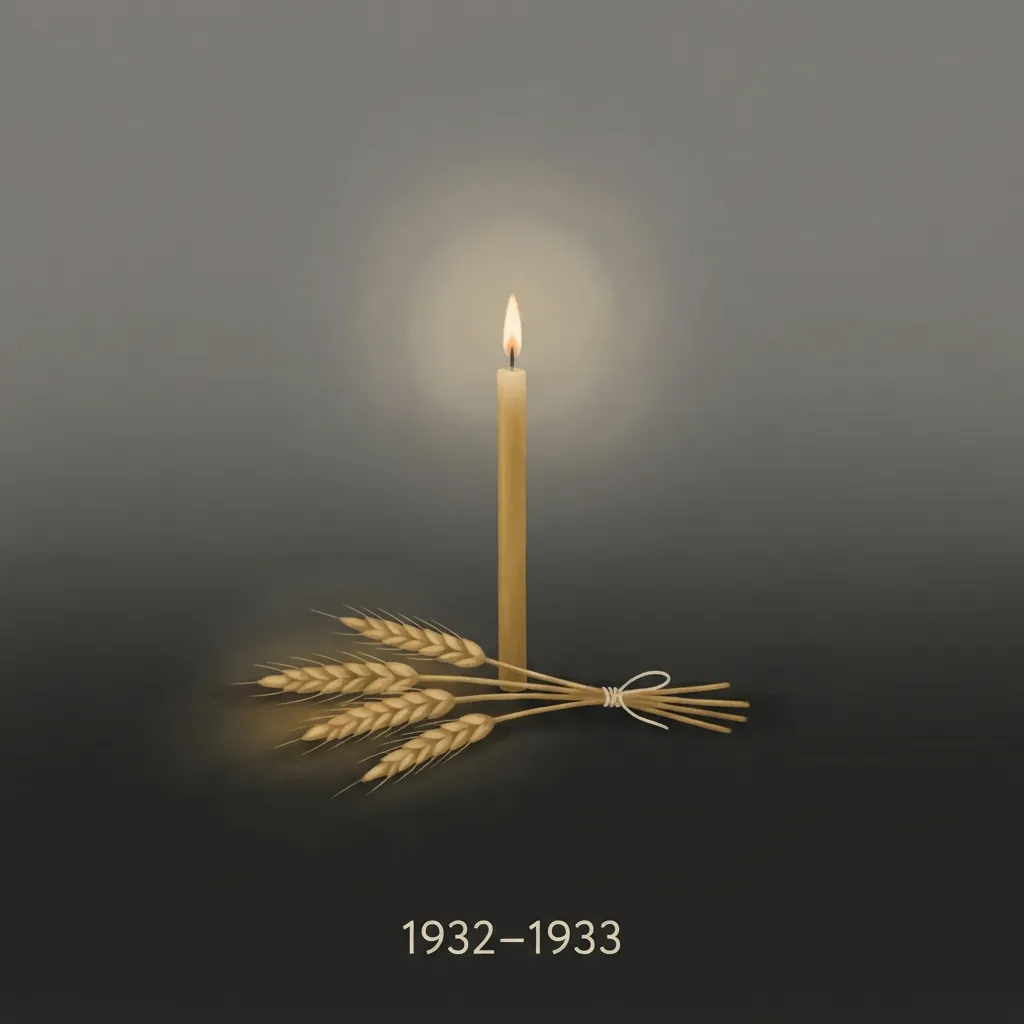 The Holodomor (1932–1933)Ukraine grew the grain, yet in 1932–1933 millions of its villagers starved to death. The cause was not drought but the regime’s decisions: grain and then all food were taken away, and people were not allowed to leave to save themselves. Ukraine recognizes the Holodomor as genocide.
 The Bykivnia tragedy (1937–1941)For four years NKVD trucks drove almost every night to a forest outside Kyiv with the bodies of people shot in the city's prisons. Bykivnia is Ukraine's largest burial site of victims of Stalin's terror: tens of thousands of people of over 30 nationalities. For 50 years the regime blamed the Nazis.
 Sandarmokh (1937)For almost 60 years no one knew where the Solovki prisoners taken away in the autumn of 1937 had gone. They were shot in Sandarmokh, a forest in Karelia: 1,111 people in a few days, about 290 of them Ukrainians, among them Les Kurbas, Mykola Kulish and Mykola Zerov.
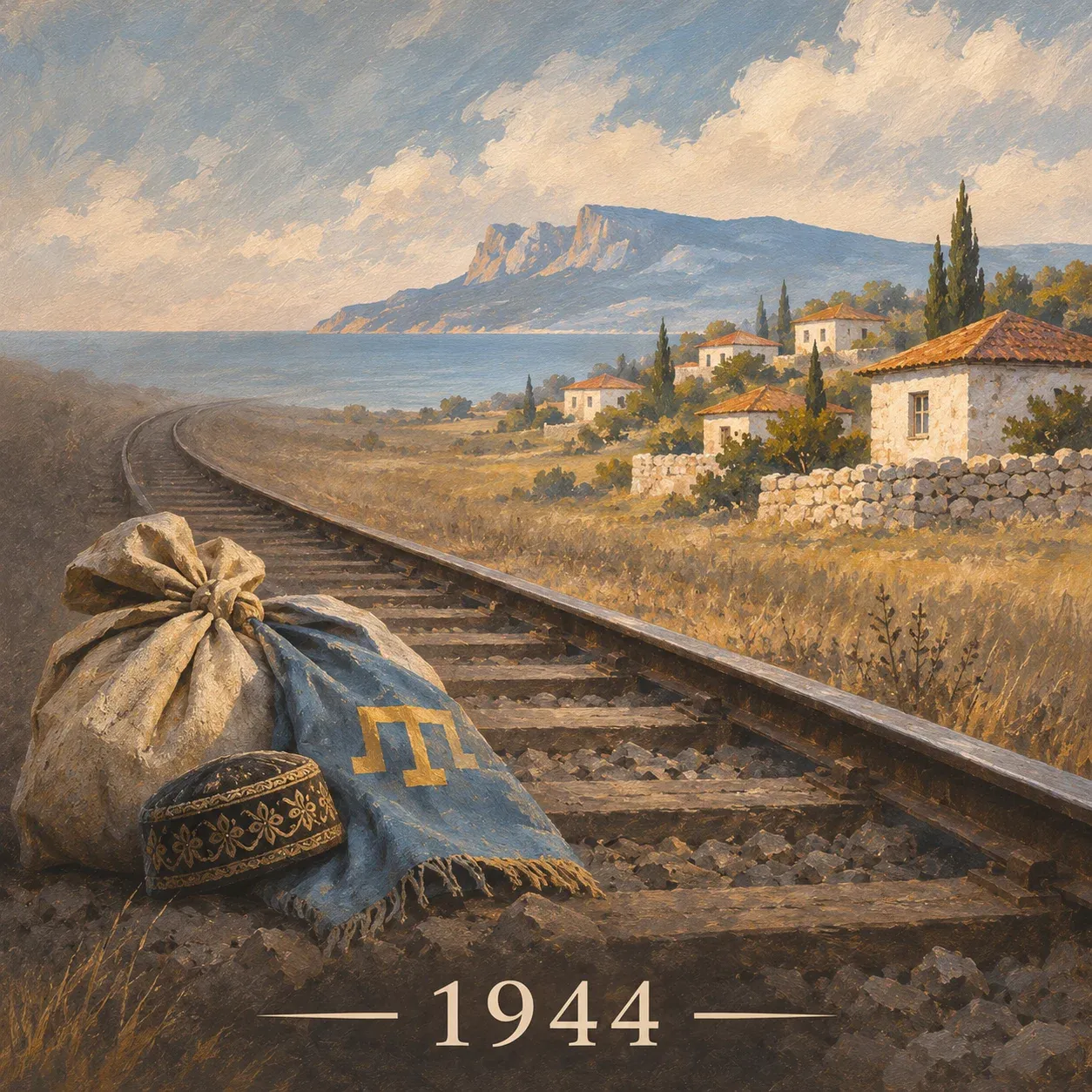 The deportation of the Crimean Tatars (Sürgünlik) (1944)In three days in May 1944 the Soviet authorities deported the entire Crimean Tatar people from Crimea: more than 180,000 people in the first wave alone. Thousands died on the way and in exile, and they could return home only 45 years later. Ukraine has recognised the deportation as genocide.
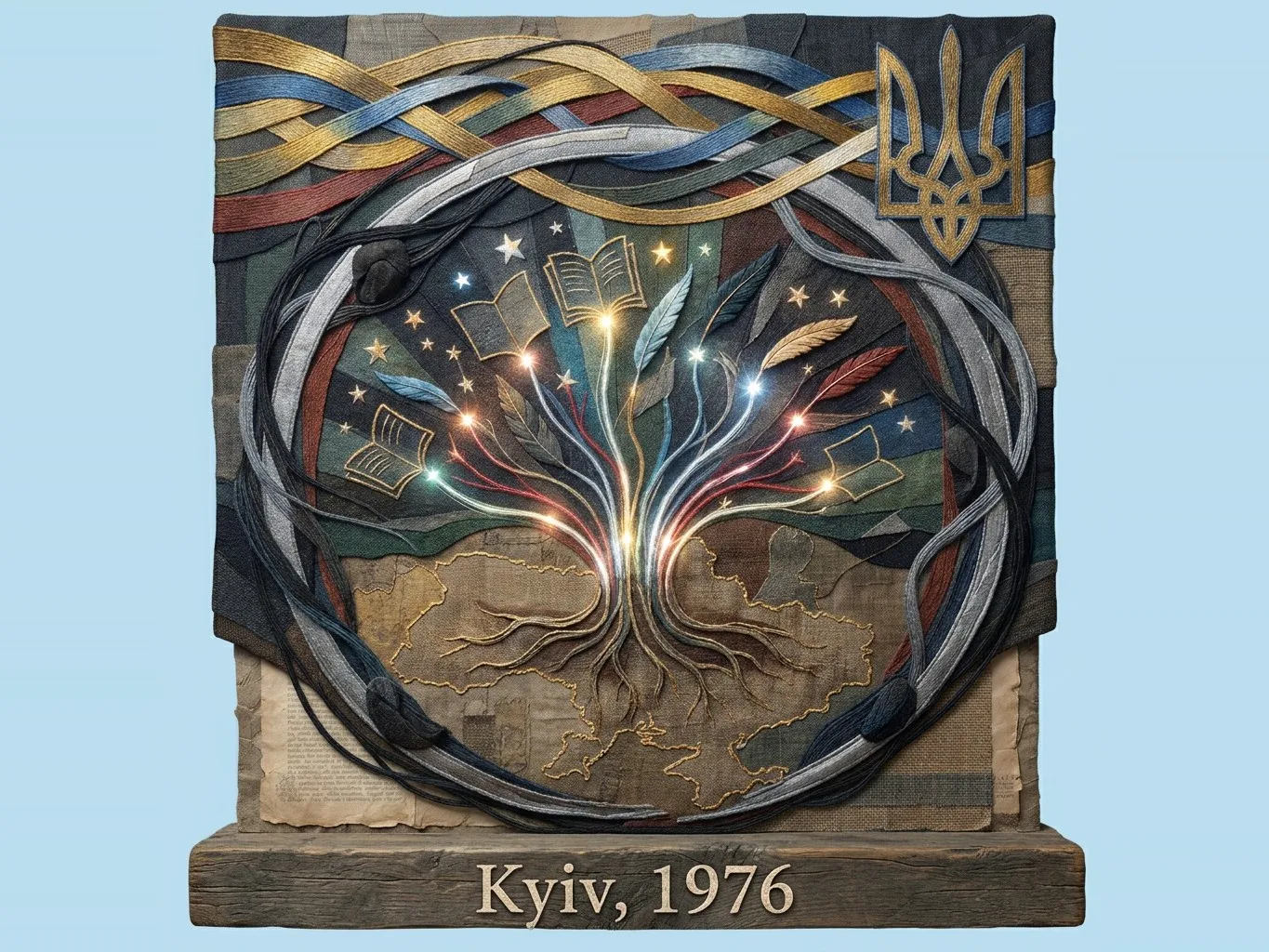 The Ukrainian Helsinki Group (1976–1988)On 9 November 1976 ten Ukrainians led by Mykola Rudenko founded a group in Kyiv that openly demanded the USSR respect the human rights it had promised in Helsinki. Nearly all its members were imprisoned and four died in captivity, but in 1988 the group became the Ukrainian Helsinki Union.
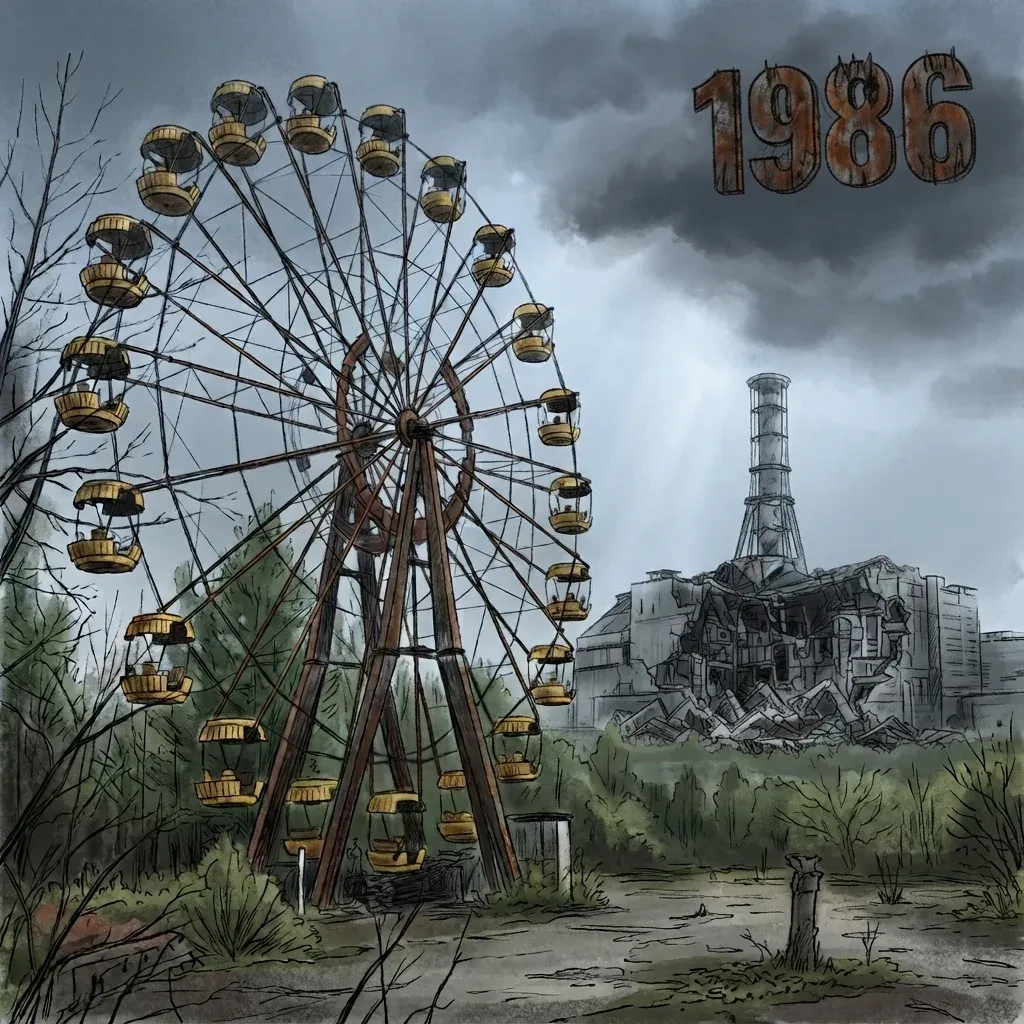 The Chornobyl disaster (1986)In the night of 26 April 1986 the reactor of Unit 4 at the Chornobyl nuclear plant exploded. Prypiat was evacuated only a day and a half later, and on 1 May Kyiv was sent out to march. Hundreds of thousands fought the disaster, and the truth about it helped push Ukraine towards independence.
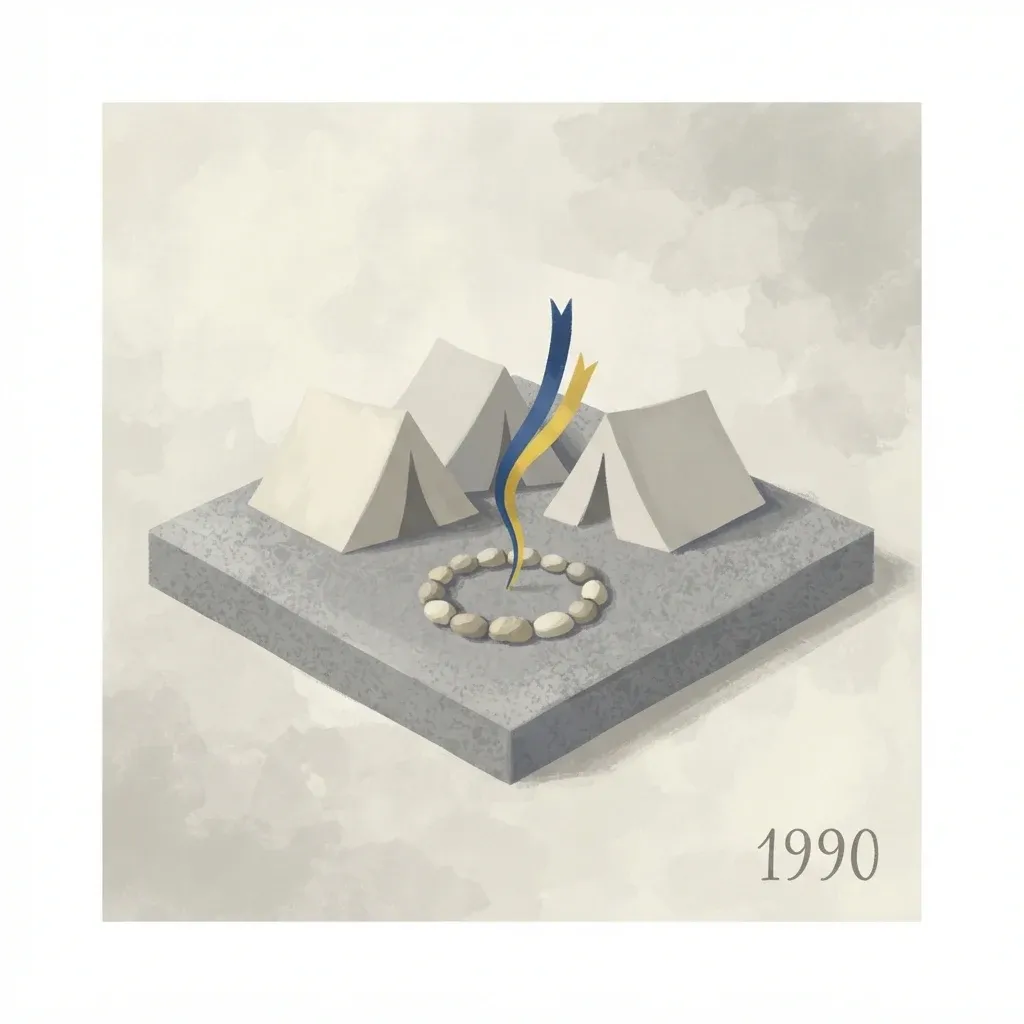 The Revolution on Granite (1990)Can students with tents bring down a government? In October 1990 they went on hunger strike for two weeks on the granite of Kyiv’s main square, parliament gave in to their demands and Prime Minister Vitalii Masol resigned. The protest is known as the first Maidan.
Independencesince 19910/5
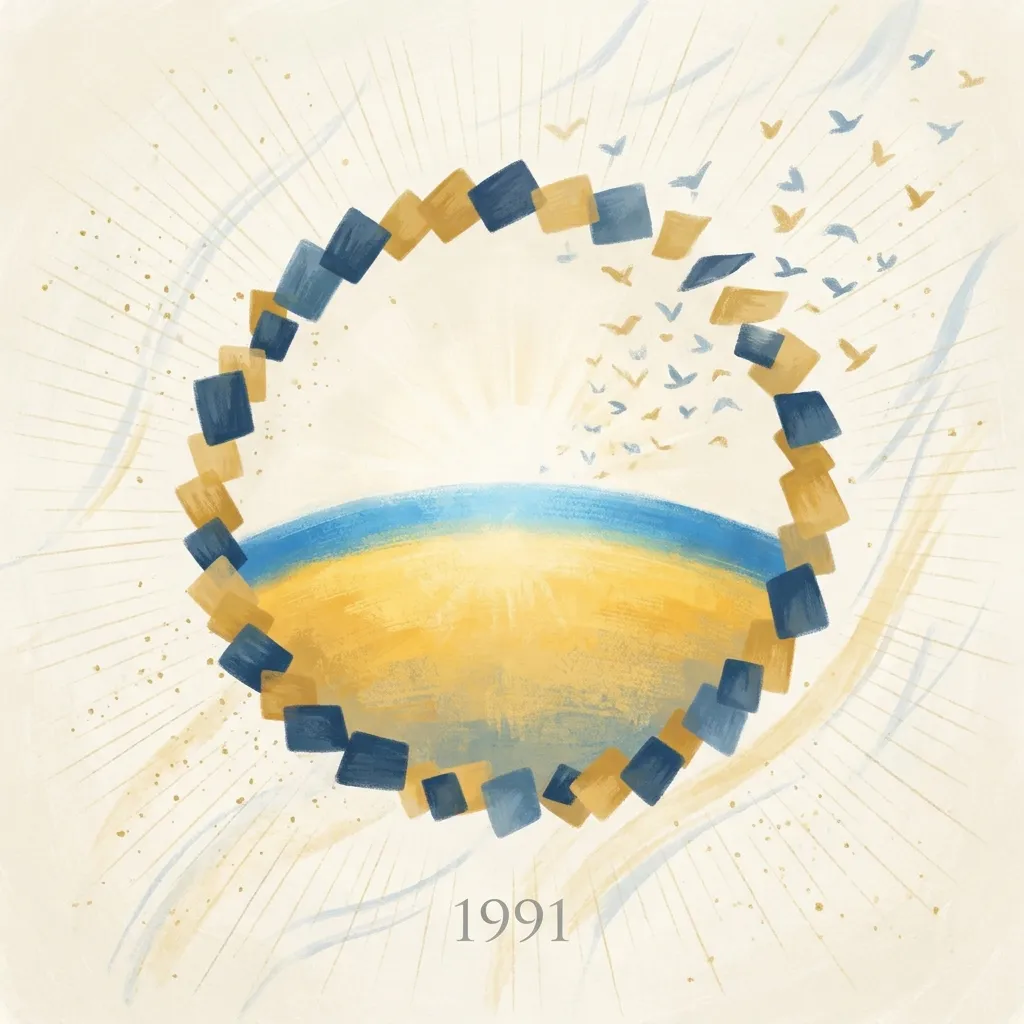 Ukraine's declaration of independence (1991)Ukraine declared its independence twice: on 24 August 1991 the Verkhovna Rada passed the Act written by Levko Lukianenko, and on 1 December more than 90% of those who voted in a nationwide referendum confirmed it. The next day the world began to recognise Ukraine.
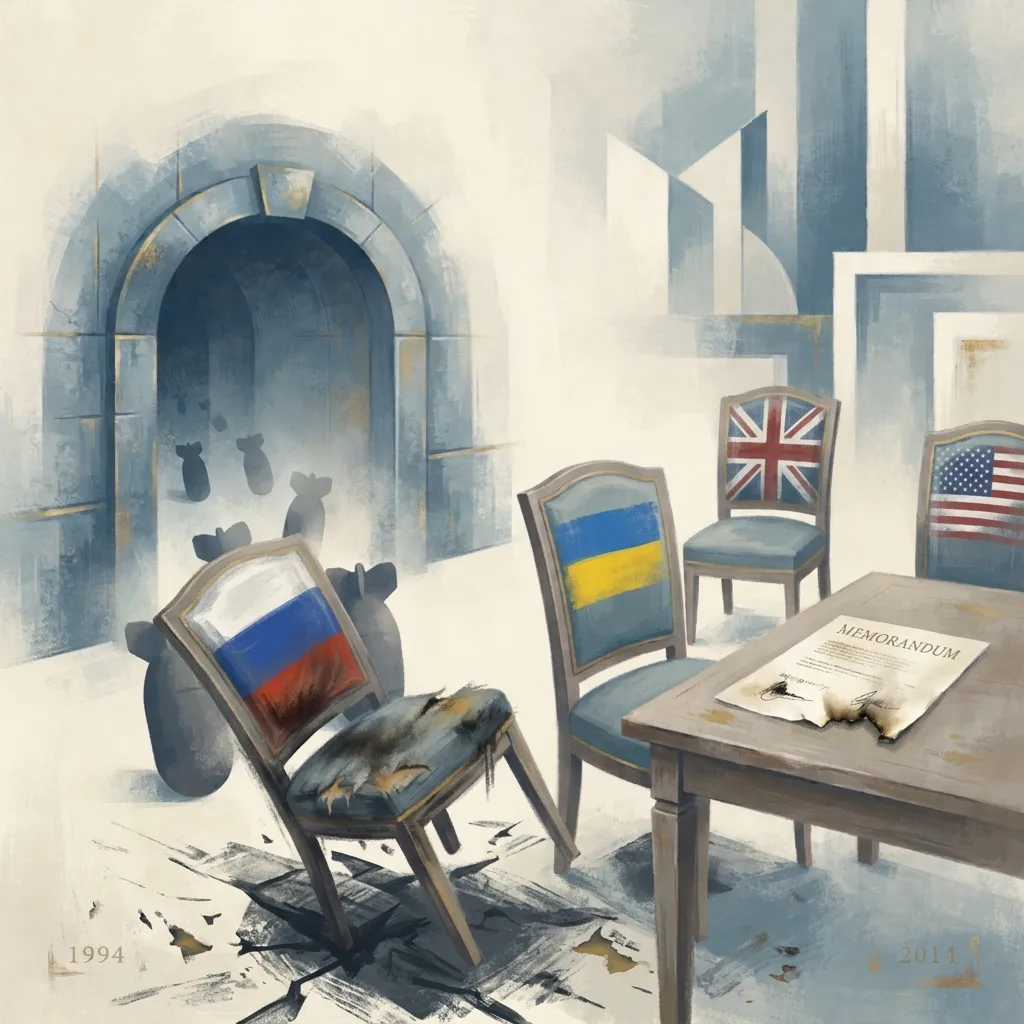 The Budapest Memorandum (1994)In 1991 Ukraine held the world's third-largest nuclear arsenal, yet could not launch a single missile. It gave the weapons up, and on 5 December 1994 in Budapest the US, the UK and russia signed a memorandum: to respect its borders and not to use force against it.
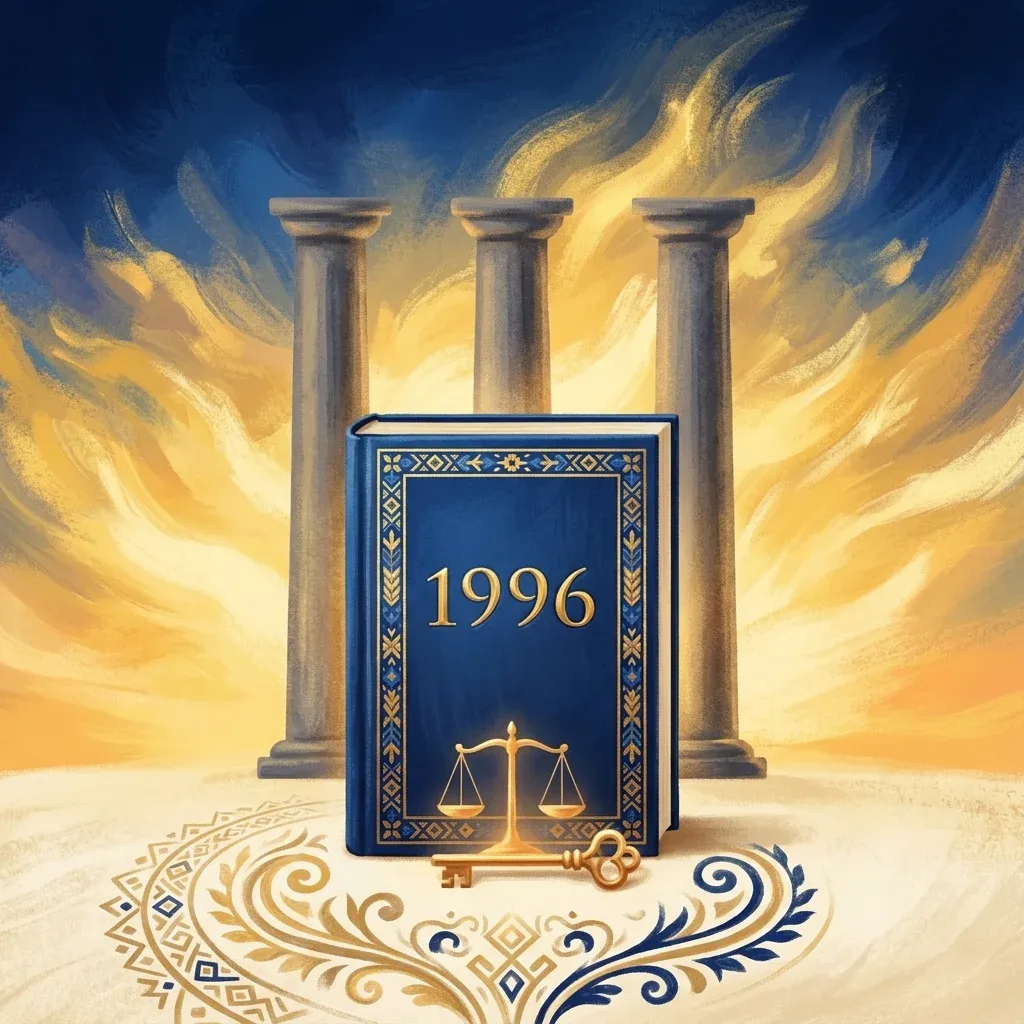 The Constitution of Ukraine (1996)After almost a full day of debate, the Verkhovna Rada adopted the Constitution of independent Ukraine at 9:18 a.m. on 28 June 1996. Since then, the Basic Law has defined the state’s system, people’s rights and the limits of government power.
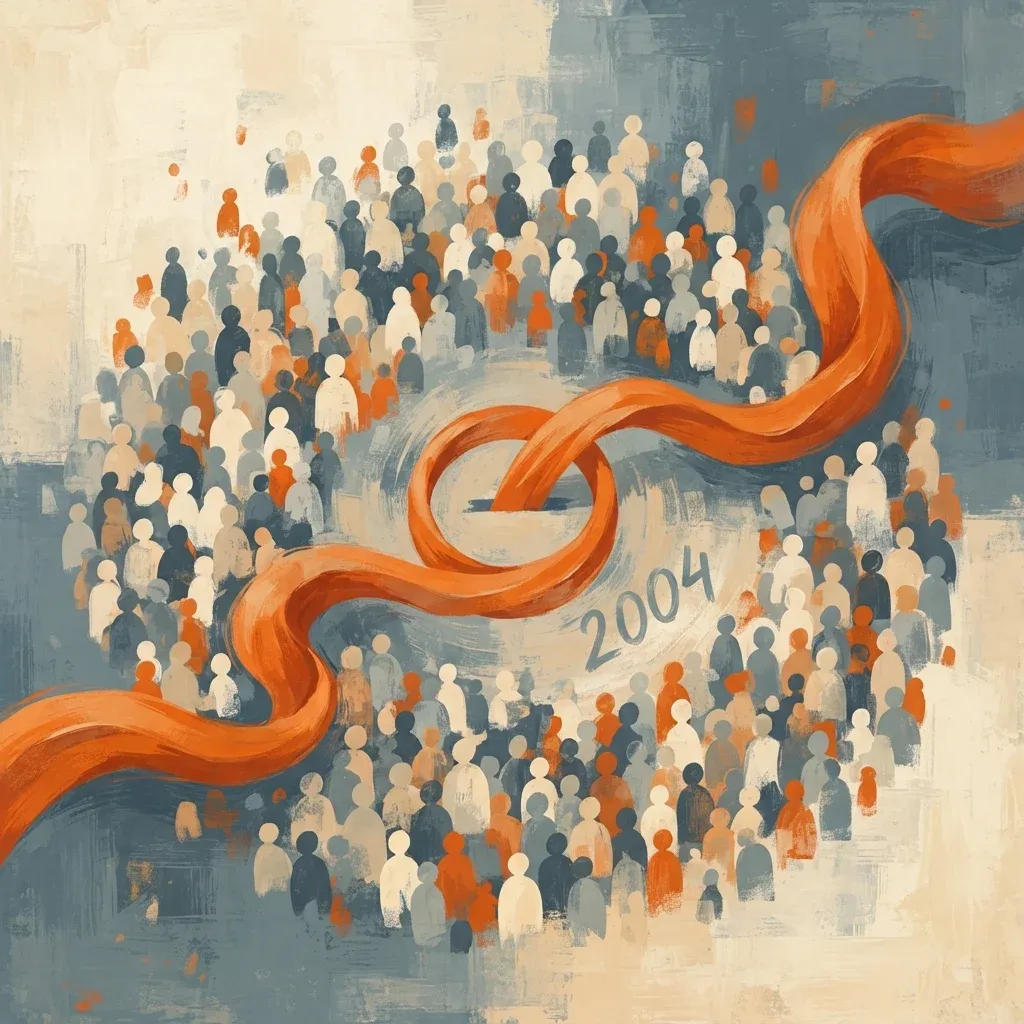 The Orange Revolution (2004–2005)The authorities declared Viktor Yanukovych the winner of the 2004 election, and hundreds of thousands of people in orange ribbons came out on the Maidan and would not go home. Twelve days later the Supreme Court threw out the runoff, and Viktor Yushchenko won the repeat vote.
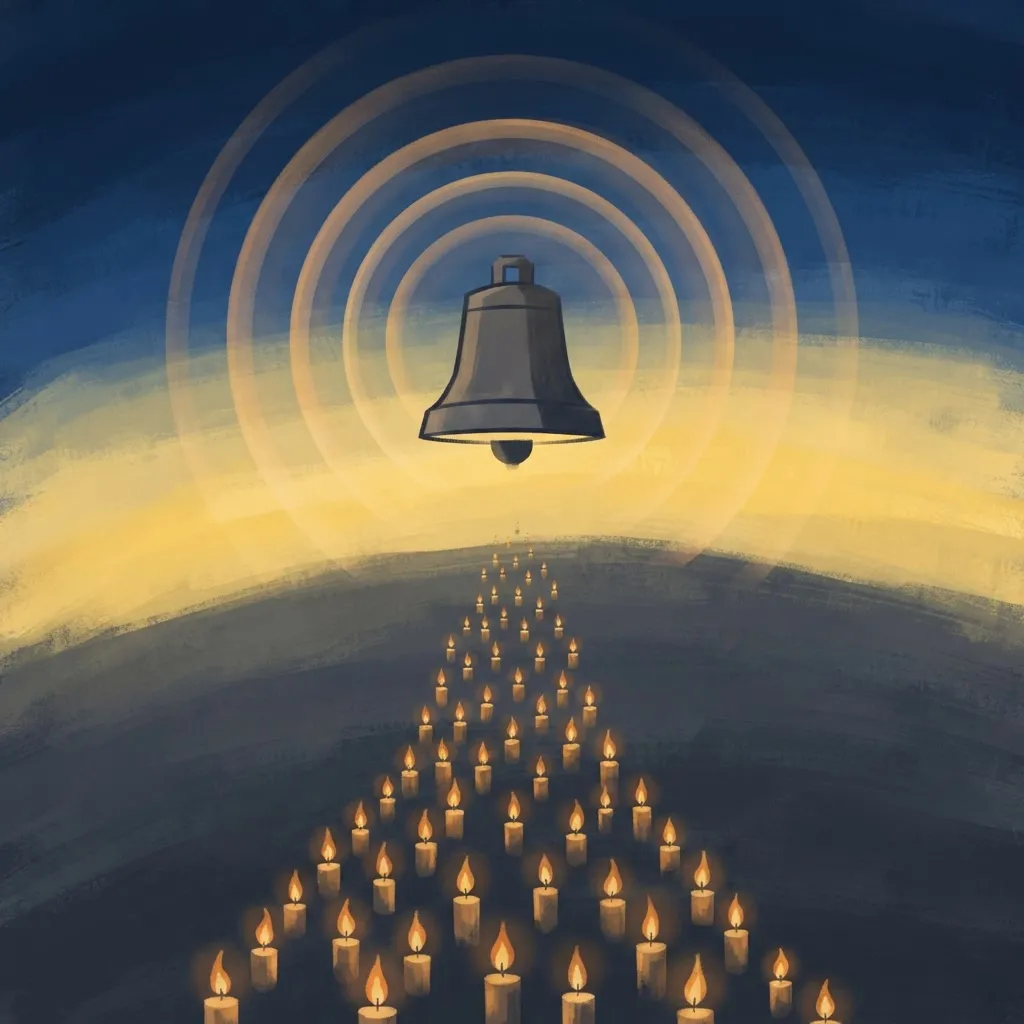 The Revolution of Dignity (2013–2014)It began with a few hundred people who came out on the Maidan on 21 November 2013 for an agreement with the European Union. Within three months the protest had become the Revolution of Dignity: pro-russian President Viktor Yanukovych fled, and 107 of its people, the Heavenly Hundred, were killed.
War for independencesince 20140/7
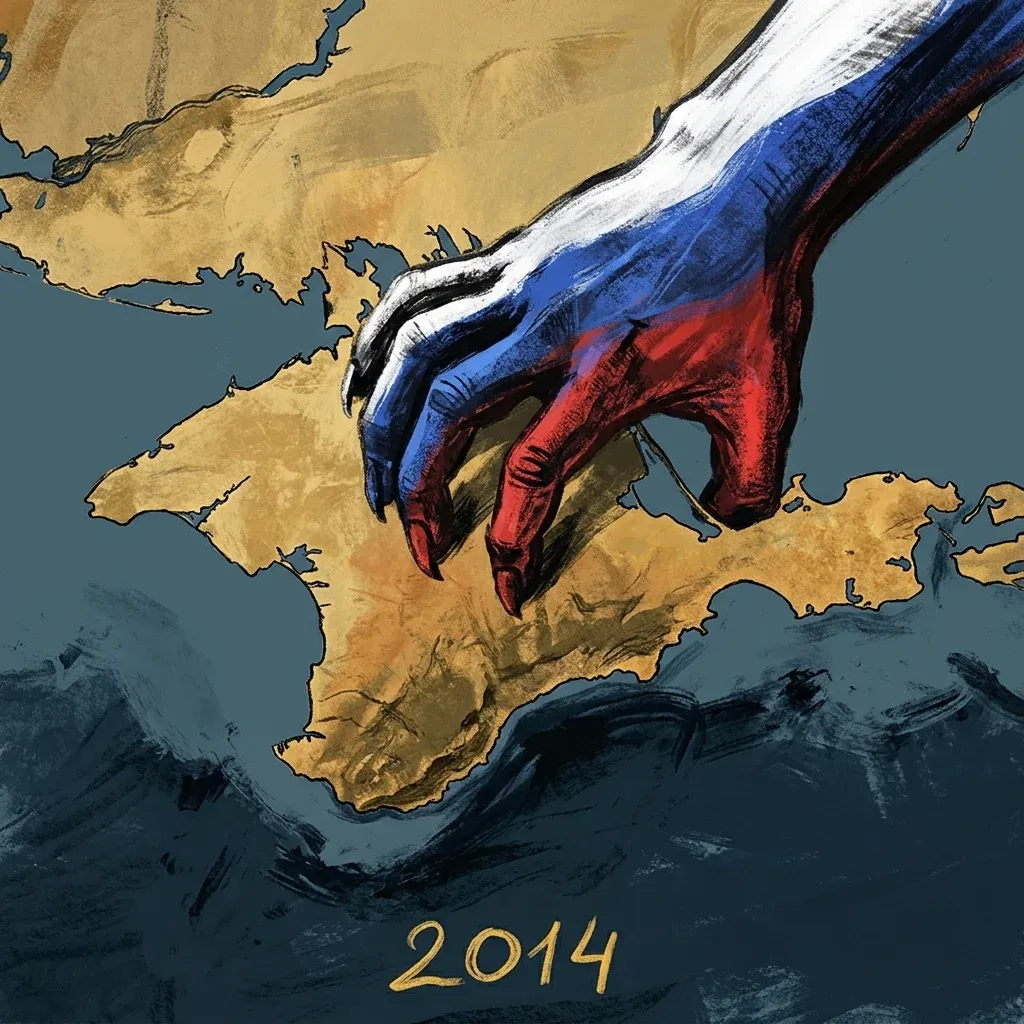 The occupation of Crimea (2014)On 26 February 2014, Crimean Tatars and other supporters of Ukraine gathered outside Crimea’s parliament. Russian troops seized the building overnight into 27 February. Ukrainian law sets 20 February as the start of the occupation; the peninsula has remained under Russian control since then.
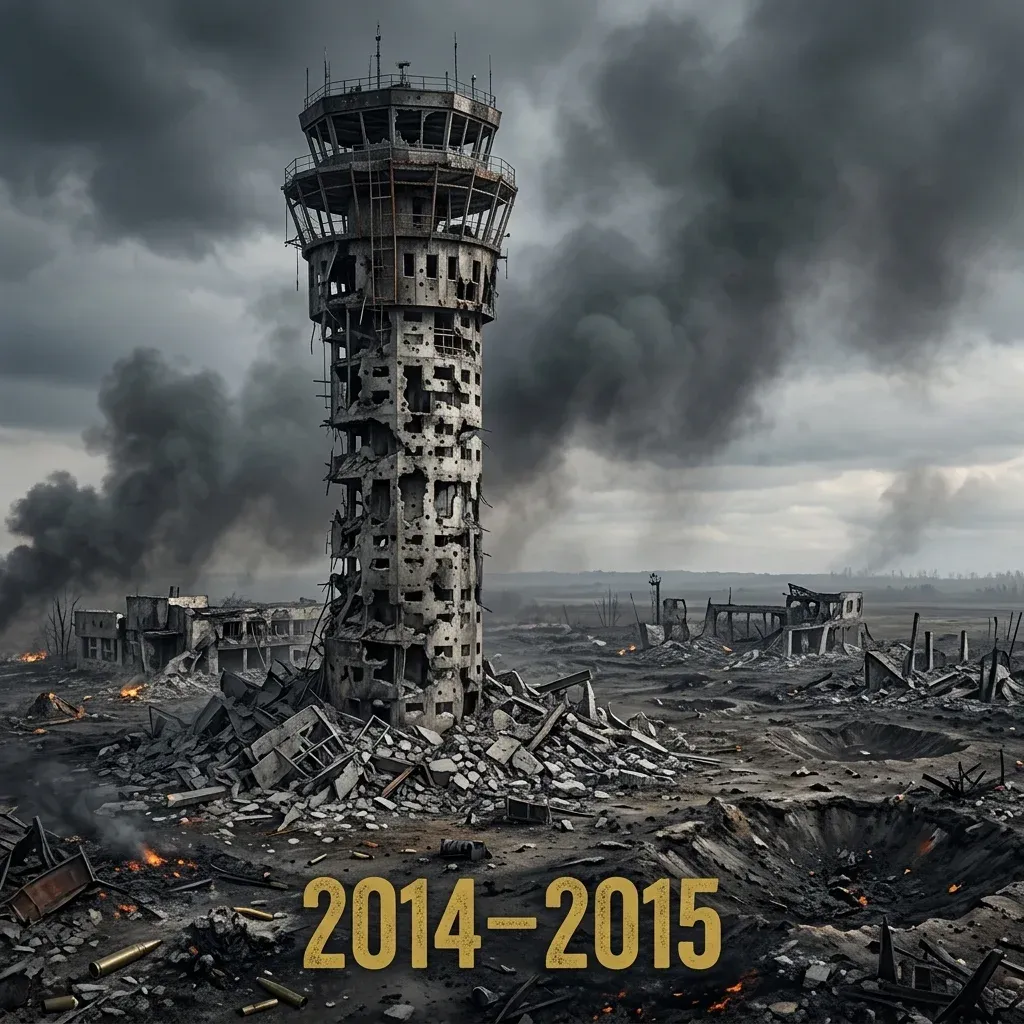 The Defence of Donetsk Airport (2014–2015)For 242 days, from May 2014 to January 2015, Ukrainian soldiers held Donetsk airport under daily shelling and assaults. The enemy called them “cyborgs” because it could not break them. In the end the concrete terminals gave way, and people say of the defenders: “They held out, the concrete did not.”
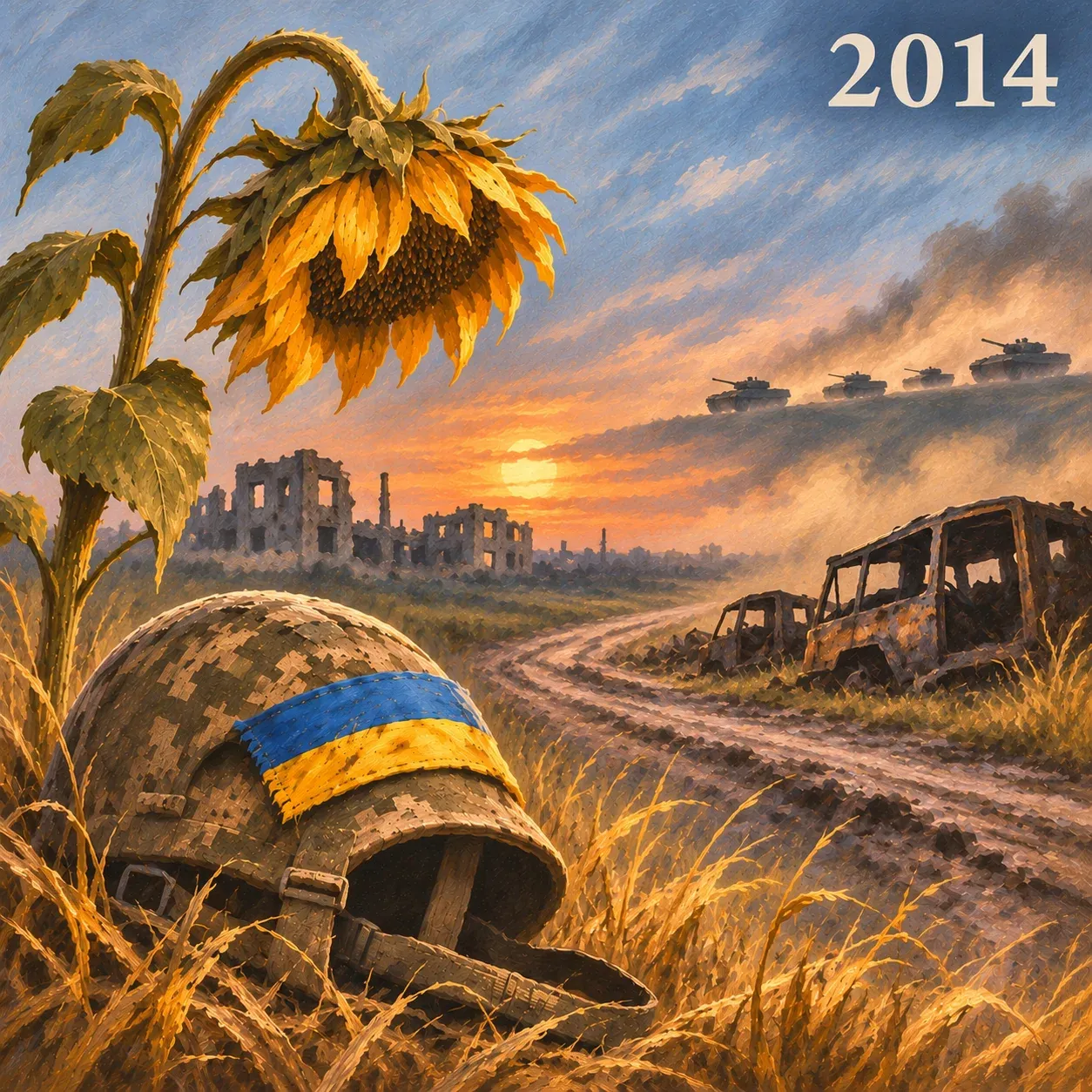 The Battle of Ilovaisk (2014)In August 2014 Ukrainian soldiers and volunteers fought for Ilovaisk in the Donetsk region, and the regular russian army invaded Ukraine. On 29 August the encircled troops set out along a promised “green corridor” and came under fire. At least 366 soldiers were killed.
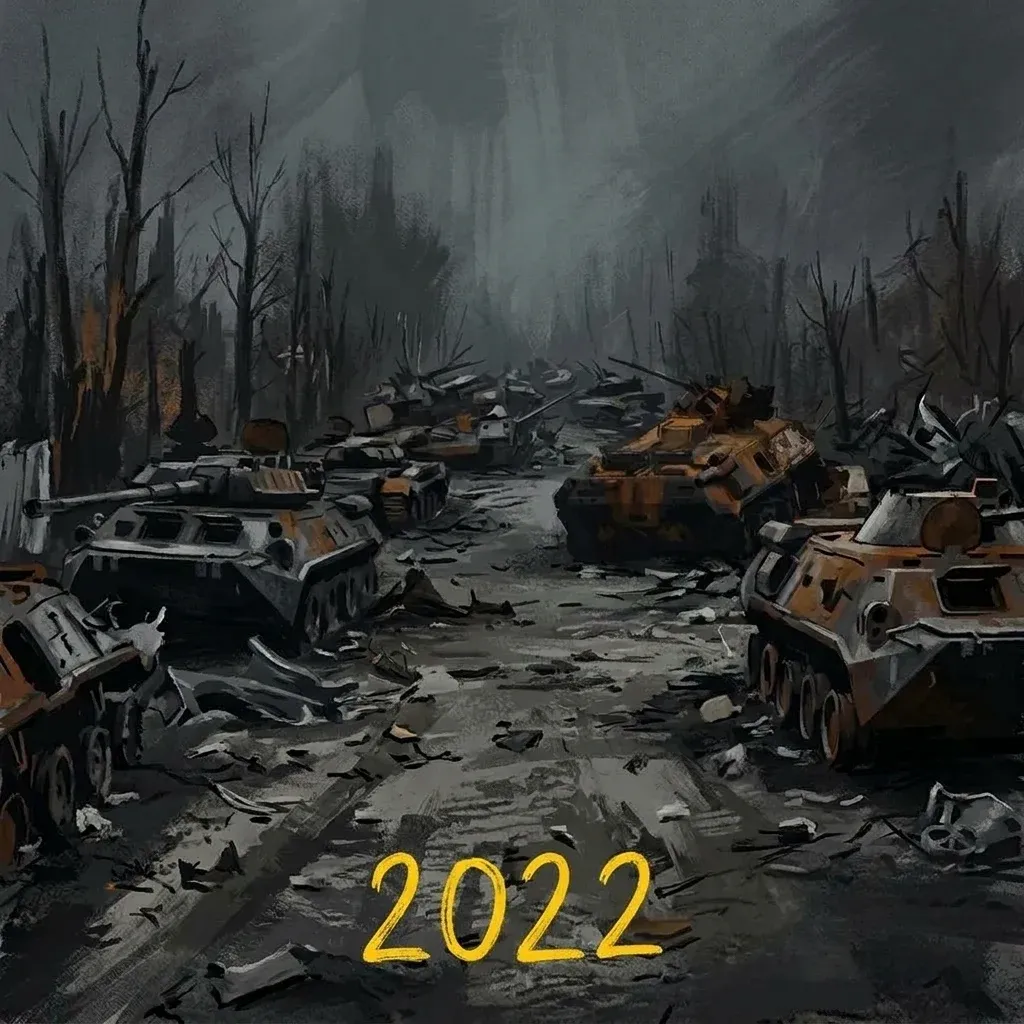 The Battle of Kyiv (2022)The invaders expected to take Kyiv quickly, but after 38 days russian troops pulled back from the capital. At Hostomel, Irpin, Moshchun and Brovary, soldiers, territorial defence and volunteers stopped the enemy, and on 2 April 2022 the whole Kyiv region was liberated.
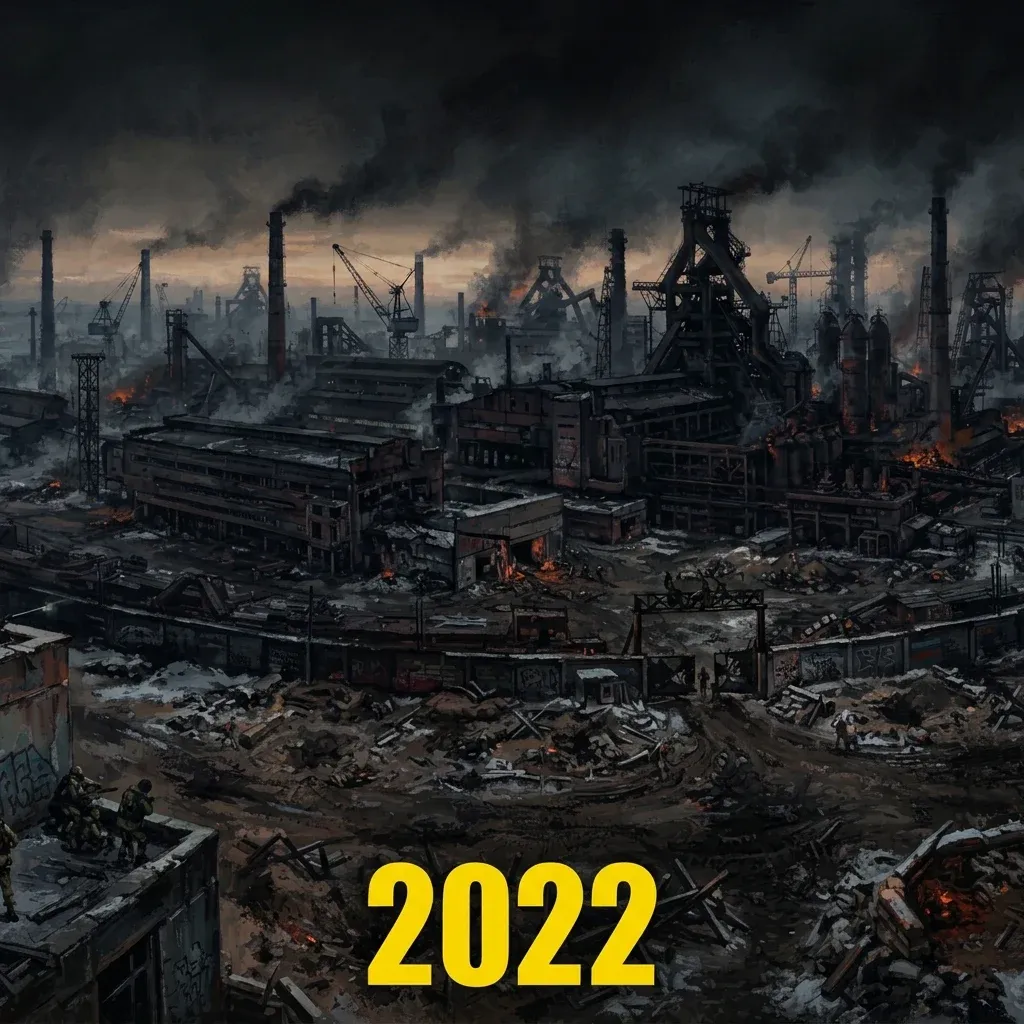 The Defence of Mariupol (2022)For 86 days, 82 of them fully encircled, Azov fighters, marines, National Guardsmen, border guards and police held Mariupol. The city's last fortress was the Azovstal steelworks. On 20 May 2022 the garrison, under orders, went into captivity to save their lives.
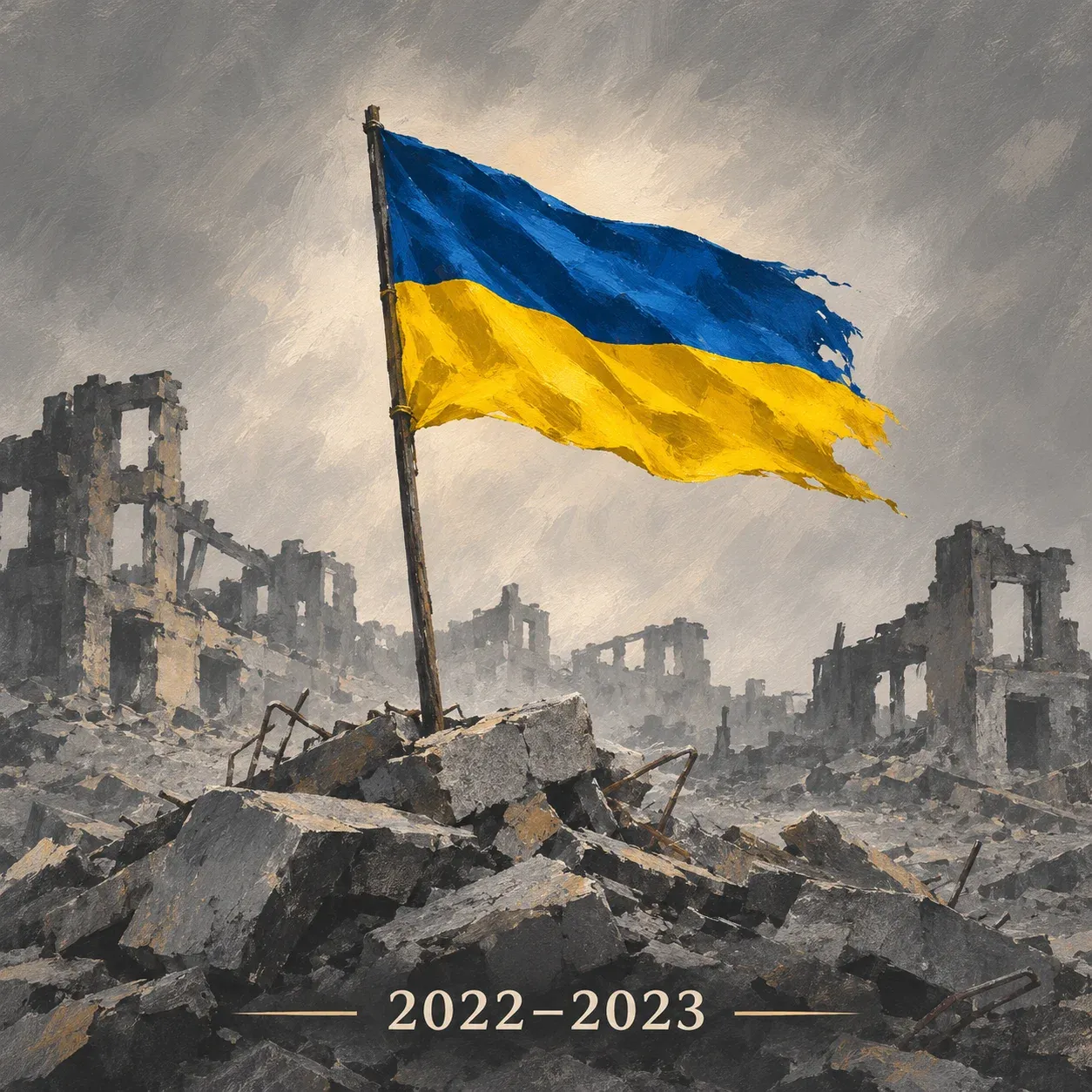 The Battle of Bakhmut (2022–2023)For almost ten months, from 1 August 2022 to 20 May 2023, russian forces, above all Wagner mercenaries, stormed Bakhmut in the Donetsk region. The city was almost wiped out, but its defenders held the enemy back for months and wore down its forces, and Bakhmut became a symbol of resilience.
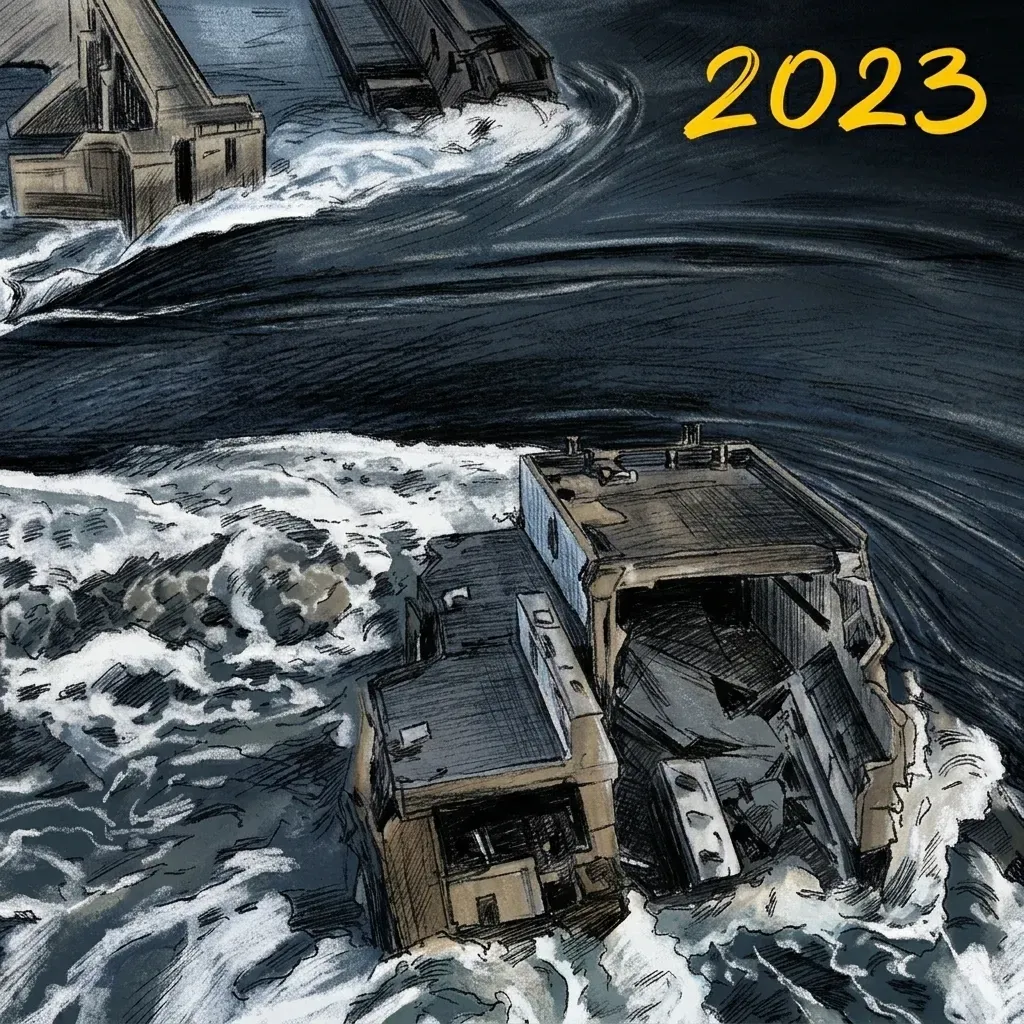 The destruction of the Kakhovka dam (2023)On the night of 6 June 2023 a blast destroyed the Kakhovka dam, held by russia since the first day of the invasion. About 620 km² of the south was flooded, and the reservoir that was its main water source was all but gone in two weeks. Ukraine is investigating a war crime and ecocide.