The Battle of Ilovaisk
Ilovaisk, Donetsk region
In August 2014 Ukrainian soldiers and volunteers fought for Ilovaisk in the Donetsk region, and the regular russian army invaded Ukraine. On 29 August the encircled troops set out along a promised “green corridor” and came under fire. At least 366 soldiers were killed.
Timeline
- 7 August 2014 The first attempt to advance on Ilovaisk
- 18 August 2014 The Donbas battalion, backed by army units, enters the western part of the town
- Night of 24 August 2014 Regular russian troops invade Ukraine
- 27 August 2014 The encirclement around Ilovaisk closes
- 28 August 2014 An agreement to leave with weapons along a “green corridor”, guaranteed by russia
- 29 August 2014 The columns leaving the encirclement come under fire from russian forces
- 31 August 2014 Some of the troops encircled at Chervonosilske are handed to the Red Cross in exchange for captured russians
- 2019 29 August becomes the Day of Remembrance of the Defenders of Ukraine
Why is the sunflower the symbol of Ukraine’s Day of Remembrance of its defenders? On 29 August 2014 Ukrainian soldiers left the encirclement near Ilovaisk, in the Donetsk region, along a “green corridor” promised by russia. Their route ran through fields of sunflowers, and that is where the columns came under fire from russian forces. Ilovaisk became one of the most tragic chapters of the war before the full-scale invasion.
Why it happened
In the spring of 2014 russia stirred up a war in the Donbas. By early August Ukrainian forces had lost control of part of the border with russia, and weapons, ammunition and mercenaries were flowing across it to the militants. The command decided to encircle Donetsk. Ilovaisk, a major railway junction 40 kilometres south-east of Donetsk, was one of the key points of that plan. Intelligence put only a few dozen militants in the town, but no one checked those figures again.
What happened
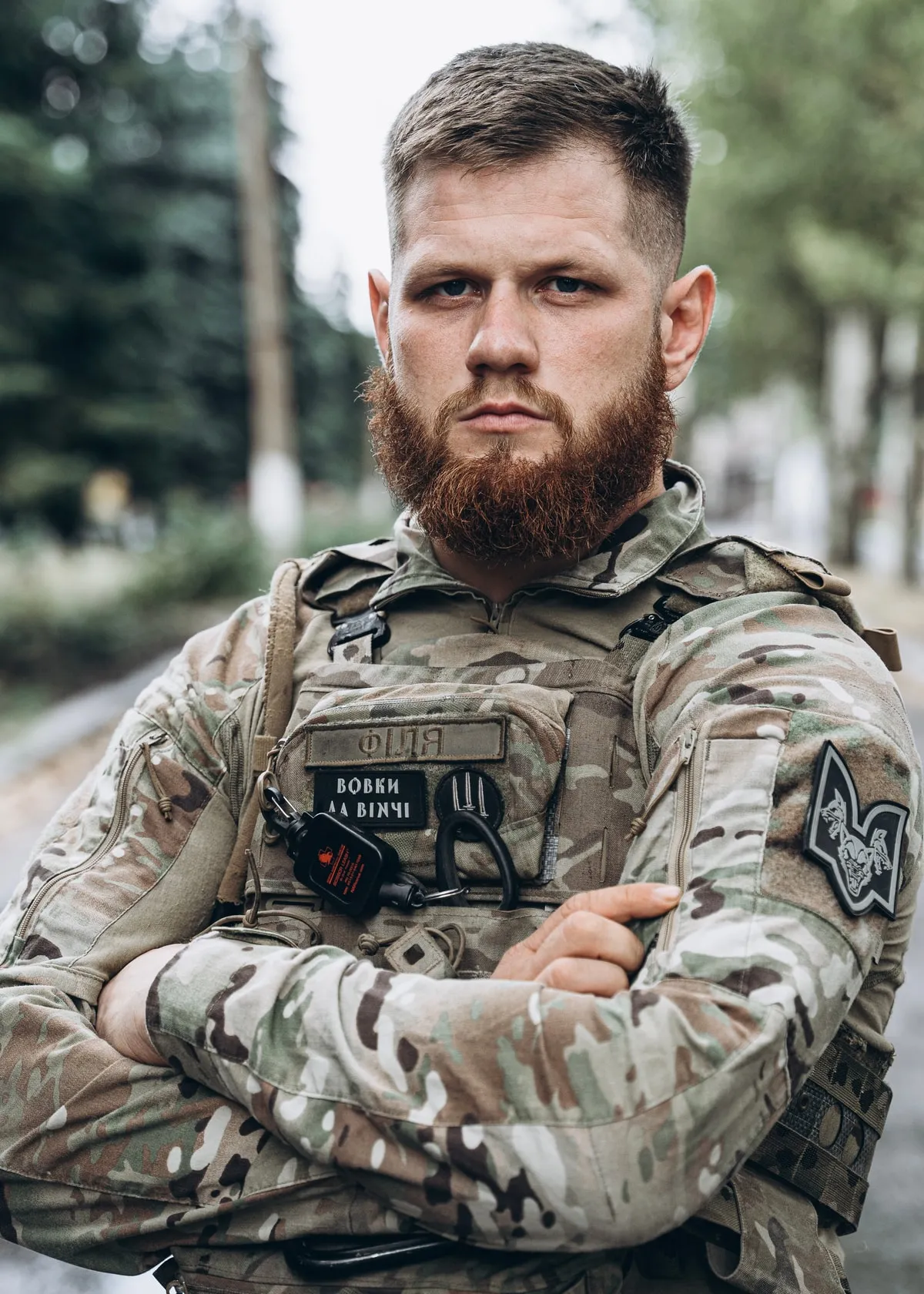
The first attempts to advance, on 7 and 10 August, failed. Army units, the Kryvbas battalion and volunteers from Azov, Donbas and Shakhtarsk took part. Among the Azov fighters was 19-year-old Serhii Filimonov, who was badly wounded near Ilovaisk. On 18 August the Donbas battalion, backed by army units, entered the western part of the town, followed by Dnipro-1 and later by Myrotvorets, Kherson, Ivano-Frankivsk and the Svitiaz company. Most of these volunteers had never fought before.
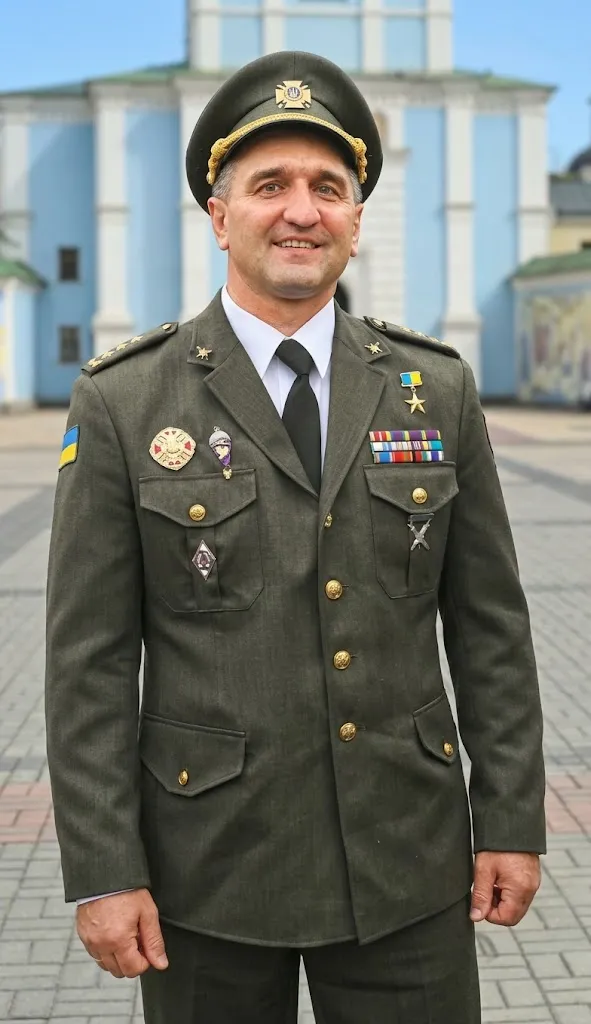
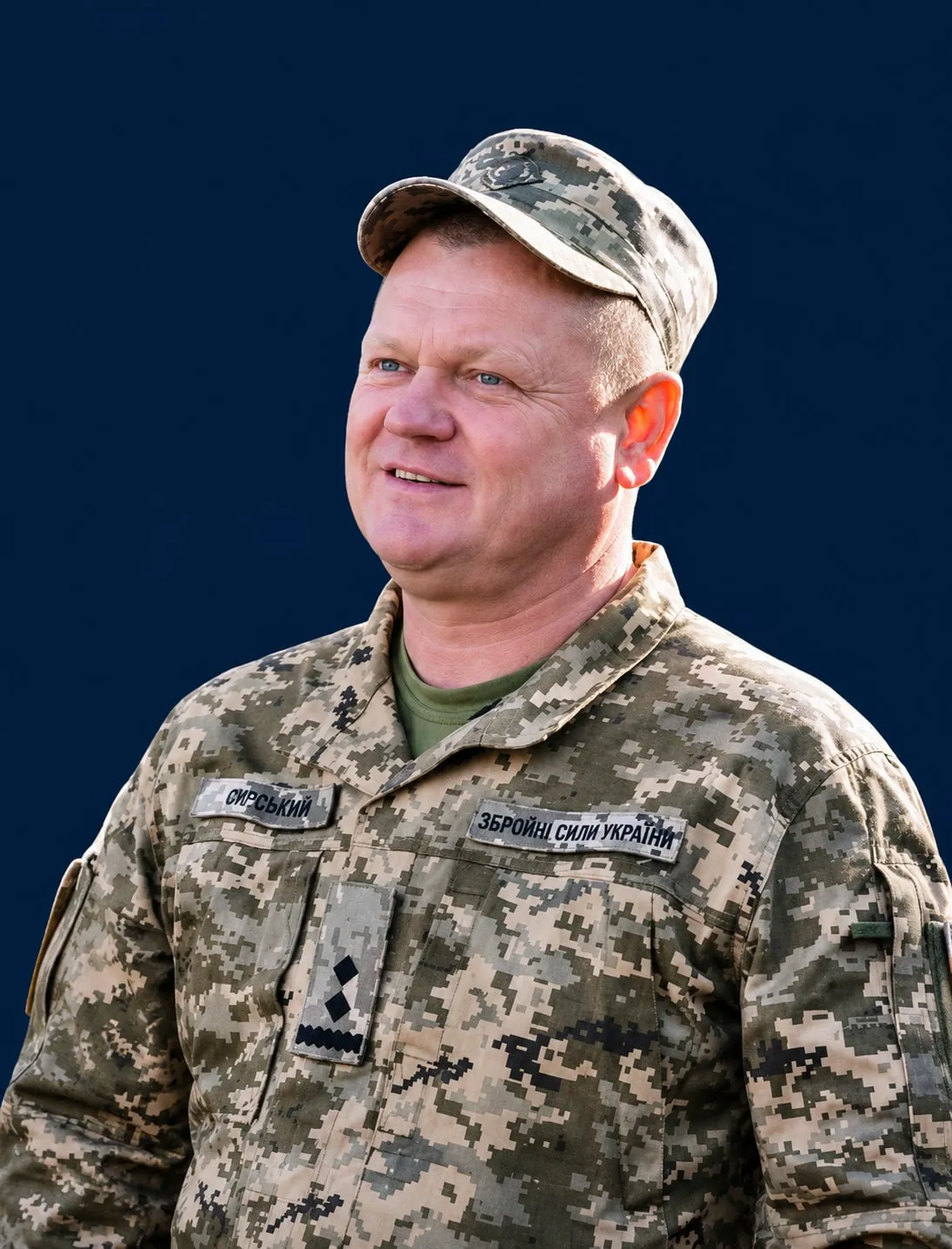
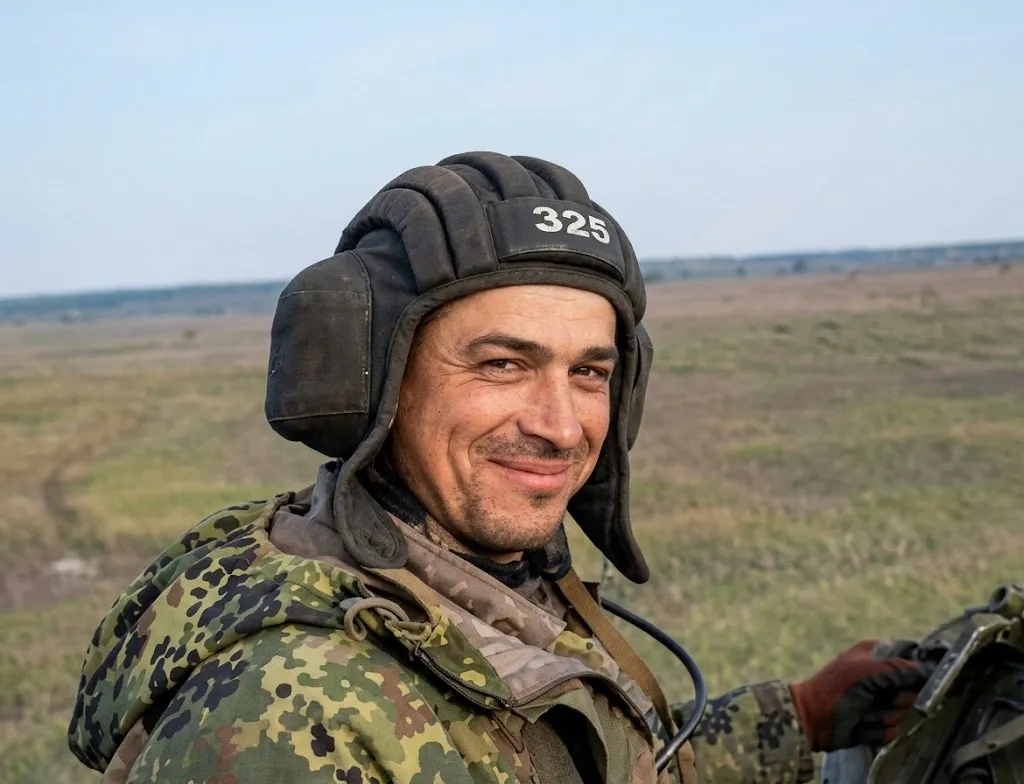
Nearby, from 12 August, scouts under Colonel Ihor Hordiichuk held the hill of Savur-Mohyla and directed artillery fire. The tank gunner Kostiantyn Mrochko and Pavlo Fedosenko of the Kryvbas battalion also fought near Ilovaisk.
The invasion
On the night of 24 August regular russian troops crossed into Ukraine: nine battalion tactical groups, about 3,500 soldiers, 60 tanks and 320 armoured vehicles. Their vehicles carried no identifying markings, but that same day Ukrainian soldiers captured ten russian paratroopers. The russians cut off the Ukrainian force at Ilovaisk, and on 27 August the ring closed. Inside were, by different counts, 1,200 to 1,400 Ukrainian fighters. They were running out of ammunition, water and food, and attempts to break through to them from outside failed.
The “green corridor”
On 28 August the commanders of the encircled force agreed with representatives of the russian army that they would leave with their weapons and vehicles along agreed routes, under russian guarantees. In the night of 29 August Putin publicly called for the Ukrainians to be given a “green corridor”. In the morning the russians changed the terms and demanded that the vehicles be left behind. The commanders decided to go anyway and, if attacked, to fight their way out. Two columns set off along the agreed routes and came under fire from russian tanks and other heavy weapons. Even a vehicle marked with the Red Cross emblem was fired on.
Hordiichuk’s scouts, who had left Savur-Mohyla the day before, were in the southern column. Fighters of the Donbas battalion dug in at the village of Chervonosilske and fought back. Many others spent days making their way back to Ukrainian lines on foot, through fields and villages.
According to the Prosecutor General’s Office, 366 Ukrainian soldiers were killed at Ilovaisk, 429 were wounded and about 300 were taken prisoner. A Verkhovna Rada investigative commission in 2014 spoke of losses of up to a thousand killed, wounded and dead of wounds. Estimates for 29 August alone also differ: the General Staff gave 129 killed, not counting volunteer battalions, while investigators put the number killed during the withdrawal at 254. The events at Ilovaisk were the turning point of the war’s first stage and soon led to a temporary ceasefire agreement in Minsk.
Debates and assessments
Who bears responsibility for the tragedy is still argued over. In its findings of 2017–2018 the Prosecutor General’s Office named russia’s armed aggression as the main cause. It concluded that mistakes by the command were not directly linked to the soldiers’ deaths, and among other factors it named the low combat readiness of some units and desertion. Later the Office of the Prosecutor General concluded that the russian army’s invasion was the only cause of the tragedy.
Parliamentary commissions saw it differently. The 2014 commission criticised the defence minister and the chief of the General Staff of the time. In an interim report, a 2021 commission named the poor organisation of the country’s defence as the main cause, and noted that the political and military leadership neither relieved the encircled troops nor organised their withdrawal. Some of those who fought there say their questions have never been answered.
Ukraine served a notice of suspicion on Mykola Bogdanovsky, first deputy chief of russia’s General Staff, who according to investigators gave the guarantees for the “corridor”, and sent evidence on the shelling of the columns to the International Criminal Court.
Why it matters today
At Ilovaisk volunteers who had been civilians only weeks before stood with army soldiers against a regular russian army several times their number. The battle showed the world what russia denied: its own army was fighting in the Donbas. The shelling of columns that had been promised safe passage is still a reminder of what russia’s guarantees are worth. Since 2019, on 29 August, Ukraine remembers all its defenders who gave their lives for its independence, and the sunflower from those fields has become the sign of that memory.