The Battle of Kyiv
Kyiv and the Kyiv region
The invaders expected to take Kyiv quickly, but after 38 days russian troops pulled back from the capital. At Hostomel, Irpin, Moshchun and Brovary, soldiers, territorial defence and volunteers stopped the enemy, and on 2 April 2022 the whole Kyiv region was liberated.
Timeline
- 24 February 2022 The full-scale russian invasion begins; fighting for the Antonov airfield at Hostomel
- 27 February 2022 The General Staff names Oleksandr Syrskyi commander of the defence of Kyiv
- 5–21 March 2022 The battle of Moshchun: russian troops try to cross the Irpin River and break through to Kyiv
- 28 March 2022 Ukrainian forces liberate Irpin
- 29–30 March 2022 Moscow says it is sharply scaling back fighting near Kyiv; its troops pull back towards Belarus
- 2 April 2022 The Ministry of Defence announces that the whole Kyiv region is liberated
Can the capital of a large country be taken in a few days? In February 2022, russia believed it could. But on the approaches to Kyiv, at Hostomel, Irpin and Moshchun, near Brovary and Makariv, its troops were stopped by soldiers, territorial defence units and volunteers. The defence lasted 38 days, and on 2 April 2022 the Ministry of Defence announced that the whole Kyiv region had been liberated.
Why it happened
On 24 February 2022 russia launched its full-scale invasion of Ukraine. Kyiv was its main target: by taking the capital, russia expected to break the resistance of the whole country quickly. Its main forces moved on the city from the north, out of Belarus and through the Chornobyl zone; they took Chornobyl, Ivankiv, Dymer and Borodianka and reached Bucha. Other columns advanced from the east, towards Brovary.
What happened
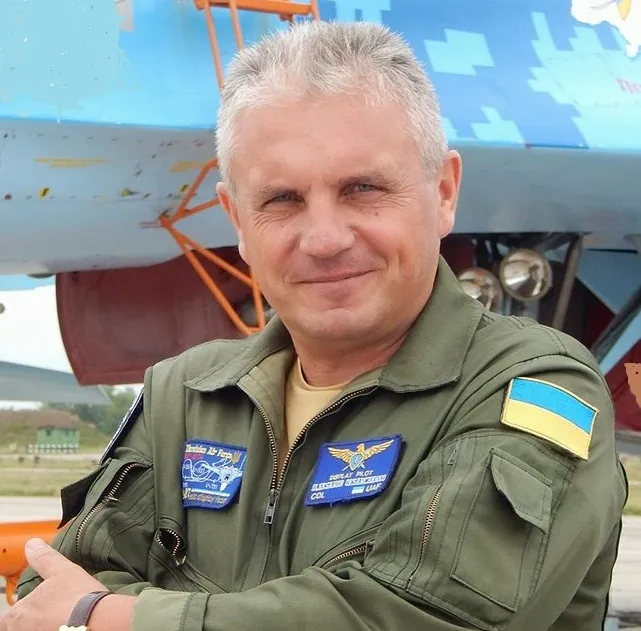
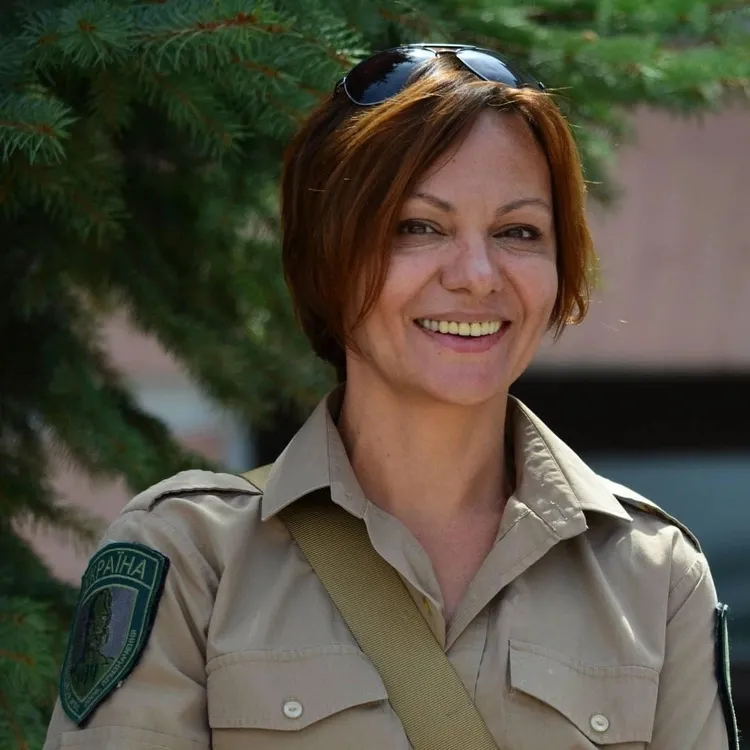
On the morning of the very first day, russian helicopters landed troops at the Antonov airfield in Hostomel. National Guard soldiers damaged the runway, so transport planes carrying more troops could not land there. During the fighting for the airfield, russian forces destroyed the An-225 Mriya, the largest aircraft in the world. On 25 February the pilot Oleksandr Oksanchenko was killed in an air battle over the Kyiv region, and the volunteer Iryna Tsvila in the fighting for Irpin. On 3 March the military intelligence sniper Valerii Chybinieiev was killed at Hostomel.
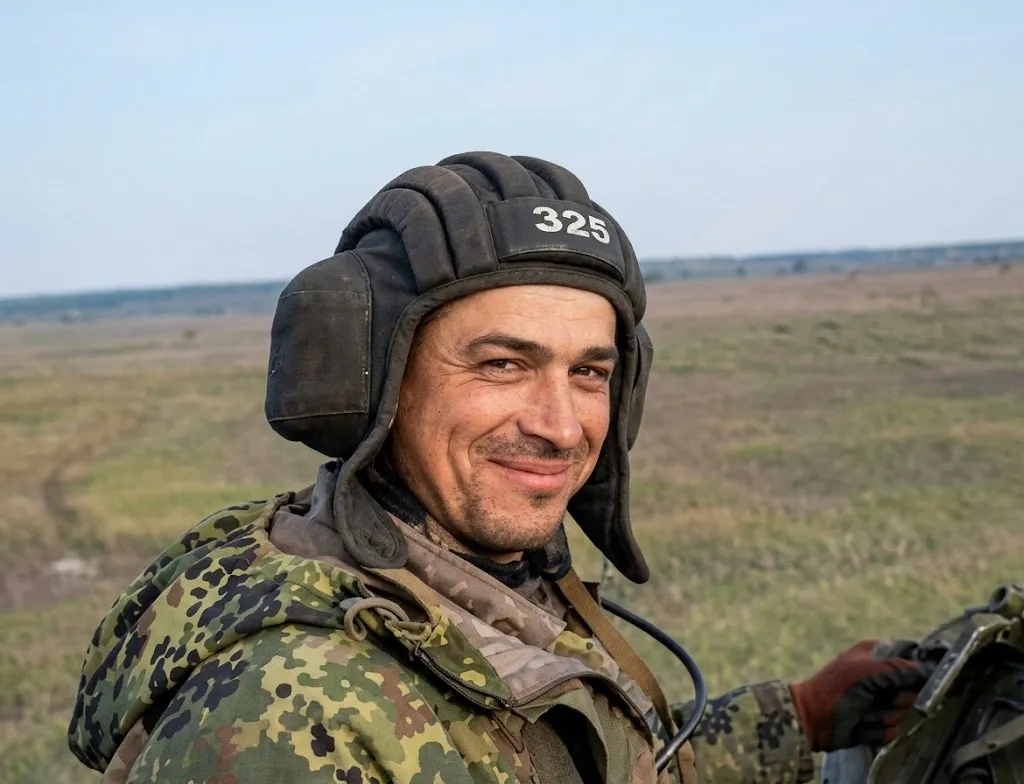
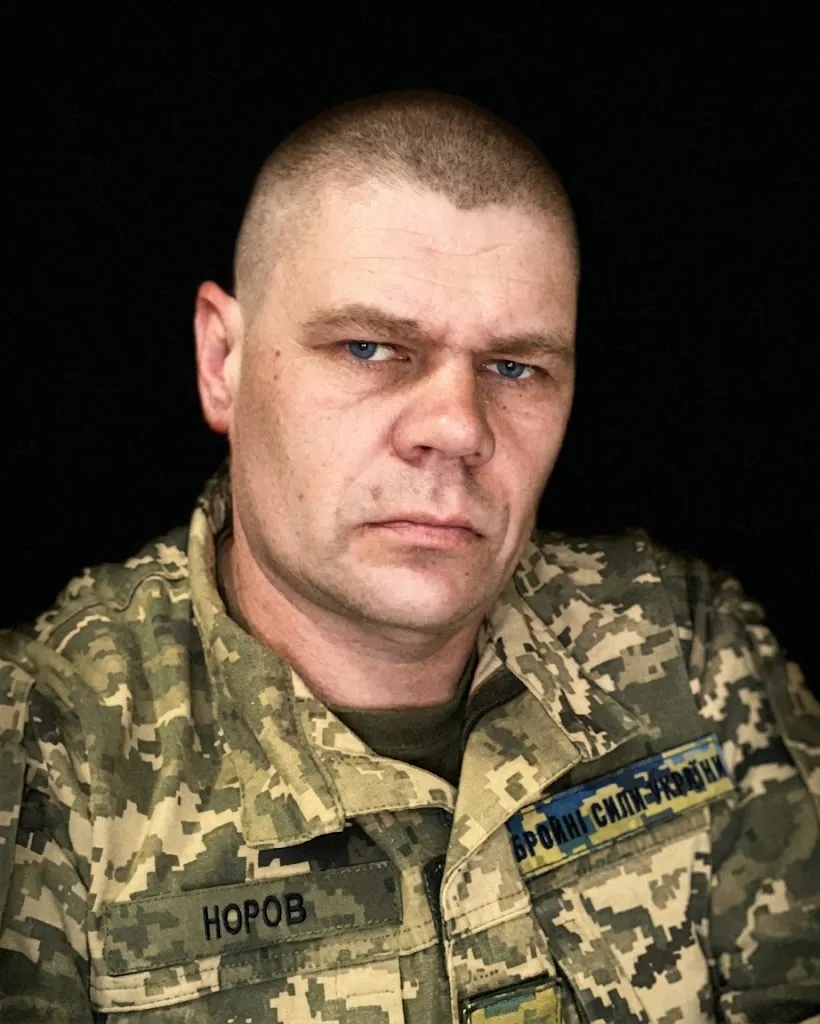
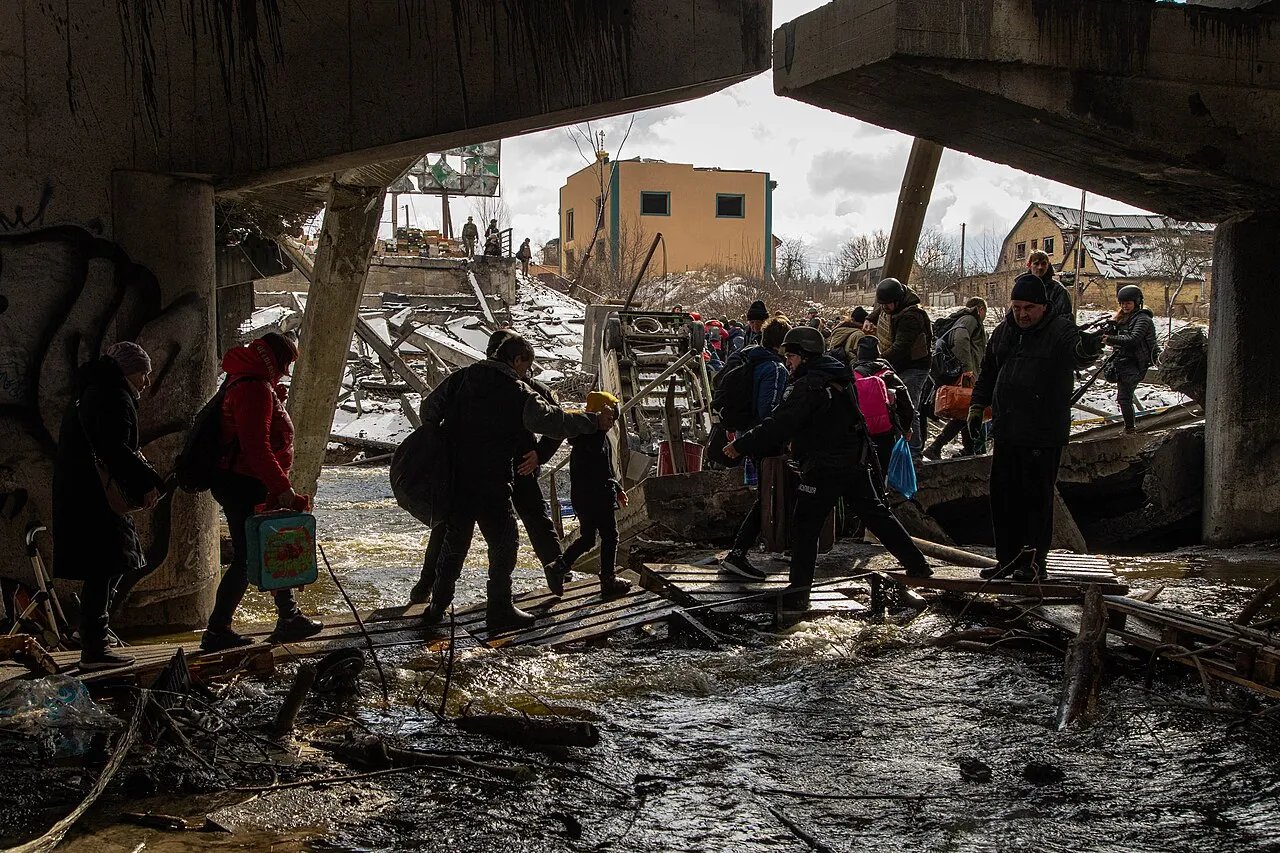
To hold up the enemy, Ukrainian troops blew up the bridges over the Irpin River, and a dam near Kozarovychi was partly destroyed, flooding the river valley between Hostomel and Moshchun. From 5 March russian troops tried to cross near the village of Moshchun, but on 21 March they were driven out. West of Kyiv, near Lypivka, the tank gunner Kostiantyn Mrochko was killed on 8 March, and near Makariv on the same day the combat medic Kateryna Stupnytska, who had been carrying the wounded out under fire. In the north, Andrii Norov organized the defence of the Kyiv hydroelectric plant at Vyshhorod; he was killed on 13 March.
Who defended the capital
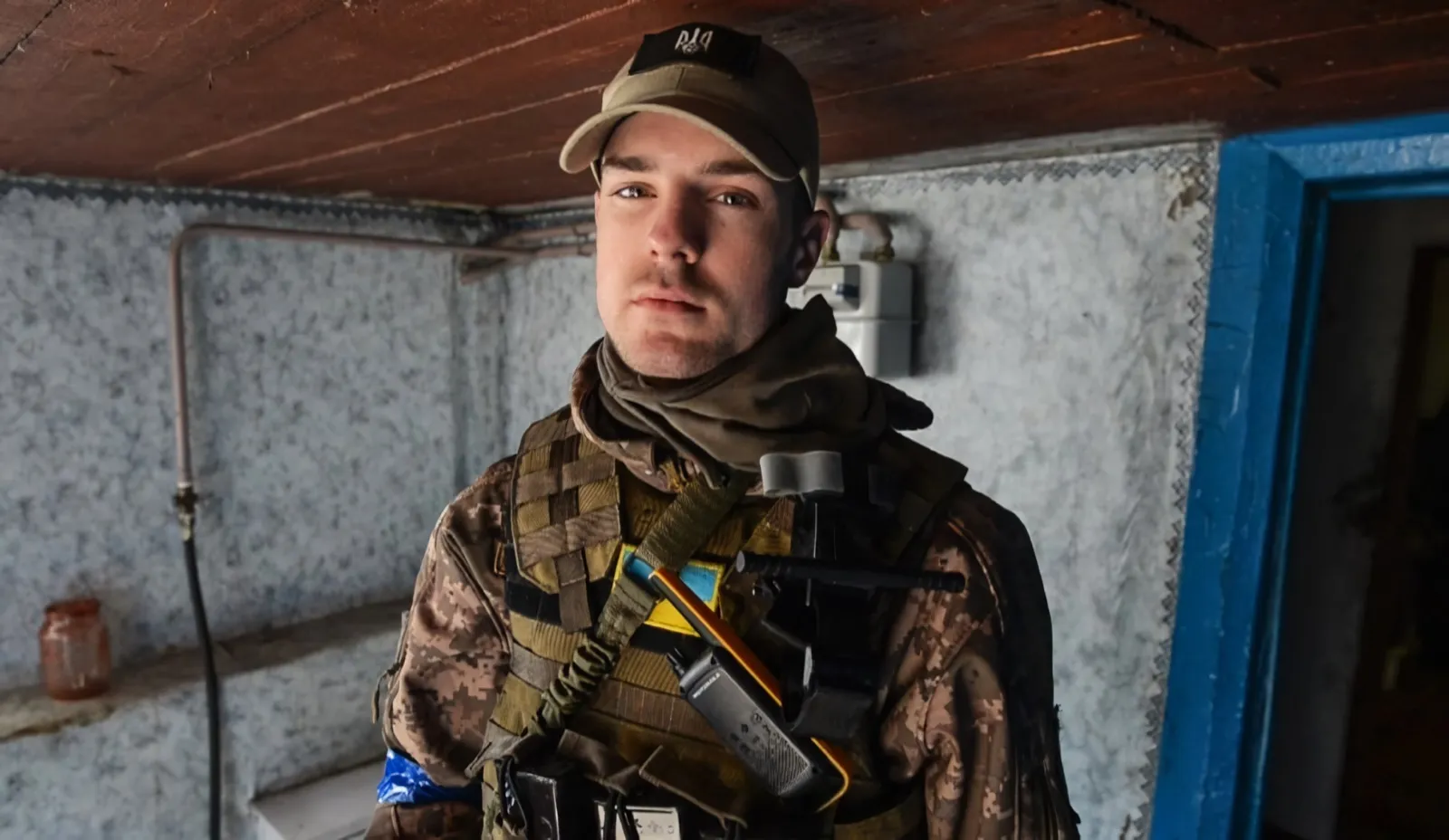
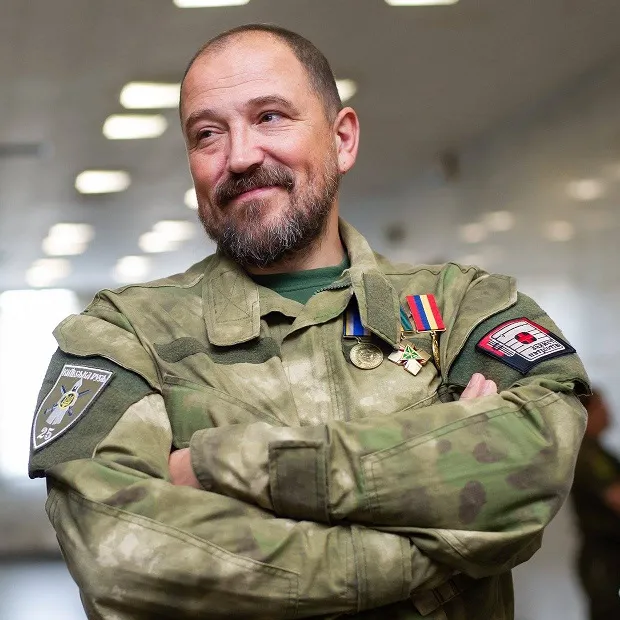
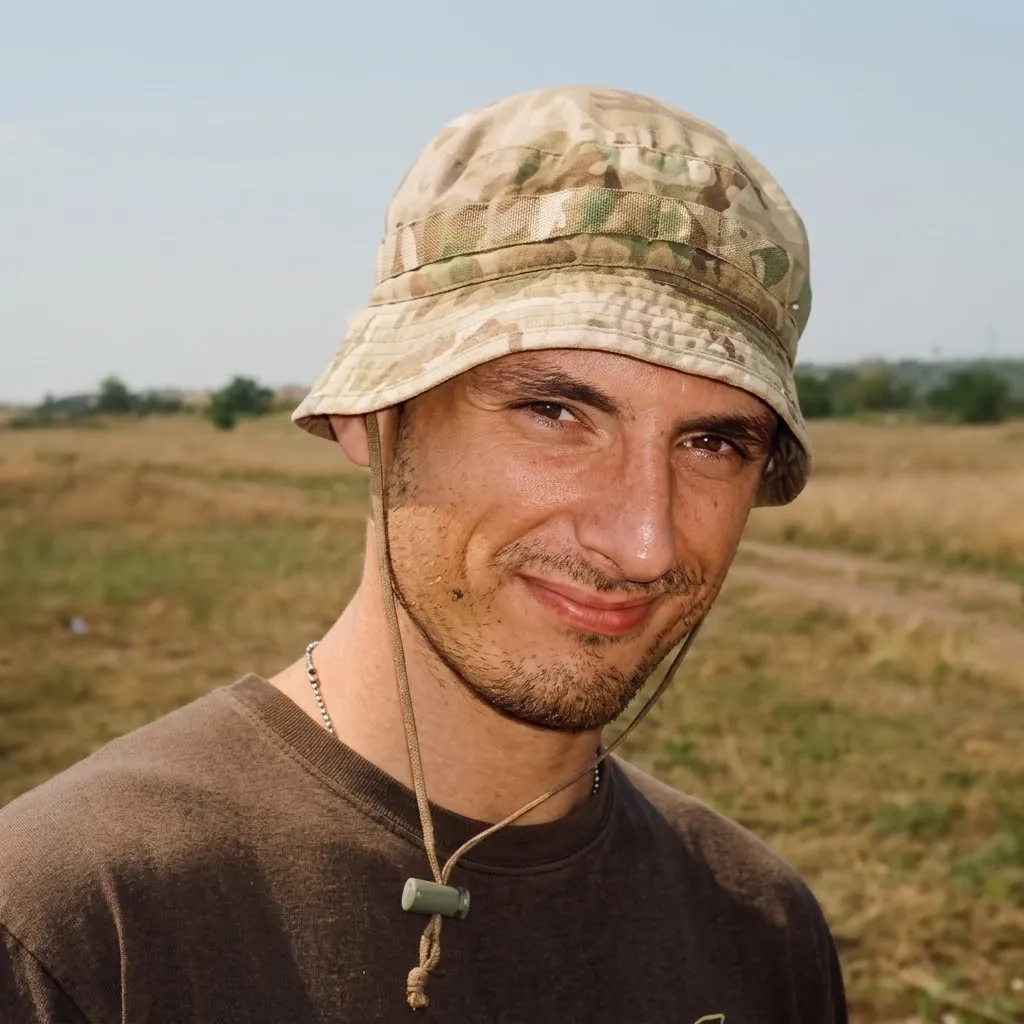
The capital was defended by people of every peaceful trade. The activist Roman Ratushnyi defended Kyiv from the first days, the anti-tank gunner Serhii Mishchenko fought for Bucha and Irpin, and the platoon of the businessman Robert Brovdi helped evacuate people from Irpin, Bucha and Borodianka.
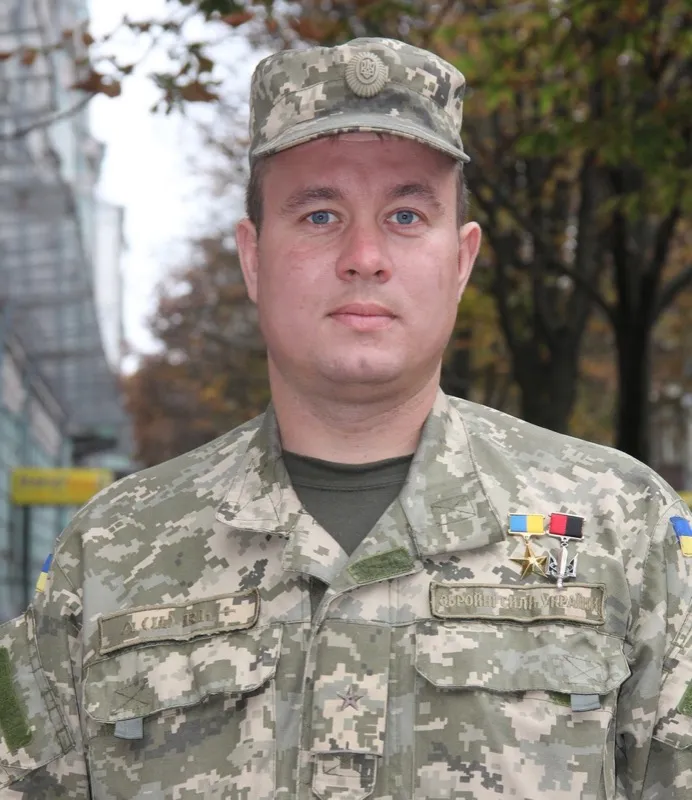
At the end of March the Ukrainian forces went on the attack. On 24 March in Irpin, Junior Lieutenant Ihor Dykun used a grenade launcher to stop enemy armour trying to get around his unit’s positions, and Pavlo Bilous and a fellow soldier broke up a column of armoured vehicles. Irpin was liberated on 28 March. Yevhen Mezhevikin’s Tactical Group “Adam” and the Azov machine gunner Oleksandr Hrianyk took part in liberating Irpin and Bucha. On 29 March russia said it was sharply scaling back fighting on the Kyiv axis, and its troops began pulling back towards Belarus. On 2 April the Ministry of Defence announced that Irpin, Bucha, Hostomel and the whole Kyiv region had been liberated.
The broken columns
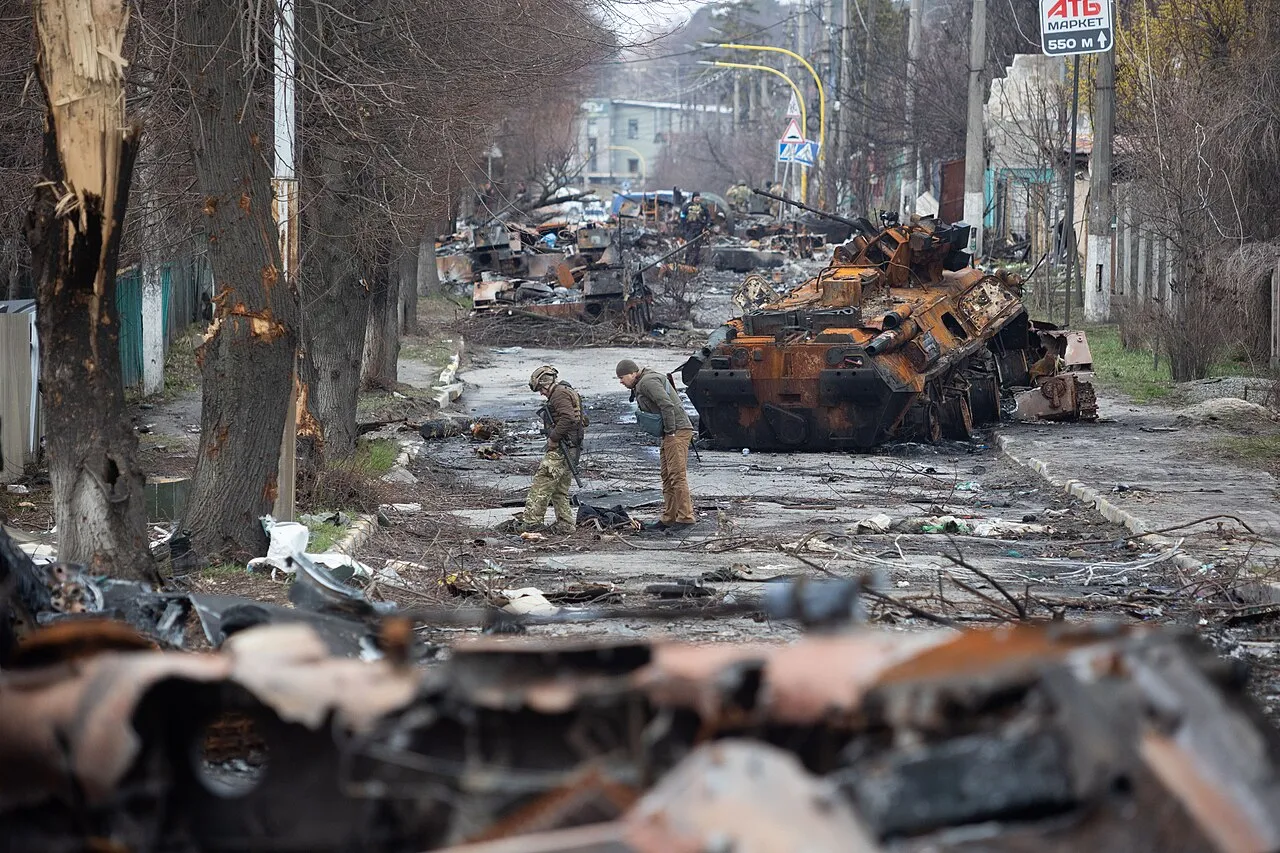
The enemy advanced on Kyiv in long columns of armour, and the defenders struck them right on the roads. On 27 February, on Vokzalna Street in Bucha, Ukrainian troops destroyed a column of russian armour that was heading through the town to Irpin and on to Kyiv. Sources credit the strike to artillery or to Bayraktar drones. On 9–10 March, on the Kyiv–Chernihiv highway near Skybyn, on the approaches to Brovary, soldiers of the 72nd Brigade, Azov and the territorial defence ambushed and routed a column of a russian tank regiment.
What the withdrawal revealed
Fifteen communities in the Vyshhorod, Bucha and Brovary districts had been under occupation. When the russian troops left, the bodies of civilians killed by the occupiers were found in Bucha and other towns and villages. Figures from law enforcement put the number of civilians in the Kyiv region killed by the occupiers at between almost 1,400 and more than 1,600. Since then Bucha has been known around the world as a symbol of russian war crimes.
In early April, eyewitness accounts and photographs began to come out of Bucha, Irpin and Hostomel. The bodies of civilians lay in the streets, in yards and in ravines. The occupiers had shot many people at the roadside as they tried to leave or simply walked down the street, some with their hands tied behind their backs. Soldiers had gone from house to house looking for men. In Bucha a mass grave was found where, according to the first reports, about 300 people had been buried.
Journalists from international outlets confirmed these accounts, and the United Kingdom announced that it would gather evidence of war crimes and hand it to the International Criminal Court. More about what was found in the liberated towns of the Kyiv region is in this report by Hmarochos (in Ukrainian).
Why it matters today
The Battle of Kyiv showed that an invader can be stopped even when its plan seems unstoppable. The capital was held not only by career soldiers but by people who the day before had been business owners, activists or a pilot in the reserve. It was near Kyiv that the bet on a quick war failed. The memory of Hostomel, Irpin, Moshchun and Bucha is a reminder of what this victory cost.