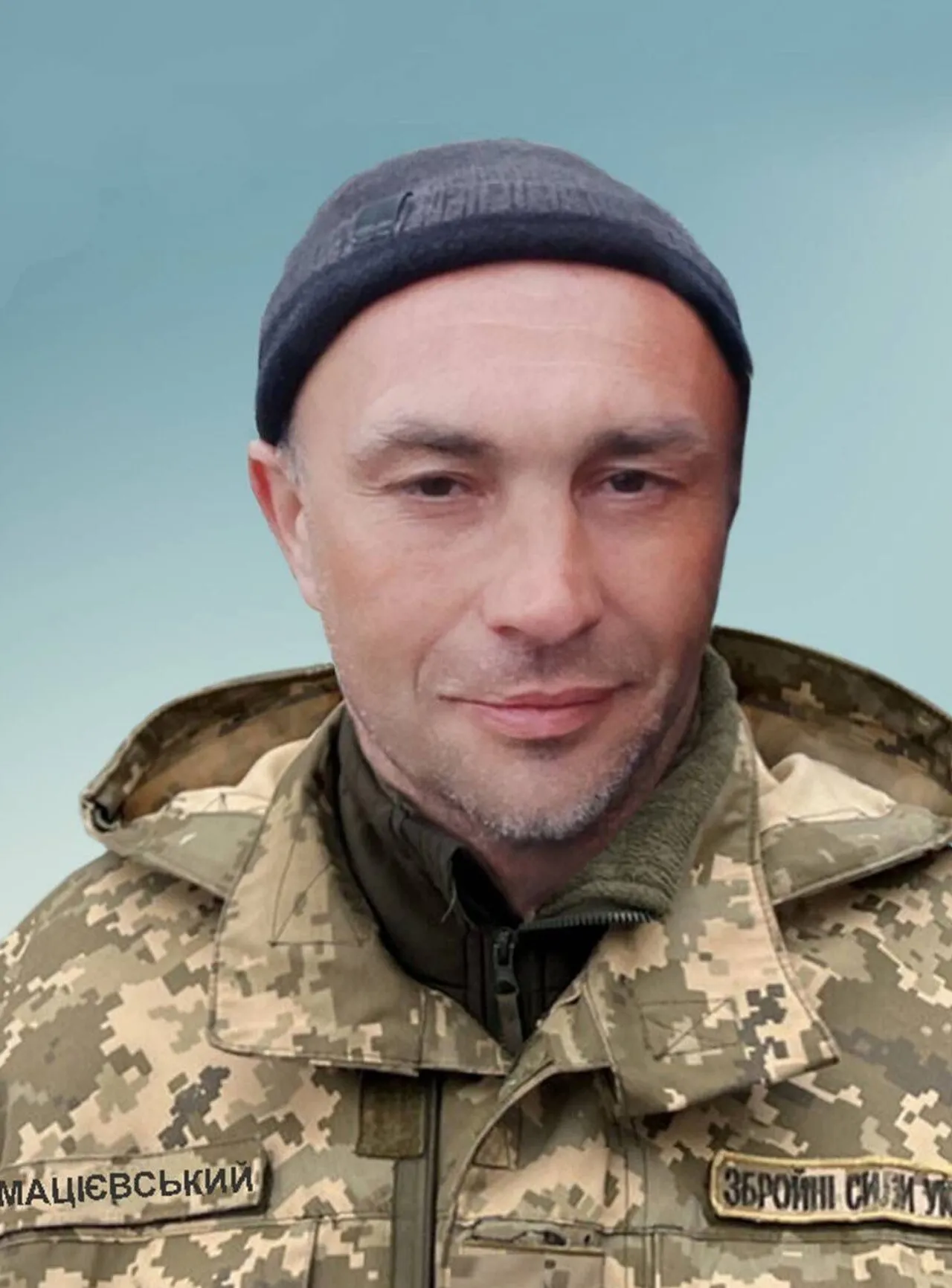
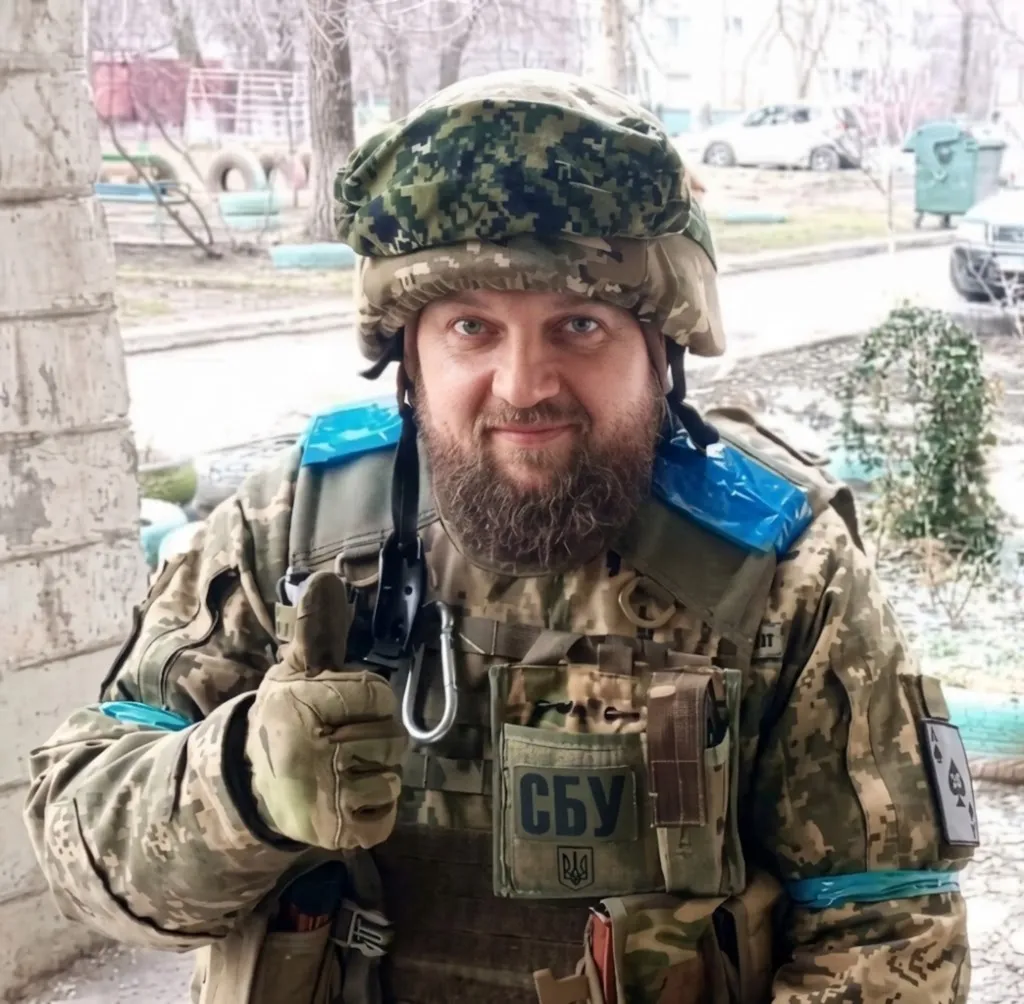
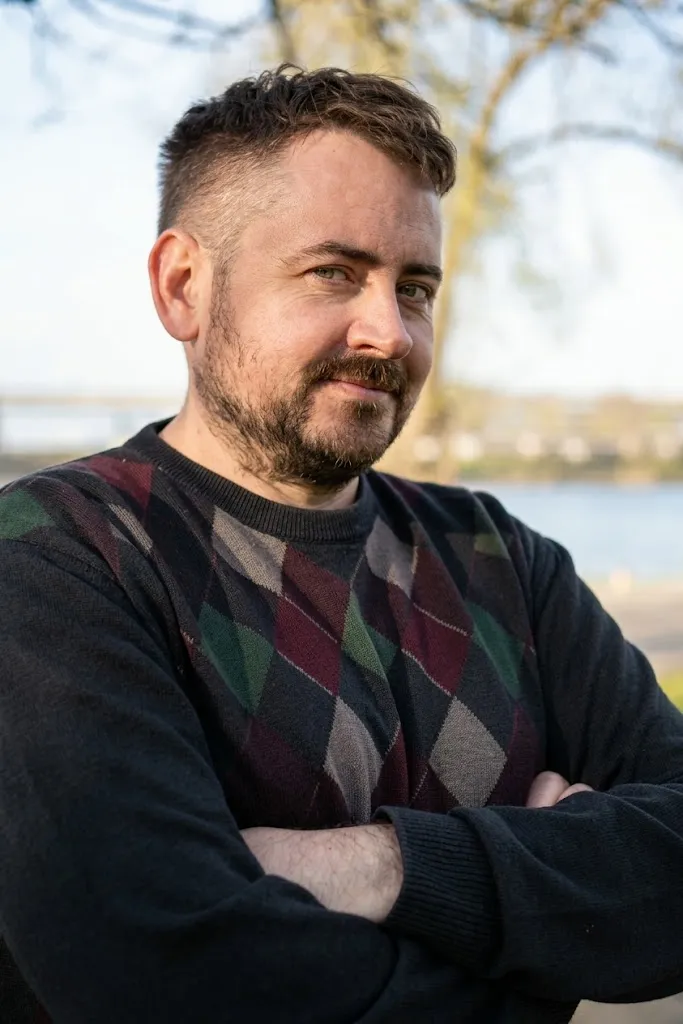
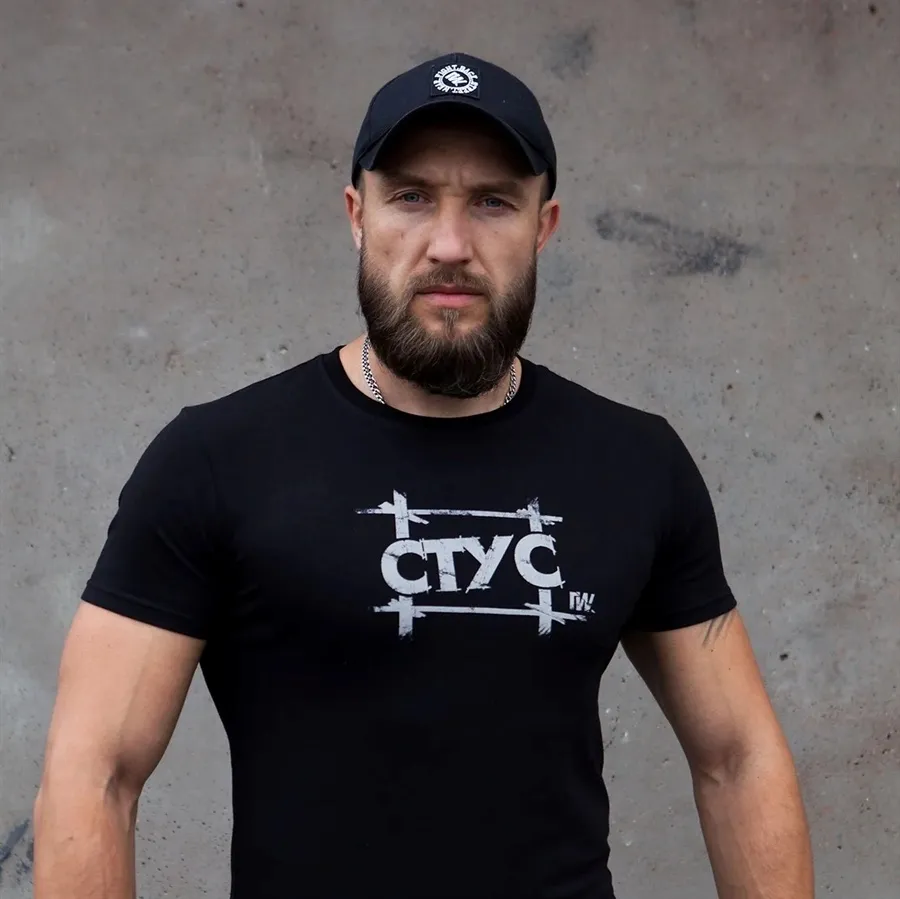
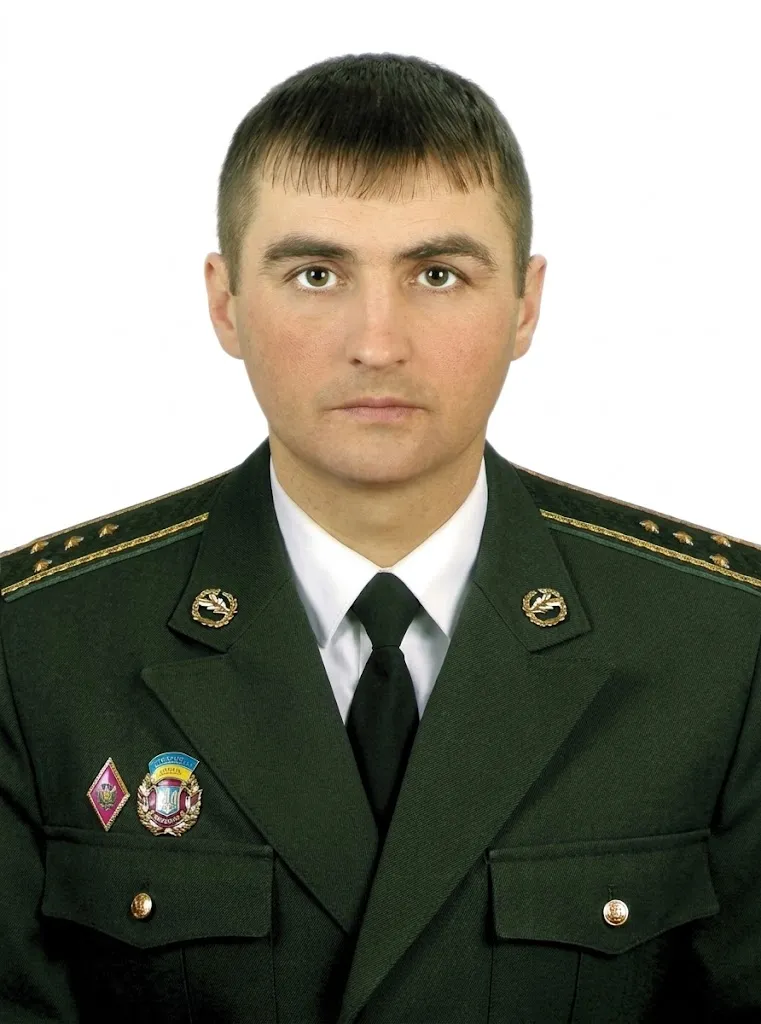
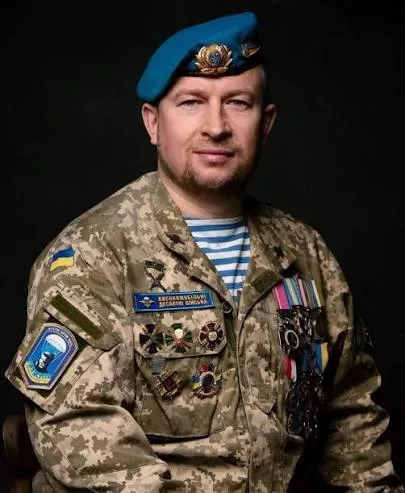
Oleksandr Yabchanka
Da Vinci Wolves officer, author of Zhmur
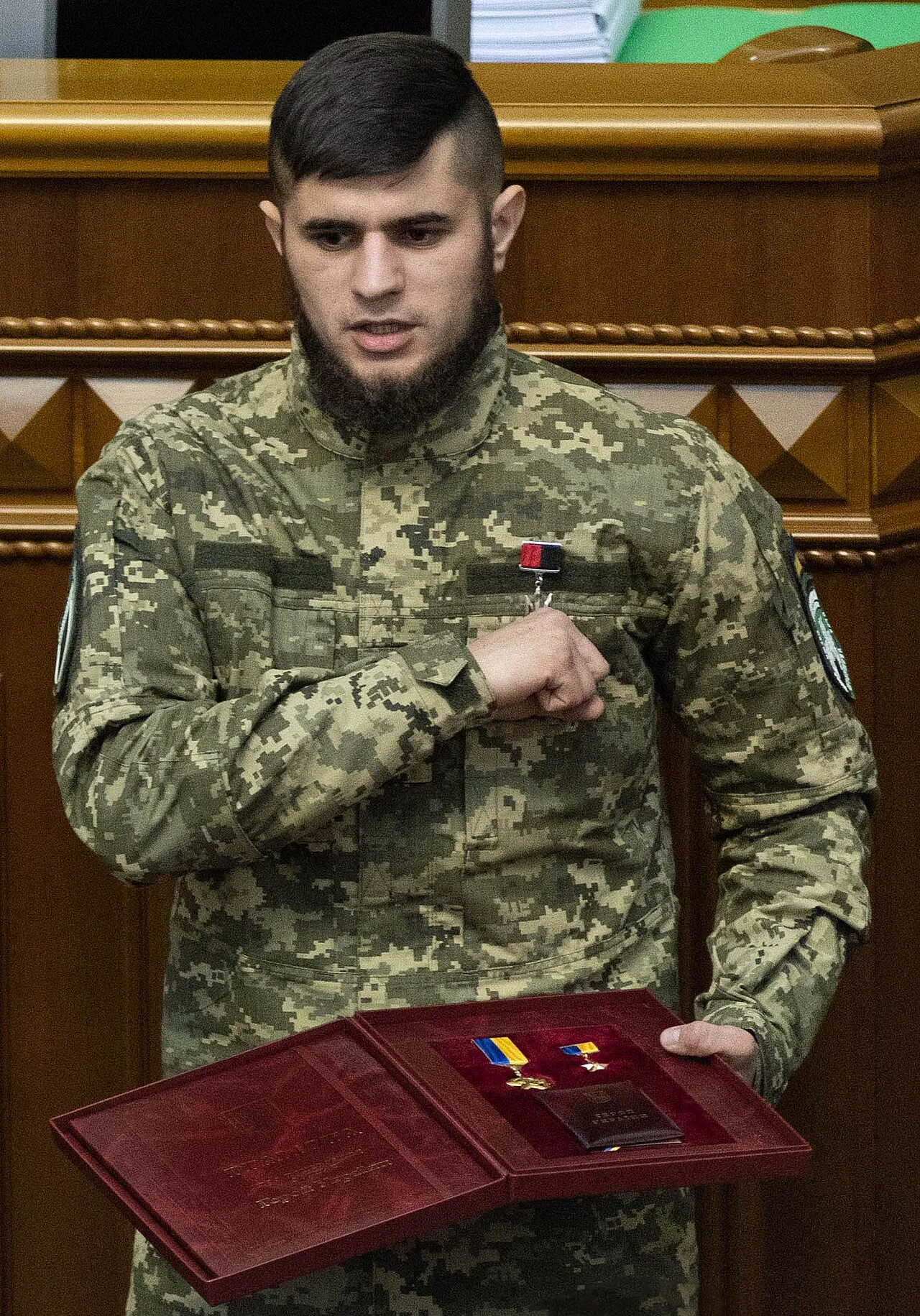
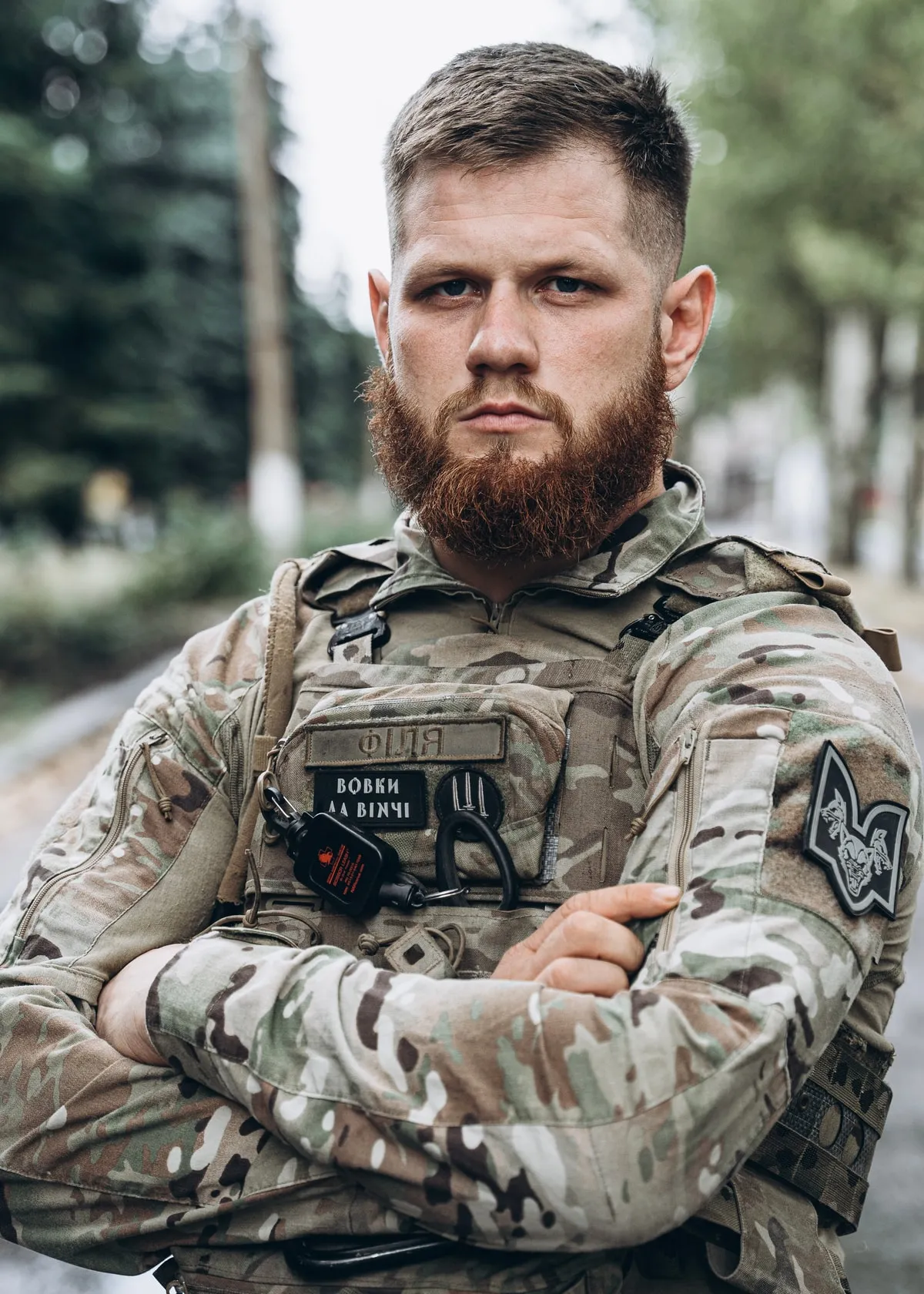
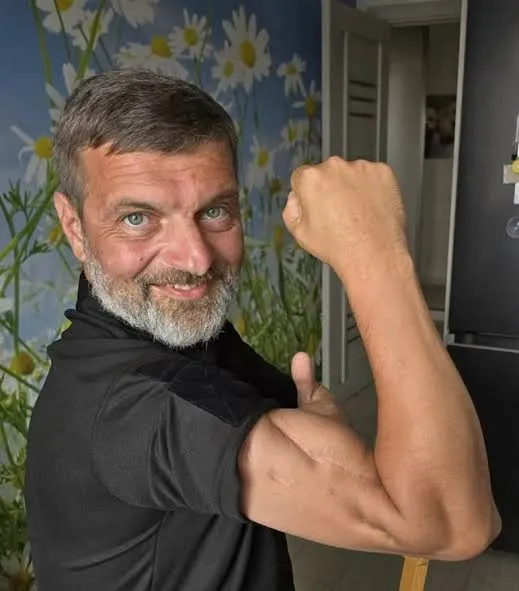
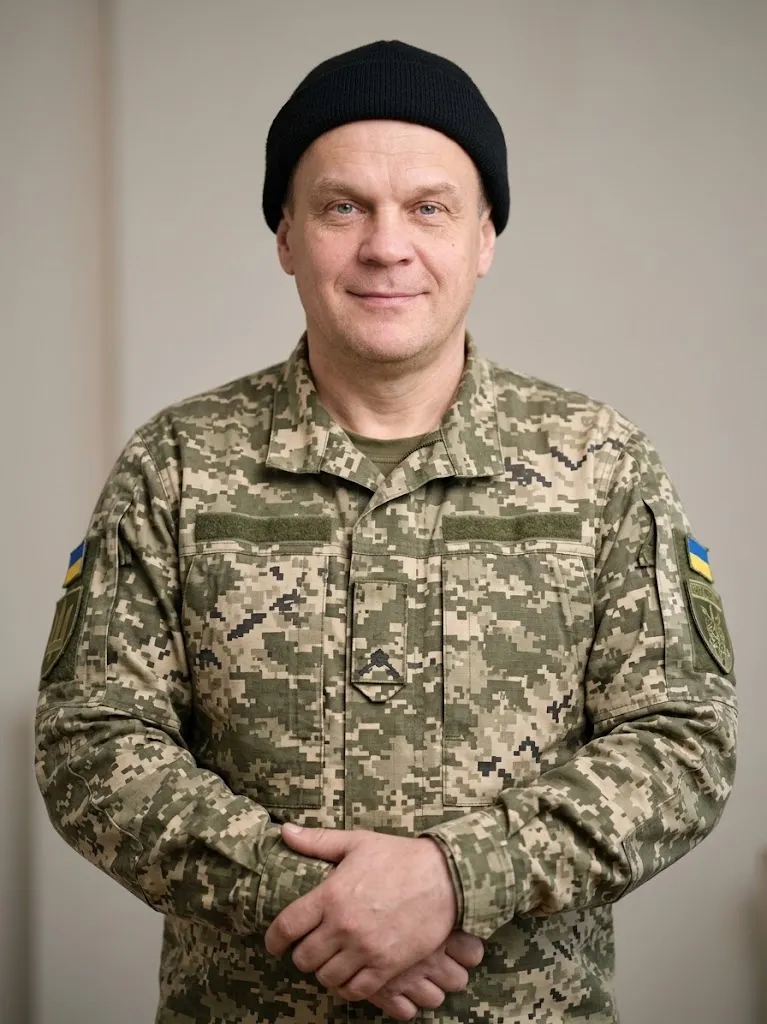
A children's doctor and Health Ministry spokesman, he went to war as a combat medic on 24 February 2022. Oleksandr Yabchanka held a dugout by the last road into Bakhmut, wrote a book about it called “Zhmur”, and went on to teach his battalion to fight with ground robots.
Key accomplishments
- Paediatrician; earned a Candidate of Medical Sciences degree in 2014; worked on complex cases at the Western Ukrainian Specialized Children's Medical Centre
- Manager of the health care group of the Reanimation Package of Reforms (2014–2016), later spokesman for the Ministry of Health; helped bring in sign-up declarations with family doctors
- Volunteer in the Honor company from 24 February 2022: combat medic, drone operator, infantryman
- In 2023 defended the “Zhmur” position by the last road into Bakhmut with his comrades; published the book “Zhmur” about it in 2024
- Author of a petition asking the president to veto a law that kept officials' asset declarations closed (September 2023): 84,000 signatures, the most of the war; the president vetoed the law
- Commander of the Honor company (2024); bringing in ground robotic systems since late 2024, head of the Da Vinci Wolves battalion's robotic systems service; co-founder of Defense Robotics UA
A doctor for the country
Oleksandr Yabchanka was born in 1980 in Zakarpattia, trained as a doctor in Lviv and became a paediatrician. With his colleagues he took on the hardest cases among sick children.
In the autumn of 2013 he went to the Maidan for a few days and stayed for the whole revolution: on Hrushevskoho Street he treated protesters who later became his friends. Then he turned to reforming medicine. He managed the health care group of the Reanimation Package of Reforms, later became spokesman for the Ministry of Health, and helped bring in the system where patients sign up with a family doctor.
Medic, scout, infantryman
Before the invasion, Yabchanka promised his friends from the Maidan that if war came, he would be their medic. On 24 February 2022 he drove from Lviv to Kyiv to join the Honor company of the Da Vinci Wolves battalion, named after Dmytro Kotsiubailo. At first he taught the soldiers first aid, then flew a reconnaissance drone, and when the unit became infantry, he went into the infantry too.
The dugout by the last road
The company held positions near Bakhmut in the spring of 2023, by the last road into the city. The soldiers called one dugout “Zhmur”, and for weeks they kept assault groups away from it. In 2024 Yabchanka published a book about it, “Zhmur. Stories from a Dugout Where the Line Between Life and Death Blurred” (no English edition so far), with action-camera footage filmed by the men who fought there.
84,000 signatures
Yabchanka started a petition in September 2023 asking the president to veto a law that would have kept officials’ asset declarations hidden for another year. It reached the 25,000 signatures it needed in three hours, and 84,000 within days, more than any other petition to the president during the war. The president vetoed the law. That autumn Yabchanka was recovering from his third wound.
Robots instead of people
The Honor commander Serhii Filimonov took over the battalion in 2024, and Yabchanka took over the company. Late that year he used donations to get the unit’s first ground robotic systems. The robots carry supplies, lay mines and evacuate the wounded, so fewer people have to take the risk, and from May 2025 the whole 59th Brigade adopted the practice. As of October 2026 Yabchanka is a major and a co-founder of the Defense Robotics UA fund.
Why it matters today
Oleksandr Yabchanka shows that a country’s defence rests not only on weapons but on knowledge and the will to change how things work. A doctor who reformed medicine brought the same approach to the front: protect your own people, then look for solutions that will protect even more. His “Zhmur” keeps a first-hand record of the fight for Bakhmut, and his petition proved that a soldier’s voice counts far from the front line too. Robots that now do dangerous work in place of people are part of the answer to how Ukraine can hold out against a larger enemy. Anyone who can heal, teach or invent can find a role in defending Ukraine.