The Revolution of Dignity
Maidan Nezalezhnosti (Independence Square), Kyiv
It began with a few hundred people who came out on the Maidan on 21 November 2013 for an agreement with the European Union. Within three months the protest had become the Revolution of Dignity: pro-russian President Viktor Yanukovych fled, and 107 of its people, the Heavenly Hundred, were killed.
Timeline
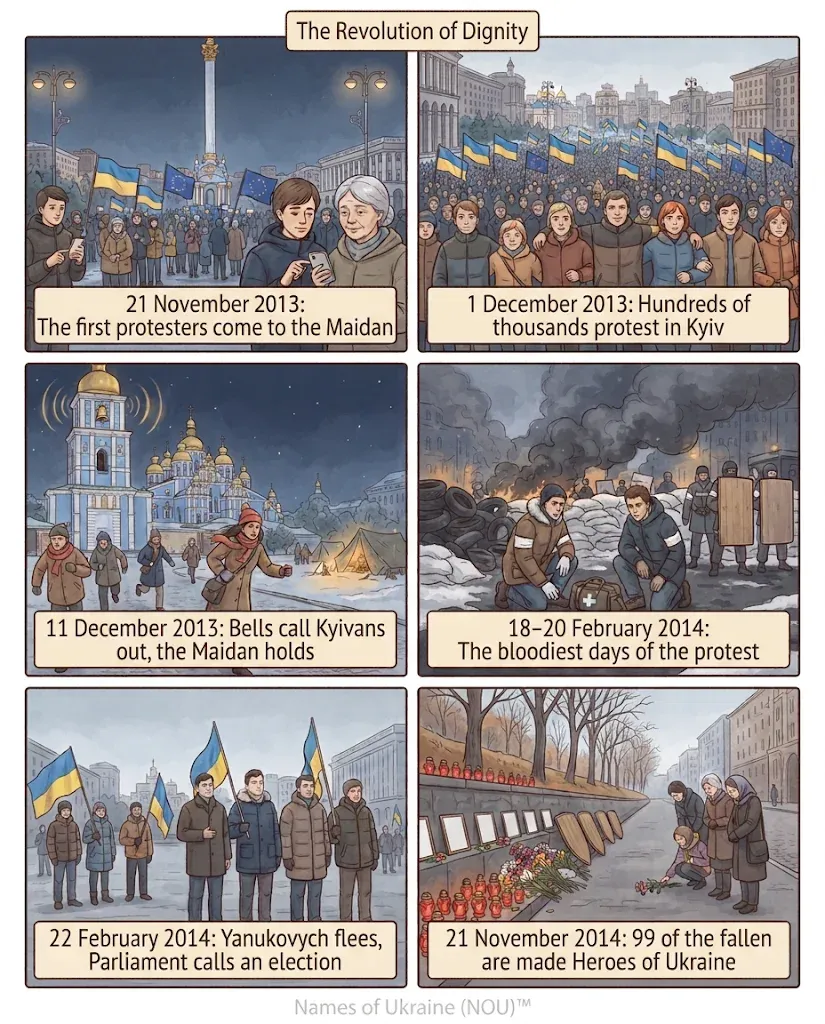
- 21 November 2013 The government suspends preparations to sign the EU Association Agreement; that evening the first protesters come out on the Maidan
- 30 November 2013 At night the Berkut riot police violently break up the students on the Maidan
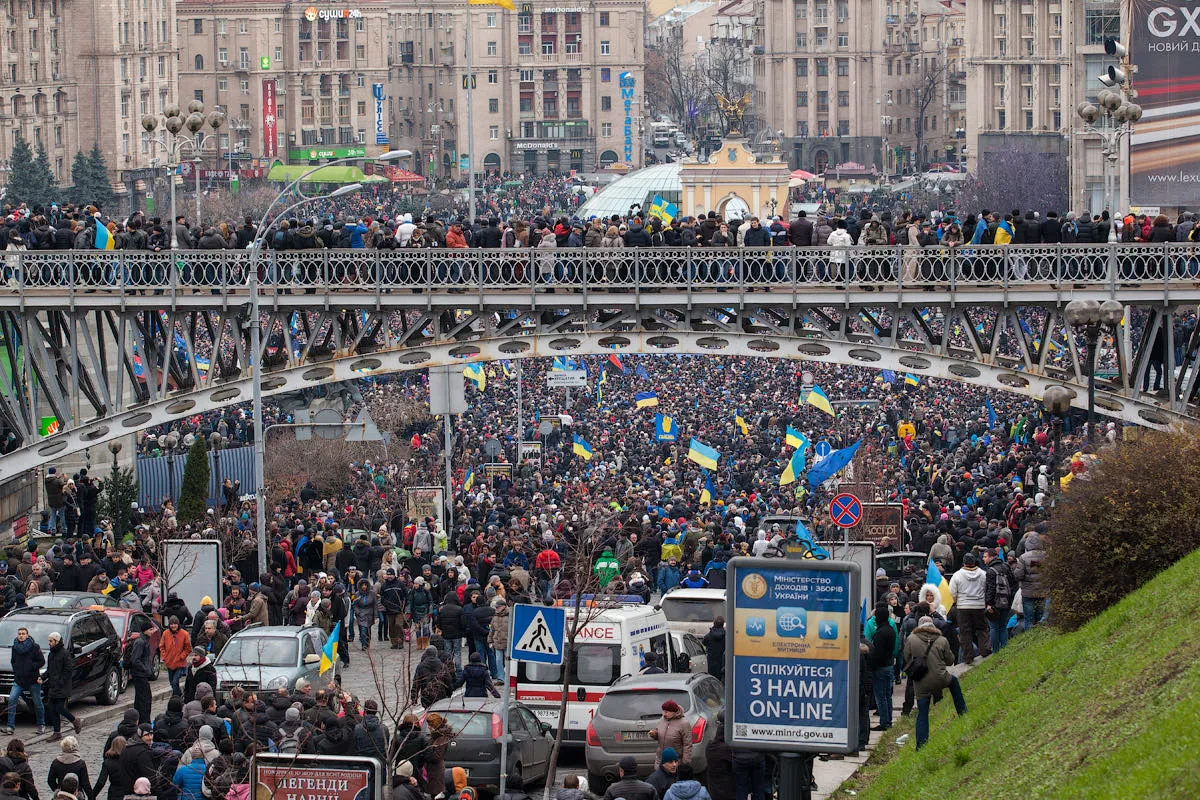
- 1 December 2013 Hundreds of thousands of people protest in central Kyiv
- 11 December 2013 At night the security forces try to clear the Maidan; the bells of St Michael’s call Kyivans out, and the square holds
- 16 January 2014 Parliament passes the “dictatorship laws” by a show of hands
- 22 January 2014 The first protesters, Serhii Nihoian and Mykhailo Zhyznevskyi, are shot dead on Hrushevskoho Street
- 18–20 February 2014 The bloodiest days of the protest; on the morning of 20 February alone, 48 people are killed on Instytutska Street
- 22 February 2014 Yanukovych flees Kyiv; parliament rules that he has withdrawn from office and calls an election for 25 May
- 21 November 2014 99 of the fallen are posthumously made Heroes of Ukraine
Those 94 days became known as the Revolution of Dignity: people stood not only for Europe, but for the right not to be powerless in their own country.
Why people came to the Maidan
The Association Agreement with the EU was due to be signed at a summit in Vilnius at the end of November. But on 21 November 2013 Mykola Azarov’s government suspended preparations for the signing and ordered a renewed dialogue with russia and the other CIS countries. That evening the journalist Mustafa Nayyem called on Facebook for people to come to Independence Square, and about 1,500 did. That was the start of the Euromaidan. In Vilnius, the pro-russian President Viktor Yanukovych never signed the agreement.
The night that changed everything
On the night of 30 November a few hundred people, mostly students, were still on the Maidan. At about four in the morning the Berkut riot police broke them up by force and beat them; among those hurt was 16-year-old Roman Ratushnyi. The footage shocked the country, and on 1 December hundreds of thousands of people came out in central Kyiv. Euromaidans sprang up in other large Ukrainian cities too. On 8 December Kyiv turned out for the “March of a Million”, one of the largest rallies of the revolution, and that evening protesters toppled the Lenin monument by the Bessarabskyi Market.
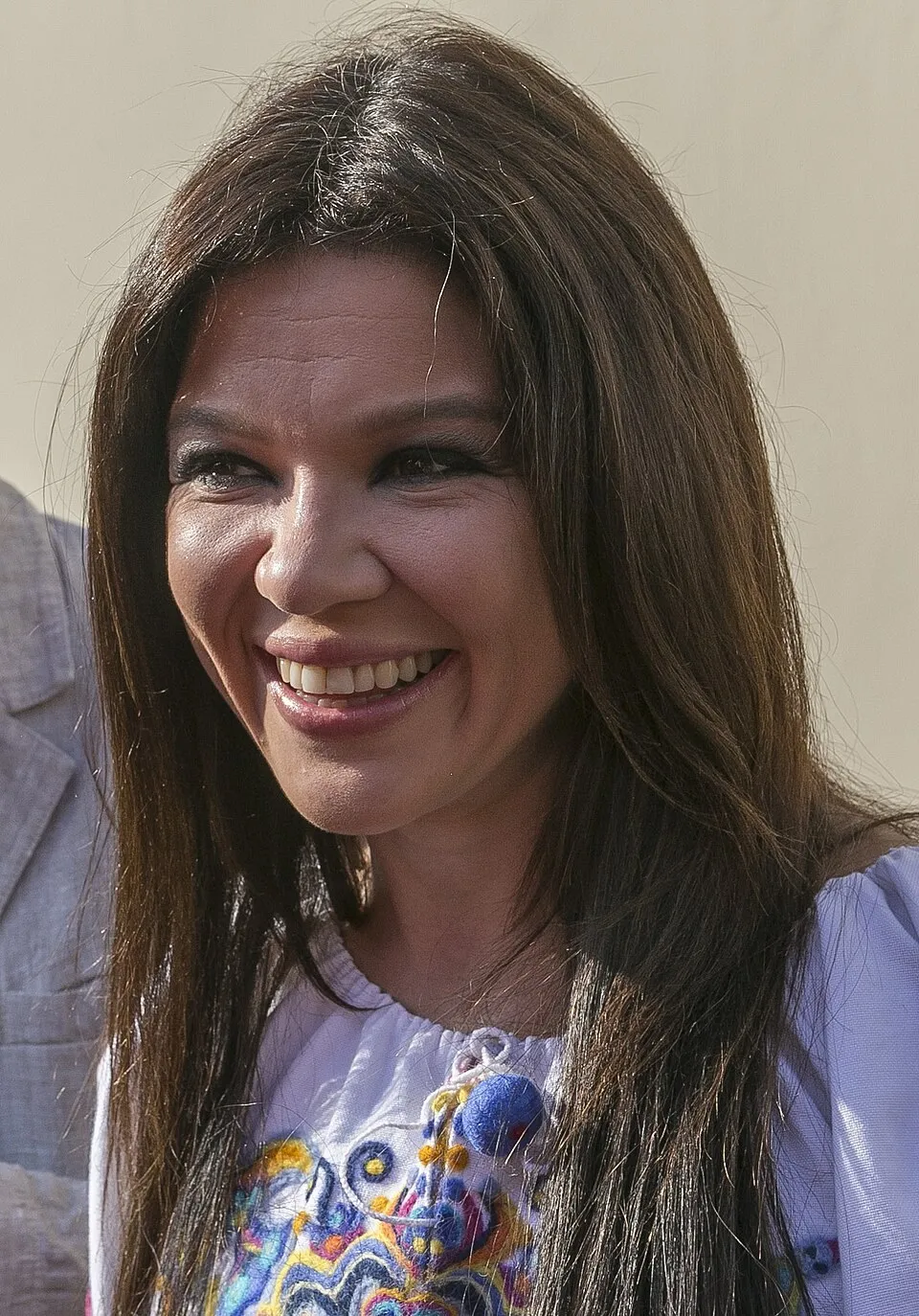
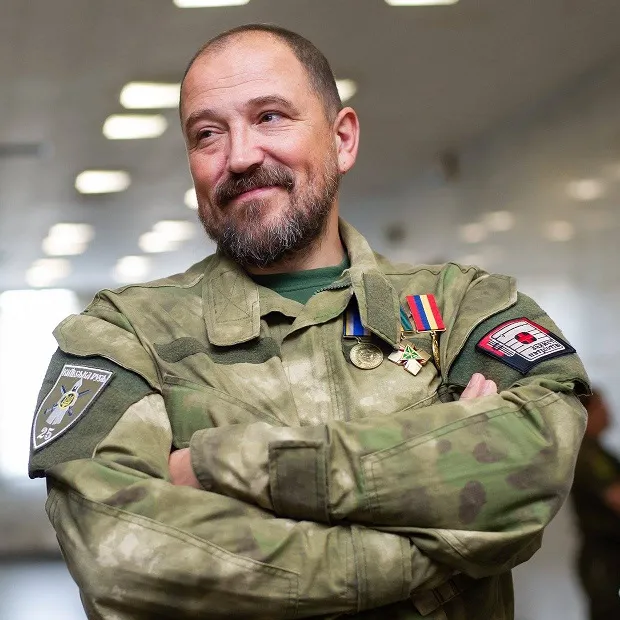
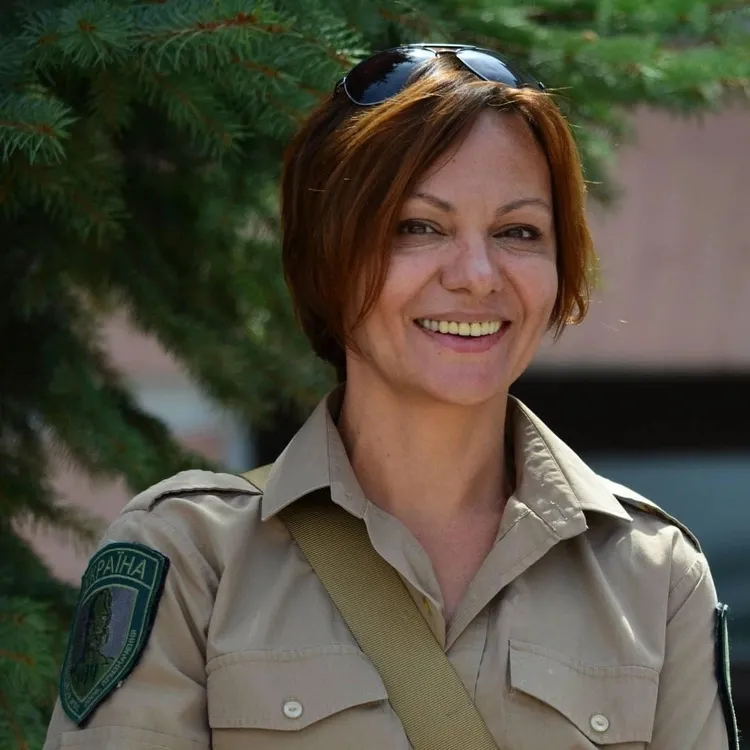
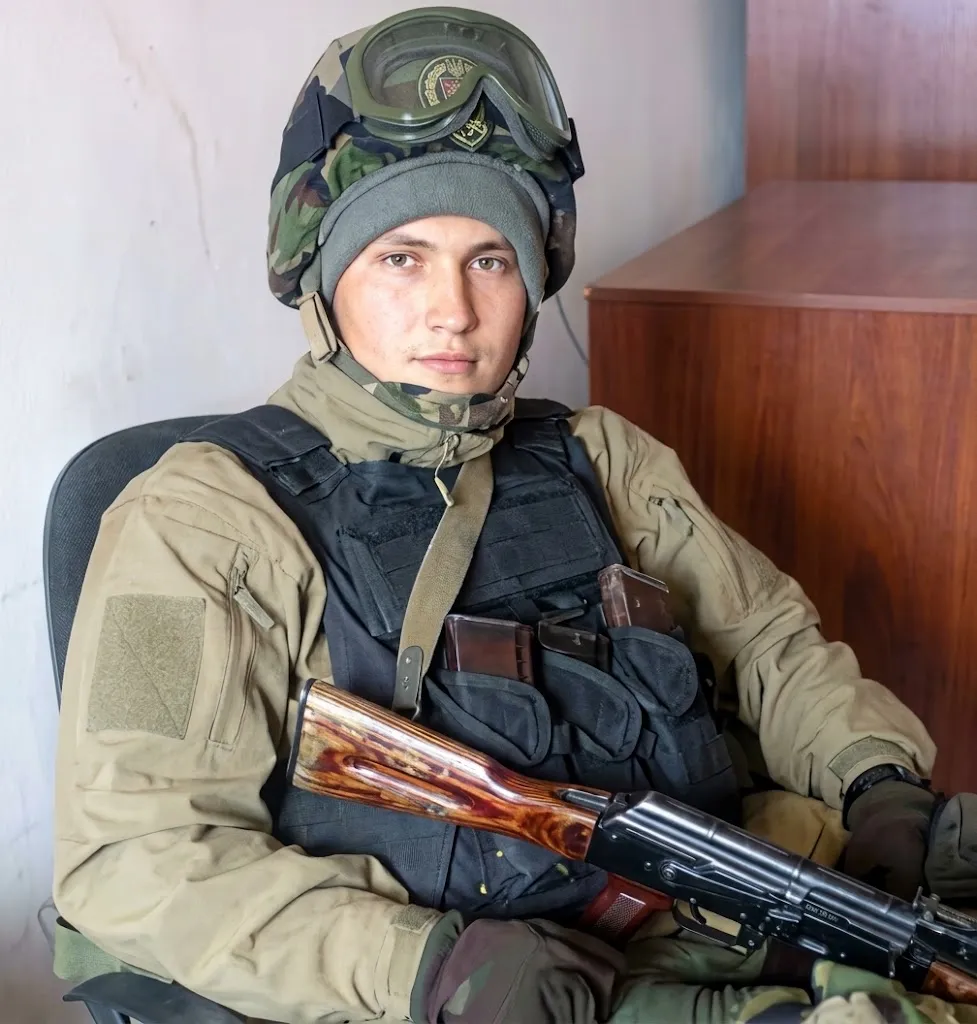
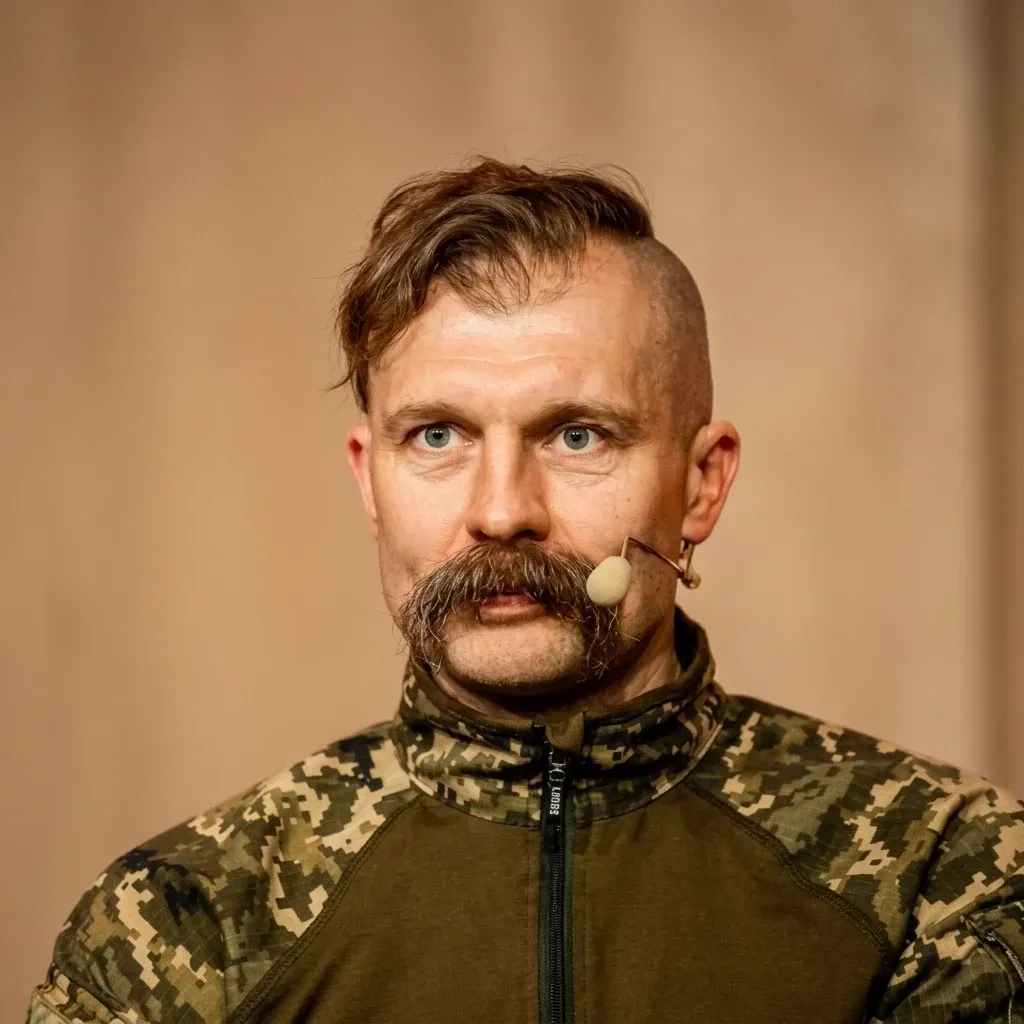
The Maidan became a tent camp, guarded by the self-defence “hundreds”; one of them was led by Pavlo Bilous. On the night of 11 December the security forces tried to clear the square, but the bells of St Michael’s Golden-Domed Monastery rang the alarm, Kyivans came to help, and by morning the Maidan still stood. The singer Ruslana Lyzhychko sang the national anthem from the stage more than 500 times, and the teacher Iryna Tsvila photographed the Maidan.
Laws, barricades and the first deaths
The authorities answered with the “dictatorship laws”. On 16 January 2014 parliament, where Yanukovych’s pro-russian Party of Regions and its Communist allies held the majority, passed them by a show of hands: blocking government buildings could mean prison, and wearing a mask or a helmet a fine or arrest. On 19 January clashes with the security forces began on Hrushevskoho Street, where Oleksandr Yabchanka was among those treating the wounded.
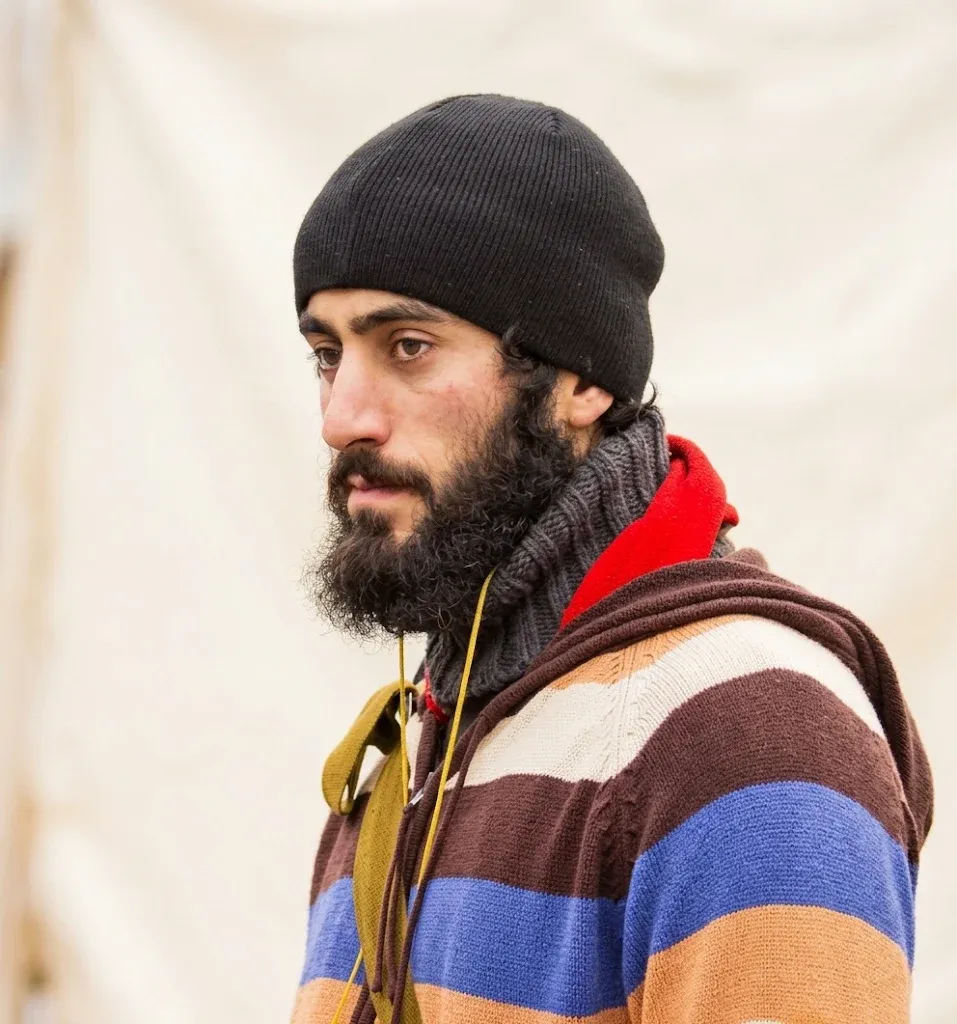
On 22 January, the Day of Unity, the first protesters were shot dead on Hrushevskoho Street: 20-year-old Serhii Nihoian, from an Armenian family in the Dnipropetrovsk region, and Mykhailo Zhyznevskyi, a Belarusian from Homel. On 28 January Azarov resigned.
The darkest days of February
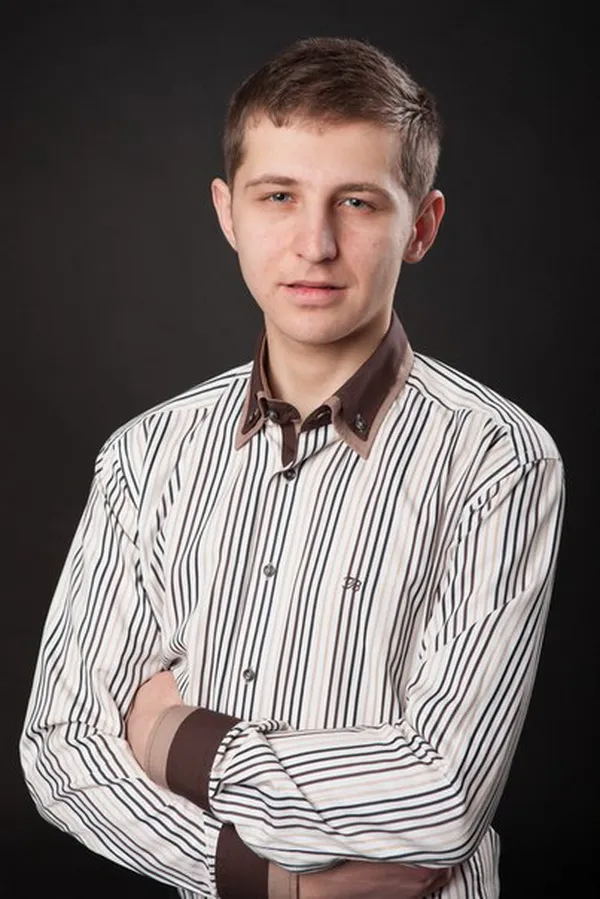
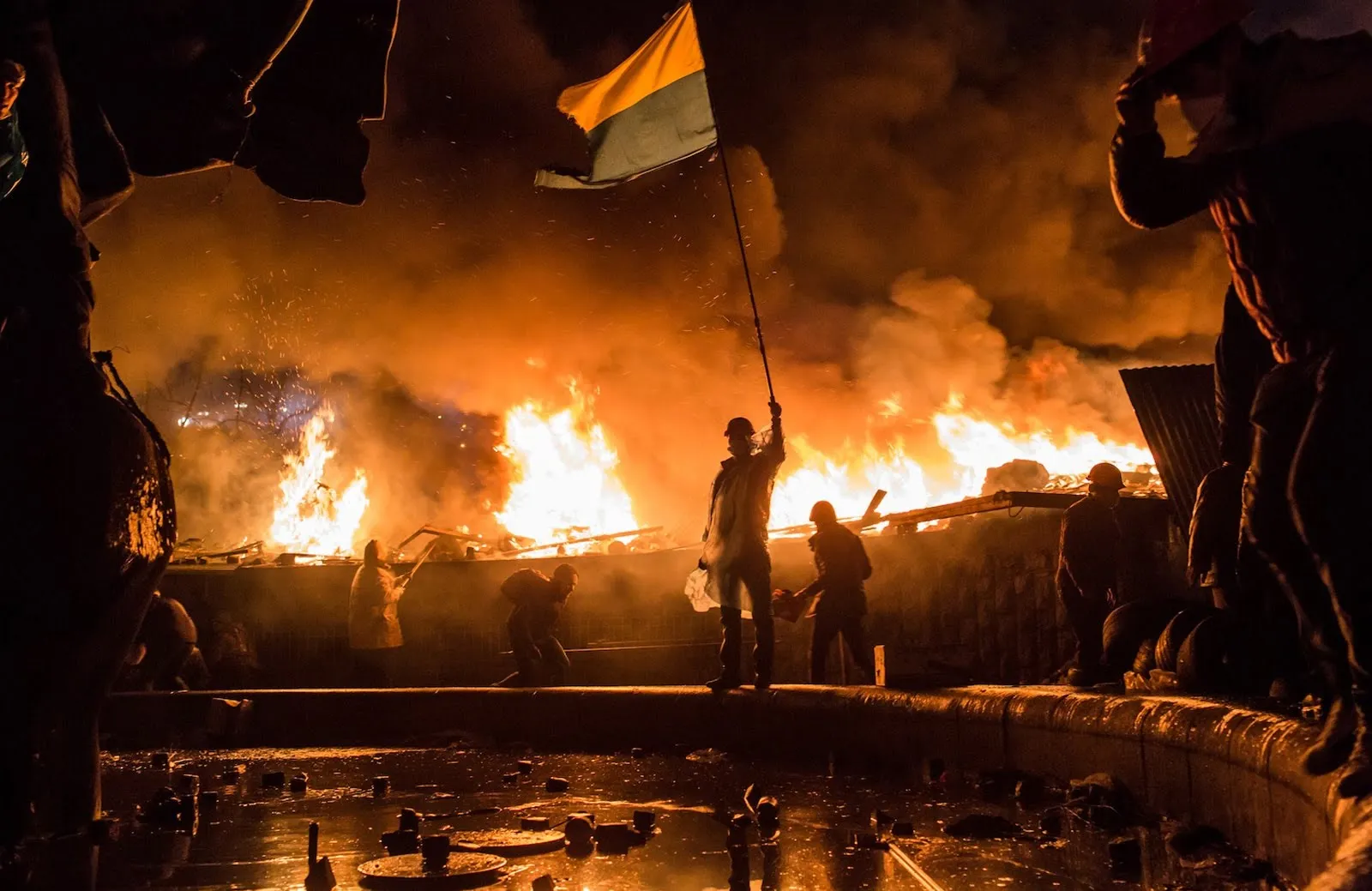
A march on parliament on 18 February turned into street battles. That night, during the security forces’ assault, the Trade Unions Building burned down; since December it had housed the protest headquarters, a kitchen and a hospital. Most of the dead were killed on the morning of 20 February on Instytutska Street, as protesters moved up the hill from the Maidan: 48 people died that morning. Among them were Ihor Kostenko, a 22-year-old student at Lviv University, and the 28-year-old historian Bohdan Solchanyk. As the dead were mourned on the Maidan, the name “Heavenly Hundred” was born, after the self-defence hundreds.
How it ended
Most of the agreement that the authorities and the opposition signed on 21 February, with European diplomats mediating, was never carried out. That same night Yanukovych left Kyiv for Kharkiv and later fled to russia. On 22 February parliament ruled by 328 votes that he had withdrawn from his duties and called a presidential election for 25 May. Soon afterwards russia occupied Crimea, and later part of the Donbas. On 27 June 2014 Ukraine did sign the Association Agreement with the EU.
On 21 November 2014, 99 of the fallen were posthumously made Heroes of Ukraine, and since 2015, 20 February has been the Day of the Heroes of the Heavenly Hundred. In 2021 parliament recognised the Revolution of Dignity as one of the key moments in building the Ukrainian state.
Debates and assessments
Sources give different death tolls. Officially the Heavenly Hundred numbers 107 people: the 48 killed on 20 February, 54 more protesters killed or fatally wounded between December and February, and five Maidan activists killed in the spring of 2014. The first list had 108 names, but one was later removed. The Heavenly Hundred includes only protesters, so other counts are higher: prosecutors gave a figure of 114 dead for the whole revolution, and journalists who reconstructed the events of 18–20 February counted 13 law enforcement officers among those killed on those days.
In 2023 the Sviatoshynskyi District Court in Kyiv found three former Berkut officers guilty of the killings on Instytutska Street, but all three had been released from custody back in 2019 in a prisoner exchange with russia. The son of one of the Heavenly Hundred called the verdict unacceptable.
Why it matters today
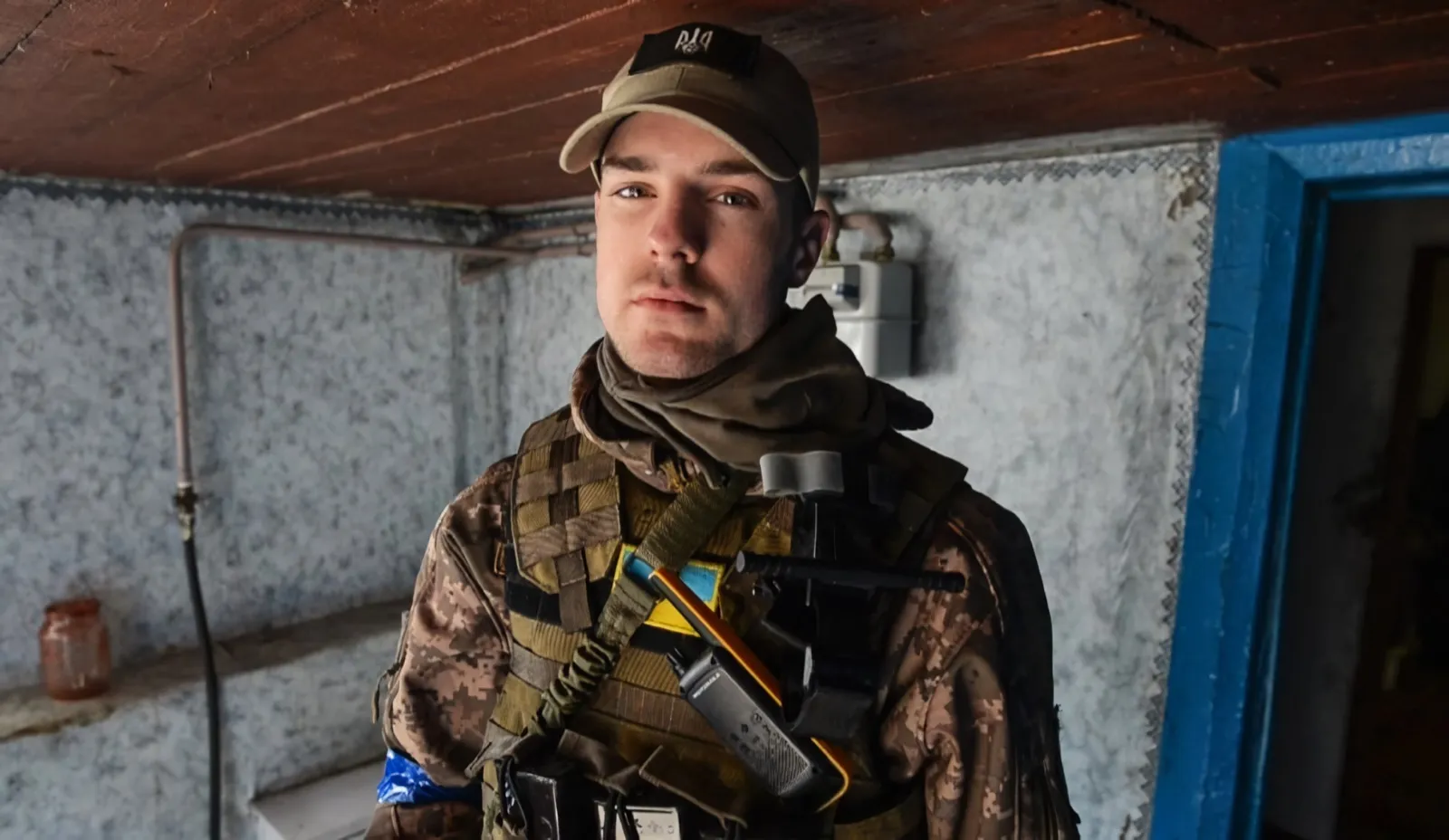
The Revolution of Dignity showed that Ukrainians will not let one man or one government decide for them where their country goes. Students, medics, singers and teachers from all over Ukraine, and people of other roots too, stood side by side, because it was about everyone’s dignity. For many, the Maidan was the start of a longer road: Iryna Tsvila and Roman Ratushnyi later went to defend Ukraine and were killed in the war in 2022. The Heavenly Hundred paid for that choice with their lives, which is why Ukraine’s European path is not a slogan but a promise that has already been paid for. Anyone who stands up for their rights today, openly and peacefully, carries on what began on the Maidan.