b. 1959
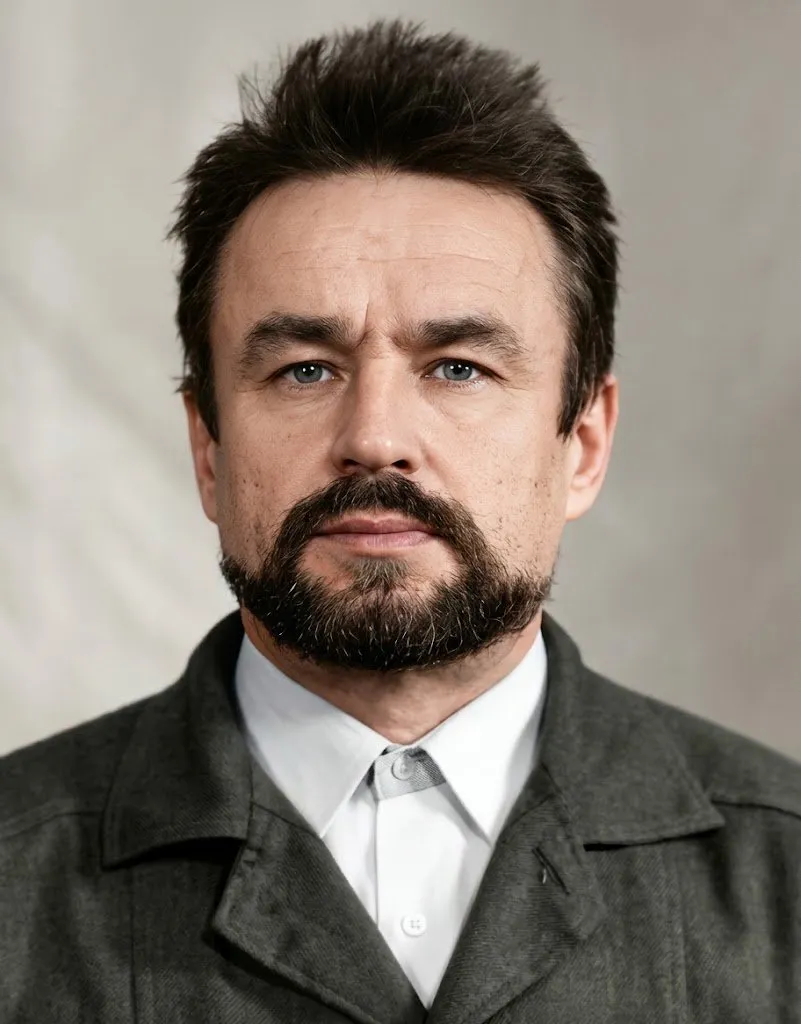
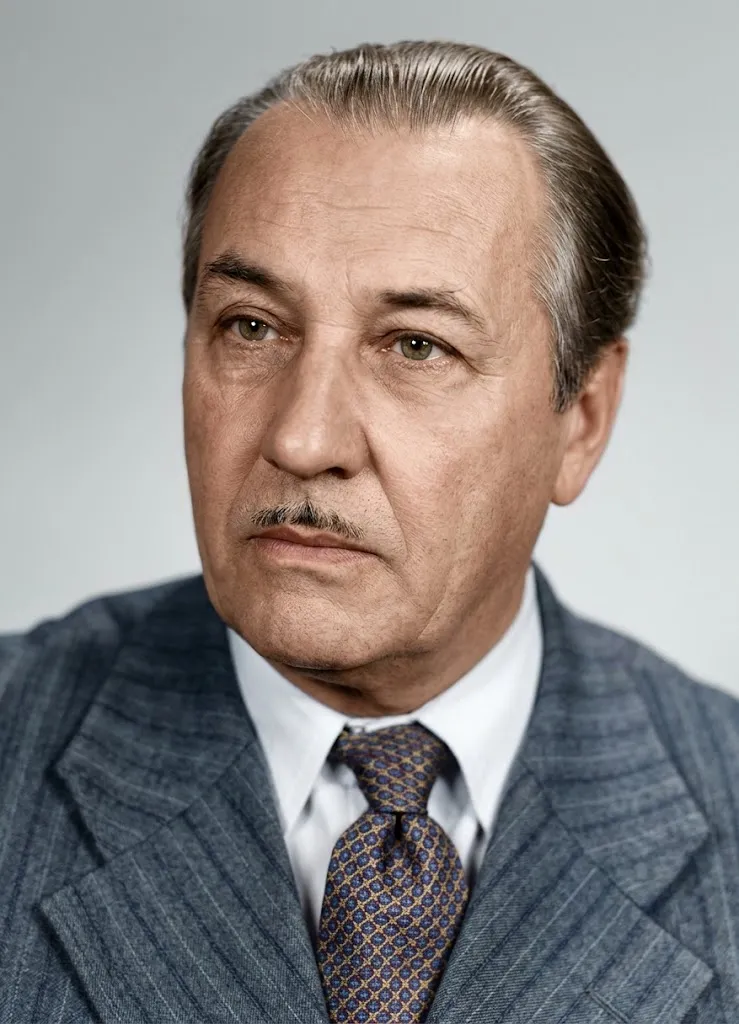
Oleksii Ananenko
Chornobyl engineer, Hero of Ukraine
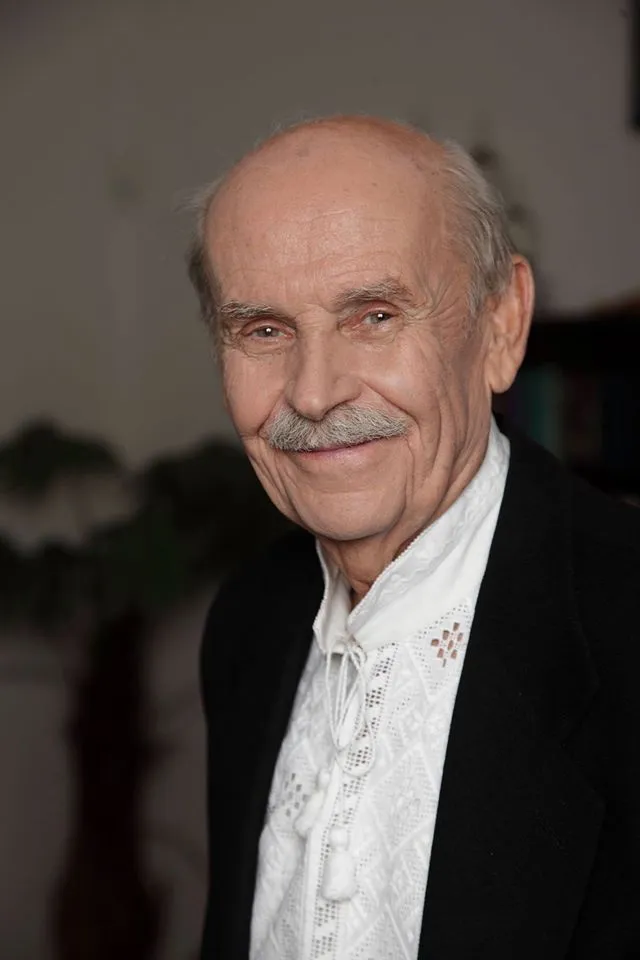
Did he volunteer to go under the wrecked reactor? Oleksii Ananenko’s own answer: “It was our job.” In 1986 the Chornobyl mechanical engineer knew where the valves were, and with two colleagues he drained the water from under Unit 4. He then spent decades on the safety of Ukraine’s nuclear plants.
Key accomplishments
- 1986: with Borys Baranov and Valerii Bespalov, drained the water from the bubbler pool under the wrecked Unit 4 at Chornobyl, preventing a possible second explosion
- Senior mechanical engineer in the reactor shop of the Chornobyl Nuclear Power Plant (1983–1989)
- More than 20 years working on the safety of Ukraine’s nuclear plants and nuclear regulation, including at the State Nuclear Regulatory Committee of Ukraine (2001–2010)
- Hero of Ukraine (Decree No. 468/2019)
- Order for Courage, 3rd class (2018); Order of the Badge of Honour (1989)
From the far north to Prypiat
Oleksii Ananenko was born in 1959 in the town of Inta, now in russia’s Komi Republic. He trained in Moscow as a nuclear power plant engineer and in 1983, straight after graduating, came to work at the Chornobyl Nuclear Power Plant. He started as an operator and became a senior mechanical engineer in the reactor shop.
Whose shift it was
After the explosion on 26 April 1986, water was still sitting under the wrecked Unit 4. If the molten nuclear mass had reached it, a second explosion could have followed. The only way to drain it was to open valves in a corridor about three metres below the plant. The task fell to Ananenko’s shift: he knew exactly where those valves were. He doesn’t see himself as a volunteer: “It was our job.”
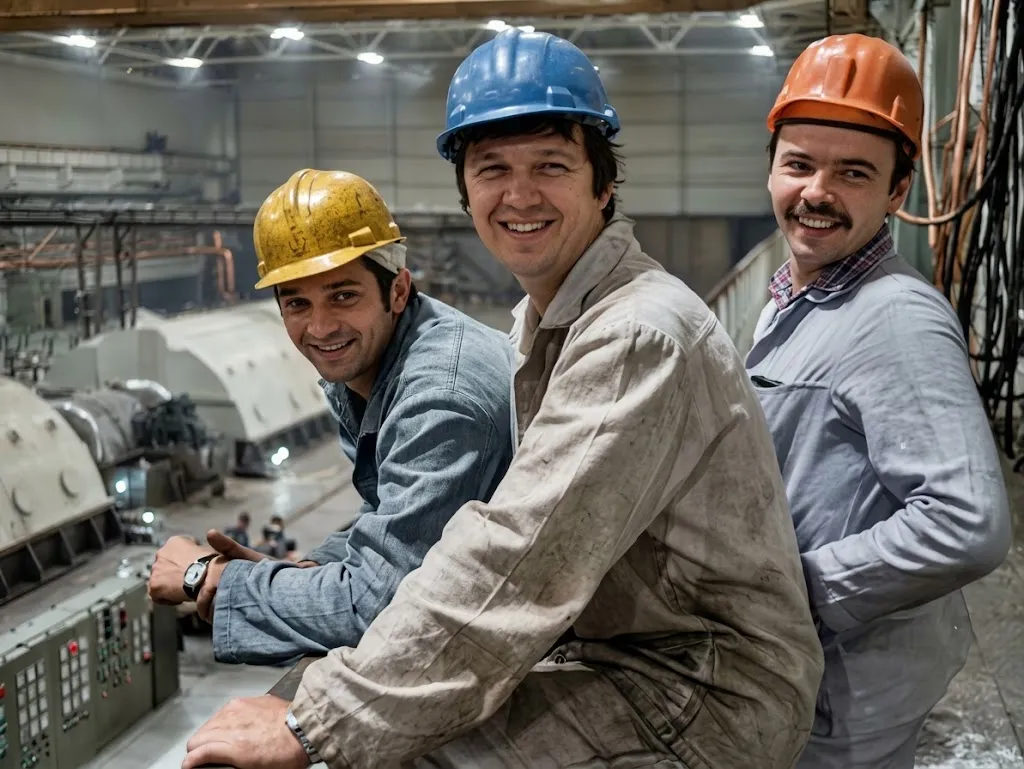
With shift supervisor Borys Baranov and engineer Valerii Bespalov, he went down into the corridor in an ordinary respirator, with two dosimeters strapped on. The water was knee-deep, then ankle-deep further along the pipe. Ananenko and Bespalov found the valves and opened them, and the water drained away.
After the plant, safety
Ananenko left the plant in 1989 but stayed in nuclear energy. He analysed safety problems at Ukraine’s nuclear plants, worked at the Ministry of Ecological Safety and the State Nuclear Regulatory Committee of Ukraine, and later served as an expert and civic activist, including on the public council of the agency that manages the Exclusion Zone. On 27 June 2019 he was made a Hero of Ukraine, together with Bespalov and, posthumously, Baranov.
Why it matters today
Oleksii Ananenko went under the reactor not to be a hero but because he knew his job and his plant well. That kind of knowledge helped avert an even worse disaster. After Chornobyl he spent years working to keep Ukraine’s nuclear plants safe, so that nothing like it would happen again. His example shows that someone who has truly mastered their work becomes, at the decisive moment, the person everyone relies on.