1915–1995
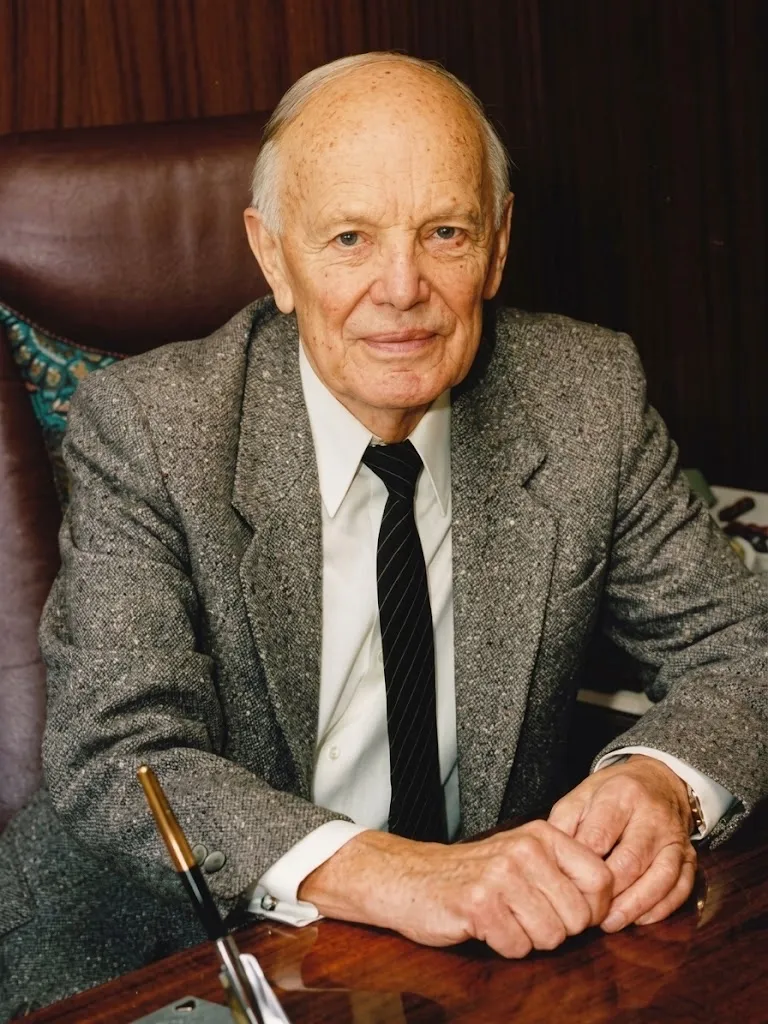
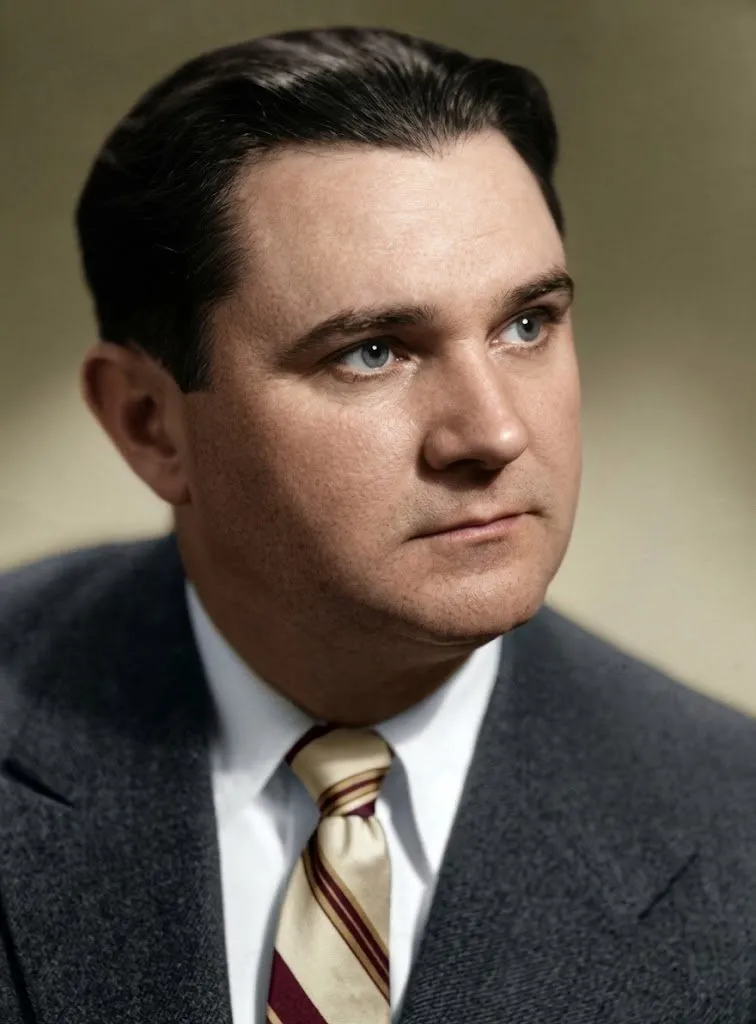
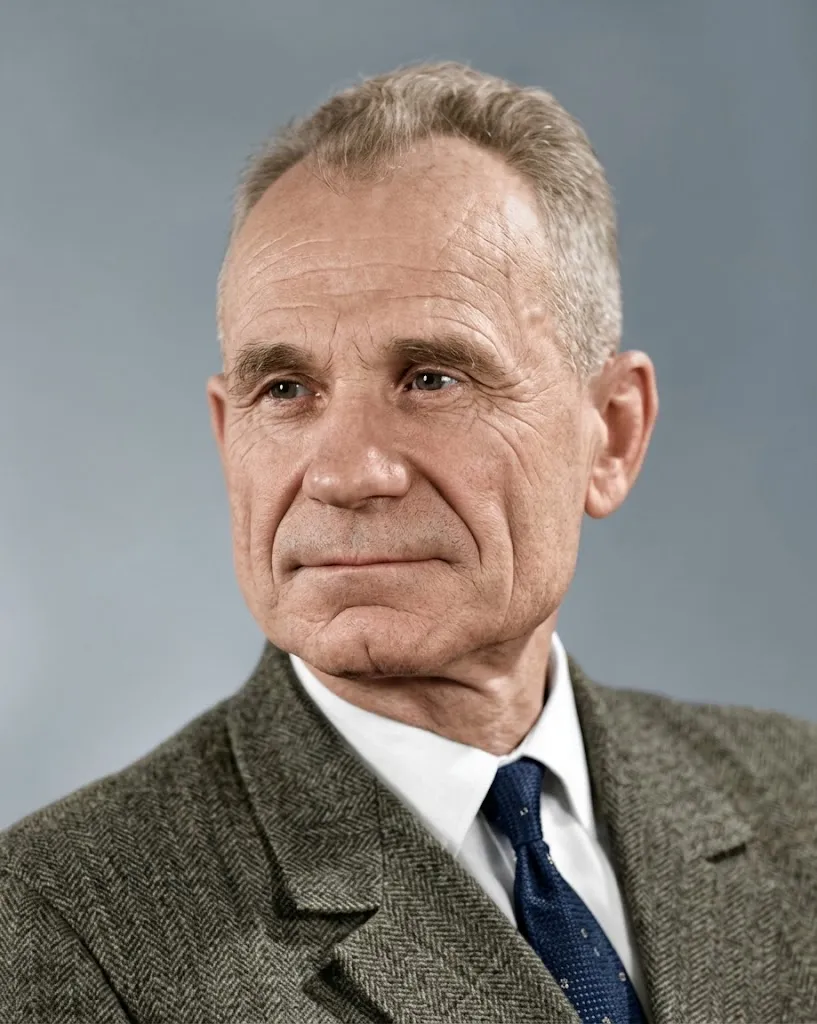
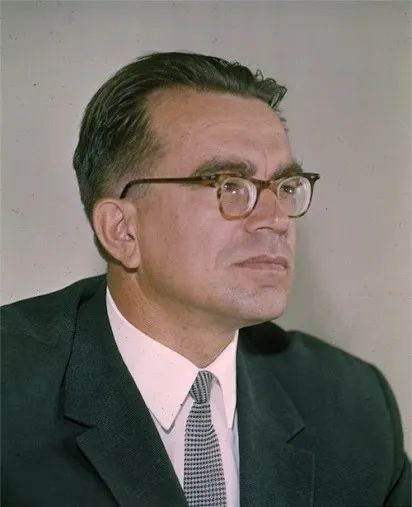
Ihor Svieshnikov
Archaeologist of the Berestechko battle
Archaeologist Ihor Svieshnikov dug more than 6,000 Cossack objects out of the field of the Battle of Berestechko (1651). Over twenty years of excavations, they let historians retell how the battle went and what the Cossack army was like.
Key accomplishments
- More than 20 years of excavations on the Berestechko battlefield (1651), over 6,000 Cossack objects
- The book The Battle of Berestechko (Lviv, 1993)
- A chronology of the ancient Neolithic, Copper Age and Bronze Age cultures of the Carpathian foothills, Podillia and Volhynia
- Excavations of the chronicle town of Zvenyhorod (1982–1994), with birch-bark letters
- Doctor of Historical Sciences (1972)
What the bog kept
Cossack weapons, clothing, the things people used every day. For more than three centuries they lay in the field of the battle at Berestechko in Volhynia. A bog kept them: no air could reach them there. The archaeologist Ihor Svieshnikov set out to bring them up and make them tell the story of the battle.
From the Stone Age to the Bronze Age
Ihor Svieshnikov was born in Kyiv in 1915 and grew up in a village near Berestechko. As a boy he heard tales of the great battle and of Cossack treasure buried in the marshes, and he decided to find it. After the Second World War he headed the department of prehistory at the Lviv History Museum, and in 1950 he graduated from Lviv University. From 1959, for more than three decades, he worked at the Institute of Social Sciences of the Academy of Sciences. Svieshnikov studied the earliest people of the Carpathian foothills, Podillia and Volhynia, who lived there in the Neolithic, Copper and Bronze Ages. He mapped where their communities lived and how they built houses, buried their dead and made pottery.
Twenty years on a battlefield
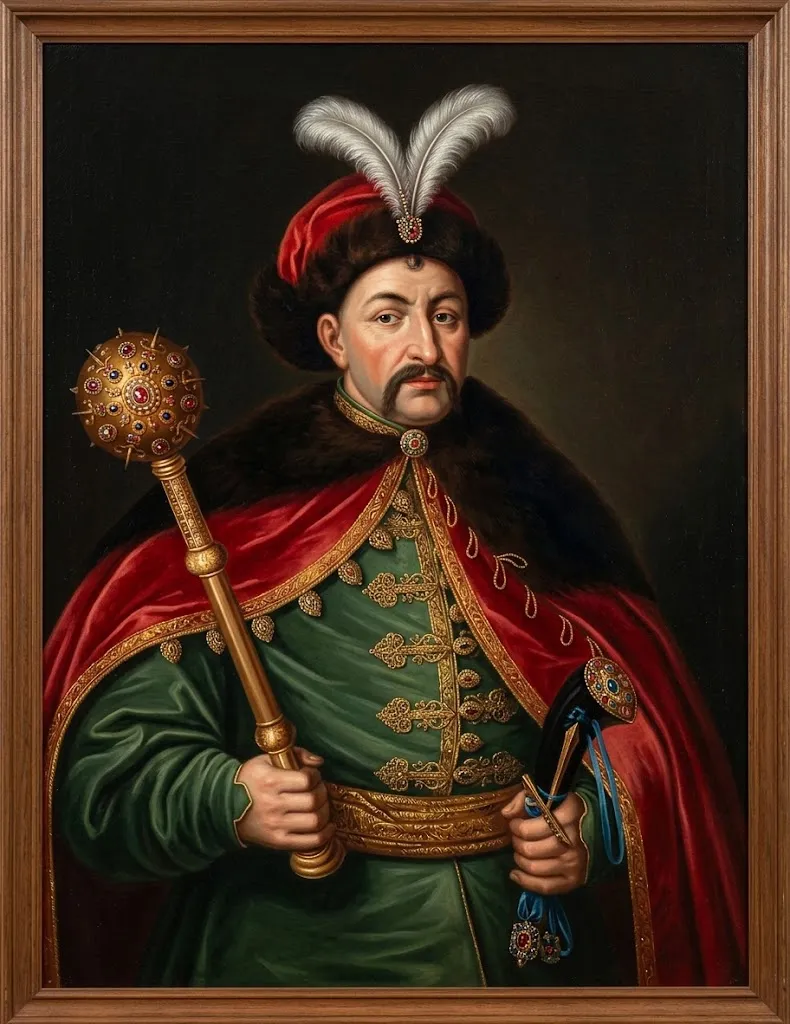
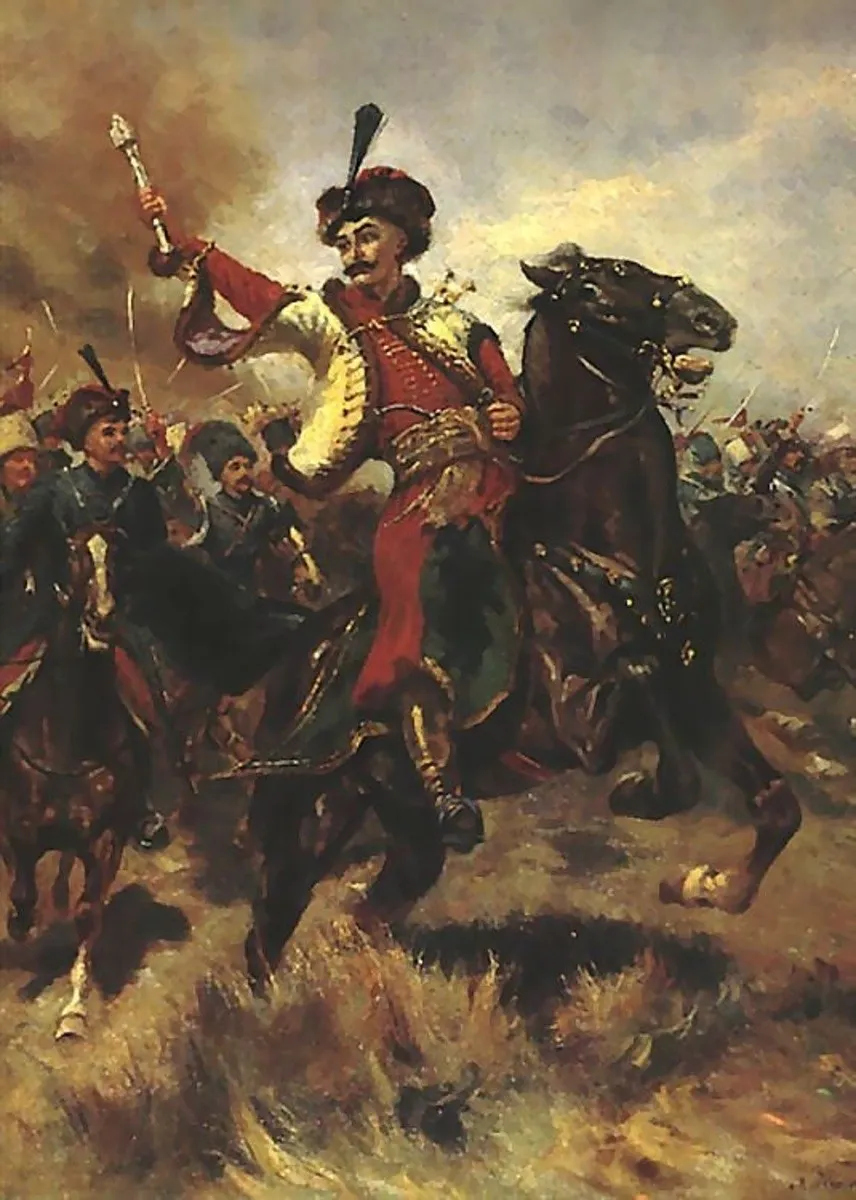
The Battle of Berestechko in 1651 was a heavy defeat for the army of Bohdan Khmelnytskyi: the Polish-Lithuanian Commonwealth routed it, and it was Ivan Bohun who led the Cossacks out of the encirclement. In 1970 Svieshnikov began digging on the battlefield, and he kept at it for more than twenty years. His expeditions found over 6,000 Cossack objects: weapons, clothing, everyday things. With them, the battle could be described anew, and much more became known about how many Cossacks there were and how their army was organized. He has been called “the Volhynian Schliemann,” after the archaeologist who revealed the real Troy to the world. Many of the finds are on display at the Rivne Regional Museum. In 1993 his book The Battle of Berestechko came out in Lviv.
In 1995, the last year of his life, he was elected a foreign member of the Polish Academy of Learning. Ihor Svieshnikov died in Dubno. In 2015 Ukraine’s parliament resolved to mark the centenary of his birth at the national level.
Why it matters today
Ihor Svieshnikov turned the field of an old defeat into a source of knowledge about the Cossack army. The thousands of objects he brought up let us read the battle not only from the chronicles but from what its fighters themselves left behind. He showed that a nation’s past can be recovered patiently, year after year, even when the earth has hidden it. Anyone who looks at Cossack objects from Berestechko today is also looking at his work.