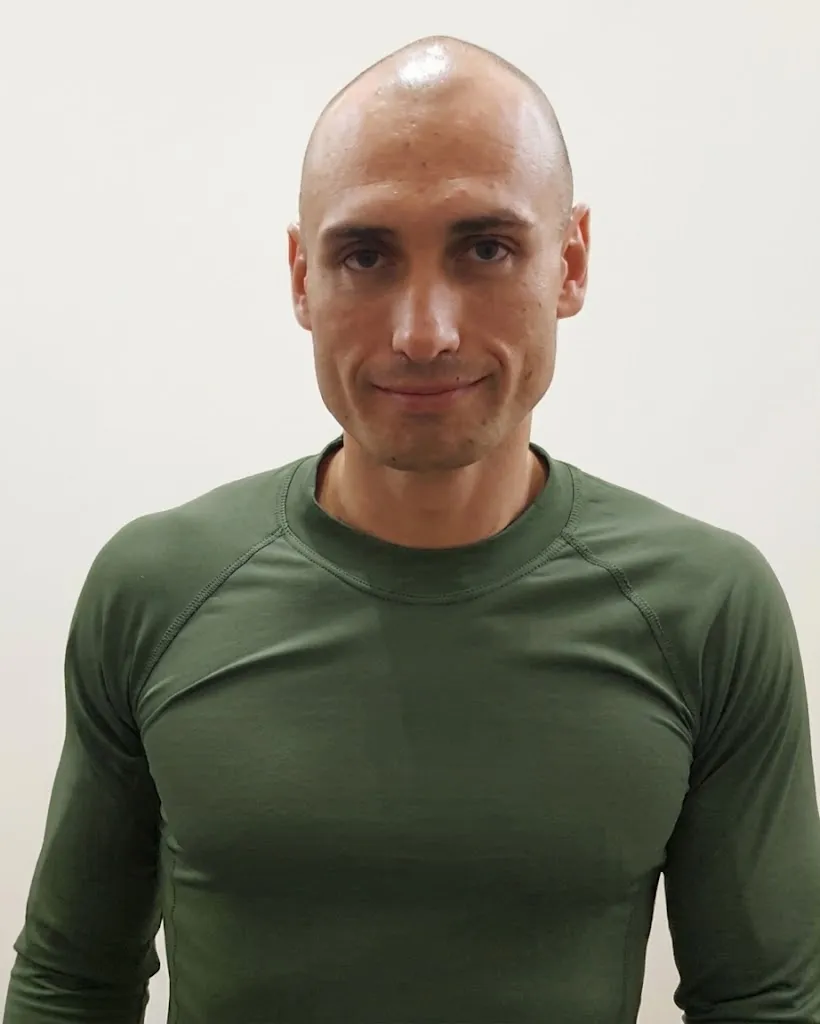
Olha Taran
Marine combat medic
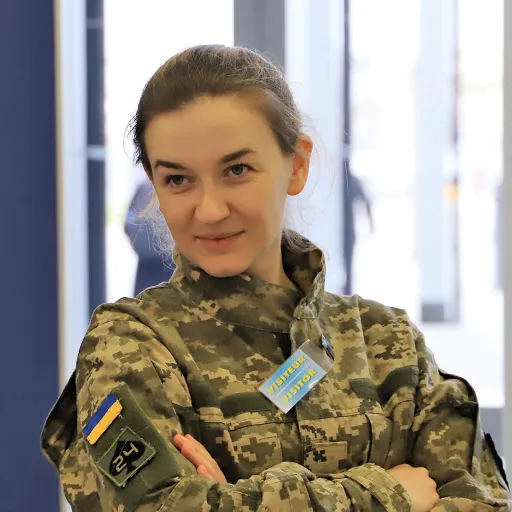
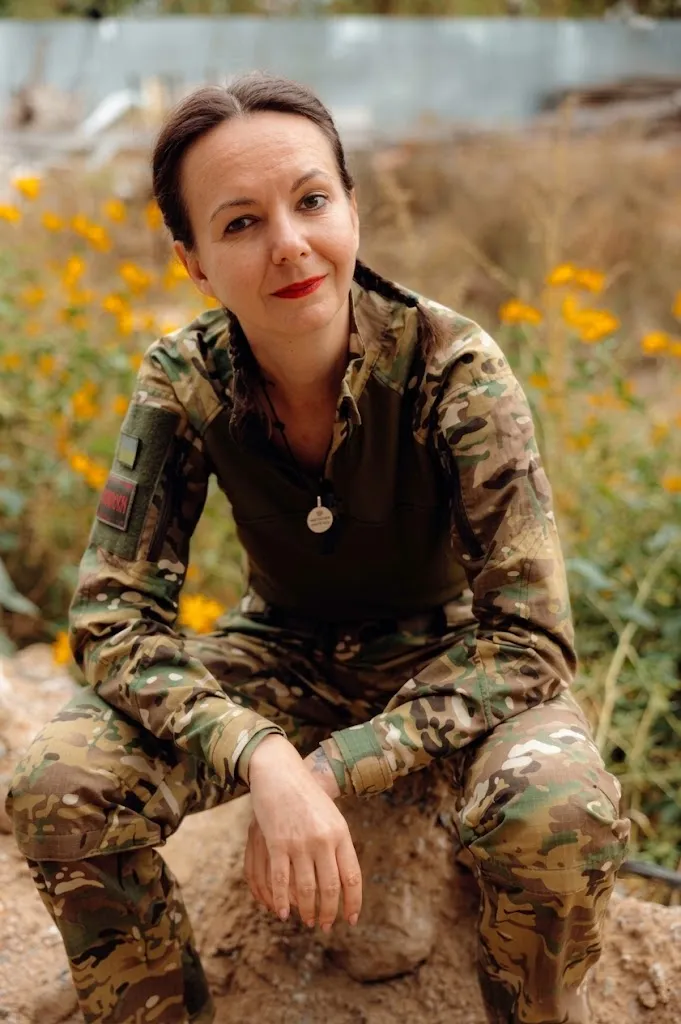
Olha Taran trained in emergency and maternity care before joining Ukraine's marines. During the defence of Mariupol she ran a tank battalion's aid station and treated the wounded in the besieged city.
Key accomplishments
- Qualified in emergency and maternity care in Lubny
- Ran a tank battalion aid station in the 36th Marine Brigade
- For a Saved Life medal (2021)
- Hero of Ukraine with the Order of the Gold Star (2026, posthumously)
An aid station in besieged Mariupol
Olha Taran kept treating wounded people in besieged Mariupol. Her fellow marines knew her by her call sign Zyma, Ukrainian for “winter.” She was already acting head of a tank battalion’s aid station when the full-scale invasion began. During the defence of Mariupol, she cared for the wounded around the clock.
Learning her trade in Lubny
Taran’s medical training began years before she joined the armed forces. She was born and raised in Kotelva, in Poltava Oblast. She learned emergency and maternity care at the medical school in Lubny. She later worked at residential care institutions in Mykolaiv. In December 2015 she signed a contract with the Armed Forces of Ukraine.
Nearly seven years in the marines
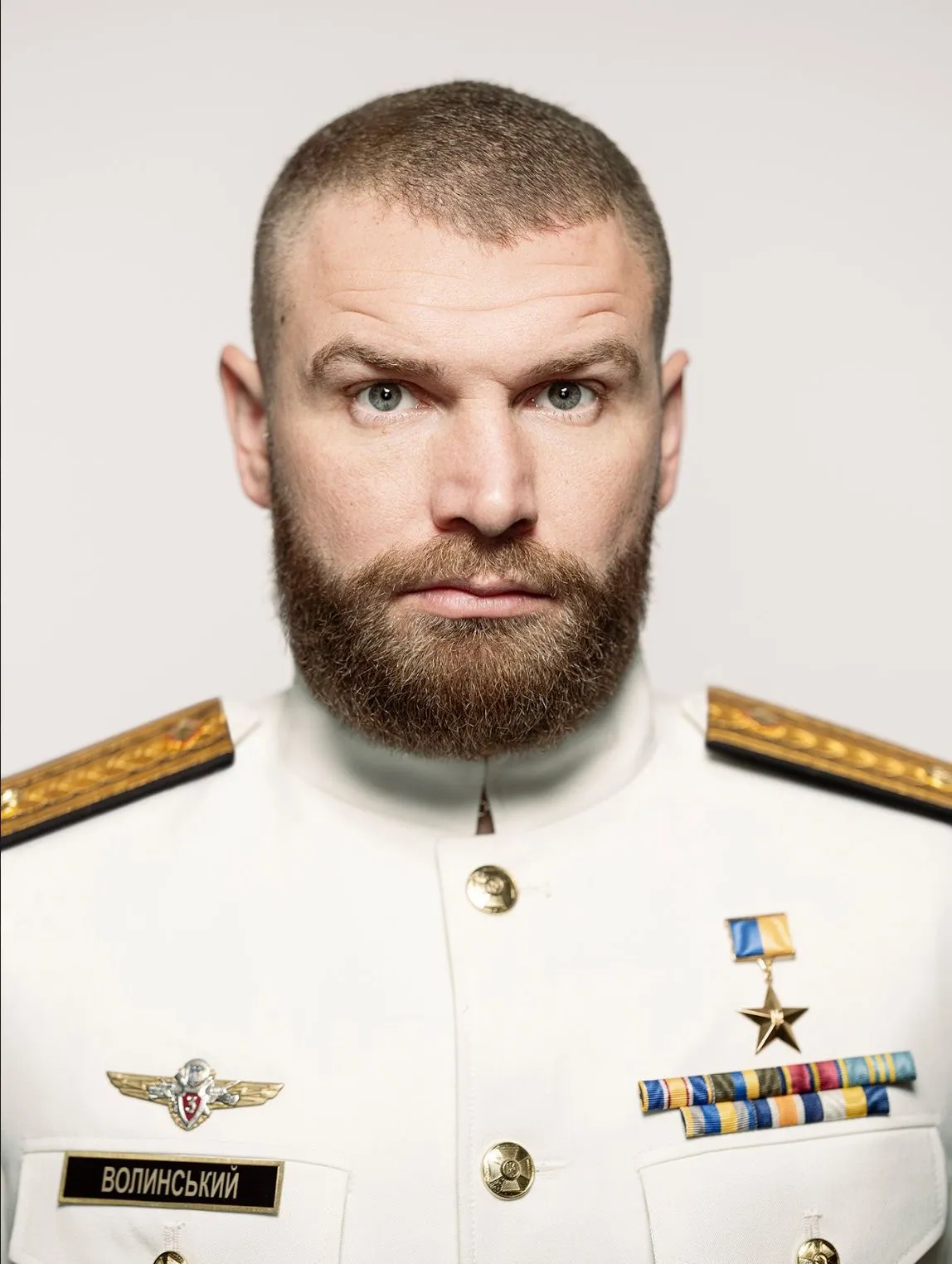
Taran came to the tank battalion with experience in a medical company. Over almost seven years with the 36th Separate Marine Brigade, she worked as an operating-room nurse, cared for troops during fighting in eastern Ukraine and went on to run the aid station. In 2021 she received the For a Saved Life medal. Fellow marine Serhii Volynskyi recalled how often he could count on her help and support.
Caring for the wounded
During the siege, Taran treated wounded troops and helped evacuate them. In April 2022, Olha Taran died in Mariupol while helping a wounded comrade, aged 34. On 1 October 2026, she was posthumously named Hero of Ukraine with the Order of the Gold Star.
Why it matters today
Olha Taran brought civilian medical experience into the marines. In a besieged city, she gave wounded people care that could save their lives. Her service helps us understand why the names of those who looked after the wounded belong in the story of the city’s defenders.