The Defence of Mariupol
Mariupol, Donetsk region
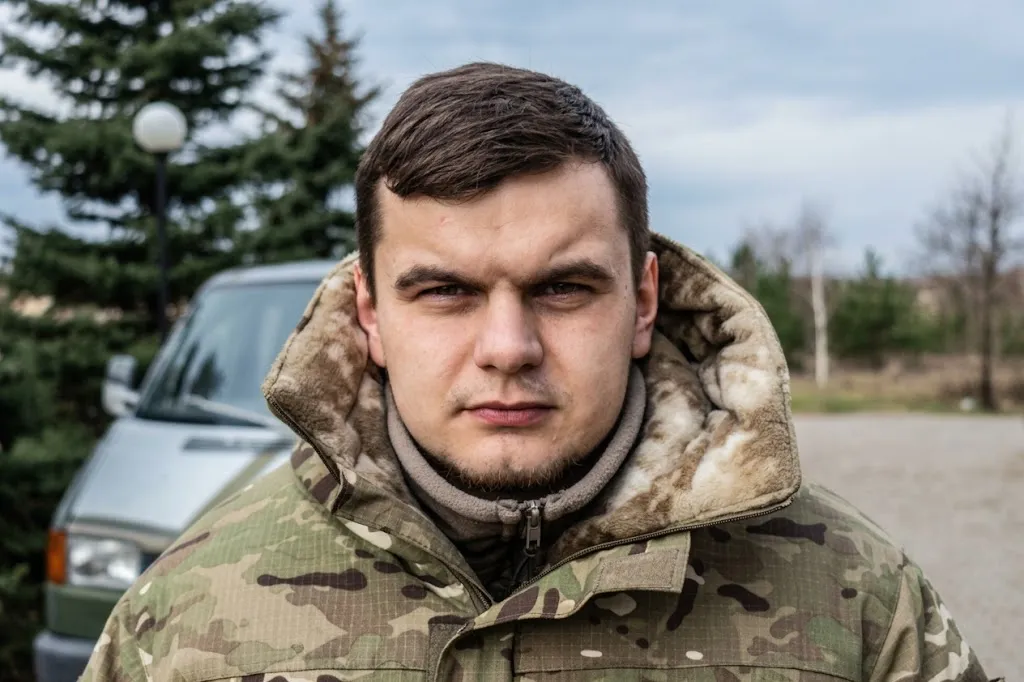
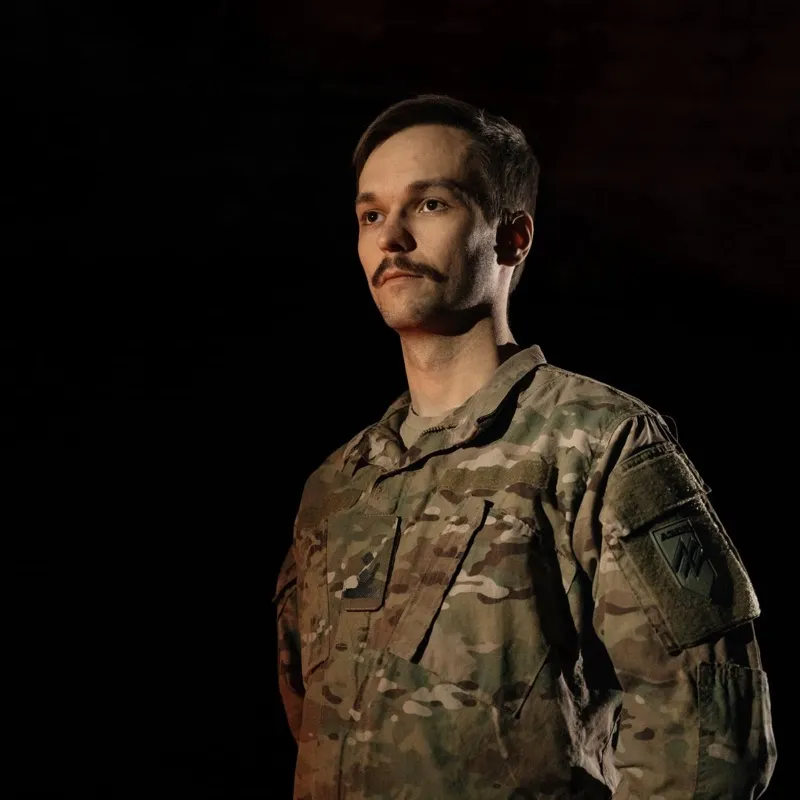
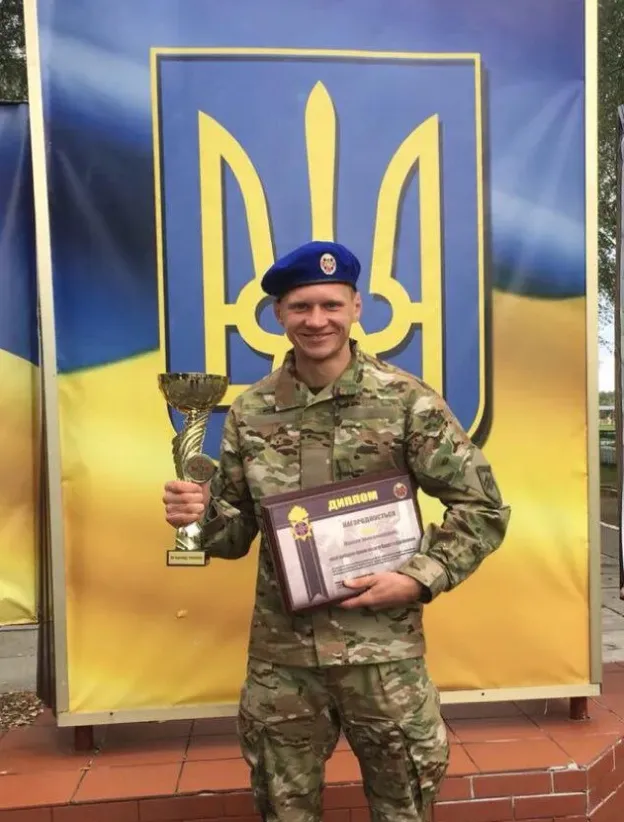
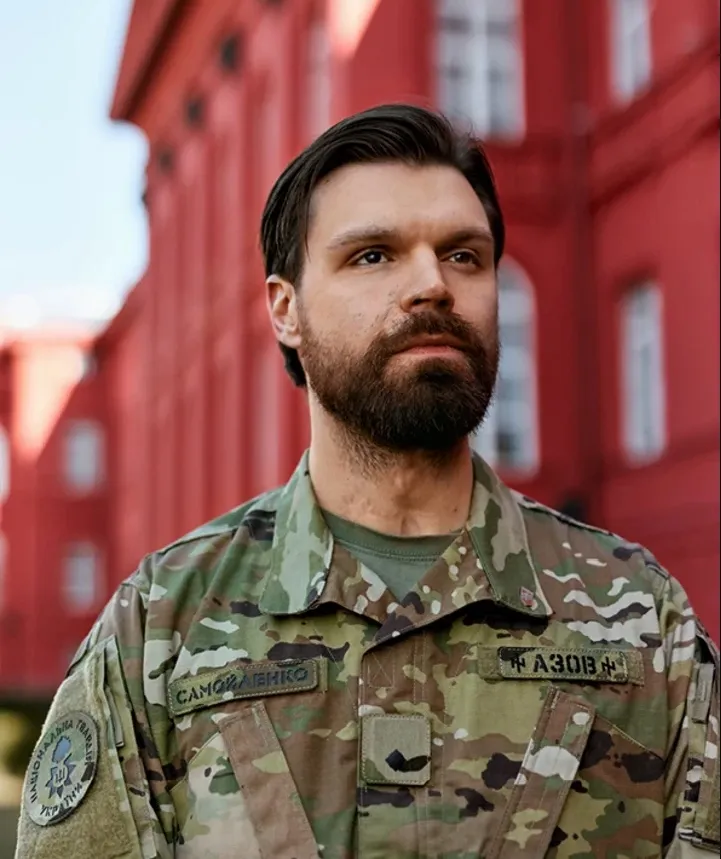
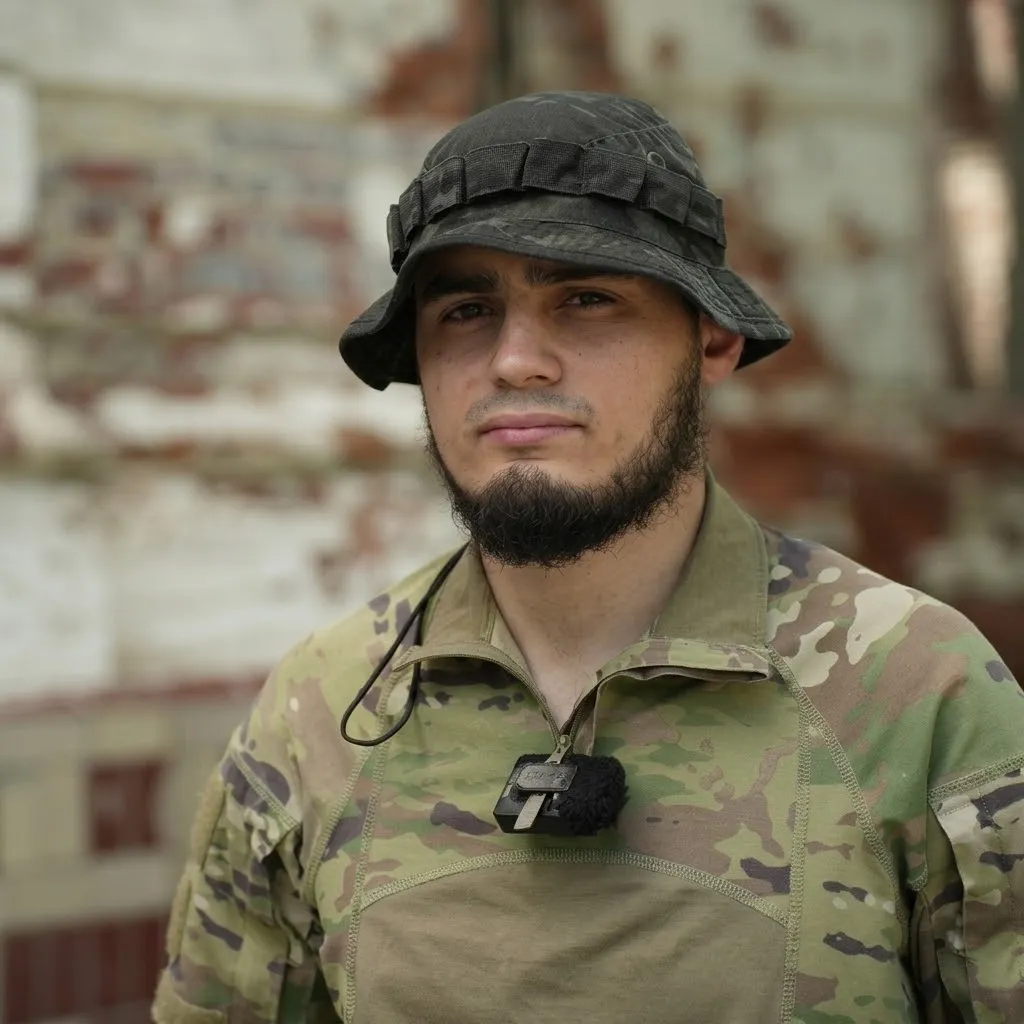
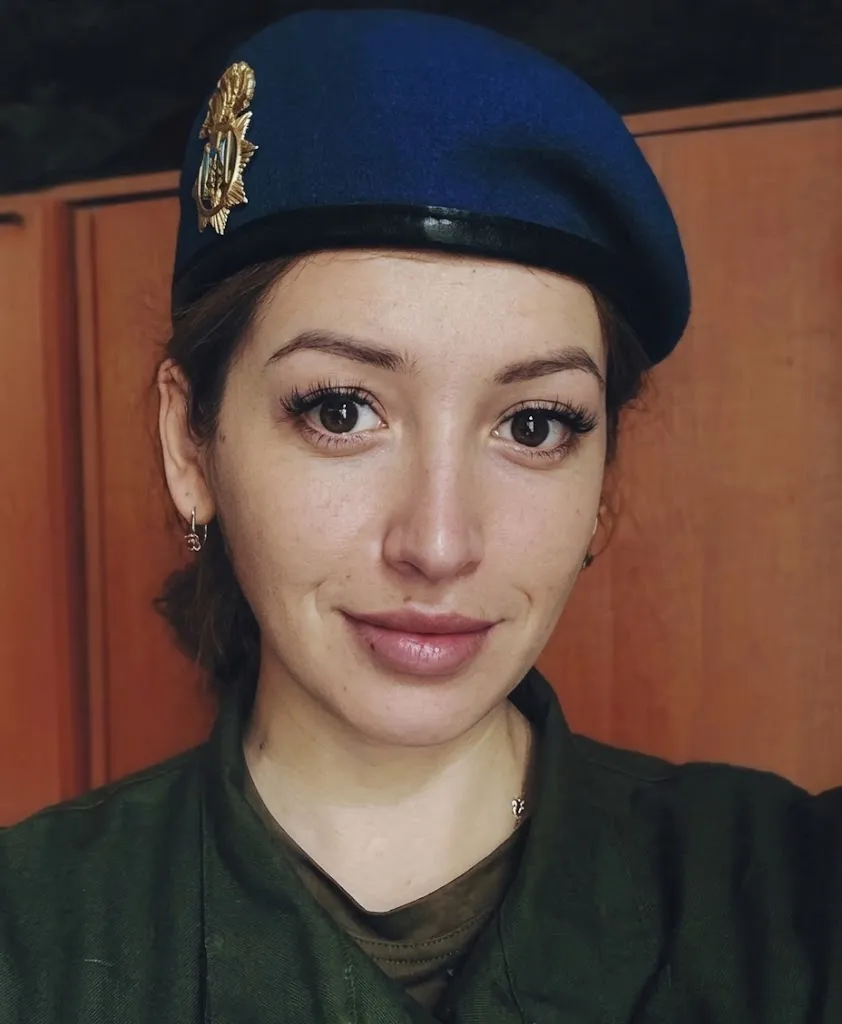
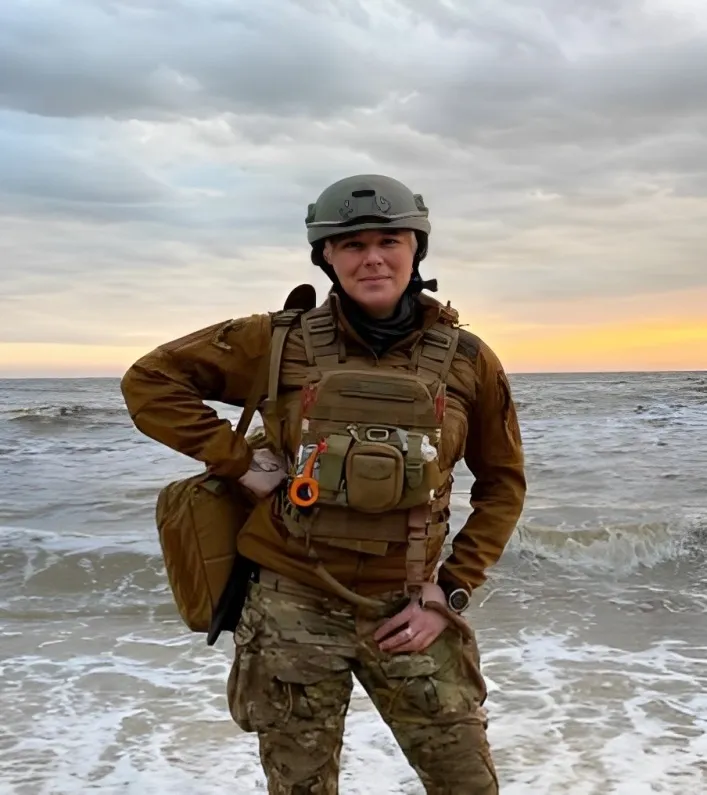
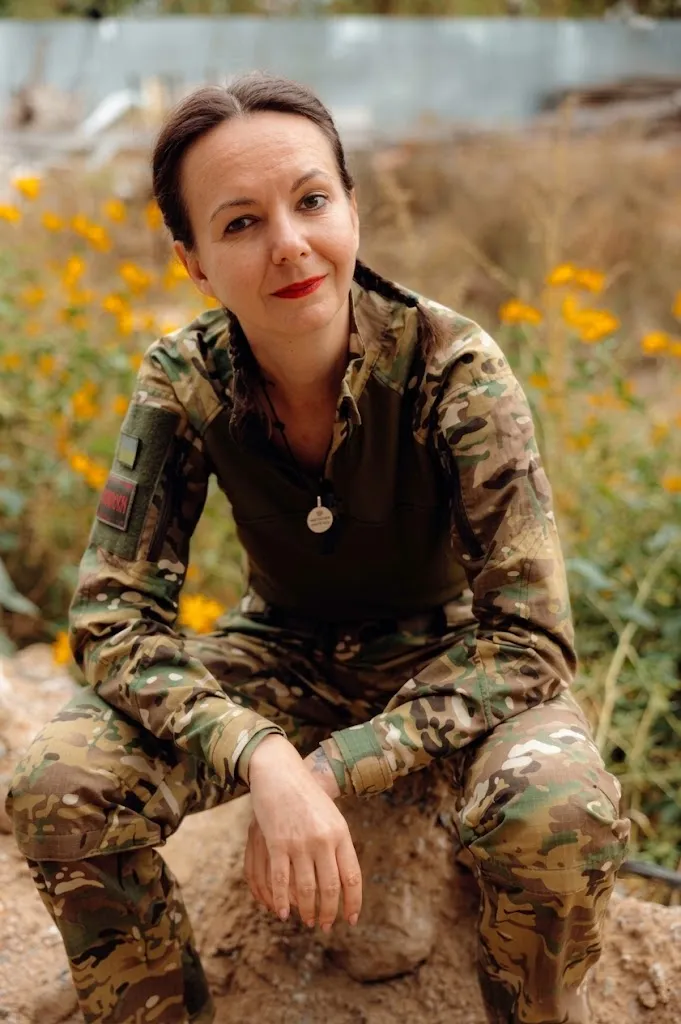
For 86 days, 82 of them fully encircled, Azov fighters, marines, National Guardsmen, border guards and police held Mariupol. The city's last fortress was the Azovstal steelworks. On 20 May 2022 the garrison, under orders, went into captivity to save their lives.
Timeline
- 24 February 2022 The full-scale russian invasion begins; russian troops close in on Mariupol from the east, north and west
- Early March 2022 The city is fully encircled, without power, water or heating
- 9 March 2022 An airstrike hits the maternity hospital and a hospital in the city centre
- 16 March 2022 An aerial bomb hits the Drama Theatre, where hundreds of civilians were sheltering
- April 2022 Marines of the 36th Brigade break through to Azovstal, which becomes the defenders' last fortress
- 30 April – 8 May 2022 The UN and the Red Cross evacuate civilians from Azovstal to Zaporizhzhia
- 16 May 2022 General Staff: the Mariupol garrison has fulfilled its combat mission; commanders are ordered to save their soldiers' lives
- 20 May 2022 The last defenders leave Azovstal and are taken prisoner
Can a city surrounded on every side hold out for 86 days? Mariupol, a port on the Sea of Azov that was home to more than 400,000 people before the war, came under siege in the first days of the full-scale invasion. It was defended by Azov fighters, marines, National Guardsmen, border guards, police officers, volunteers and territorial defence. For 82 of those days they fought fully encircled, and the city’s last fortress was the Azovstal iron and steel works.
Why it happened
By taking Mariupol, russia would open a land route from occupied Donbas to Crimea and could move its troops to other parts of the front. The city had known war before: in the spring of 2014 pro-russian militants seized it, and on 13 June 2014 Ukrainian volunteer battalions, Azov among them, freed it. On 24 February 2022 russian troops moved on Mariupol from the east, north and west.
What happened
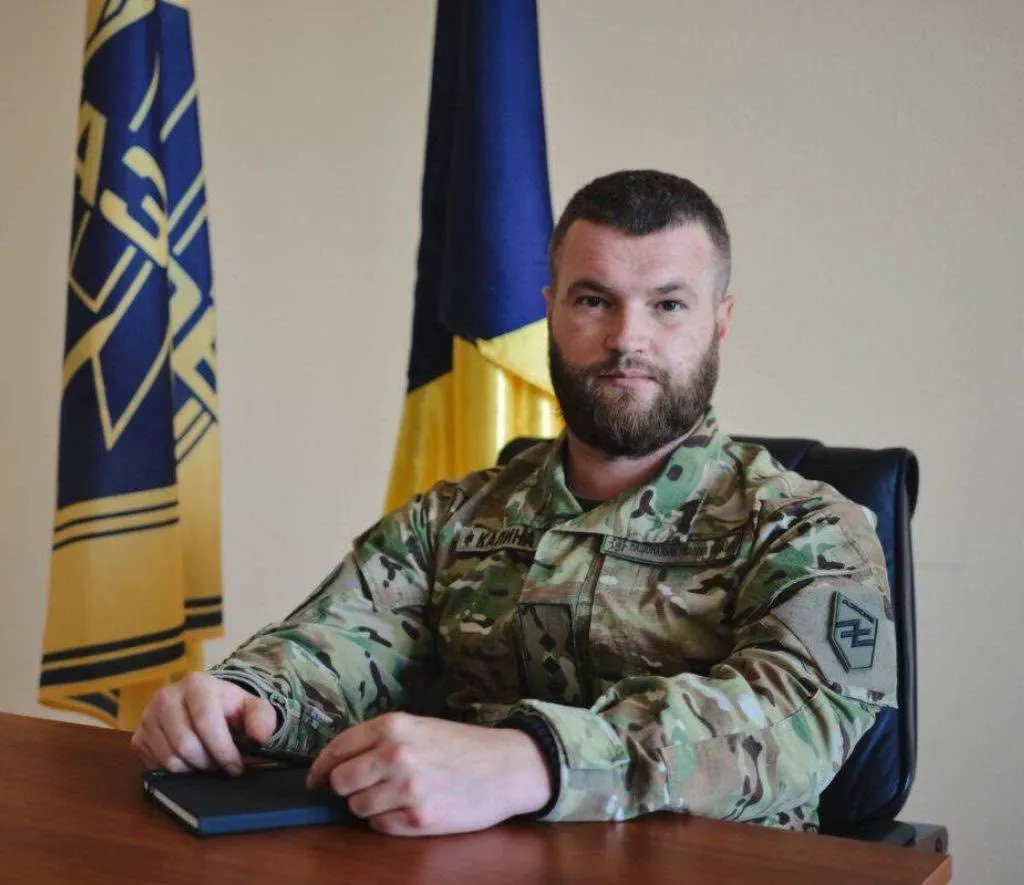
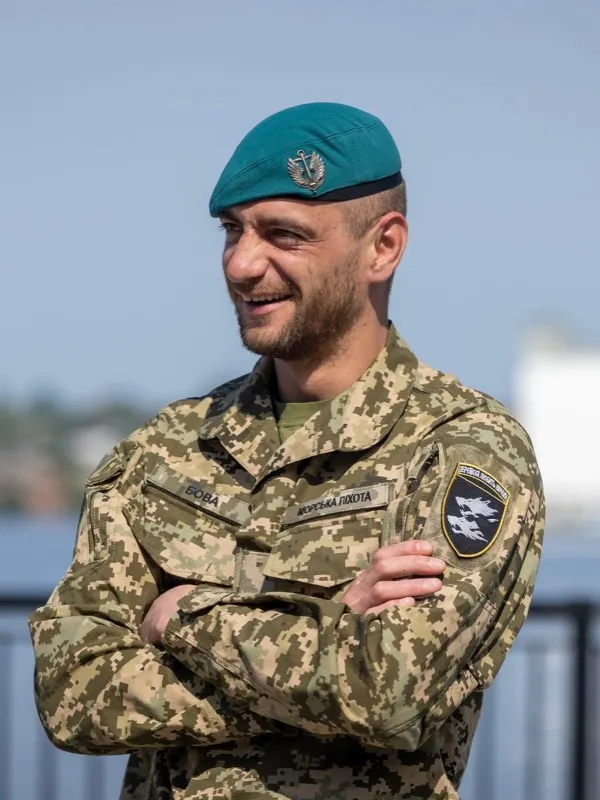
Within days the city was without power and water, and in early March the russians closed the ring (sources give 1 or 2 March). The defenders fought for every block. In early April the commander of the 36th Marine Brigade, Volodymyr Baraniuk, led a column in an attempt to break out of the city and was captured. Part of the marines, led by Serhii Volynskyi, fought their way through to Azovstal and joined Denys Prokopenko’s Azov. In the plant’s underground shelters, alongside the defenders and the wounded, civilians were hiding, women with children among them. Between 30 April and 8 May the UN and the Red Cross took them out to Zaporizhzhia in several convoys.
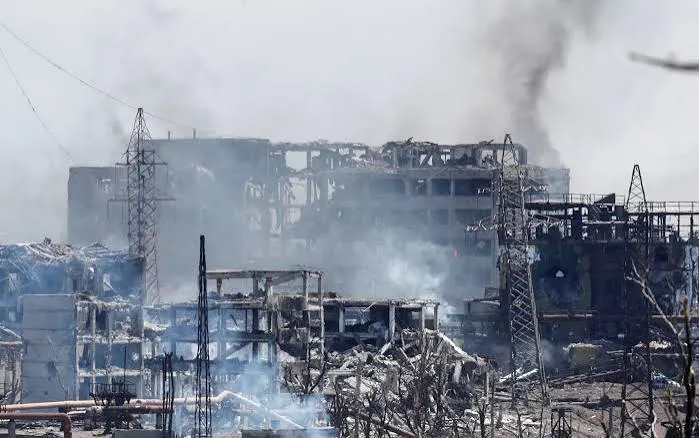
The last days of Azovstal
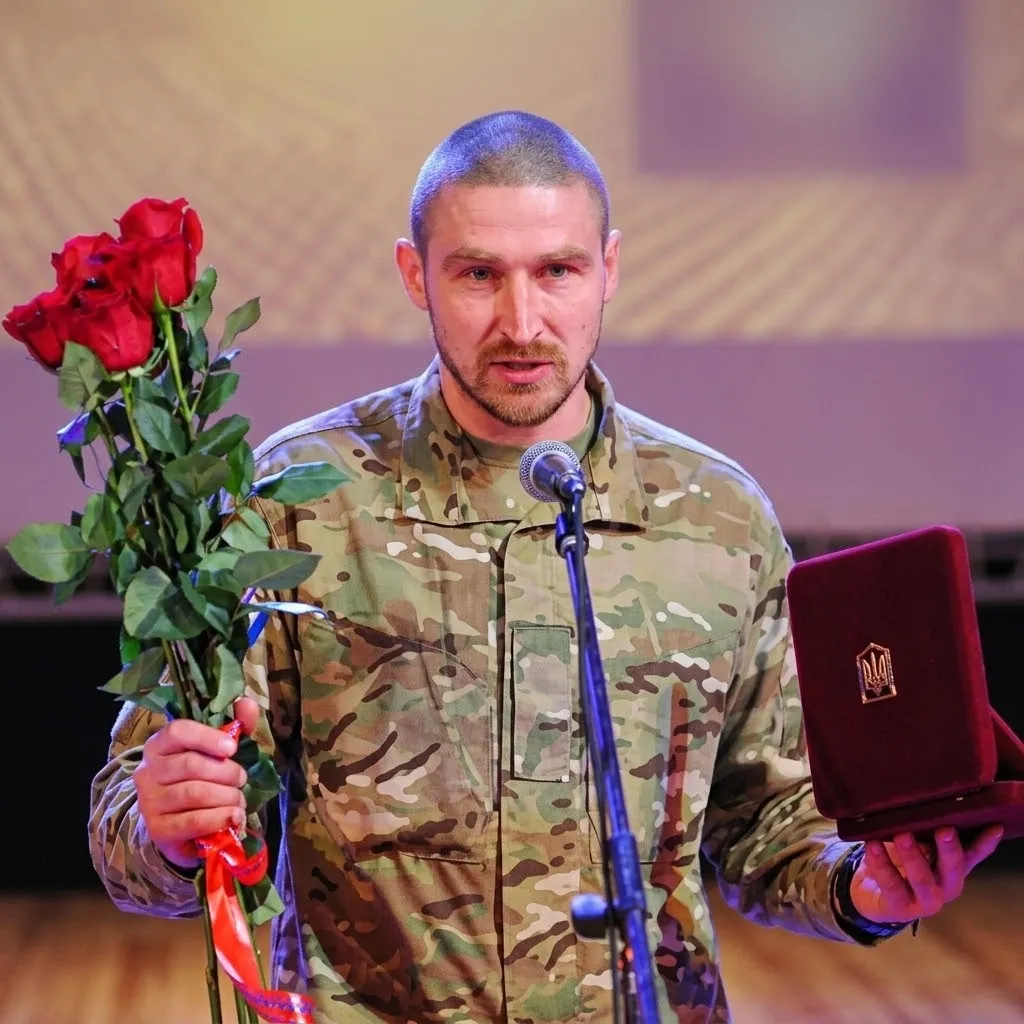
On 4 May the russians began storming the plant. In mid-May the commander of the National Guard’s 12th Brigade, Denys Shleha, said there were about 600 wounded at Azovstal. On 16 May the General Staff announced that the Mariupol garrison had fulfilled its combat mission, and the commanders at the plant were ordered to save their soldiers’ lives. The badly wounded began to be taken out that day, and on 20 May Prokopenko announced the order to stop defending the city. The last defenders left the plant and were taken prisoner; Ukrainian officials said they had bought the country time to prepare its reserves.
How many civilians died in Mariupol is not known either: estimates range from at least 8,000 to more than 20,000. The world saw the siege through the eyes of AP journalists who worked in the city for 20 days; their film “20 Days in Mariupol” won Ukraine’s first Oscar in 2024.
War crimes
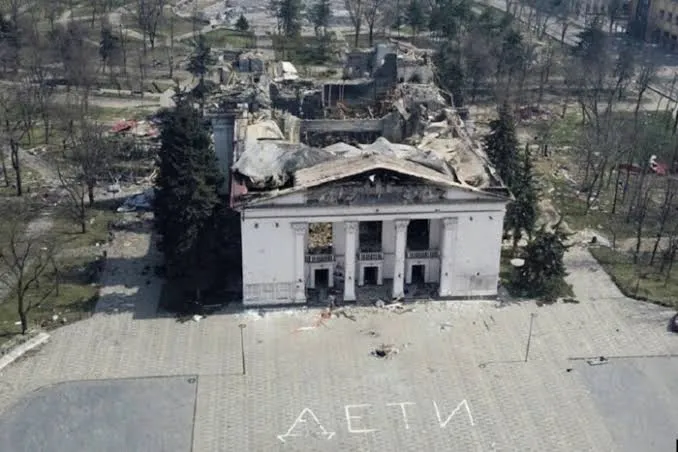
On 9 March 2022 an airstrike destroyed the maternity hospital and a hospital in the city centre; at least one pregnant woman and her unborn child were killed. On 16 March an aerial bomb hit the Drama Theatre, where hundreds of civilians were sheltering. On both sides of the building people had written “children” in huge letters, visible from the sky. How many died there is still not known: estimates range from at least a dozen to about 600.
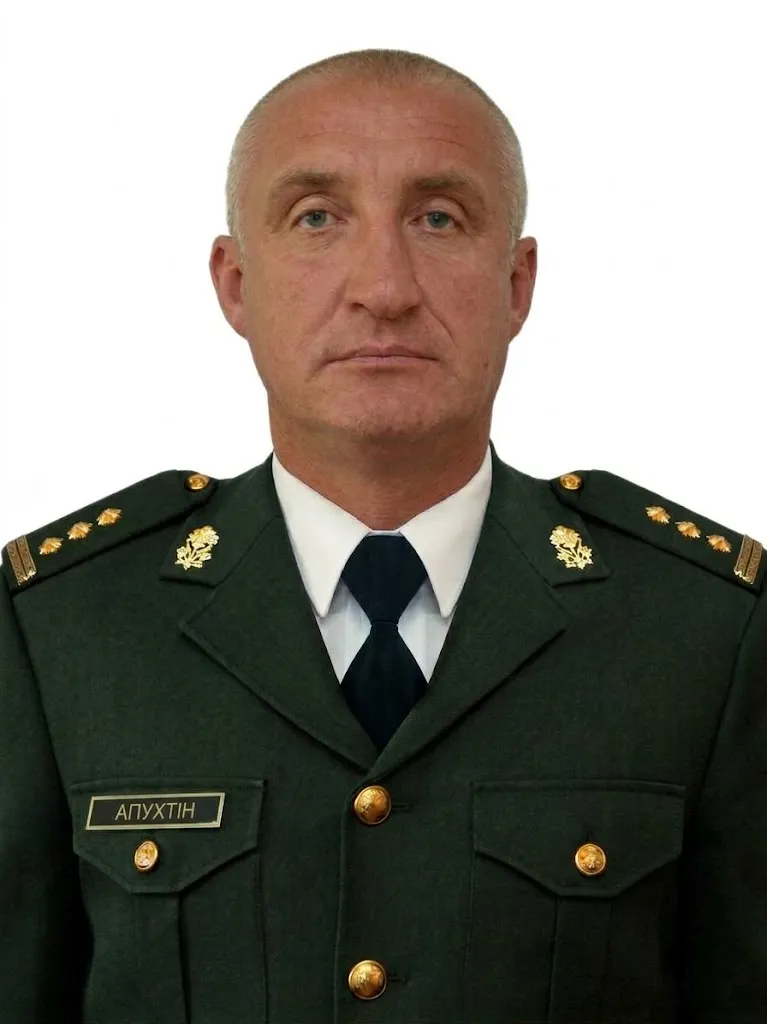
Both strikes are being investigated as war crimes. In 2023 the UN Commission of Inquiry on Ukraine concluded that russian forces carried them out and that the attacks were indiscriminate, in violation of international humanitarian law. Amnesty International called the strike on the theatre a clear war crime by russian forces. In August 2025 Ukrainian prosecutors served a notice of suspicion on a russian lieutenant general, the commander of the 4th Air Force and Air Defence Army, who investigators say ordered the bombing of the theatre and the maternity hospital. He is charged with violating the laws and customs of war combined with intentional murder, and is on the wanted list.
Captivity and Olenivka
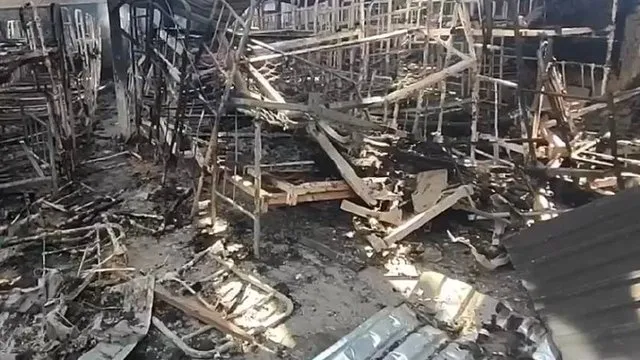
Many of the prisoners were taken to a penal colony in occupied Olenivka. On the night of 28–29 July 2022 explosions tore through the barracks where Azovstal defenders were held: at least 50 prisoners were killed and more than 150 wounded. The russian side claimed that Ukrainian forces had fired on the barracks with HIMARS. Ukraine’s General Staff replied that Ukraine had not struck Olenivka at all and that the russians had done it themselves, to cover up the torture and killing of prisoners and to accuse Ukraine of war crimes. In 2023 the UN rejected russia’s version: even a single HIMARS rocket would have caused far greater destruction to the barracks and the area around it. The UN could not establish who carried out the strike or with what weapon: russia did not let its monitors visit the site, and the evidence was not preserved. The Red Cross had no access to the colony either, although it said it had been ready to go there for months. On 21 September 2022, in an exchange, 215 soldiers came home, among them Prokopenko, Volynskyi, Shleha and other commanders. Not everyone came back: many of Mariupol’s defenders remained in captivity for a long time.
Why it matters today
Mariupol showed that even when fully surrounded, without power, water or any certainty about tomorrow, people can hold out to the end and look after one another. Every day the city held was a day gained for all of Ukraine. The Drama Theatre and the maternity hospital are reminders of why attacks on civilians must never be forgotten or left unpunished. And those still in captivity should know that they are awaited at home.