Nazarii Hryntsevych
Azov combat medic, “Hrienka”
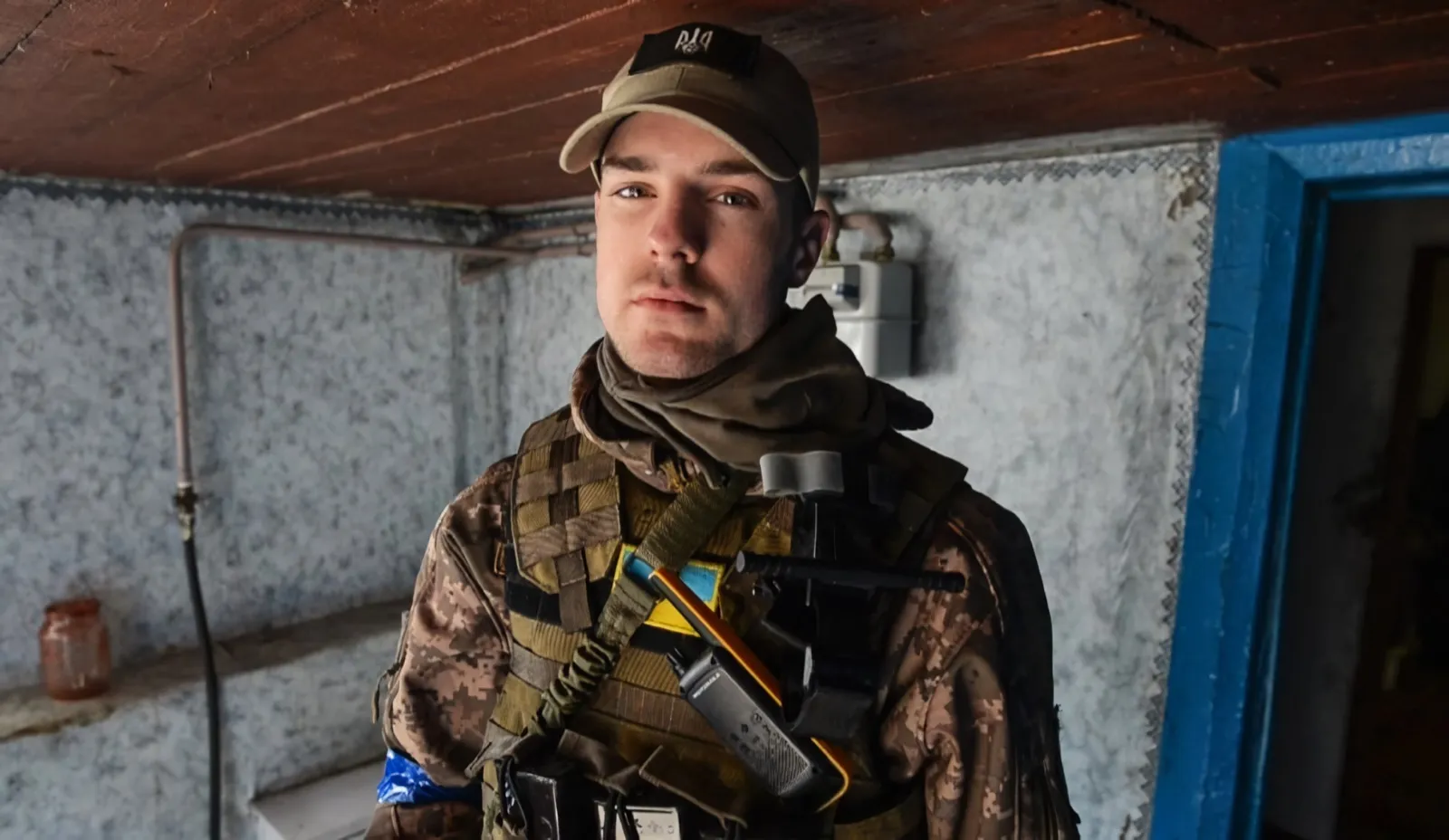
People called him the youngest defender of Azovstal; he called himself “an ordinary soldier”. Nazarii Hryntsevych, an Azov combat medic, survived captivity, went back to the front and led a reconnaissance platoon. Hero of Ukraine (posthumously).
Key accomplishments
- Combat medic with Azov during the three-month defense of Mariupol and the Azovstal steelworks (2022)
- Order for Courage, 3rd class (2022)
- After his release from captivity, returned to service and became one of the founders of the Kontakt 12 artillery reconnaissance unit
- Hero of Ukraine (posthumously, Decree No. 467/2025 of 8 July 2025)
“I’m an ordinary soldier”
Nazarii Hryntsevych was called the youngest defender of Azovstal. He took the label calmly: “I don’t think I did anything ‘wow’. I’m an ordinary soldier.”
From the lecture hall to Azov
Before he turned 18, as a first-year university student, Nazarii completed Azov’s basic combat course and stayed with the unit. He was born in 2003 in Vinnytsia.
From the first day of the full-scale invasion Nazarii, call sign “Hrienka” (also spelled “Hrinka”), defended Mariupol as a combat medic with Azov. For three months he held out at the Azovstal steelworks. Nazarii later said that everyone who survived Azovstal got out thanks to their commander, Denys Prokopenko. In May 2022, on the orders of their command, the defenders left the plant and were taken prisoner. More than four months later, in September 2022, Nazarii came home in an exchange that freed 215 Ukrainian soldiers.
Back to the front
After rehabilitation Hryntsevych returned to service. With his comrades he founded the Kontakt 12 artillery reconnaissance unit in the Azov brigade and commanded a platoon of optical observers in it. Junior Lieutenant Nazarii Hryntsevych was killed in battle on 6 May 2024 near Kreminna in Luhansk Oblast. He was 21.
Why it matters today
Nazarii Hryntsevych went to defend his country straight from the lecture hall, and for many he stands for that generation; his name belongs beside those of all the defenders of Mariupol. After Azovstal and captivity he did not stay at home: he went back to service and, with his comrades, built a new unit. He called himself “an ordinary soldier”, and that is why his example feels so close: courage is a choice anyone can make. His words from Mariupol, “Whatever happens to you, love your mum, eat your porridge and love Ukraine”, are still repeated as simple, sincere advice.