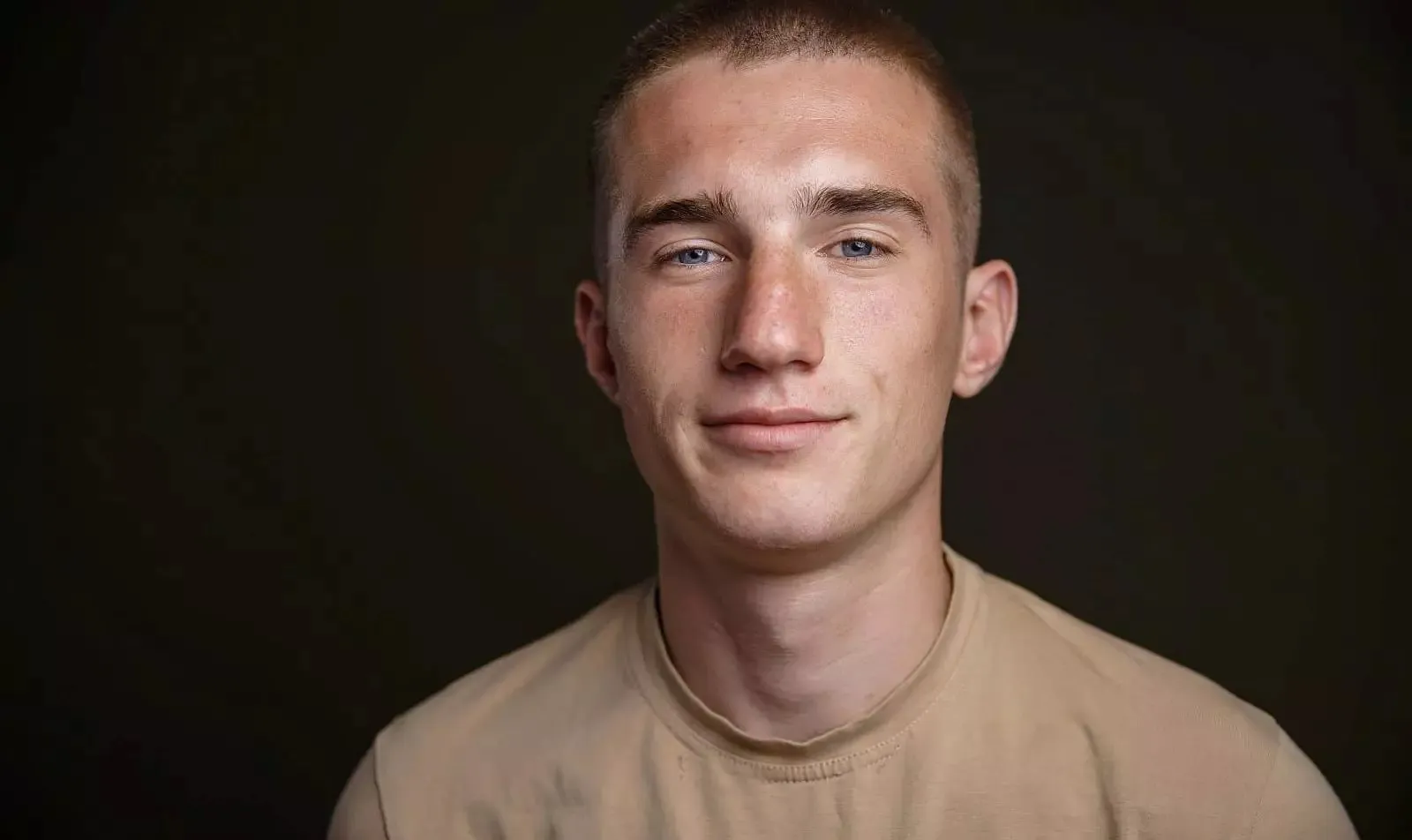
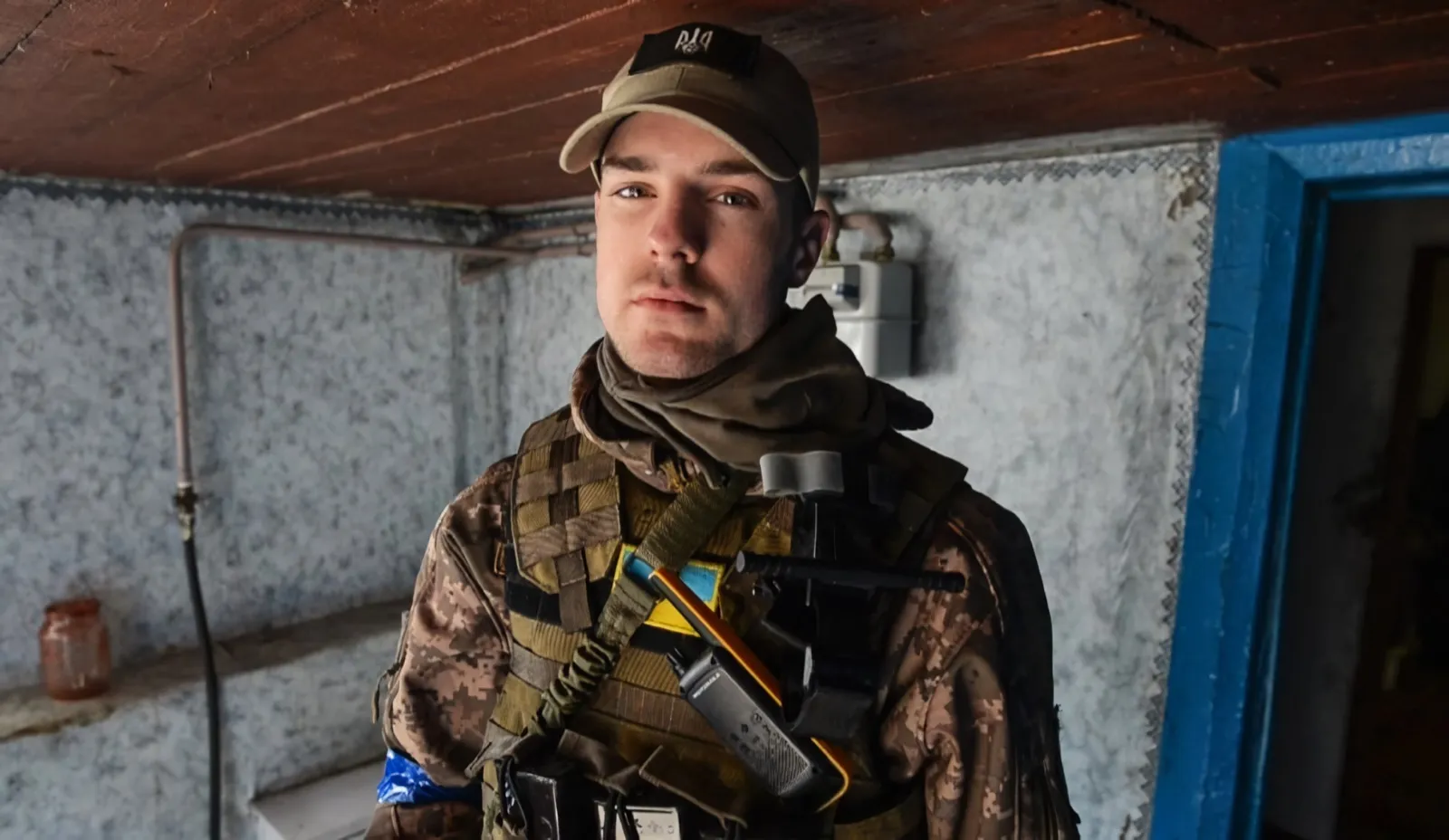
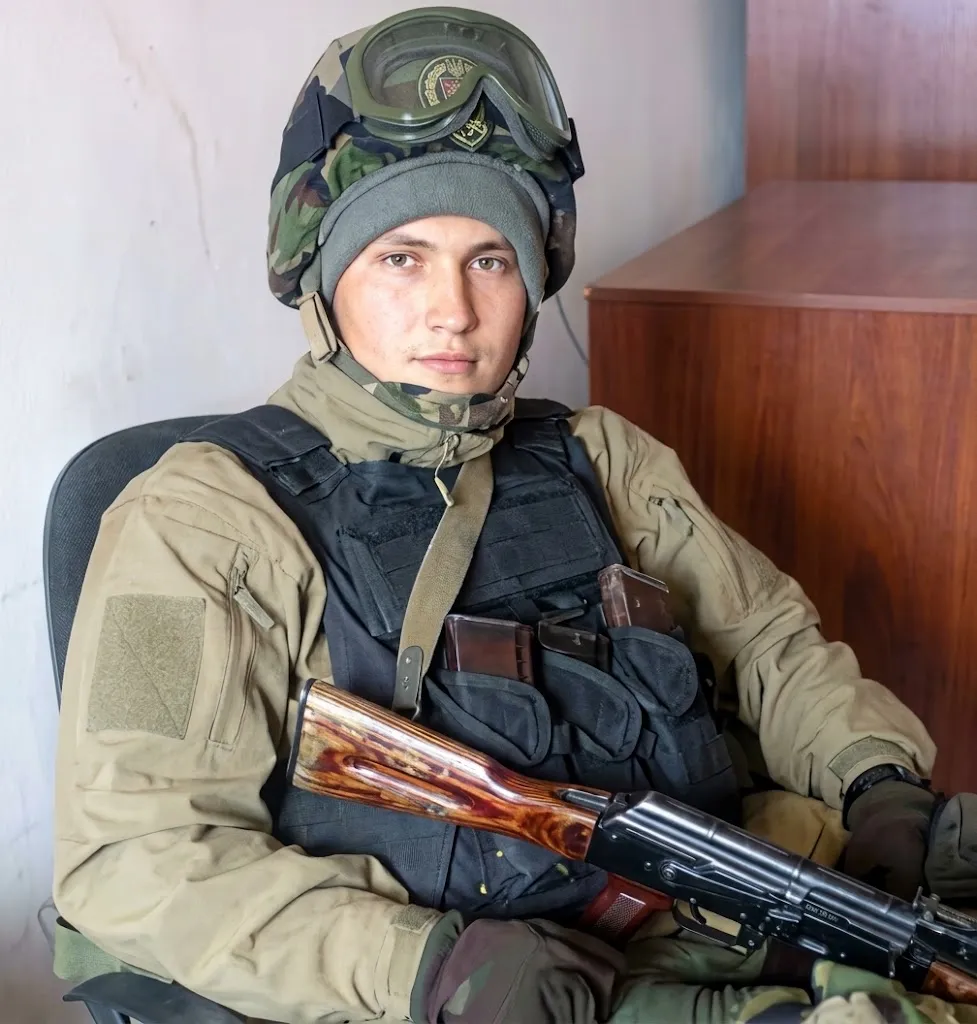
Lev Pashko
Hero of Ukraine, Mariupol defender
He took the call sign “Horus”, after the ancient Egyptian god of the sky and war. He joined Azov at 18, and at 22 was defending besieged Mariupol when he was made a Hero of Ukraine. After Azovstal fell he spent four months in russian captivity before coming home.
Key accomplishments
- Volunteered for Azov in 2017, right after turning 18
- Company commander through the 86-day defence of Mariupol, including Azovstal
- Order of Bohdan Khmelnytskyi, 3rd class (25 March 2022)
- Made a Hero of Ukraine with the Gold Star order at 22 (decree No. 251/2022, 17 April 2022)
- Taken prisoner when Azovstal fell; freed on 21 September 2022 in a prisoner exchange
Why “Horus”?
Horus is the ancient Egyptian god of the sky and war. That is the call sign Kyiv-born Lev Pashko chose when he volunteered for the Azov regiment in 2017, right after turning 18. Five years later he was a lieutenant and company commander.
86 days in Mariupol
An armoured personnel carrier and two enemy tanks were destroyed by Pashko personally on 26 March 2022, on the Azov Sea coast near Mariupol, where the full-scale invasion had found him - a battle later cited in his award decree. Days later he received the Order of Bohdan Khmelnytskyi, 3rd class, for personal courage, and on 17 April 2022, at 22, the president signed decree No. 251/2022 making him a Hero of Ukraine with the Gold Star order.
The defence of Mariupol lasted 86 straight days. Its defenders’ last refuge was the Azovstal steel plant. Pashko was badly wounded in the leg during an attempted breakout. When the plant fell, he was taken prisoner, and spent four months in russian captivity without proper medical care.
Coming home
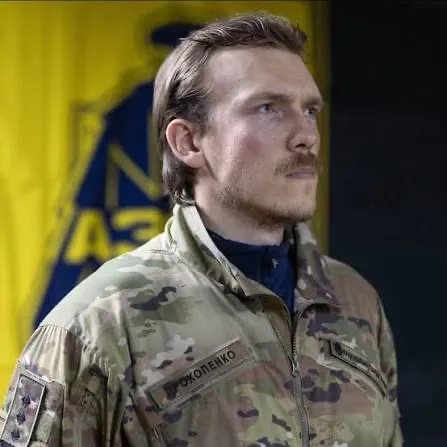
Lev Pashko was freed on 21 September 2022 in what was then the largest prisoner exchange of the war - more than two hundred Ukrainian service members came home with him, among them other Azovstal defenders, including Denys Prokopenko and Nazarii Hryntsevych. He spent a long time in treatment and rehabilitation afterward.
Why it matters today
Lev Pashko joined up the moment he came of age because, in his words, “it was what the country needed at that moment.” At 22 he commanded a company in besieged Mariupol, and he came home through a bad wound and captivity. His story shows that courage doesn’t depend on age, and that a free Ukraine is defended by people who don’t wait to be asked. He stands with all of Mariupol’s defenders, and anyone living in that free country today can remember that twenty-year-olds like him defended it.