1875–1919
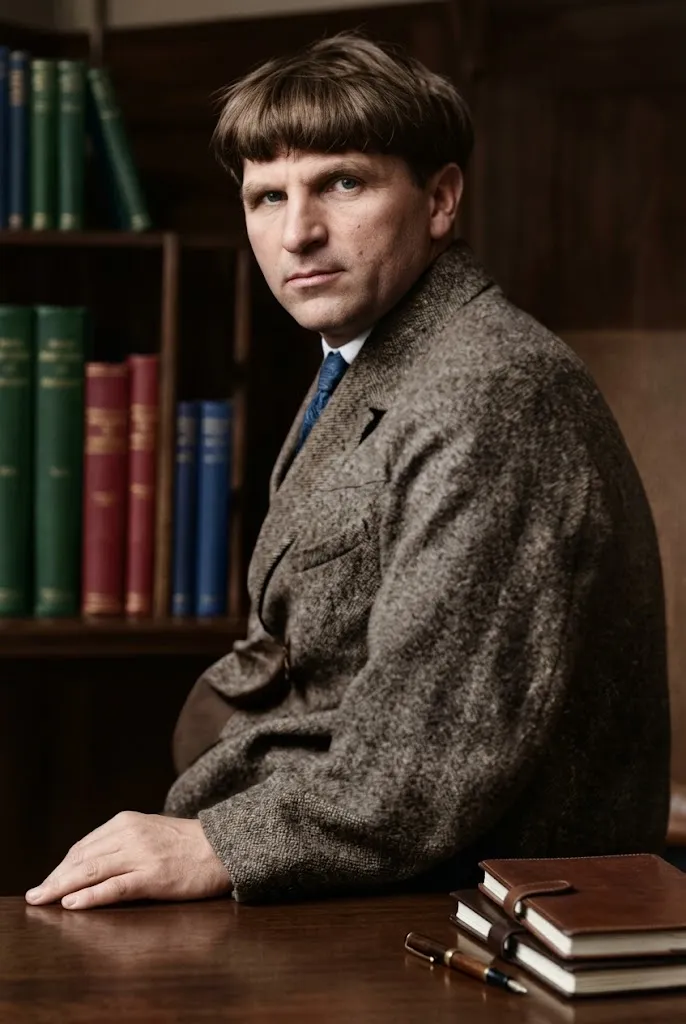
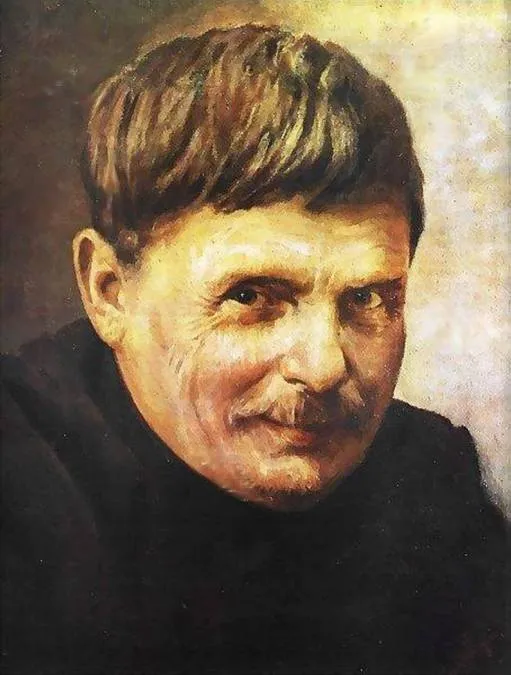
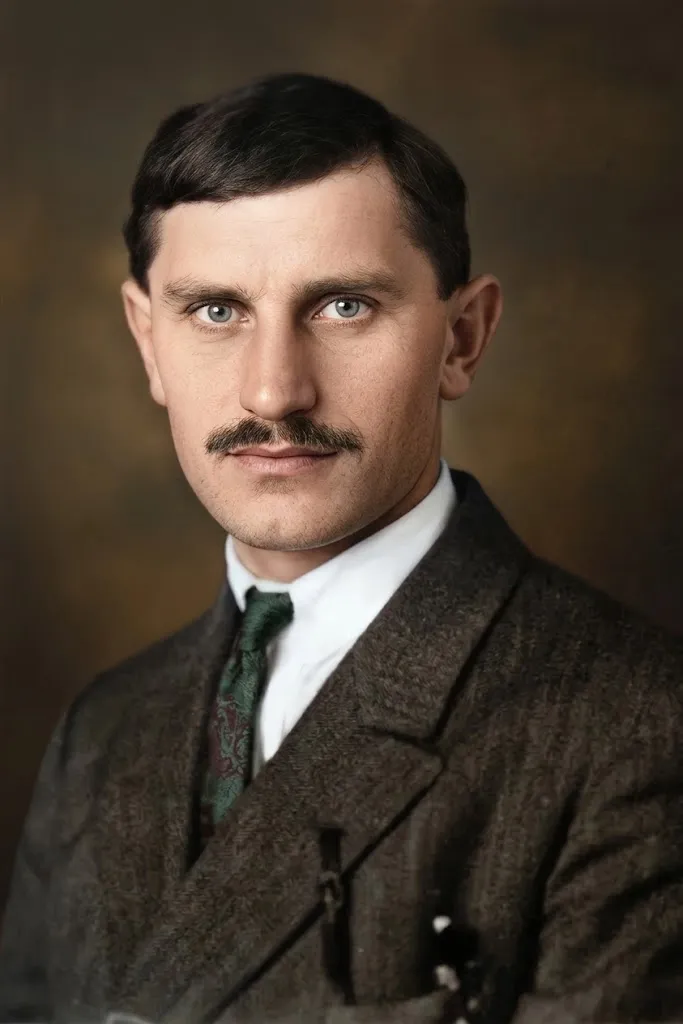
Oleksandr Murashko
Painter of The Carousel
In 1909 a painting by an artist from Kyiv, The Carousel, won the gold medal at an international exhibition in Munich. Oleksandr Murashko took Ukrainian painting to shows in Paris, Venice and Berlin and helped found the Ukrainian Academy of Arts. He was shot in Kyiv in 1919.
Key accomplishments
- The Carousel (1906): gold medal at the 10th International Exhibition in Munich (1909)
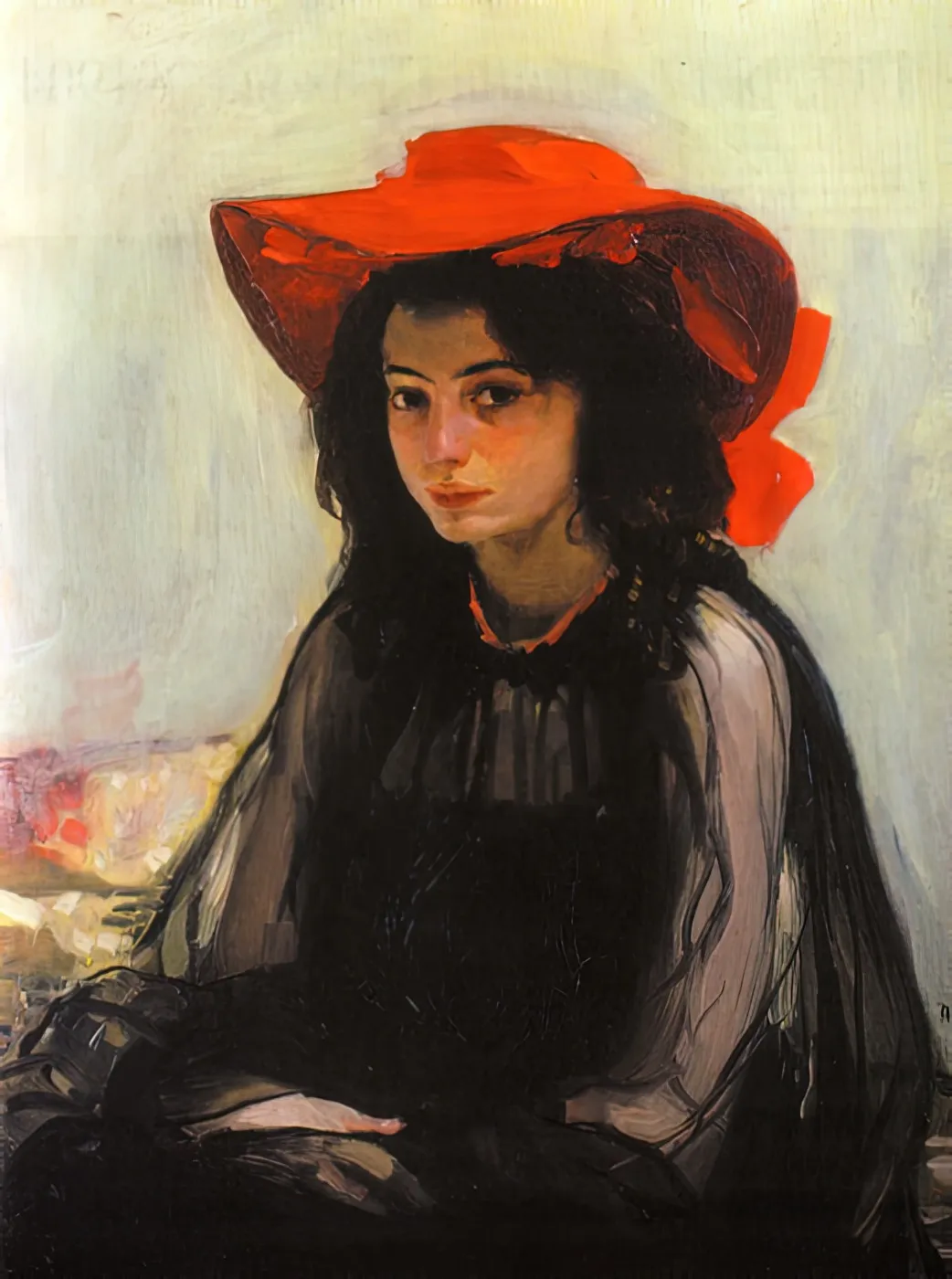
- Girl in a Red Hat (1903), The Old Teacher (1906), Peasant Family (1914)
- A co-founder of the Ukrainian Academy of Arts (1917), where he led the painting studio as professor
- Solo shows in Berlin, Düsseldorf and Cologne (1909–1910); exhibitions in Paris, Vienna, Amsterdam, Munich and Venice
- A co-organizer of the Kyiv Society of Artists (1916)
- Member of the Munich Secession (1911)
A gold medal for a carousel from Kyiv
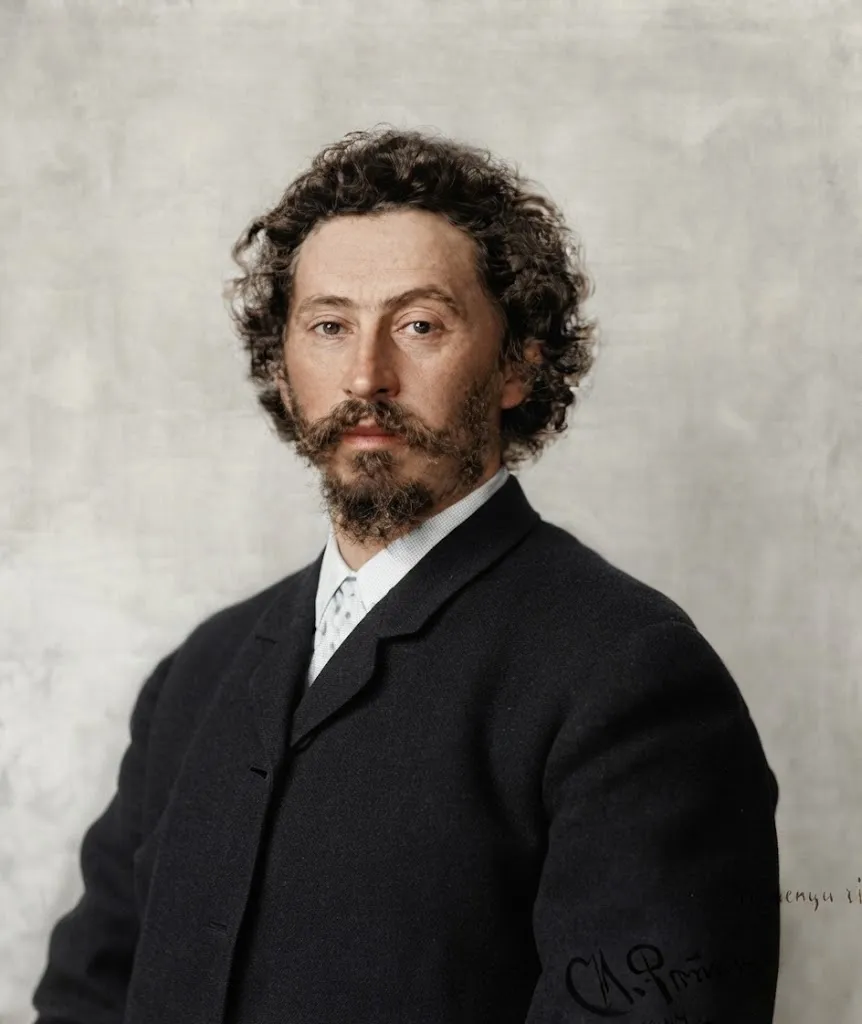
Did you know that in 1909 the gold medal at a major international exhibition in Munich went to a painter from Kyiv? The painting was The Carousel by Oleksandr Murashko, and it was bought straight from the show for a museum in Budapest. Murashko was born in Kyiv on 7 September 1875. He learned to draw at the drawing school of his uncle Mykola Murashko, then studied at the Academy of Arts in St Petersburg, from 1897 in the studio of Ilya Repin. His diploma painting, The Burial of a Kish Otaman (1900), earned him a trip to study in Europe. The writer Mykhailo Starytskyi is thought to have posed for it.
Paris cafés and a red hat
In the early 1900s Murashko lived in Paris, painting portraits, cafés and the city’s streets. That is where Girl in a Red Hat (1903), one of his best-known pictures, was painted. He went on to study in Munich at the studio of Anton Ažbe. In his painting Murashko brought together the realist school, the light and air of Impressionism and the decorative line of Art Nouveau.
Kyiv at Europe’s exhibitions
“I wanted to capture the whole whirl of a carousel in motion,” the painter recalled of the 1906 canvas that made his name. His pictures were shown in Paris, Vienna, Amsterdam, Munich and Venice. In Venice in 1910 two of his paintings sold at once, one to Bucharest and the other to New York. In 1909–1910 he also had solo shows in Berlin, Düsseldorf and Cologne. That put Ukrainian painting alongside the European art of its day. Back in Kyiv, Murashko taught at the art college, opened his own studio, and in 1916 helped found the Kyiv Society of Artists.
An academy in his own city
“I need a Ukrainian Academy of Arts in my native Kyiv,” Murashko told his friends. In 1917 the dream came true: he became one of the founders of the Ukrainian Academy of Arts. With him at its start were Heorhii Narbut, Mykhailo Boichuk and the brothers Fedir and Vasyl Krychevskyi. Murashko led the academy’s painting studio.
A night in Lukianivka
Late in the evening of 14 June 1919, Murashko and his wife were walking home to the Lukianivka district after visiting friends. Near the house three soldiers stopped him and said he was under arrest. The painter ran, and he was shot; his body was found on a nearby street the next day. Sources differ on who the killers were, unknown attackers or a night patrol of the Cheka, the Soviet secret police; the murder was never solved. Oleksandr Murashko was 43.
Why it matters today
Oleksandr Murashko proved that a painter from Kyiv could compete with the best artists in Europe and win. He showed the world Ukrainian painting as part of the European art of its time. He is counted among the artists who laid the foundations of 20th-century Ukrainian culture, and the academy he dreamed of was born in Kyiv. Every Ukrainian artist known around the world today walks a road he helped open.