1900–1953
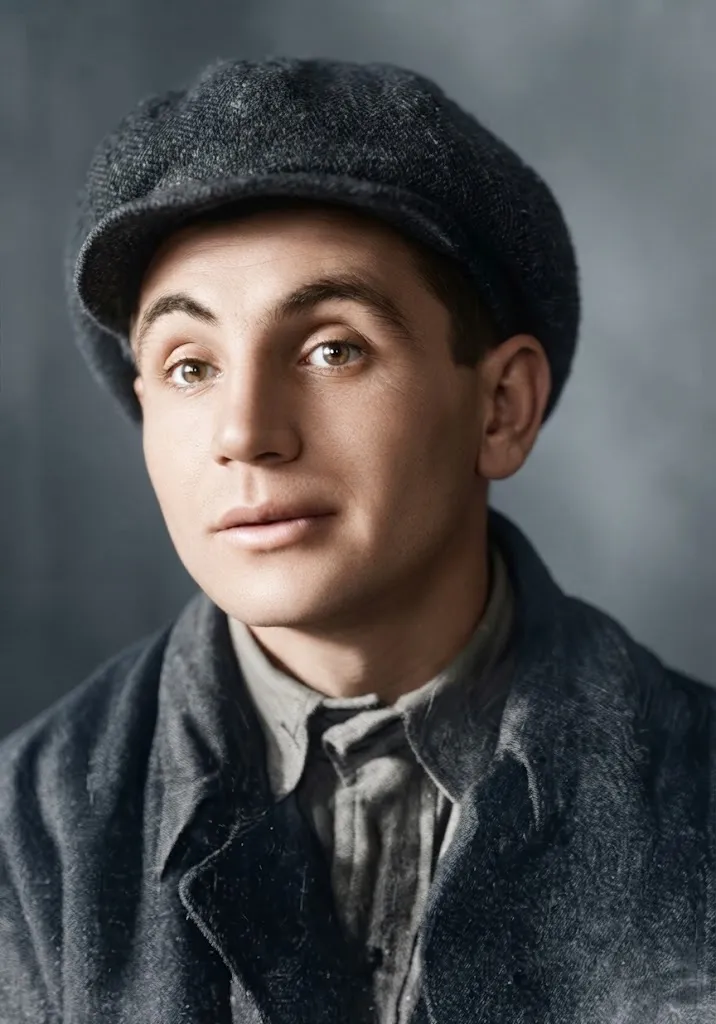
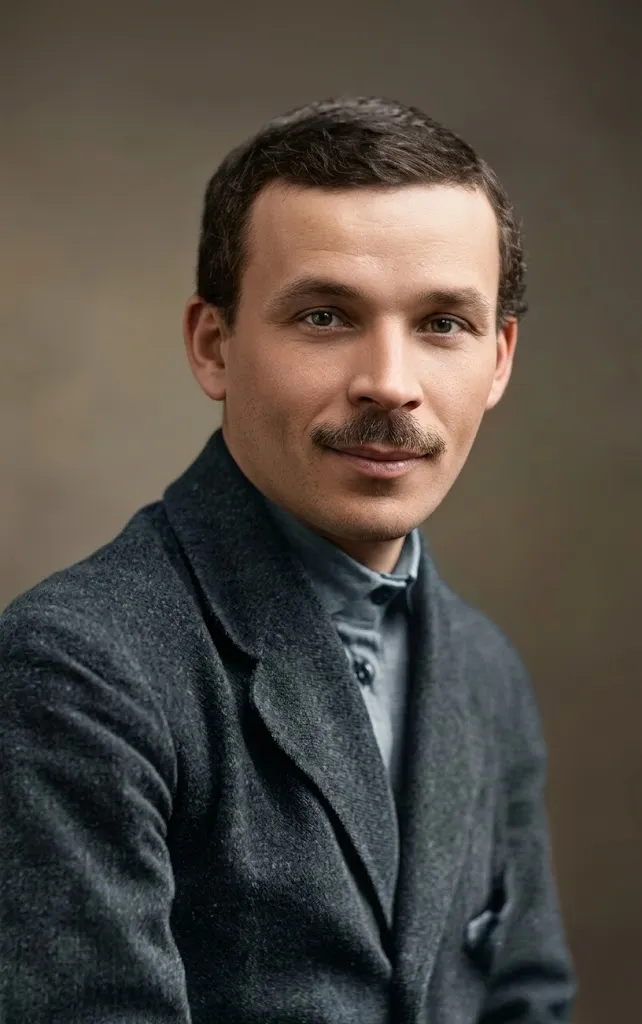
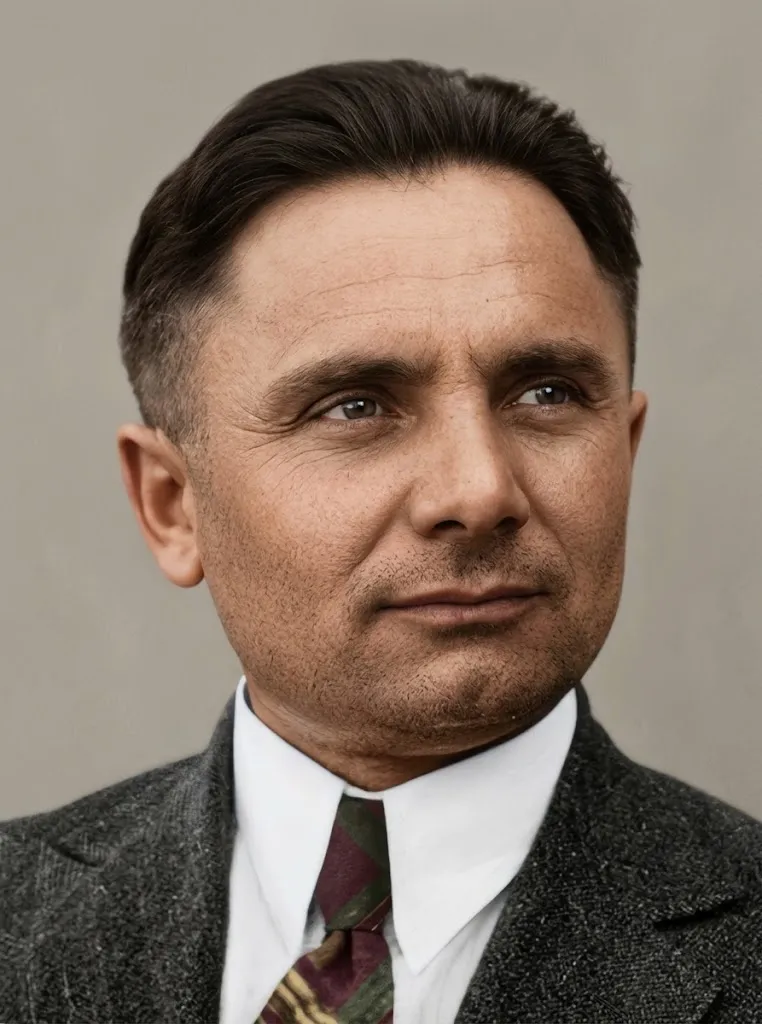
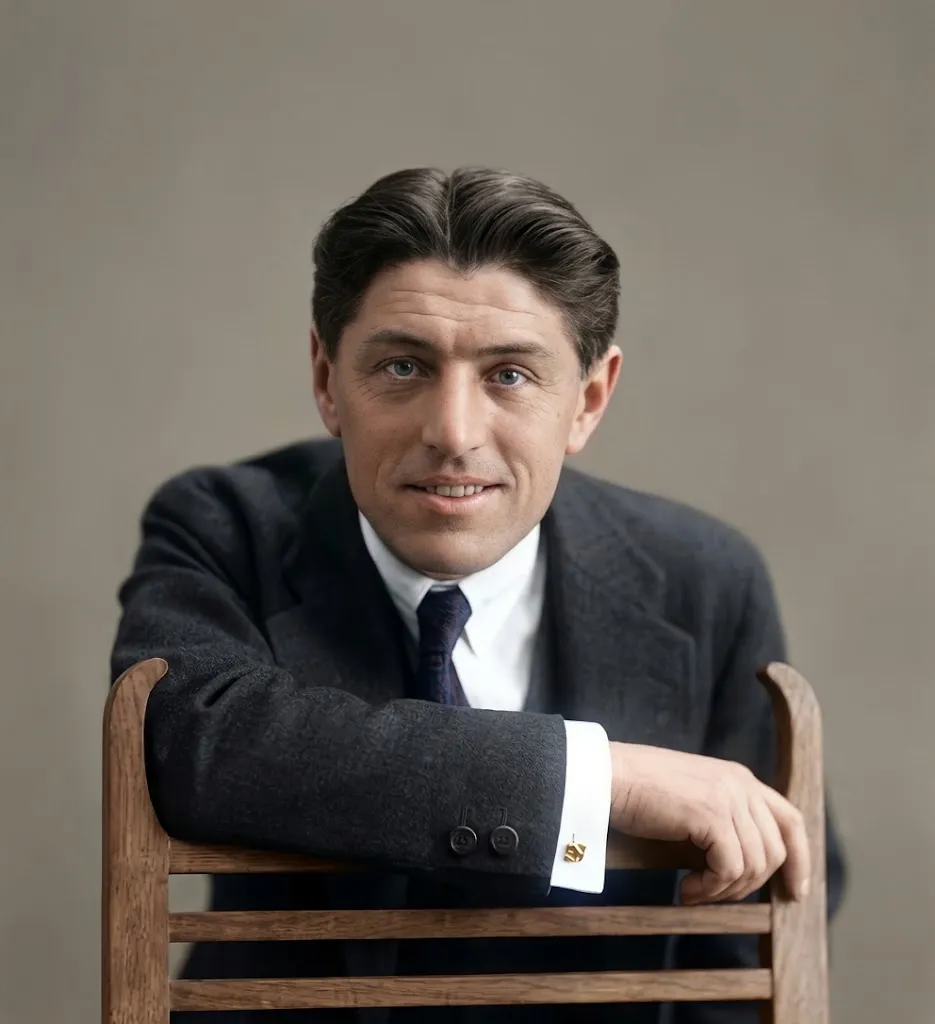
Volodymyr Blavatskyi
Actor and director, founder of Zahrava
He was the first to play Hamlet on the Ukrainian stage. Volodymyr Blavatskyi, a pupil of Les Kurbas, founded Zahrava in Przemyśl, the leading theater of Western Ukraine between the wars, and later a Ukrainian theater in a refugee camp in Germany.
Key accomplishments
- The first actor to play Hamlet on the Ukrainian stage (Lviv Opera Theater, 1943, directed by Yosyp Hirniak)
- Founder and director of the Zahrava theater in Przemyśl (from 1933)
- Co-head of the Lviv Opera Theater’s drama company (1941–1944)
- Actor in Les Kurbas’s Berezil (1927–1928)
- Founder of the Ensemble of Ukrainian Actors in a refugee camp in Augsburg (1945–1949)
- Roles as Malakhii in Mykola Kulish’s The People’s Malakhii, Mazepa in Baturyn and Judas in Lesya Ukrainka’s On the Field of Blood
Who first played Hamlet in Ukrainian?
In 1943, on the stage of the Lviv Opera Theater, Shakespeare’s Hamlet was performed in Ukrainian for the first time. Yosyp Hirniak directed it, and the Prince of Denmark was played by Volodymyr Blavatskyi. He was born on 15 November 1900 in Galicia, in Kosiv (some sources say Kolomyia), and his real surname was Trach. He first went on stage in 1919, at the Ukrainska Besida theater.
Theater for the suburbs
In 1926 Blavatskyi took charge of the Independent People’s Theater in Lviv. The company played not only in the city center but toured the working-class suburbs, Zamarstyniv, Pidzamche, Levandivka, with Ukrainian classics such as Natalka Poltavka.
A year with Kurbas
In 1927 Blavatskyi went to Kharkiv and joined Les Kurbas’s Berezil, a theater searching for a new, modern language of the stage. He stayed only a year, but took the Kurbas school back with him to Galicia. On his return he championed the Berezil’s experimental style at the touring Tobilevych Theater, and he later wrote memoirs about working with Kurbas.
Zahrava in Przemyśl
In 1933, in Przemyśl, Blavatskyi founded the Zahrava theater, considered the leading theater of Western Ukraine between the two world wars. There he carried on the Berezil’s experiments: Vasyl Stefanyk’s The Land had a chorus on stage, and Bohdan Lepkyi’s Baturyn, with Blavatskyi as Mazepa, had sweeping, choreographed crowd scenes. He also staged Mykola Kulish’s The People’s Malakhii, playing Malakhii himself, and played Judas in Lesya Ukrainka’s On the Field of Blood.
The Opera Theater in wartime
In 1938 Zahrava merged with the Tobilevych Theater, and after Soviet rule arrived in 1939 the company went through a crisis under political pressure. During the German occupation Blavatskyi and Hirniak led the drama company of the Lviv Opera Theater, one of the strongest theaters in Ukraine at the time. It was there that the first Ukrainian Hamlet was staged.
Theater in a refugee camp
In 1944 Blavatskyi left for the West. In a displaced persons camp in Augsburg, in former army barracks, he founded the Ensemble of Ukrainian Actors and led it until 1949. Refugees watched plays by Franko, Lesya Ukrainka, Kulish and Stefanyk alongside world classics. In 1949 Blavatskyi moved to Philadelphia, where he staged plays for the Ukrainian community. He died there on 8 January 1953.
Why it matters today
Blavatskyi carried the bold experiments of the Berezil from Kharkiv to Galicia, so the Kurbas school lived on even after it was destroyed in the USSR. He was the first to give Hamlet a Ukrainian voice, showing that our stage could speak the language of world classics. And in a refugee camp, among people who had lost their homes, he made theater a place where the Ukrainian language and culture stayed alive. Anyone who takes what a teacher gave them and carries it further, wherever life takes them, continues his work.