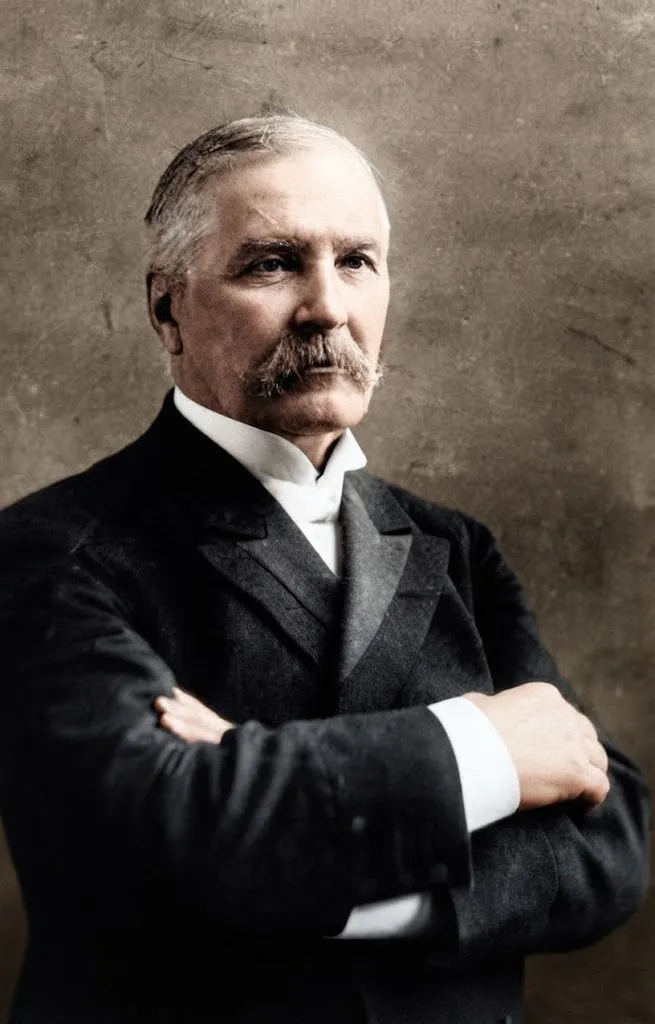
1887–1937
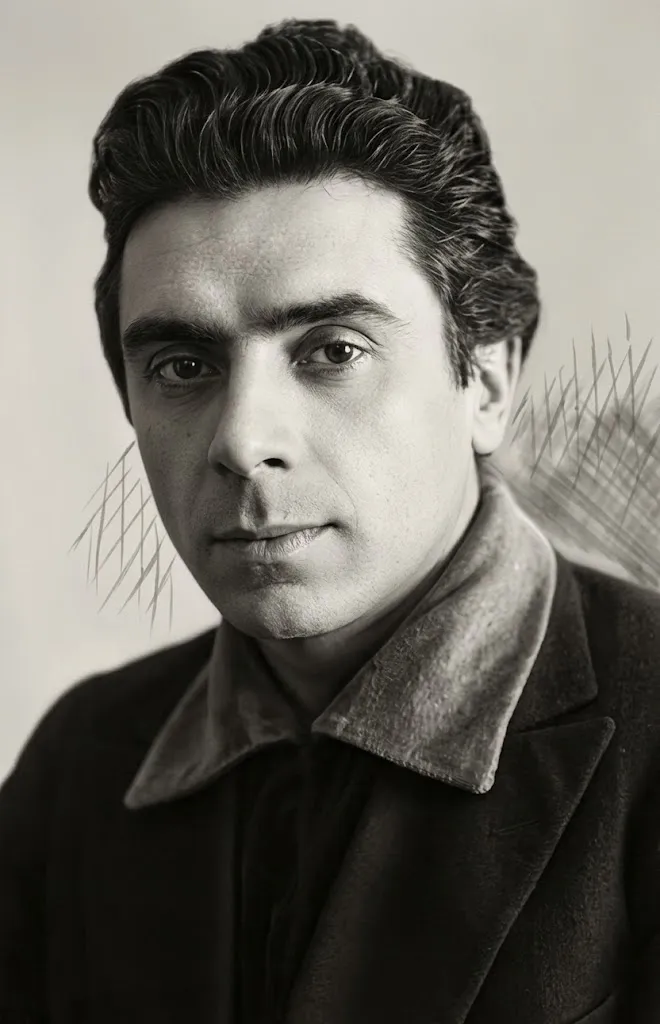
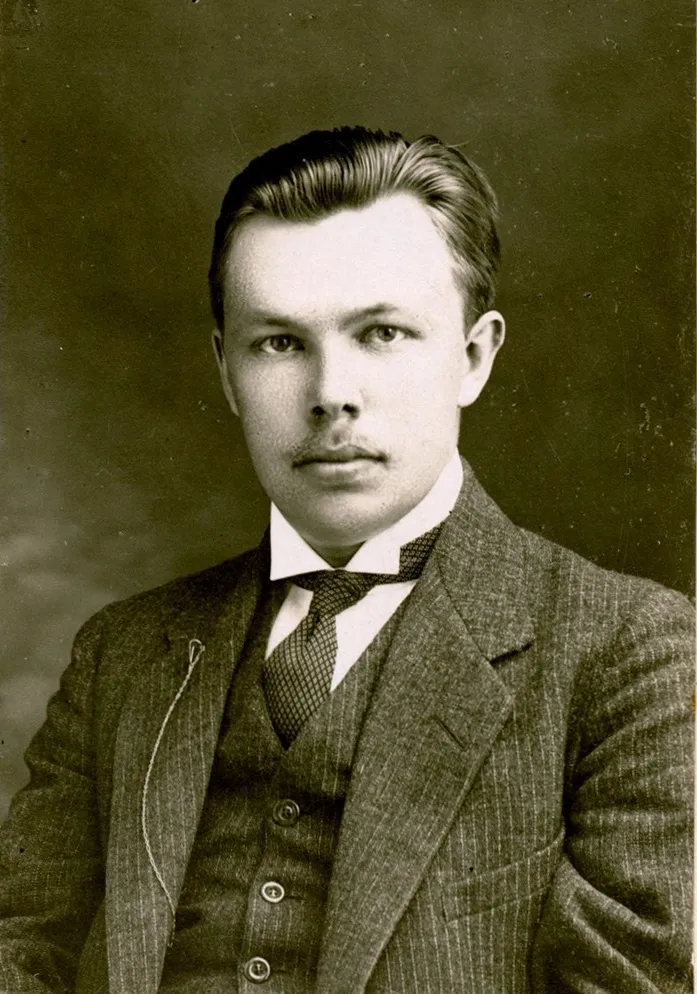
Les Kurbas
Reformer of Ukrainian theater
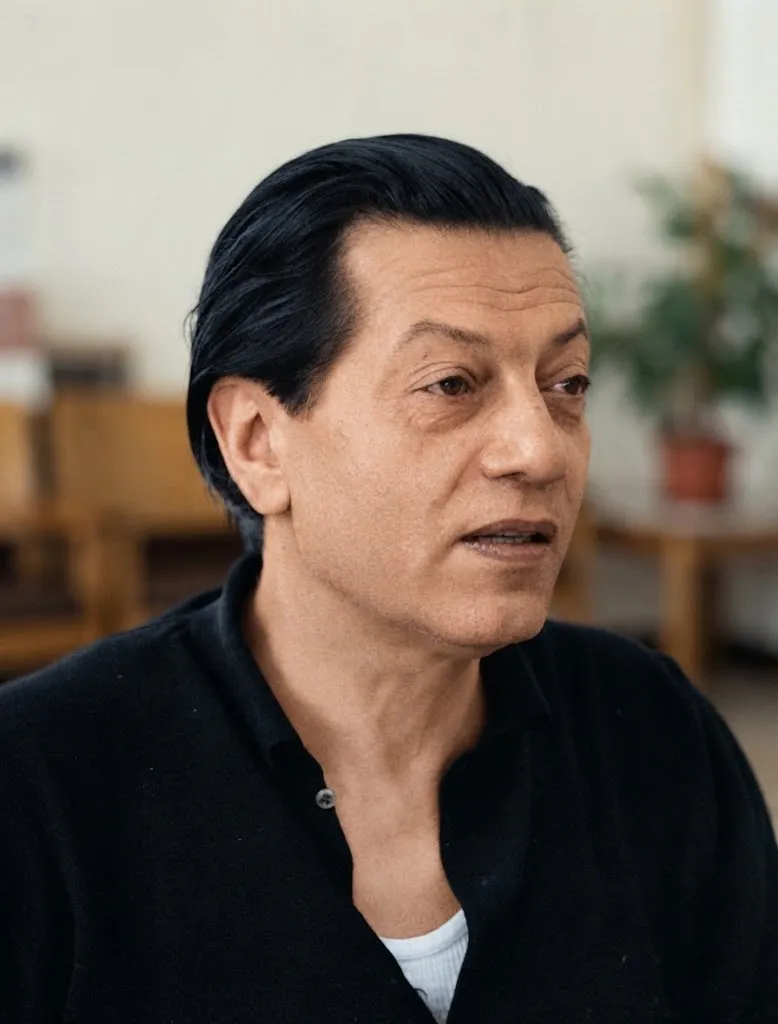
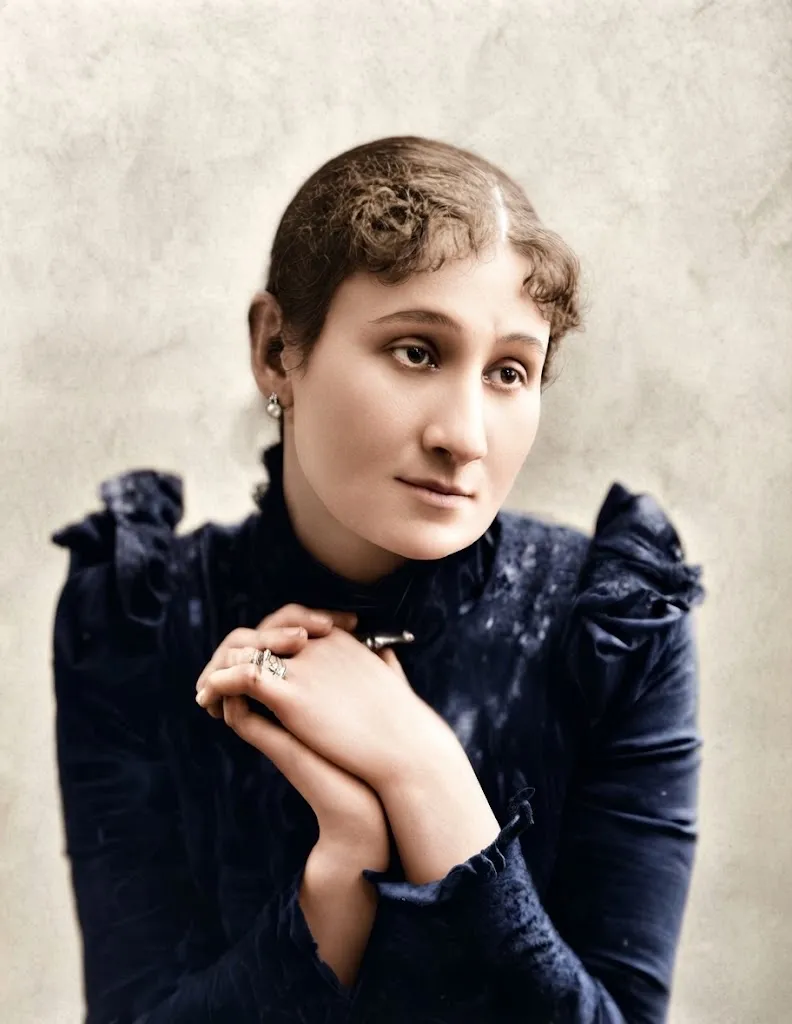
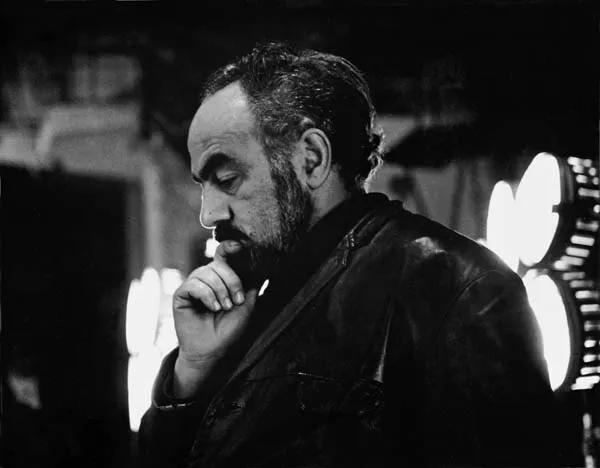
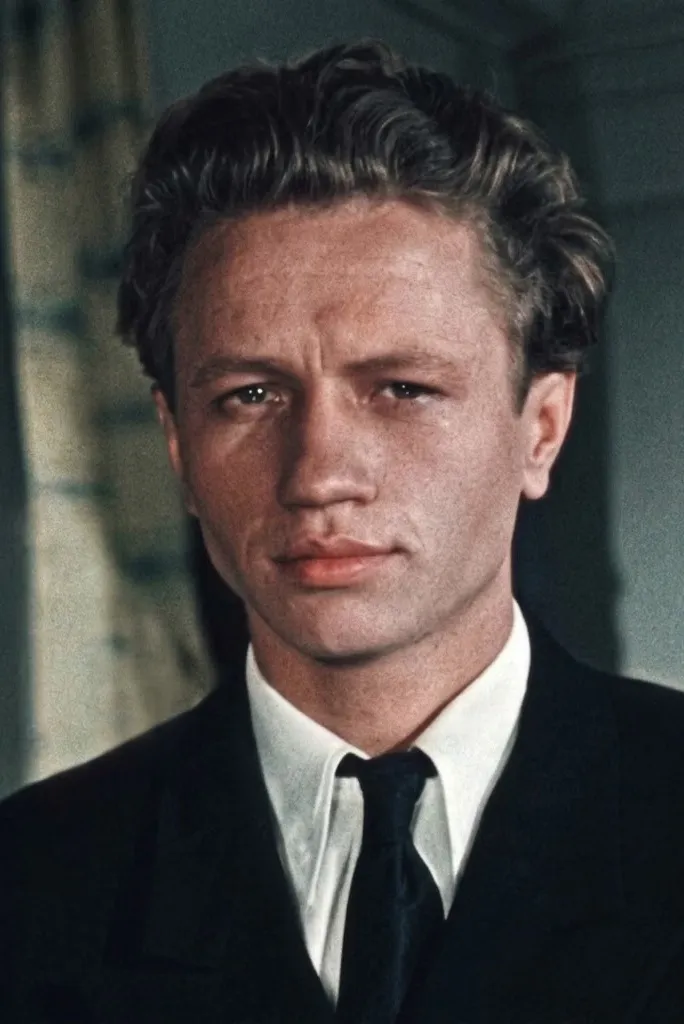
Even in a Soviet prison camp he kept staging plays. Les Kurbas, founder of the Molodyi Teatr and the Berezil, made Ukrainian theater the equal of Europe’s modern stages. In 1937 he was shot at Sandarmokh.
Key accomplishments
- Founded the Molodyi Teatr in Kyiv (1917) and the Berezil artistic association (1922)
- Gave the first Ukrainian stagings of Sophocles’ Oedipus Rex, Shakespeare’s Macbeth, and Mykola Kulish’s The People’s Malakhii and Myna Mazailo
- Directed the films Vendetta, Macdonald (both 1924) and Arsenaltsi (1925)
- People’s Artist of the Republic (1925; the title was revoked in 1933 and restored in 1991)
How do you make Ukrainian theater European?
Les Kurbas knew the answer: go and see the best, then bring it home. He was born in 1887 in Galicia into a family of actors (in Sambir, according to most encyclopedias; the Encyclopedia of the History of Ukraine, citing his Polish birth certificate, names Przemyśl), and he spent his childhood with his grandfather, a priest, in the village of Staryi Skalat in the Ternopil region. He studied philosophy at the universities of Vienna and Lviv, acted in the Hutsul Theater and the Ruska Besida theater, and in 1914 travelled to Warsaw, Prague, Berlin and Munich to see their theaters. In 1915 he founded the Ternopilski Teatralni Vechory troupe in Ternopil.
From the Young Theater to the Berezil
In 1916 Kurbas worked in Mykola Sadovskyi’s theater in Kyiv, and in 1917 he created the Molodyi Teatr (Young Theater). There he staged Sophocles’ Oedipus Rex in Ukrainian for the first time and opened Ukrainian theater to European modernism. In 1922 he founded the Berezil artistic association with five workshops; in 1926 the theater moved to Kharkiv, then the capital of Soviet Ukraine. Kurbas made several films and trained a generation of actors and directors, among them Amvrosii Buchma, Yosyp Hirniak and Nataliia Uzhvii.
Berezil’s peak came with the productions Kurbas created together with the playwright Mykola Kulish and the designer Vadym Meller: The People’s Malakhii (1928), Myna Mazailo (1929) and Maklena Grasa (1933).
Plays even in the camp
The authorities launched a campaign of harassment against the artists. In the autumn of 1933 Kurbas was removed as head of the theater and stripped of his title of People’s Artist, and on 26 December he was arrested in Moscow in the fabricated “Ukrainian Military Organization” case. He was sentenced to 5 years in labor camps. On the White Sea–Baltic Canal and on the Solovetsky Islands he went on staging plays in camp theaters. In 1937 a special NKVD troika sentenced Kurbas to death; on 3 November 1937 he was shot at Sandarmokh in Karelia. He was rehabilitated in 1957.
Why it matters today
Kurbas proved that Ukrainian theater could be intellectual and innovative, the equal of the best European stages. His fate became one of the symbols of the Executed Renaissance. Since 1987 his anniversaries have been marked by decision of UNESCO, a State Prize in his name has existed since 1994, and the Lviv Academic Theater and the National Center of Theater Arts bear his name.