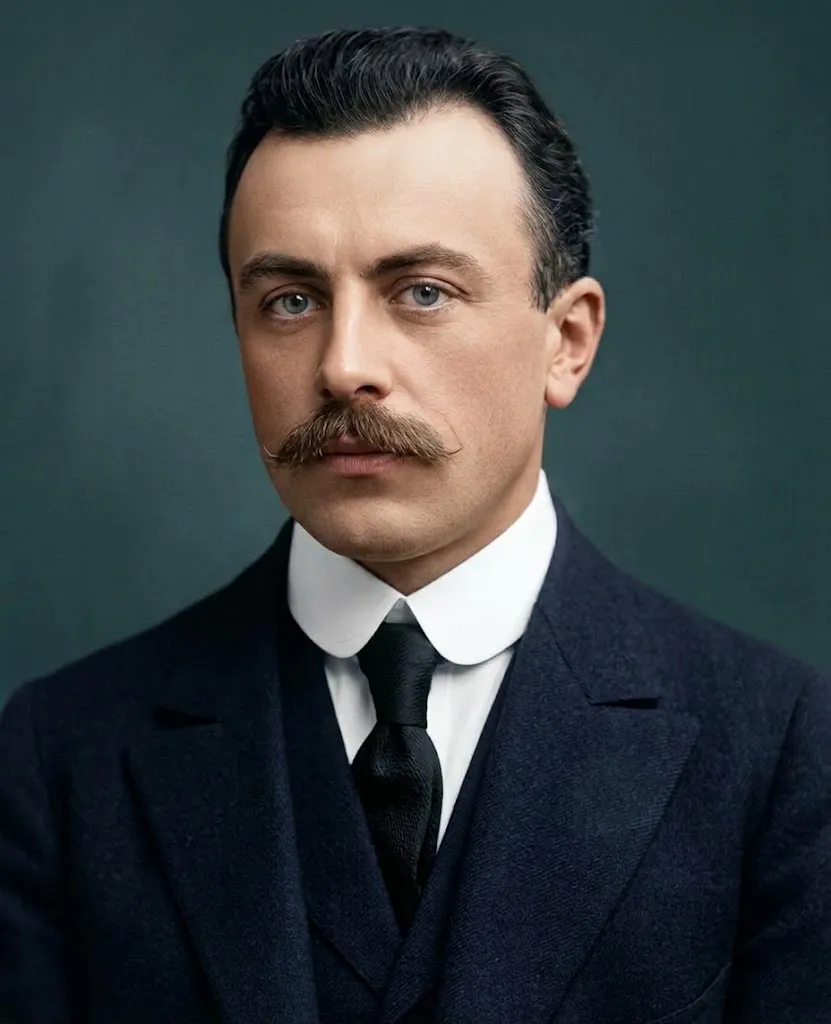
Vira Kholodna
Film actress, “queen of the screen”
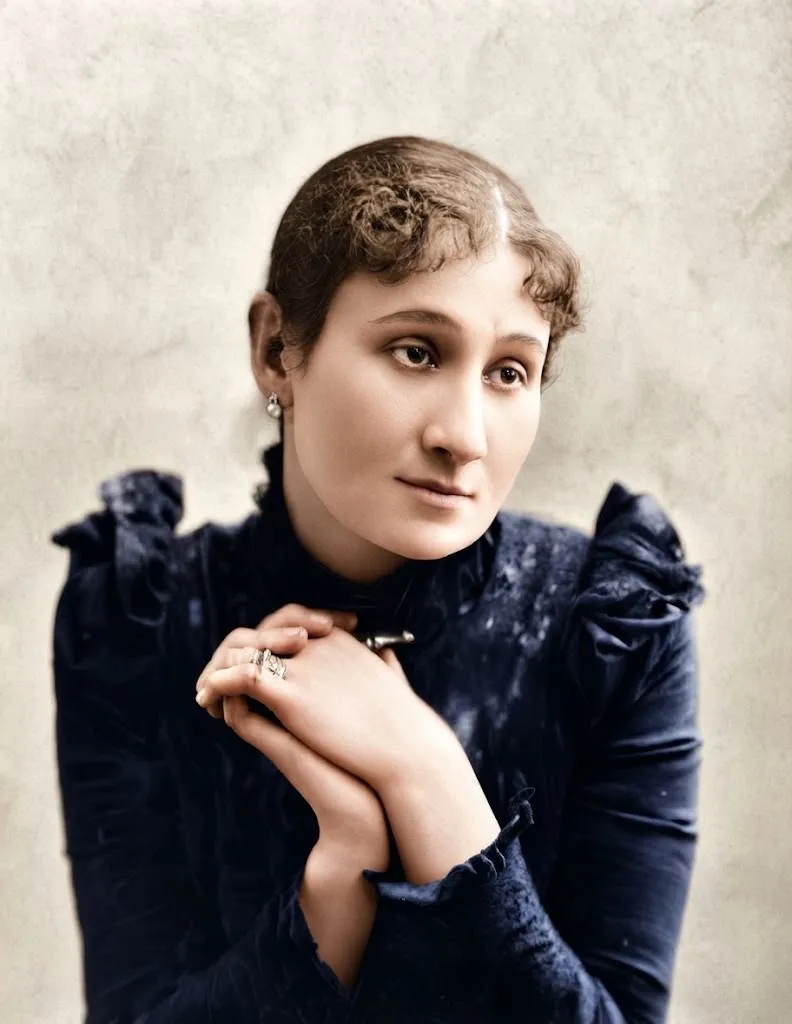
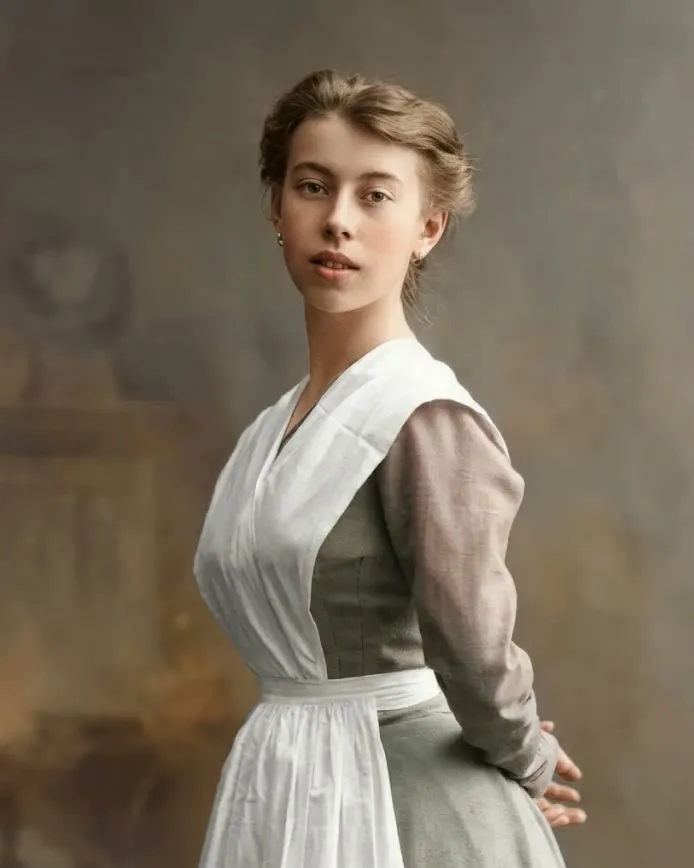
Audiences called her the “queen of the screen,” though her career lasted less than five years. Vira Kholodna from Poltava became one of the first great silent-film stars of the russian empire: in Kharkiv, the crowd trying to get in to see her film smashed a cinema’s windows.
Key accomplishments
- One of the first great stars of silent cinema in the russian empire, the “queen of the screen”
- Dozens of film roles in 1914–1919
- Her breakthrough was Yevgeny Bauer’s film Song of Triumphant Love (1915)
- Surviving films include Children of the Age, Mirages and A Life for a Life
Where did the name “Kholodna” come from?
She was born Vira Levchenko, in 1893 in Poltava, the daughter of a literature teacher. She grew up in Moscow, where she went to a girls’ gymnasium and, briefly, to the Bolshoi Theatre’s ballet school. The surname that ended up on every film poster came from her husband, the lawyer Volodymyr Kholodnyi.
A star after one film
Vira first appeared on screen in 1914, in a small part in the film Anna Karenina. The next year the director Yevgeny Bauer gave her the lead in Song of Triumphant Love, and that film made her a star. In Kharkiv the crowd trying to get into Song of Triumphant Love at the Ampir cinema smashed the windows, and mounted dragoons had to be called in. The Michel cinema in Kharkiv showed A Life for a Life for 12 days in a row, longer than any film had run there before. By his own account, the singer Alexander Vertinsky invented the title “queen of the screen”; he dedicated songs to her. When he showed her his song “Your Fingers Smell of Incense,” she asked him to take the dedication off: “This is death!” After she died, he inscribed it after all: “To the Queen of the Screen, Vira Kholodna.” She worked at the Moscow studios of Aleksandr Khanzhonkov and later Dmitry Kharitonov, with Bauer, Pyotr Chardynin and Vladimir Gardin. In under five years dozens of films with her came out, mostly dramas and melodramas.
Kharitonov’s troupe moved to Odesa in 1918. There Kholodna kept filming and performed at charity concerts. On 8 February 1919 a frost hit, down to minus 11–13 °C, and at a charity evening the audience sat in fur coats while she, already coughing, went on stage in a concert dress. After that her illness got worse: it was the “Spanish flu,” the pandemic influenza, and on 16 February Vira Kholodna died. She was 25. Her funeral was filmed: the documentary The Funeral of Vira Kholodna reached Odesa’s screens within days, and it survives today. She was buried at the First Christian Cemetery in Odesa, but the cemetery was destroyed in the 1930s and her grave has not survived.
Why it matters today
Vira Kholodna was one of the first film stars in the modern sense: audiences called her the “queen of the screen,” though her whole career lasted less than five years. Her story shows how quickly a new art, cinema, could make someone famous across an empire. She was born and died in Ukraine, although she worked mostly in Moscow cinema. Only a few of her films survive, and they let us see the actress herself behind the legends.