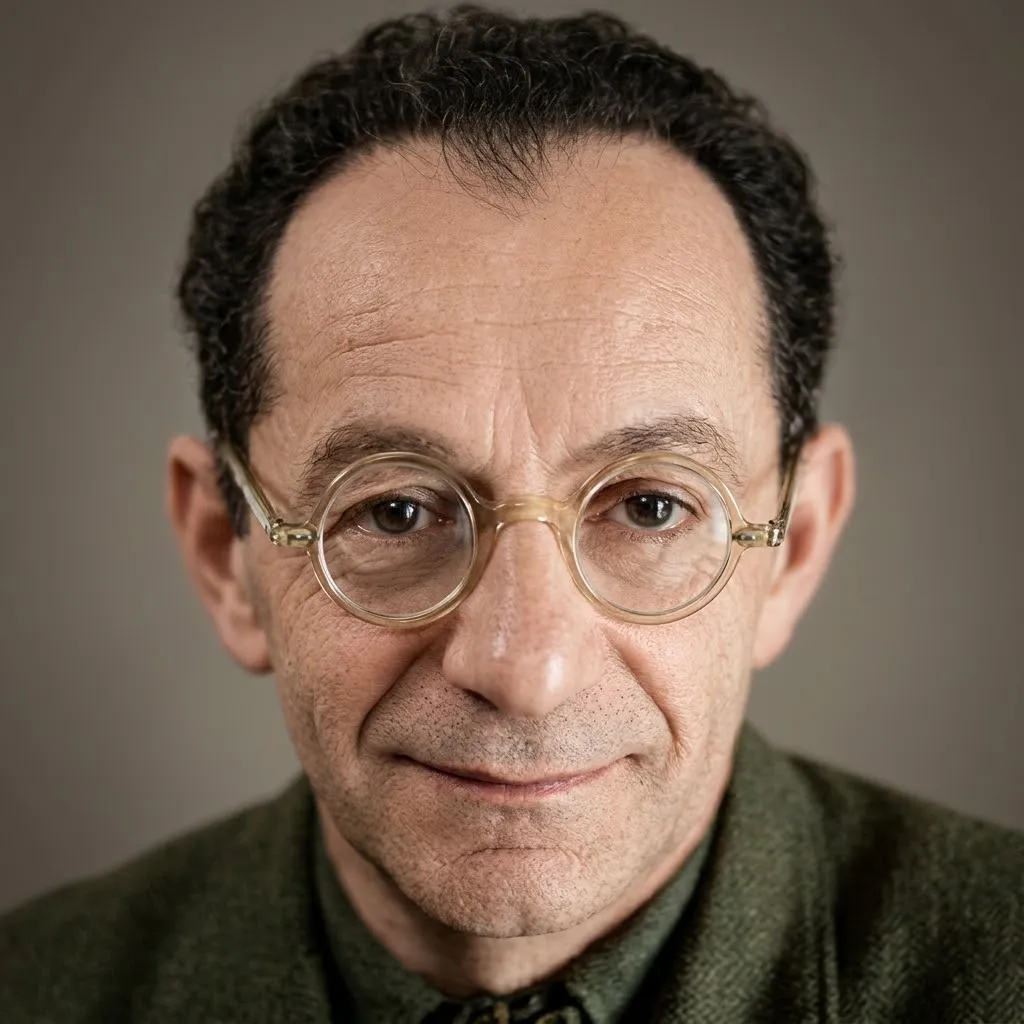
1880–1938
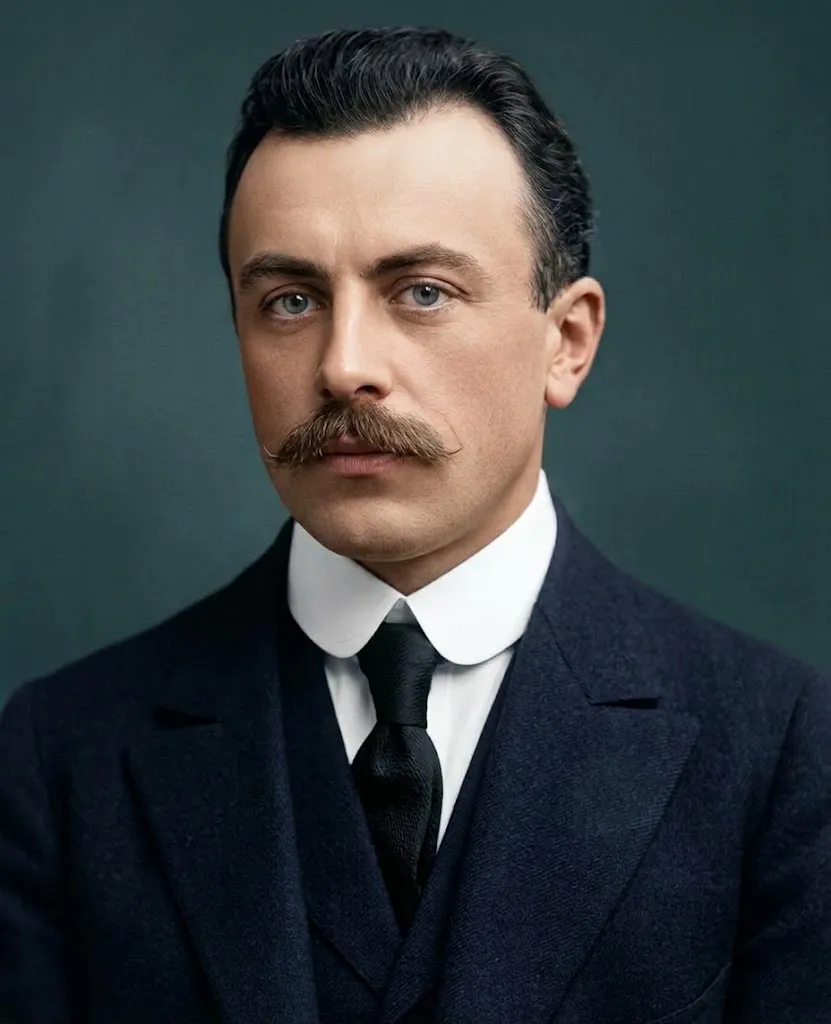
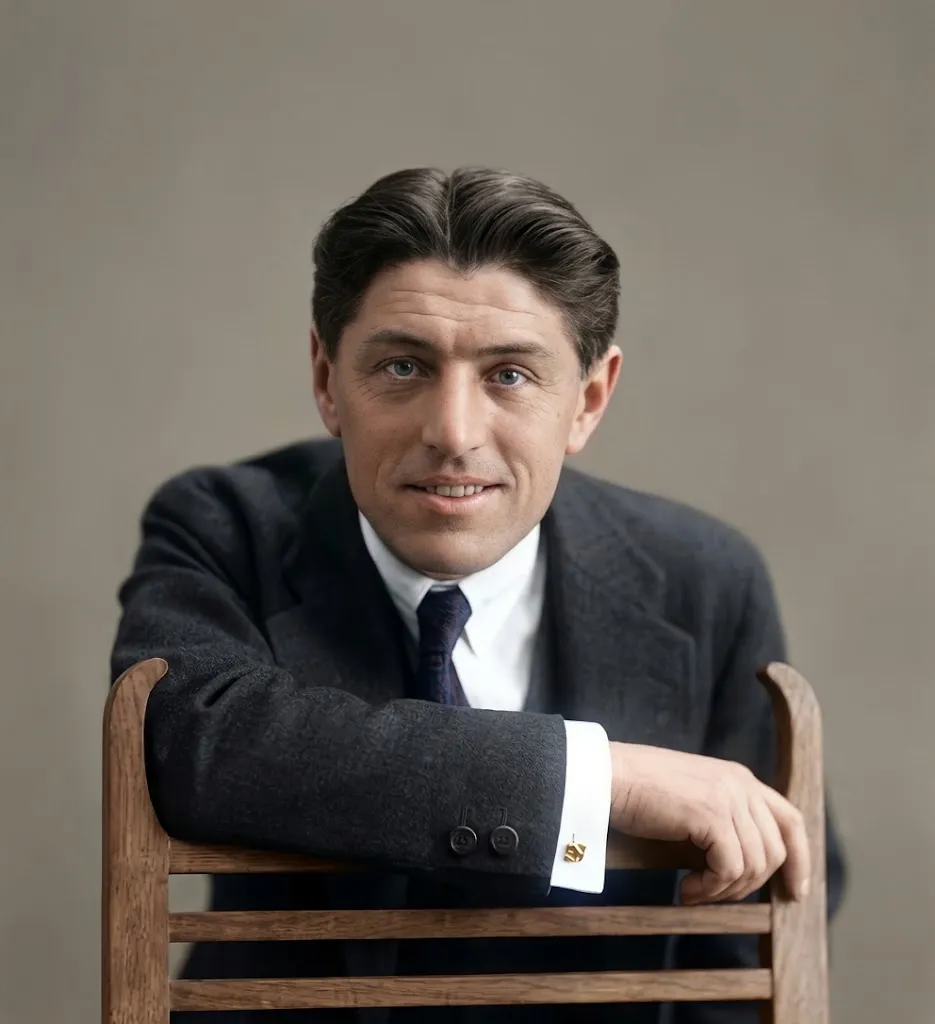
Vasyl Verkhovynets
Composer and folk-dance scholar
In 1935 a hopak set to his music took first prize at an international festival in London. Vasyl Verkhovynets, a composer and conductor, wrote the first Ukrainian textbooks of folk dance and the children’s collection Vesnianochka. He was shot in Kyiv in 1938.
Key accomplishments
- The textbooks Ukrainian Folk Dances (1913) and Theory of the Ukrainian Folk Dance (1919): 41 dance movements and his own way of notating dance
- A full record of the wedding rite in the village of Shpychyntsi (1912): 140 songs and 70 melodies; published as The Ukrainian Wedding (1914)
- Vesnianochka (1925), a collection of 210 children’s games and 226 songs and melodies
- The Triple Hopak to his own music (with L. Zhukov): first prize at the International Folk Dance Festival in London (1935)
- A co-founder and the ballet master of the Kharkiv Theater of Musical Comedy (1929)
- Staged (with V. Lytvynenko) M. Verykivskyi’s ballet Pan Kanovskyi at the Kharkiv Opera and Ballet Theater (1931)
- Art songs to words by Lesya Ukrainka, Ivan Franko and Maksym Rylskyi
How did a hopak win in London?
In 1935 London hosted an International Folk Dance Festival, and first prize went to a Ukrainian piece, the Triple Hopak. It was staged by Vasyl Verkhovynets and L. Zhukov, to music by Verkhovynets himself. Behind that success lay decades of work by the man who wrote the first textbooks of Ukrainian folk dance.
From the stage to scholarship
Verkhovynets (his real surname was Kostiv) was born in 1880 in the village of Staryi Mizun in Galicia, now in the Ivano-Frankivsk region. He trained at the teachers’ seminary in Sambir, then sang, acted and led the choir at the Ruthenian People’s Theater in Lviv. From 1906 to 1915 he was an actor, choirmaster, choreographer and conductor at Mykola Sadovskyi’s theater, and in 1908 he graduated from Mykola Lysenko’s music and drama school in Kyiv. In 1915–1917 he conducted and staged dances for the Society of Ukrainian Artists, whose company included Mariia Zankovetska and Panas Saksahanskyi.
In 1912 Verkhovynets recorded an entire wedding rite in the village of Shpychyntsi: 140 wedding songs and 70 melodies. That same year the wedding was staged at Sadovskyi’s theater, and in 1914 his record came out in print as The Ukrainian Wedding. He wrote the first Ukrainian textbooks of folk dance, Ukrainian Folk Dances (1913) and Theory of the Ukrainian Folk Dance (1919). In the Theory he described 41 dance movements, devised his own way of writing dance down and argued that a Ukrainian classical ballet could be built on folk dance.
Songs for children and for the stage
In the 1920s and early 1930s Verkhovynets taught in Poltava. For children he compiled Vesnianochka (1925): 210 folk games and 226 songs and melodies. He wrote down 300 folk songs, set poems by Lesya Ukrainka, Ivan Franko and Maksym Rylskyi to music, and arranged patriotic songs such as Yaroslav Yaroslavenko’s “For Ukraine” and Anatol Vakhnianyn’s “Rage On, Rage On, You Savage Executioners”. In 1929 he helped found the Kharkiv Theater of Musical Comedy and became its ballet master, and in 1931, with V. Lytvynenko, he staged Mykhailo Verykivskyi’s Pan Kanovskyi at the Kharkiv Opera and Ballet Theater, the first Ukrainian national classical ballet. From 1930 to 1937 he and his wife, Yevheniia Dolia, ran Zhinkhorans, a women’s choral theater ensemble they had founded.
Arrest
Verkhovynets was arrested and accused of belonging to an underground “nationalist” organization. He was shot in Kyiv on 11 April 1938. He was later rehabilitated posthumously.
Why it matters today
Verkhovynets turned folk dance, passed from person to person, into knowledge that could be learned from a book and brought to the stage. His textbooks and field records gave Ukrainian choreography a foundation of its own, and Vesnianochka taught children to play and sing in Ukrainian. The hopak that took first prize in London showed that Ukrainian dance could hold its own on the world stage. He is regarded as the founder of the folk-dance school of Ukraine and the whole Ukrainian diaspora, carried on by Pavlo Virskyi and Vasyl Avramenko, among others. Everyone who teaches or dances Ukrainian folk dance builds on what he collected and described.