The Holodomor
Soviet Ukraine and the Kuban
Ukraine grew the grain, yet in 1932–1933 millions of its villagers starved to death. The cause was not drought but the regime’s decisions: grain and then all food were taken away, and people were not allowed to leave to save themselves. Ukraine recognizes the Holodomor as genocide.
Timeline
- 7 August 1932 A decree on protecting “socialist property”, the “law of five ears of grain”
- 18 November 1932 Fines in kind: meat, lard and potatoes are taken from villagers “in debt” on grain deliveries
- 6 December 1932 A resolution puts villages on “blacklists”
- 22 January 1933 A directive from Stalin and Molotov bans peasants from leaving Soviet Ukraine and the Kuban
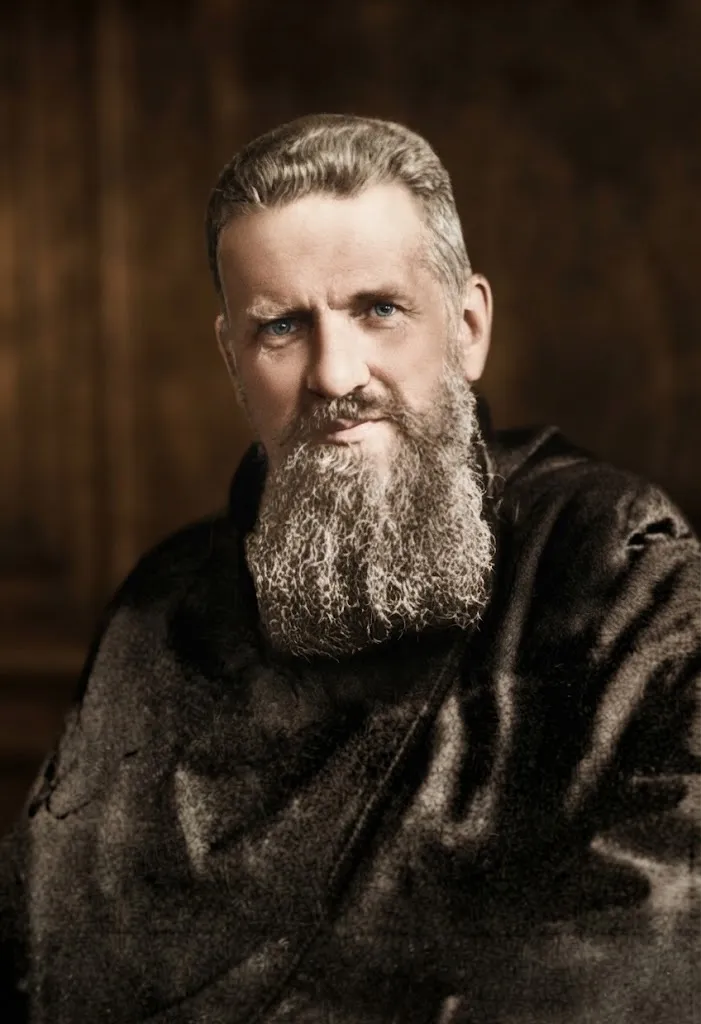
- 24 July 1933 Metropolitan Andrei Sheptytskyi and the bishops appeal to the world in a pastoral letter
- 29 September 1933 The League of Nations Council discusses the starving in Ukraine at a closed session
- 28 November 2006 Ukraine’s parliament recognizes the Holodomor as genocide of the Ukrainian people
- 13 January 2010 The Kyiv Court of Appeal finds Soviet and Soviet Ukrainian leaders guilty of organizing the Holodomor
Why did millions of people starve to death in 1932–1933 in Ukraine, which supplied a large share of the whole USSR’s grain? It was not a drought. The famine was made by the regime: first grain and then all food was taken from people, and they were not allowed to leave to look for help elsewhere. Today this crime is called the Holodomor, “killing by hunger”.
Why the regime needed the grain
The Soviet regime was rushing to build factories and buying machinery for them abroad, paying above all in grain. In 1930–1931 the USSR sold about 5 million tonnes of grain abroad a year, and even in the famine years of 1932–1933 almost 1.7 million. The Ukrainian countryside resisted collectivization more than anywhere: according to the OGPU, the Soviet secret police, more than 4,000 peasant protests broke out in Soviet Ukraine in 1930, with over a million people taking part. Historians believe Stalin saw the peasantry as the backbone of the Ukrainian national movement, and the famine was meant to break that resistance.
How the grain was taken
From the late 1920s villagers were forced into collective farms. In the summer of 1932 Moscow gave Ukraine a grain quota that could not be met. On 7 August 1932 a decree on protecting “socialist property” came out, which people called the “law of five ears of grain”. Someone caught taking a few ears of grain from a collective field could be shot or jailed for at least ten years.
When the quota was not met, brigades came to the villages in the autumn, searched the houses and took the grain. From 18 November 1932 meat, lard and potatoes were taken from villagers “in debt”, and later almost any food at all. On 6 December a resolution on “blacklists” followed: a village put on the list was cut off from all goods and trade, and everyone in it was punished together.
Sealed borders
On 22 January 1933 Stalin and Molotov signed a directive that banned peasants from leaving Soviet Ukraine and the Kuban. In the first six weeks almost 220,000 people were stopped, and more than 186,000 of them were sent back to their starving villages. Internal passports had been brought in across the USSR in December 1932, and villagers were not given them. Most deaths came in the spring and summer of 1933, mostly children and older people.
Famine elsewhere in the USSR
The famine of 1932–1933 also struck other grain-growing parts of the USSR: the Volga region, the North Caucasus and the Central Black Earth region. But the ban on leaving applied only to Ukraine and the Kuban, where many Ukrainians lived. Even earlier, in 1930–1933, famine devastated Kazakhstan: nomads were forced to settle on the land, and their livestock was taken or slaughtered. Estimates of the dead there range from 1.5 to 2.1 million people, almost 40% of all Kazakhs.
The world knew, and stayed silent
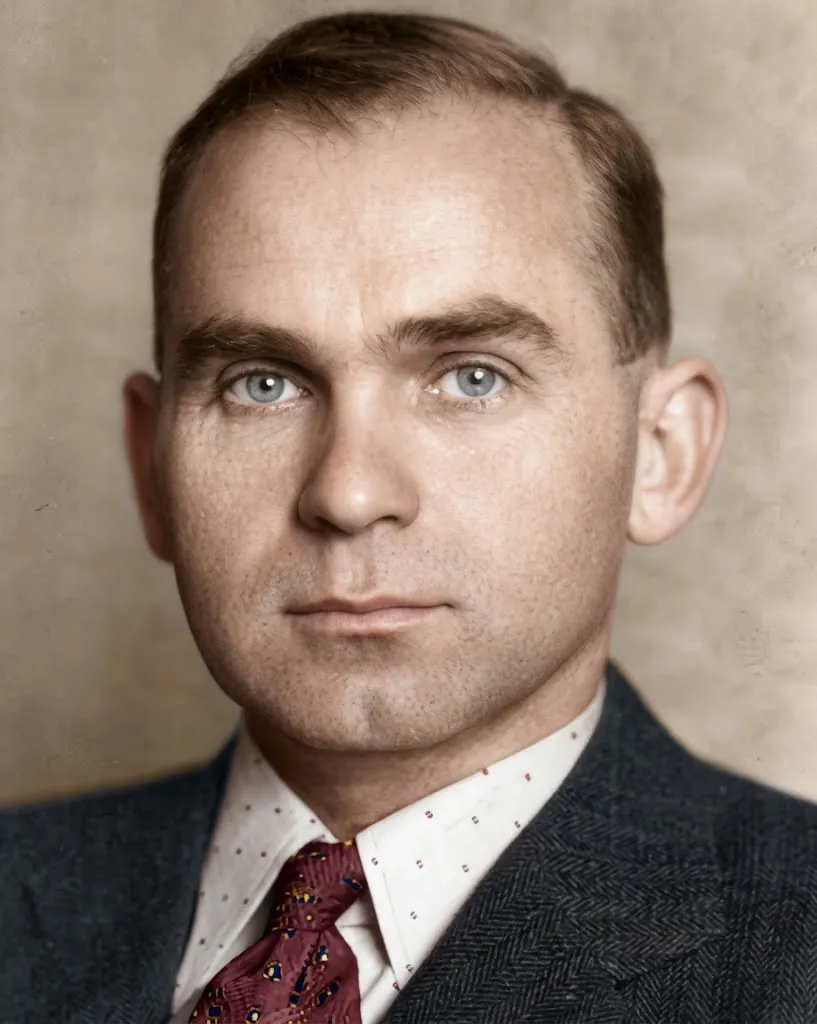
The Soviet authorities denied there was any famine, and talking about it was forbidden in the USSR. Village councils were told not to record the cause of death, and in 1934 the death registers for 1932–1933 were taken away to secret departments, where most of them were destroyed. The 1937 census showed how many people were missing, so it was declared “defective” and classified, and its organizers were shot. The truth came from those who saw it with their own eyes: in March 1933 the British journalist Gareth Jones spent about ten days walking through the villages and collective farms of the Kharkiv region, then published reports on the famine in the press of Britain, the United States and Germany. Foreign diplomats reported the famine to their governments too. In 1933 the Italian diplomat in Kharkiv Sergio Gradenigo wrote that officials had admitted nine million deaths in Ukraine alone; German diplomats’ reports spoke of 7 to 10 million victims.
In Galicia, then part of Poland, people heard about the famine first-hand. On 24 July 1933 Metropolitan Andrei Sheptytskyi and the bishops appealed to the world in a letter, “Ukraine in Death Throes”, and the next day a public committee to help the starving was set up in Lviv. Thanks to Ukrainians abroad, among them Milena Rudnytska, the League of Nations Council discussed the plight of the starving at a closed session on 29 September 1933. On 29 October 1933 the Ukrainians of Galicia held a Day of Mourning and Protest.
The truth comes back
The first books about the Holodomor were written outside Soviet Ukraine: Ulas Samchuk published his novel Maria as early as 1934, and Vasyl Barka wrote The Yellow Prince in 1958–1961. In 1984–1988 a commission of the US Congress investigated the famine, and only at the end of 1987 did the leaders of Soviet Ukraine first admit it had happened.
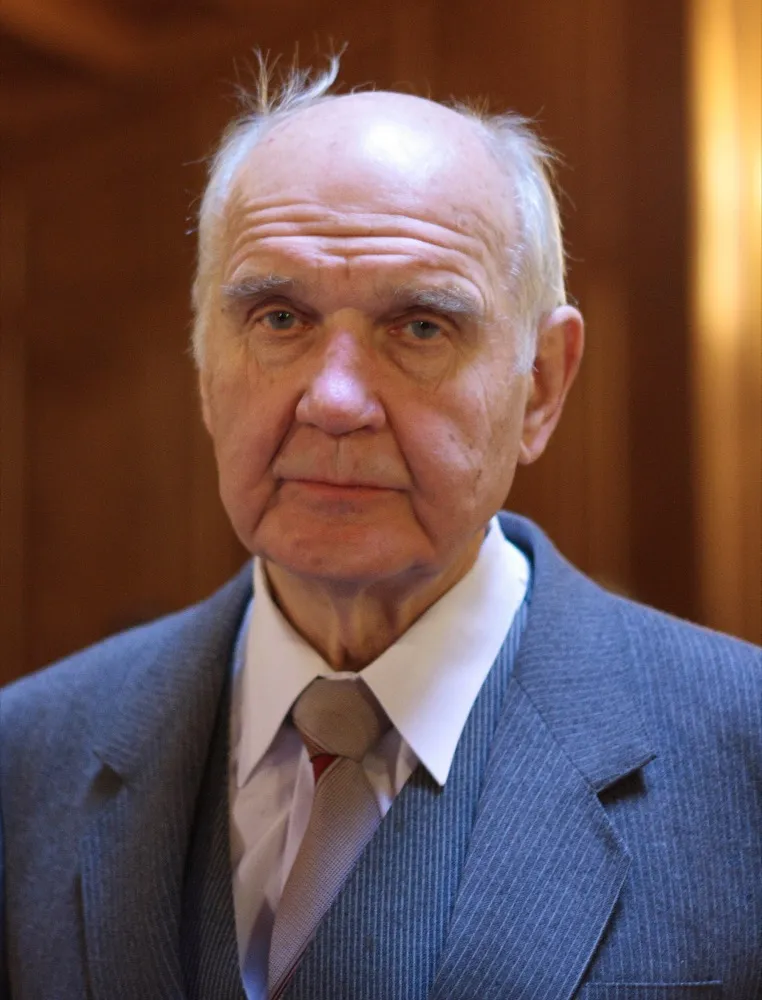
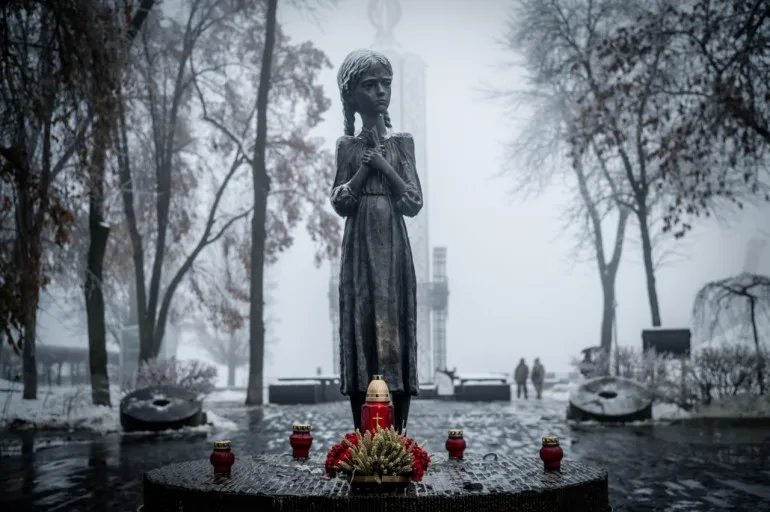
On 28 November 2006 Ukraine’s parliament passed the law “On the Holodomor of 1932–1933 in Ukraine”, which recognized it as genocide of the Ukrainian people and made public denial of the Holodomor unlawful. Ihor Yukhnovskyi, the first head of the Ukrainian Institute of National Memory, helped get the law passed. In 2008 the Holodomor memorial opened in Kyiv. On 13 January 2010 the Kyiv Court of Appeal found Stalin, Molotov, Kaganovich, Postyshev, Kosior, Chubar and Khataievich guilty of organizing the Holodomor; the case was closed because they were dead. According to Ukraine’s Foreign Ministry, as of November 2025, 28 countries had recognized the Holodomor as genocide, as had the European Parliament, PACE and the Baltic Assembly. In Ukraine the victims are remembered every year on the fourth Saturday of November.
Debates and assessments
The exact number of the dead can no longer be known. Estimates vary from 3.5 to 7 million. In 2015 demographers from Ukraine’s Institute of Demography and the University of North Carolina put the number of deaths at about 3.9 million. Earlier, as late as 2006, figures of 7 to 10 million were also given.
Almost all historians agree that the famine was caused by the regime’s policies. Whether it was genocide under the 1948 UN Convention is still debated: the Ukrainian state and many scholars say it was; some Western historians, among them Ronald Grigor Suny, argue that an intent to destroy the nation has not been proved and call the Holodomor a crime against humanity.
Why it matters today
The Holodomor took millions of lives not because of nature but because of decisions made by people in power, and for decades it could not even be mentioned. That is why remembering the dead also means bringing back a truth that others tried to erase. Those who survived, and those who told the world about the famine, kept that truth for the generations after them. Knowing it means not letting a crime that was hushed up happen again.