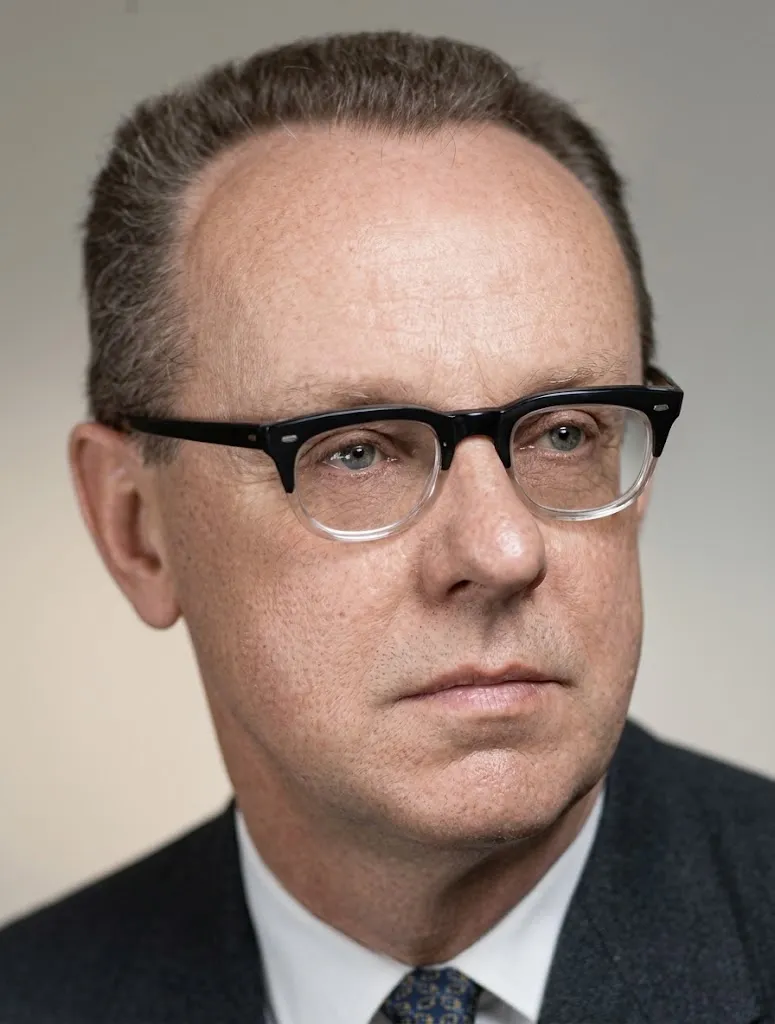
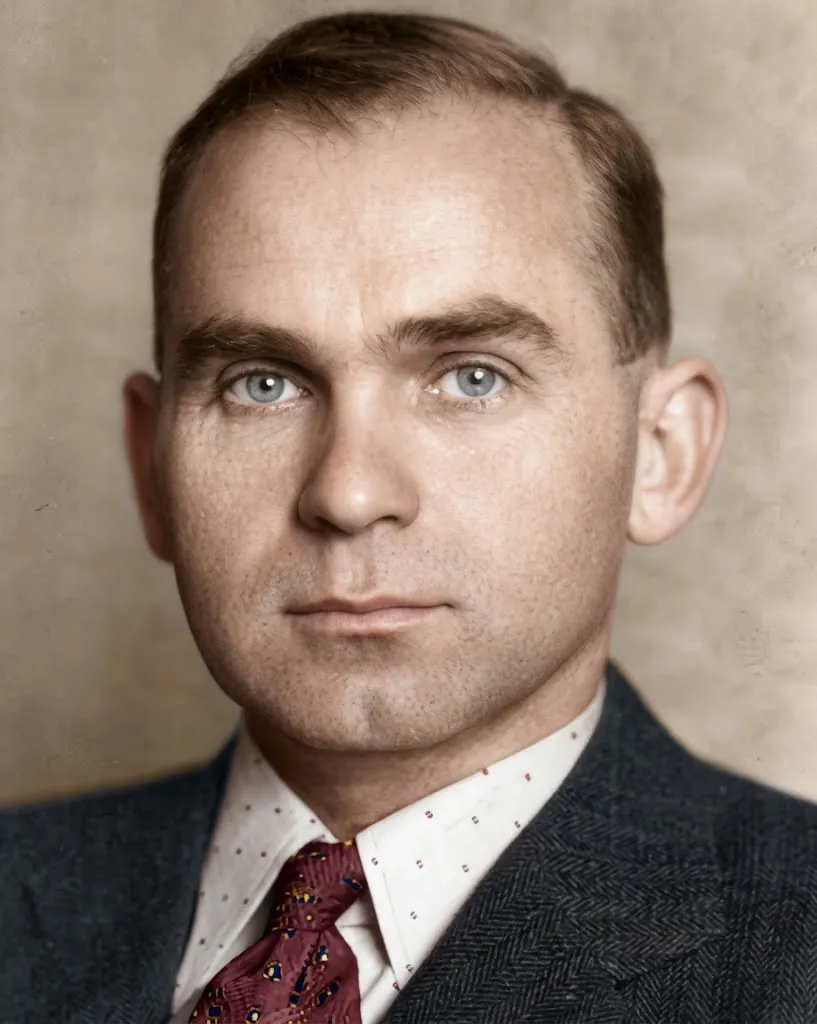
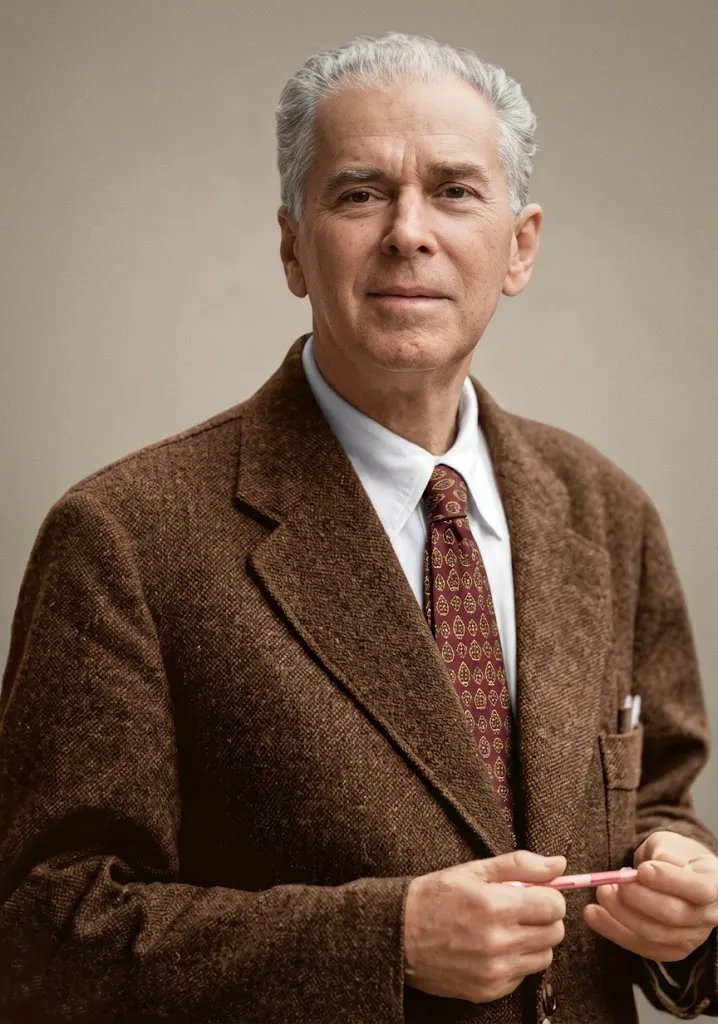
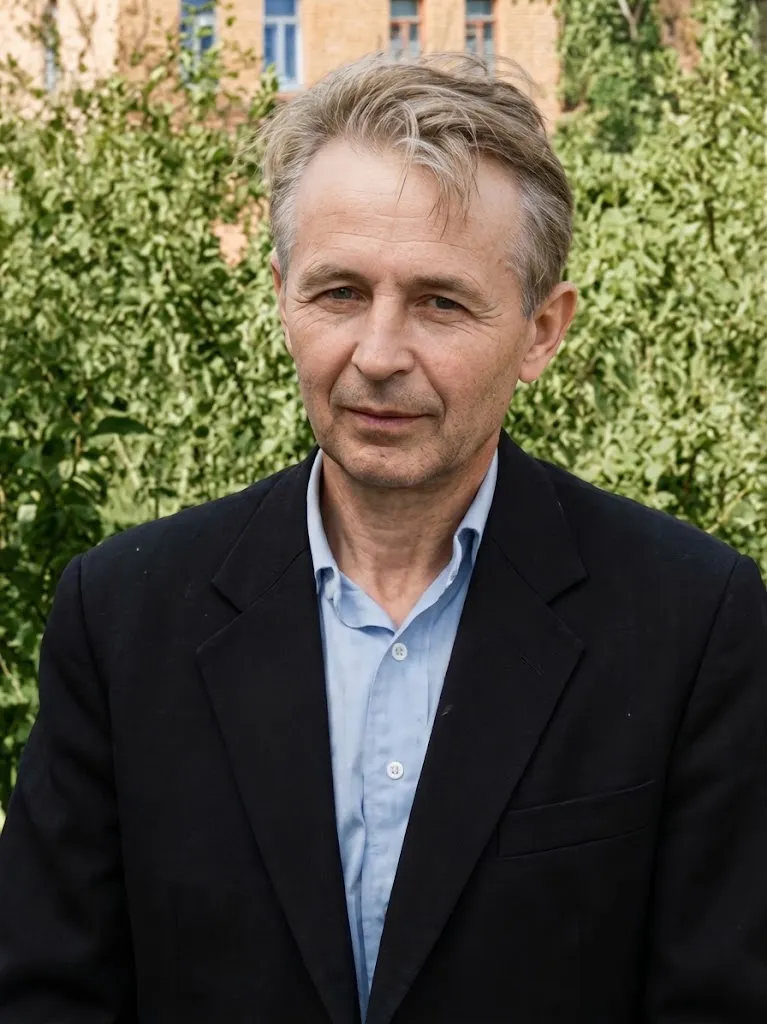
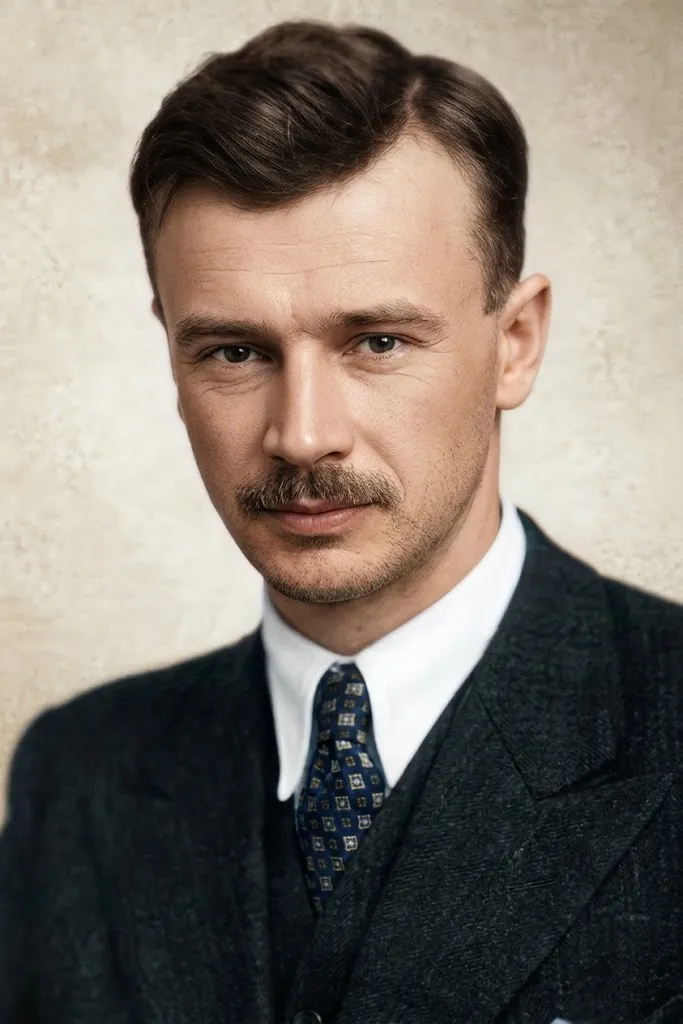
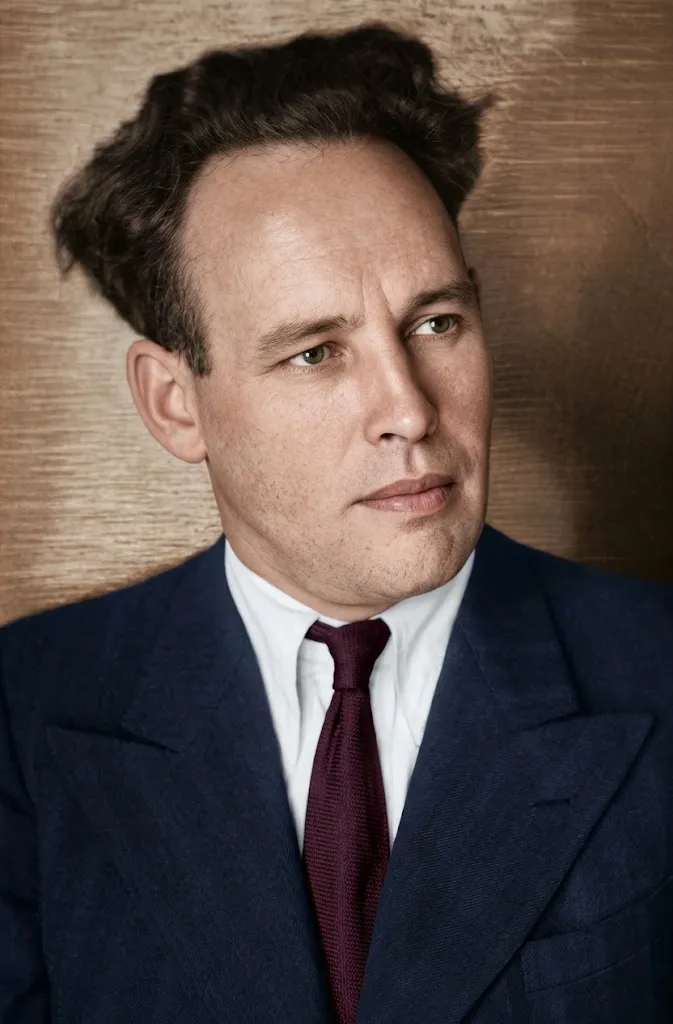
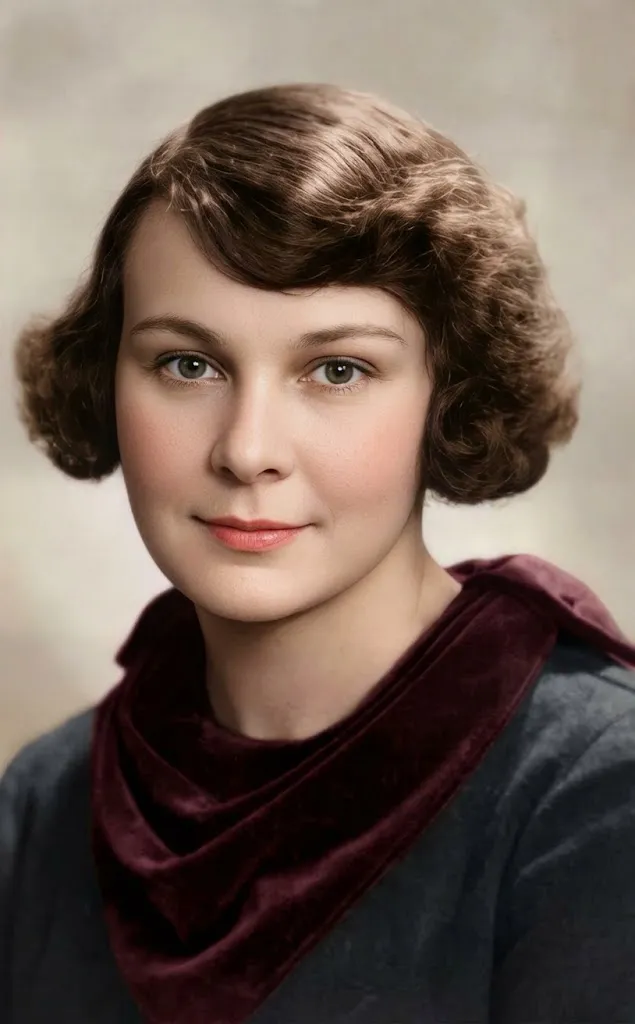
Vasyl Barka
Author of The Yellow Prince
To write honestly about hunger, he went without food himself as he worked in the mountains outside New York. Vasyl Barka, a poet from the Poltava region, wrote The Yellow Prince, one of the first major novels about the Holodomor. Readers in Ukraine could not get it until 1991.
Key accomplishments
- The novel Zhovtyi kniaz (The Yellow Prince; written 1958–1961, in book form 1963), one of the first major works about the Holodomor; translated into French (Gallimard, 1981), German and Italian
- The novel Rai (Paradise, 1953), about the Soviet "paradise" of the 1930s
- Poetry collections Apostoly (1946), Bilyi svit (1947) and Okean (1959); the verse epic Svidok dlia sontsia shestykrylykh (1981)
- Translations of Shakespeare's King Lear (1969), passages of Dante's Divine Comedy (1978) and the Book of Revelation for a Ukrainian Bible
- Antonovych Foundation Prize for the epic Svidok dlia sontsia shestykrylykh
The poet who fell silent
Why would a young poet stop publishing for ten years? Vasyl Ocheret was born in 1908 into a Cossack family in Solonytsia, a village near Lubny. In 1928 he moved to Krasnodar in the Kuban, where he studied and later taught medieval literature. His first collection, Shliakhy (Roads, 1930), was savaged for “bourgeois nationalism”, and after a second book he went quiet for years. In 1940 he defended a dissertation on the style of Dante’s Divine Comedy.
War and a new name
He volunteered for the home guard in 1941; in 1942 he was badly wounded and found himself behind German lines. In 1943 the Germans shipped him to Berlin as a forced labourer: he never saw his wife again, and would not see his son for half a century. After escaping the camp where he unloaded barges, he took the pen name Barka, “barge”, to protect his relatives in the USSR. After the war he walked about a thousand kilometres to a displaced persons camp in Augsburg and joined MUR, the émigré writers’ association started by Yurii Shevelov and led by Ulas Samchuk. In 1950 Barka moved to the United States.
A book written on an empty stomach
Barka wrote The Yellow Prince, the story of one peasant family, in 1958–1961 in the mountains of upstate New York, and often fasted to convey the hunger truthfully. He had lived through the famine of 1932–1933 in the Kuban; what was happening in the Poltava region, where his family stayed, he learned from his brother’s letters. The novel came out in New York in 1963 and in French from Gallimard in 1981. Barka also wrote demanding poetry that grew out of Pavlo Tychyna’s early verse, and translated Shakespeare’s King Lear.
The book comes home
The Yellow Prince was not published in Ukraine until 1991. That year Oles Yanchuk made a film based on it, Holod-33 (Famine-33), shown on the eve of the independence referendum. Vasyl Barka died on 11 April 2003 in Glen Spey, New York, at 94.
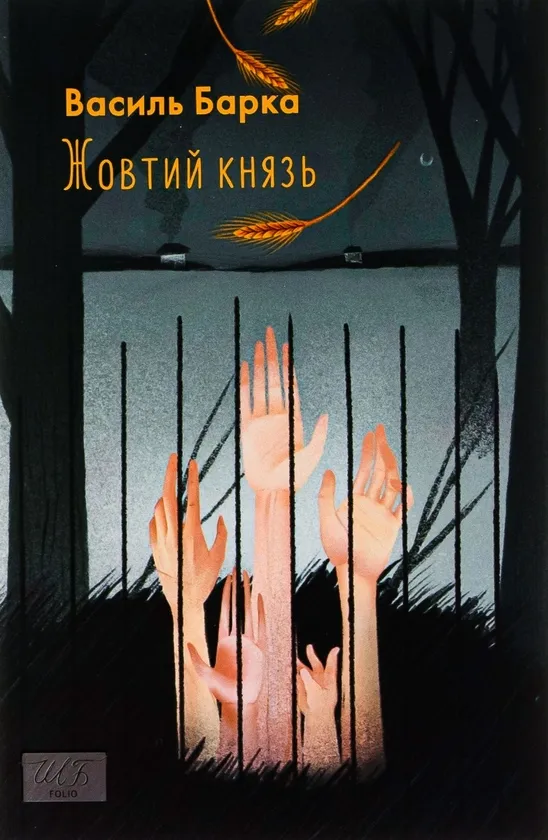
Vasyl Barka’s The Yellow Prince is the first fundamental work of prose about the Holodomor of 1932–1933, a novel that shows through art the scale of the man-made genocide and the destruction of the Ukrainian peasantry by a totalitarian regime. Everyone should read it, to understand our people’s historical tragedy more deeply, to grasp the true nature of totalitarian crimes and to feel the indestructible strength of the human spirit and moral resilience in the face of death.
Why it matters today
When the Holodomor could not even be mentioned in Soviet Ukraine, Barka gave it a voice in a major novel. Through one family’s fate he showed readers in France, Germany, Italy and, in time, Ukraine itself what had been done to the Ukrainian village. His book outlasted the regime that banned the subject and came home with independence. Barka proved that the truth can be kept alive even when your homeland is out of reach.