b. 1973
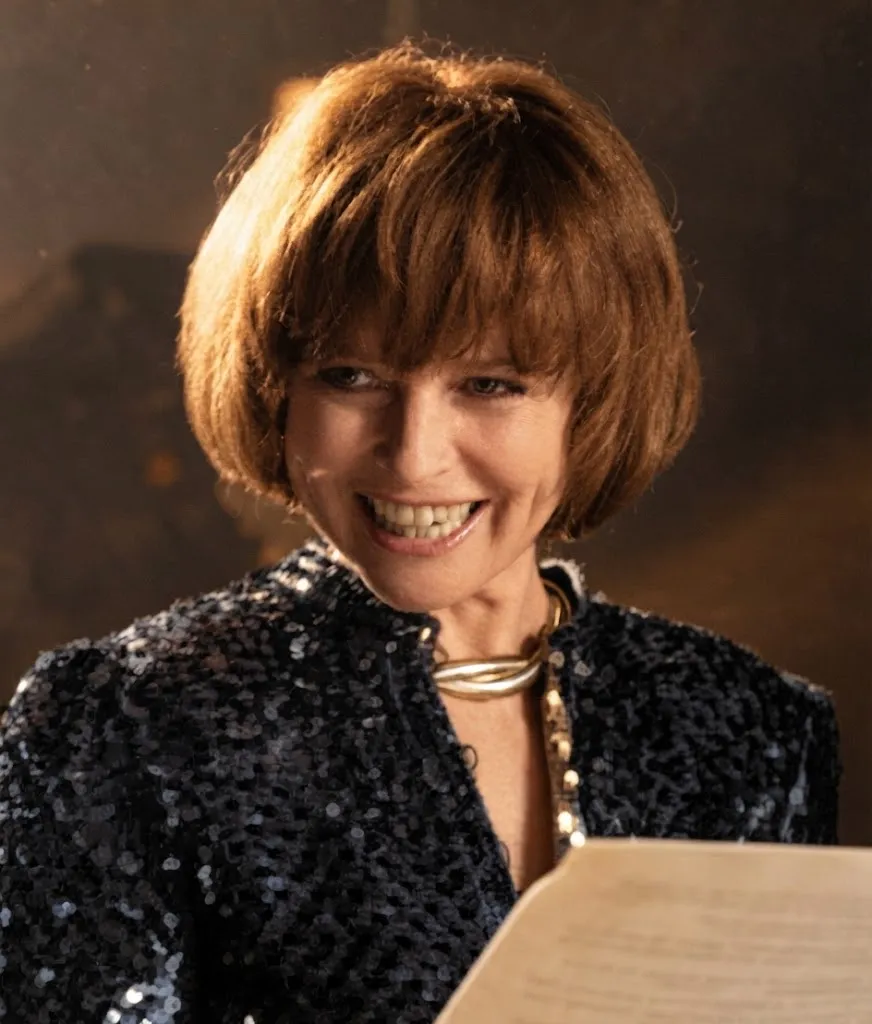
Ruslana Lyzhychko
Singer, Eurovision 2004 winner
In 2004 the piercing call of a Hutsul trembita rang out on the Eurovision stage in Istanbul, and Ukraine won the contest for the first time. That was Ruslana Lyzhychko from Lviv, who in the winter of 2013–2014 sang the anthem on the Maidan over 500 times.
Key accomplishments
- Won Eurovision 2004 in Istanbul with “Wild Dances” (280 points), Ukraine’s first victory
- The project Dzvinkyi Viter (Ringing Wind, from 1996) and a concert tour of Ukraine’s castles (1998)
- The albums Myt Vesny (A Moment of Spring, 1998), Dyki Tantsi (Wild Dances, 2003) and Amazonka (2008)
- Euromaidan activist (2013–2014); Vasyl Stus Prize (2014)
A trembita at Eurovision
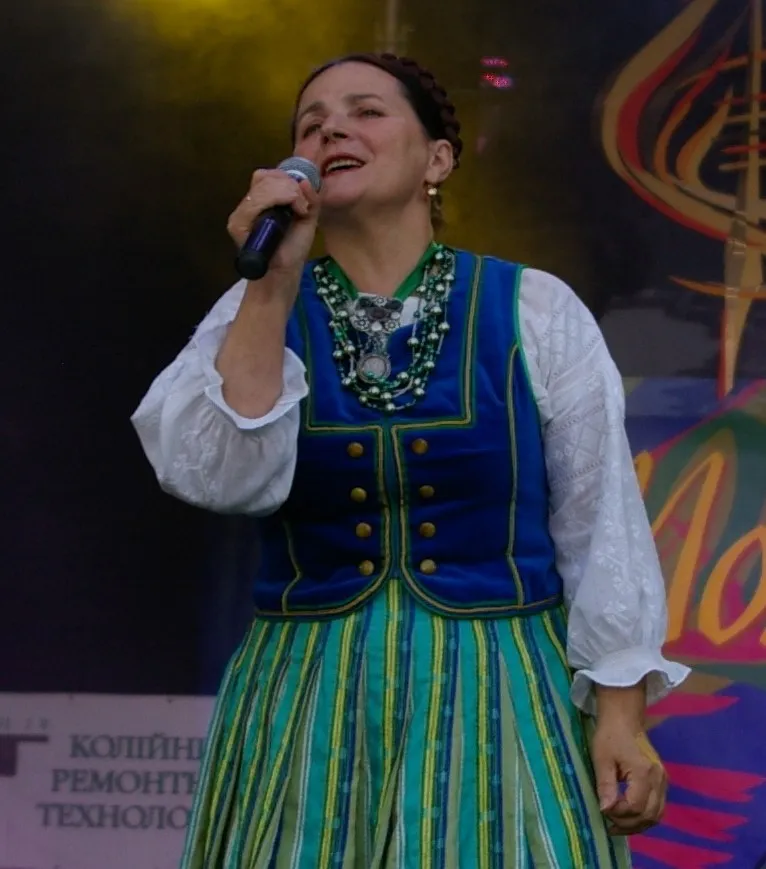
Istanbul, 2004. The piercing sound of a trembita, the long wooden horn of the Hutsuls, rings out on the Eurovision stage. This is Ruslana, performing “Wild Dances.” The song scored 280 points and brought Ukraine its first win in the contest. That same year Ruslana was named People’s Artist of Ukraine.
From Chervona Ruta to castles
Ruslana Lyzhychko was born in 1973 in Lviv. In 1993 she became a laureate of the Chervona Ruta festival, and in 1995 she graduated from the Higher Music Institute in Lviv while working as a sound engineer and producer at the Luxen studio.
In 1996 she launched the project Dzvinkyi Viter (Ringing Wind): medieval ballads plus modern music, old castles plus modern sound and lighting. In 1998 Ruslana toured Ukraine’s castles to draw attention to their restoration. Even before Eurovision she had turned to Hutsul culture, in her video for “Znayu Ya” (“I Know”).
The anthem, 500 times
In 2006–2007 Ruslana was a member of Ukraine’s parliament. In the winter of 2013–2014 she became one of the most visible faces of the Euromaidan: according to the Atlantic Council, she sang Ukraine’s national anthem from the Maidan stage more than 500 times. In 2014 she received the Vasyl Stus Prize, and the Atlantic Council gave her its award for humanitarian leadership.
Why it matters today
Ruslana’s victory showed that the sounds of the Carpathians could feel modern on Europe’s biggest stage. And on the Maidan she used her fame to support the protesters and draw the world’s attention to Ukraine.