1900–1983
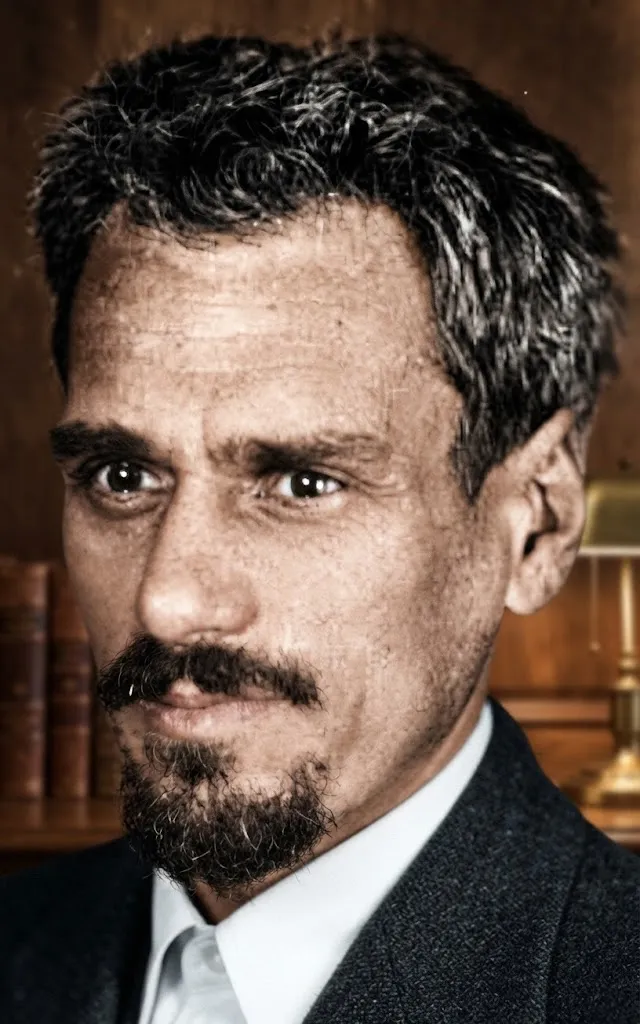
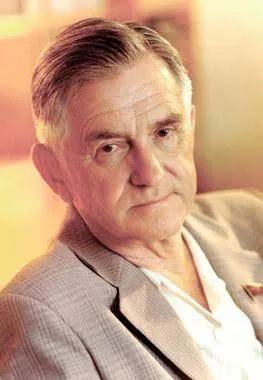
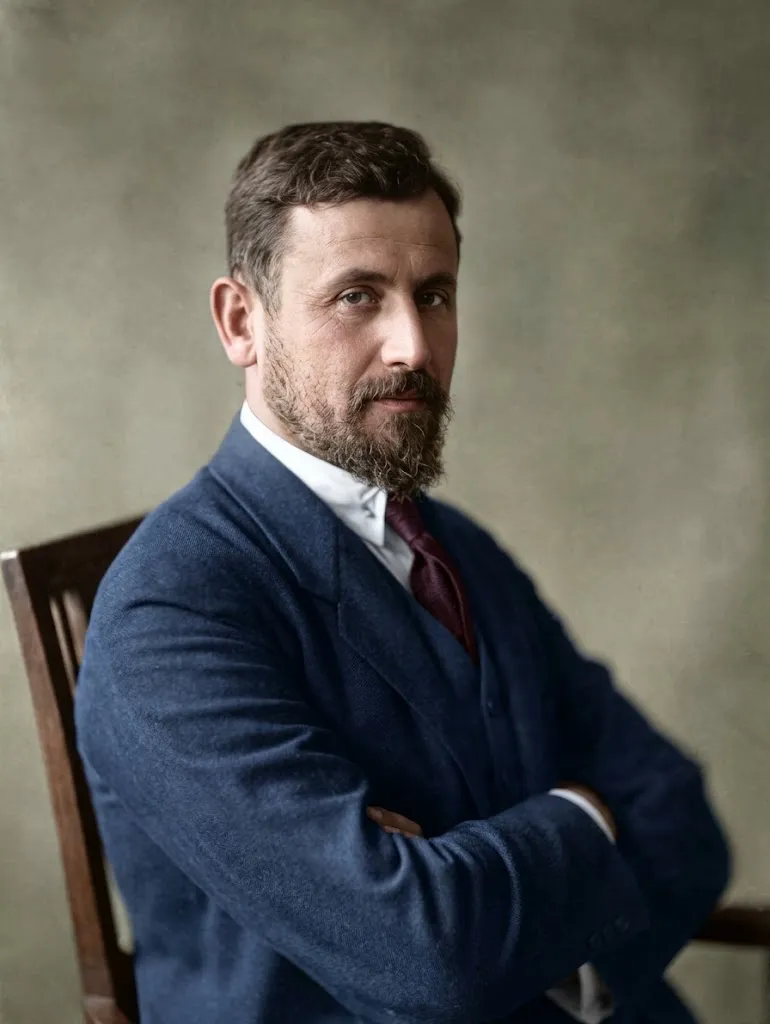
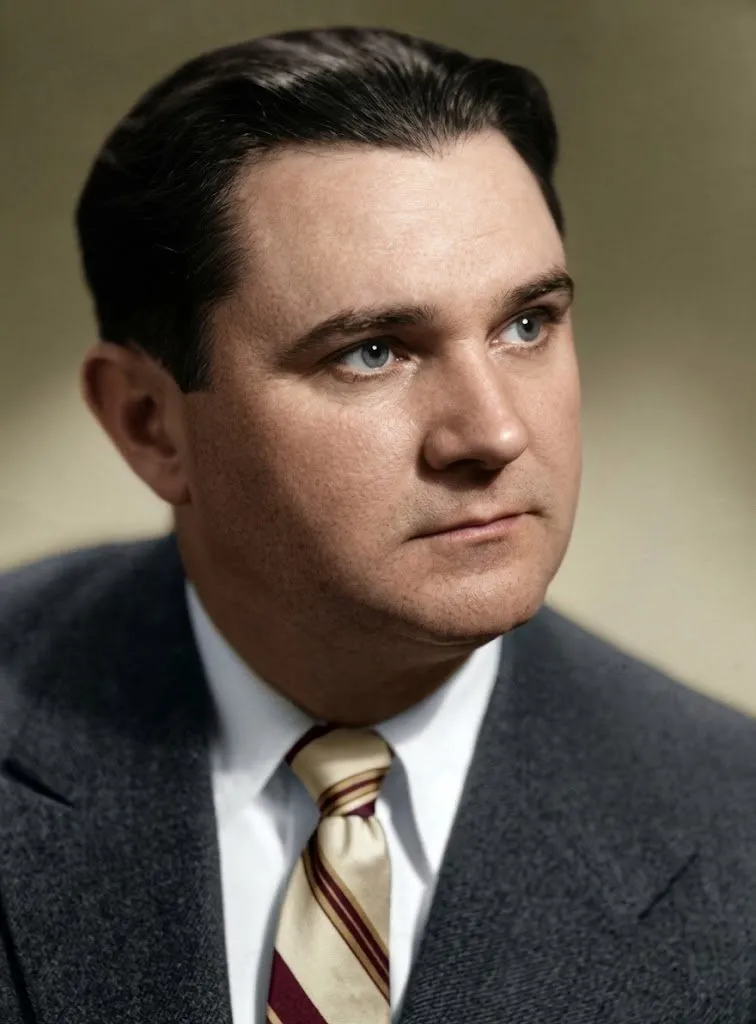
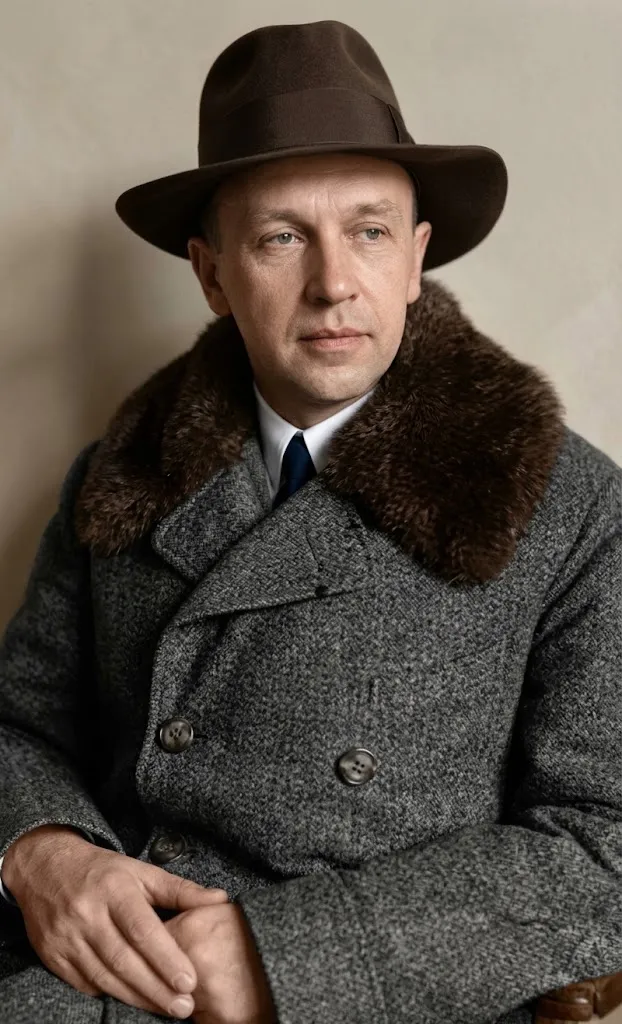
Oleksandr Smakula
Physicist, inventor of lens coating
How do you stop glass from reflecting light? In 1935 Oleksandr Smakula, a physicist from the Ternopil region, worked it out at Carl Zeiss in Germany: a thin coating that cuts glare on lenses. He later spent over 30 years at the Massachusetts Institute of Technology (MIT) in the US.
Key accomplishments
- Developed a coating that reduces reflections on lenses (Carl Zeiss, 1935)
- Head of the Carl Zeiss research laboratory in Jena (1934–1945)
- Professor at the Massachusetts Institute of Technology (MIT) and director of its crystal physics laboratory
- The “Smakula formula” on radiation colouring of crystals; over 100 scientific papers and many patents
- Full member of the Shevchenko Scientific Society; honorary president of the Ukrainian Engineers’ Society of America
Glass without glare
How do you stop glass from reflecting light? In 1935 the German firm Carl Zeiss launched a way of covering lenses with a thin layer that reduces reflections. It was developed by Oleksandr Smakula, head of the firm’s research laboratory in Jena. In 1959 Zeiss brought out an anti-reflective coating for eyeglass lenses too.
From Dobrovody to Göttingen
Oleksandr Smakula was born on 9 September 1900 in the village of Dobrovody in the Ternopil region. He finished secondary school in Ternopil in 1922 and went to study in Germany. In 1927 he earned a doctorate in physics at the University of Göttingen, and later ran the optics laboratory of the Institute for Medical Research in Heidelberg. From 1934 he headed the research laboratory at Carl Zeiss.
A professor at MIT
After the Second World War, Smakula was taken to the United States. For a few years he ran an engineering research and development laboratory at Fort Belvoir, and in 1951 he moved to the Massachusetts Institute of Technology (MIT). There he became a professor and director of the crystal physics laboratory. Smakula wrote more than 100 scientific papers and held many patents. The “Smakula formula” bears his name: it explains how crystals take on colour under radiation.
A Ukrainian across the ocean
Smakula spent most of his life far from home, but he kept his ties: letters came to him from family in Dobrovody, and he was a full member of the Shevchenko Scientific Society and honorary president of the Ukrainian Engineers’ Society of America. He died on 17 May 1983 in Auburn, Massachusetts.
Why it matters today
Oleksandr Smakula showed that a boy from a village near Ternopil could stand at the start of a technology people use every day. His coating against glare moved from optical instruments to ordinary glasses, and physics still has a “Smakula formula.” He worked at Carl Zeiss and MIT, far from home, yet stayed part of the Ukrainian scholarly world. His path proves that Ukrainian science is part of world science, and that a start in Ternopil can lead anywhere. So the next time an optician offers you anti-reflective lenses, think of the physicist from Dobrovody.