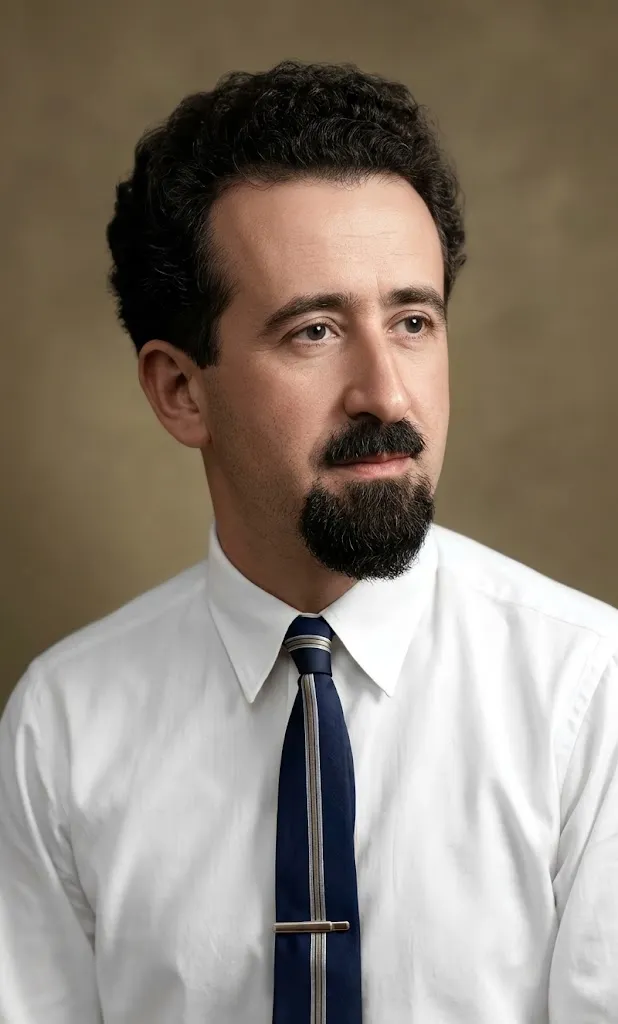
1898–1965
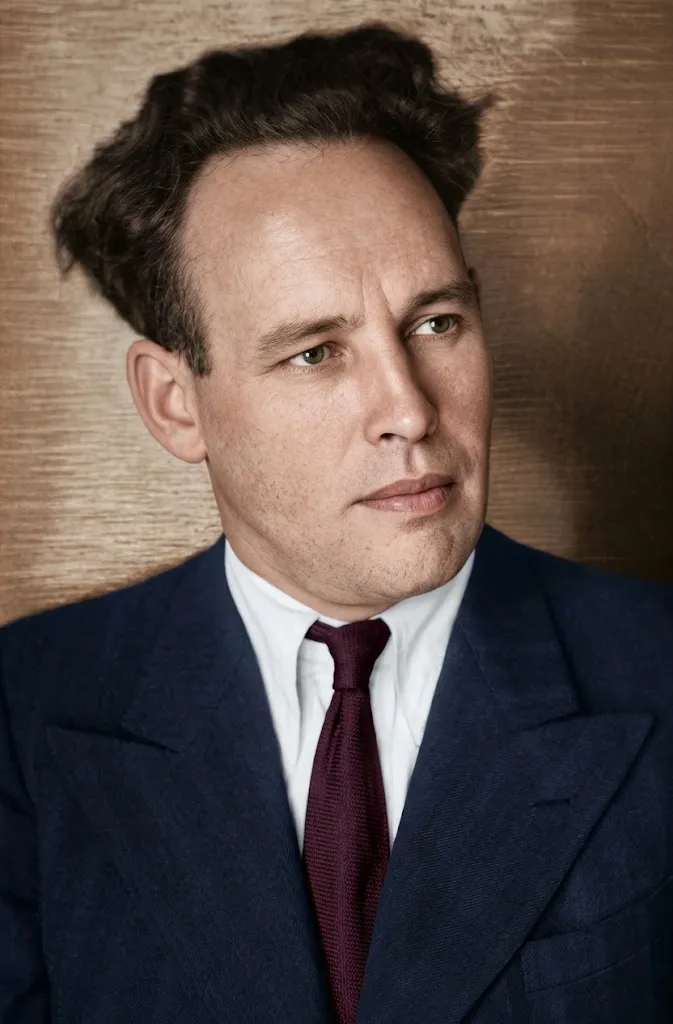
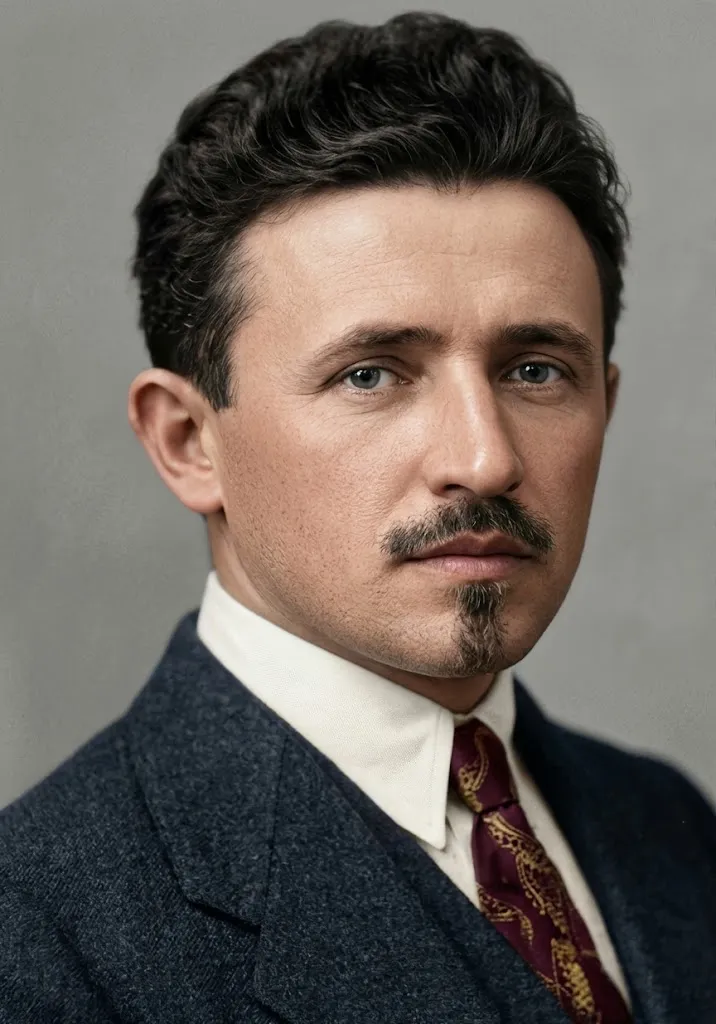
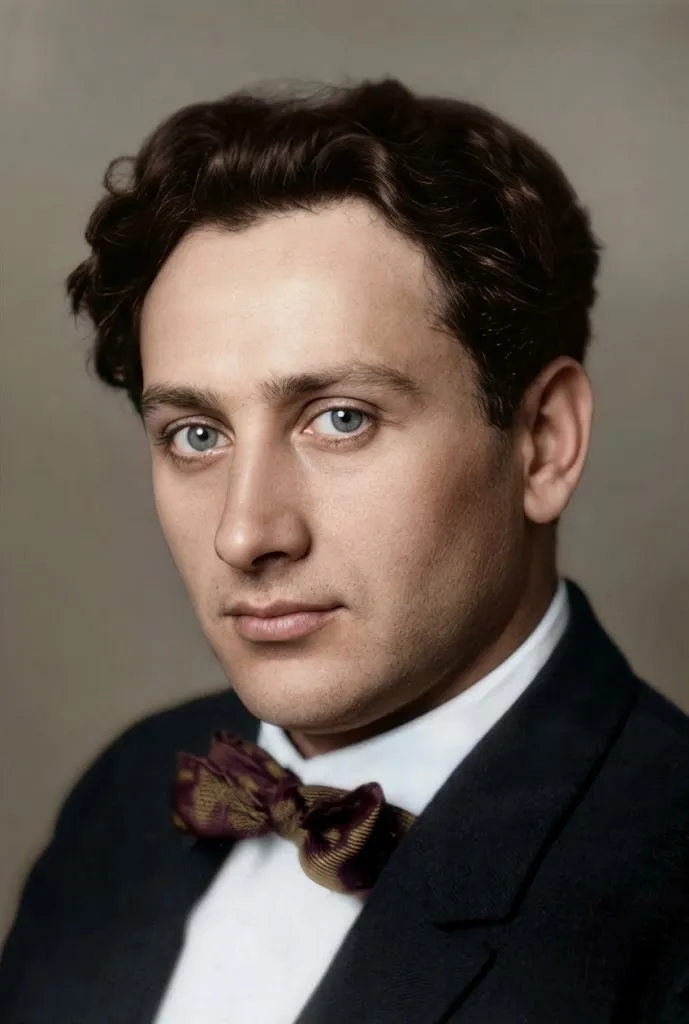
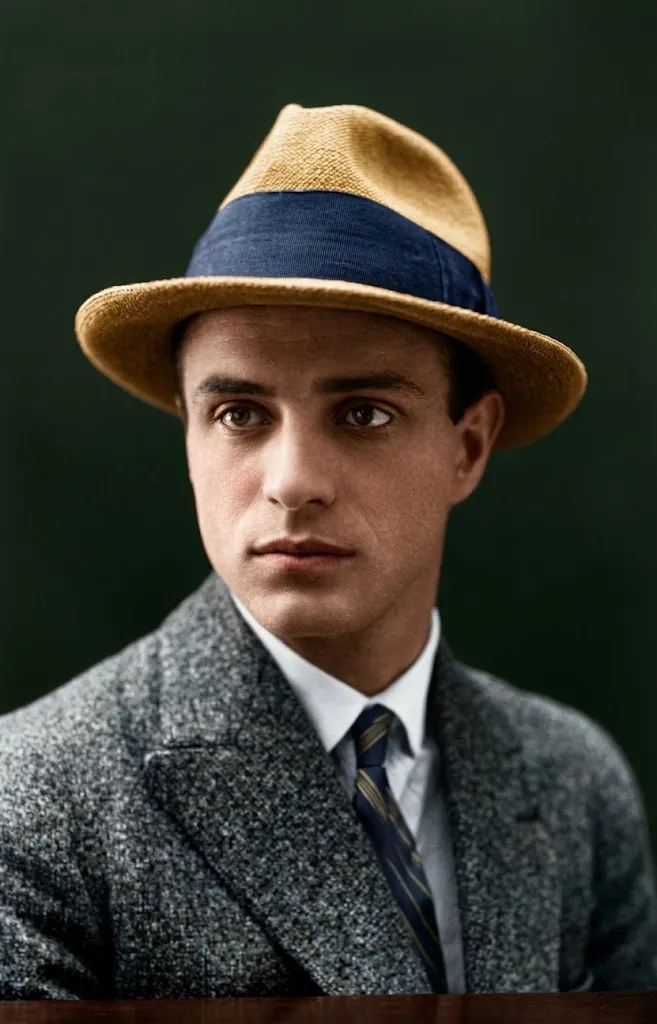
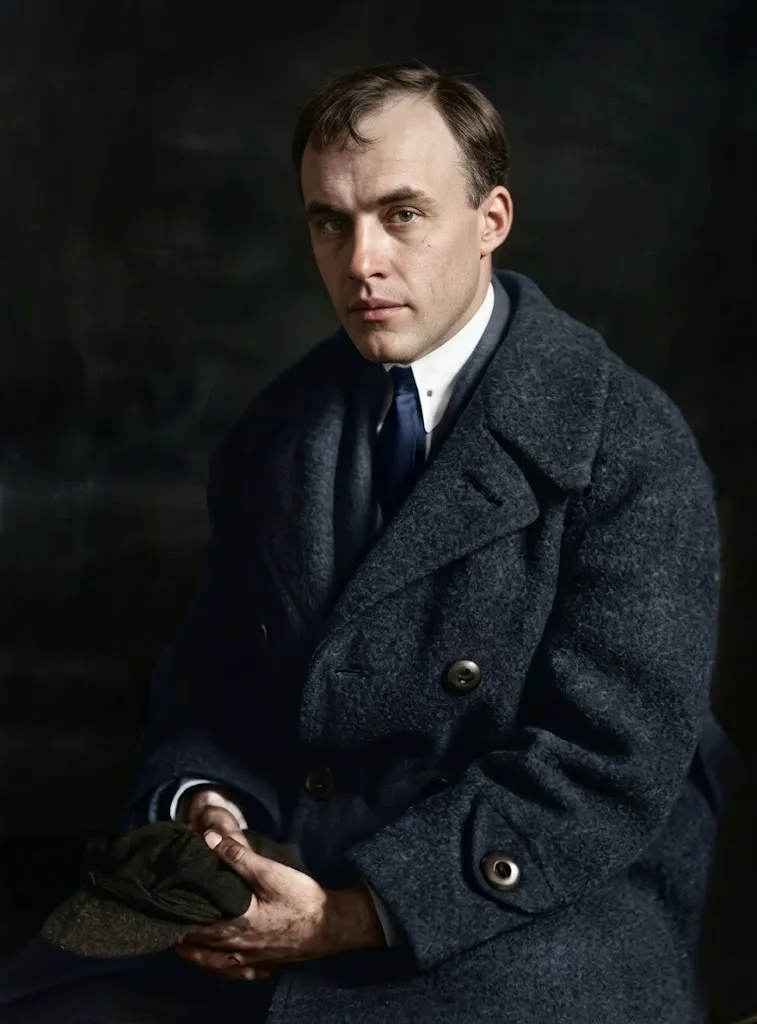
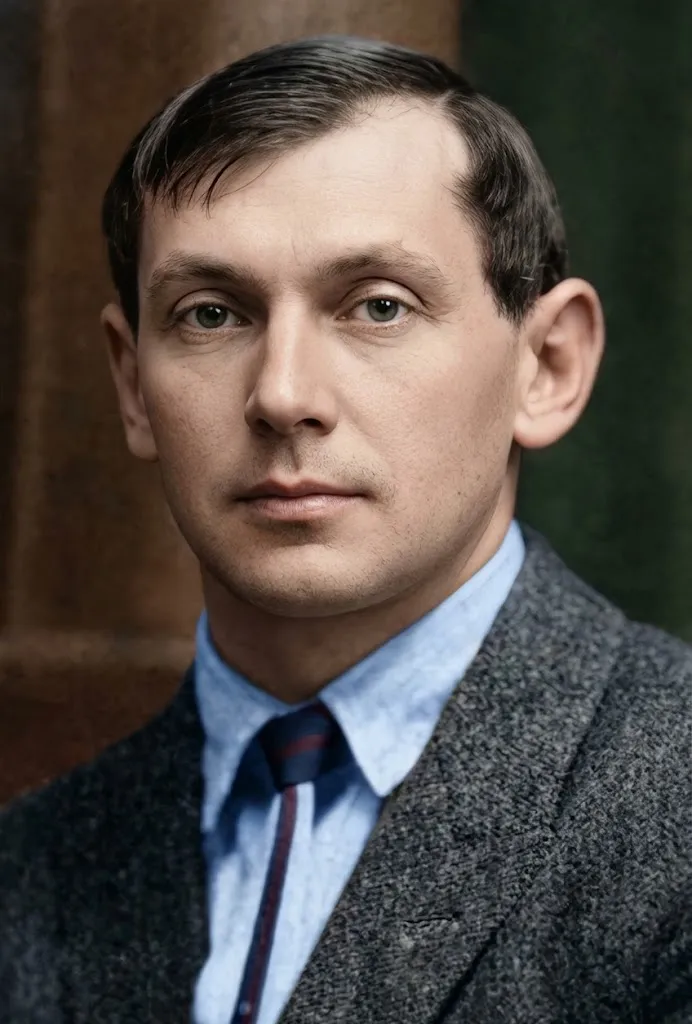
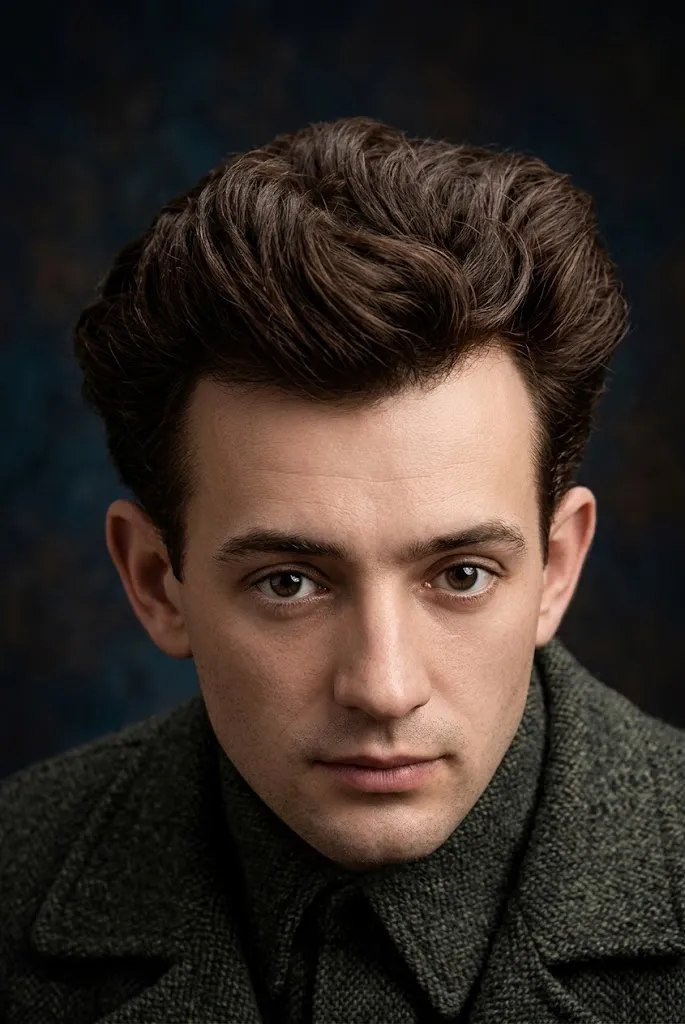
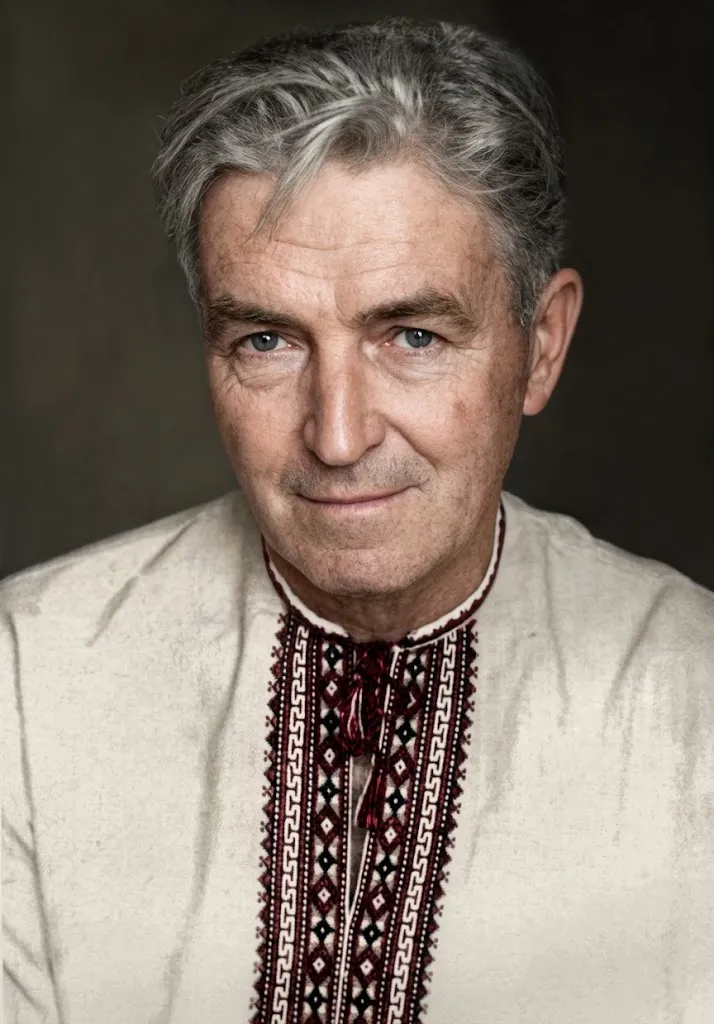
Volodymyr Sosiura
Poet, author of Love Ukraine!
In 1948 he won the Stalin Prize; in 1951 the newspaper Pravda accused him of nationalism over his poem “Love Ukraine!”. Volodymyr Sosiura from the Donbas fought in the army of the Ukrainian People’s Republic and in the Red Army, and became famous as a lyric poet.
Key accomplishments
- The collections Poems (1921) and Red Winter (1922), which made him famous
- The historical poems Taras Triasylo and Mazepa (the latter printed only in 1988)
- The poem “Love Ukraine!” (1944)
- The autobiographical novel The Third Company (published in full in 1988)
- The Shevchenko State Prize of the Ukrainian SSR (1963)
The boy from the Third Company
Volodymyr Sosiura was born in 1898 at Debaltseve station in the Donbas and grew up in the settlement of Verkhnie, which locals called the Third Company (Tretia Rota; it is now part of Lysychansk). From the age of 11 he worked as a labourer, including at a soda plant.
Two armies
Sosiura served as a Cossack in the 3rd Haidamaka Regiment of the army of the Ukrainian People’s Republic in 1918–1919. In the autumn of 1919 he was taken prisoner by Denikin’s White Army, and in 1920 he ended up in the Red Army. He later told the story of those years in his autobiographical novel The Third Company.
A lyric poet they kept banning
Fame came with the collections Poems (1921) and Red Winter (1922). In Kharkiv he belonged to the literary groups Pluh, Hart and VAPLITE. His poem Makhno (1924) was sharply attacked, and the collection Heart (1931) was confiscated. His poem Mazepa was hushed up in Soviet times. In 1934 a nervous breakdown put Sosiura in a psychiatric hospital, which probably saved him from the purges. In the 1930s he was almost the only Ukrainian poet who kept writing love poems.
A prize, then a hounding
During the war, from 1941 to 1944, Sosiura was a war correspondent. In 1944 he wrote the poem “Love Ukraine!”. In 1948 he received the Stalin Prize for the collection So That the Orchards Rustle. In 1950 his wife Mariia was repressed. Then on 2 July 1951 Pravda tore into “Love Ukraine!” in an article on “ideological distortions in literature”. The poet was accused of “bourgeois nationalism” and faced the threat of arrest. In 1952 a Ukrainian-English edition of the poem came out in the United States with a foreword by Ivan Bahrianyi, who wrote that Sosiura was in constant conflict with the authorities because of his love for his people.
Why it matters today
A boy from the working-class Donbas became a lyric poet who kept writing about love in the years of the purges, when almost no one else dared. The authorities accused him of “bourgeois nationalism” over “Love Ukraine!”, but the poem outlived the accusation. Its words “Love Ukraine as you love the sun” belong to everyone who says them.