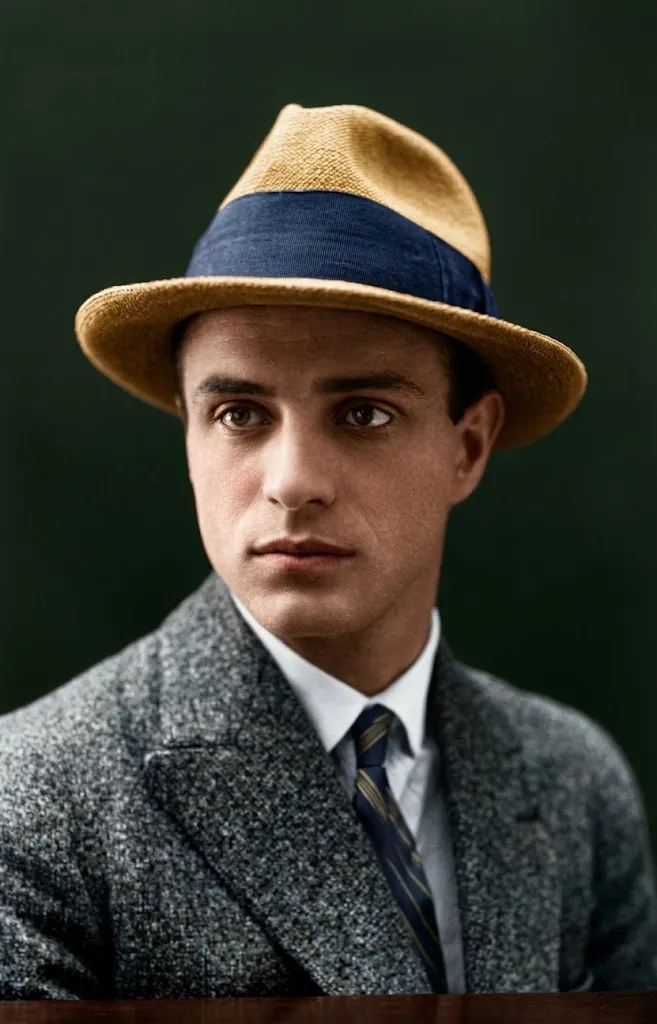
1899–1984
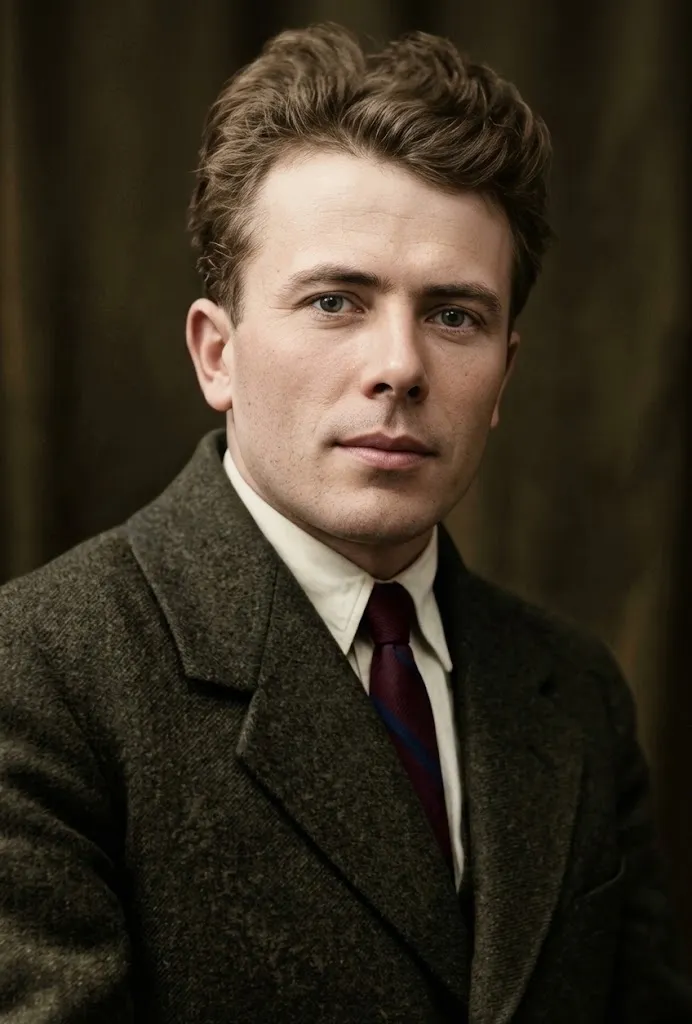
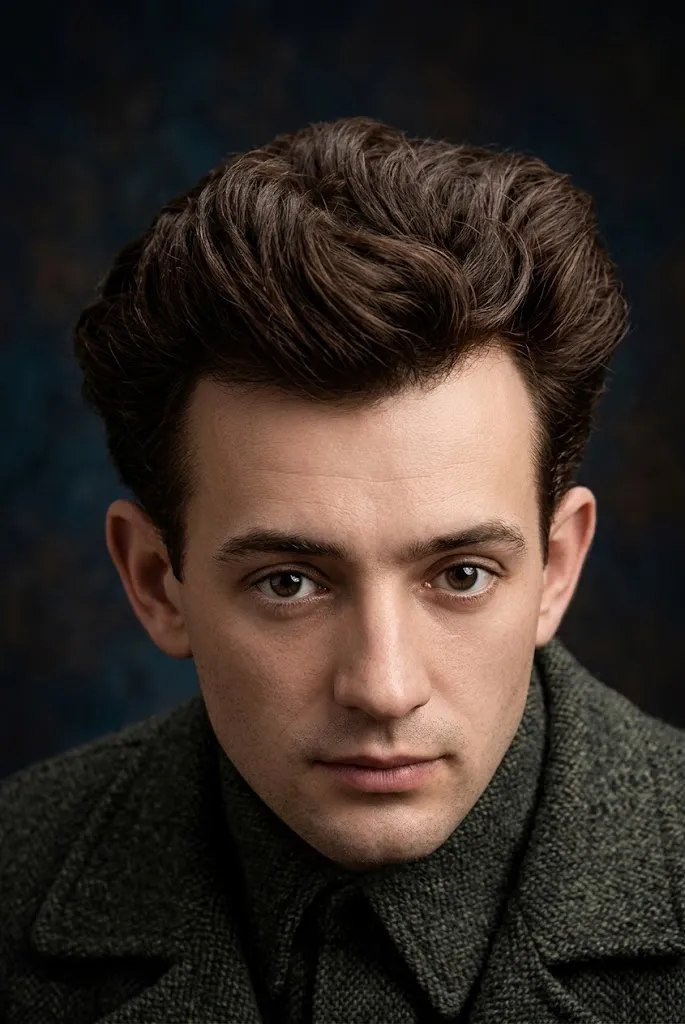
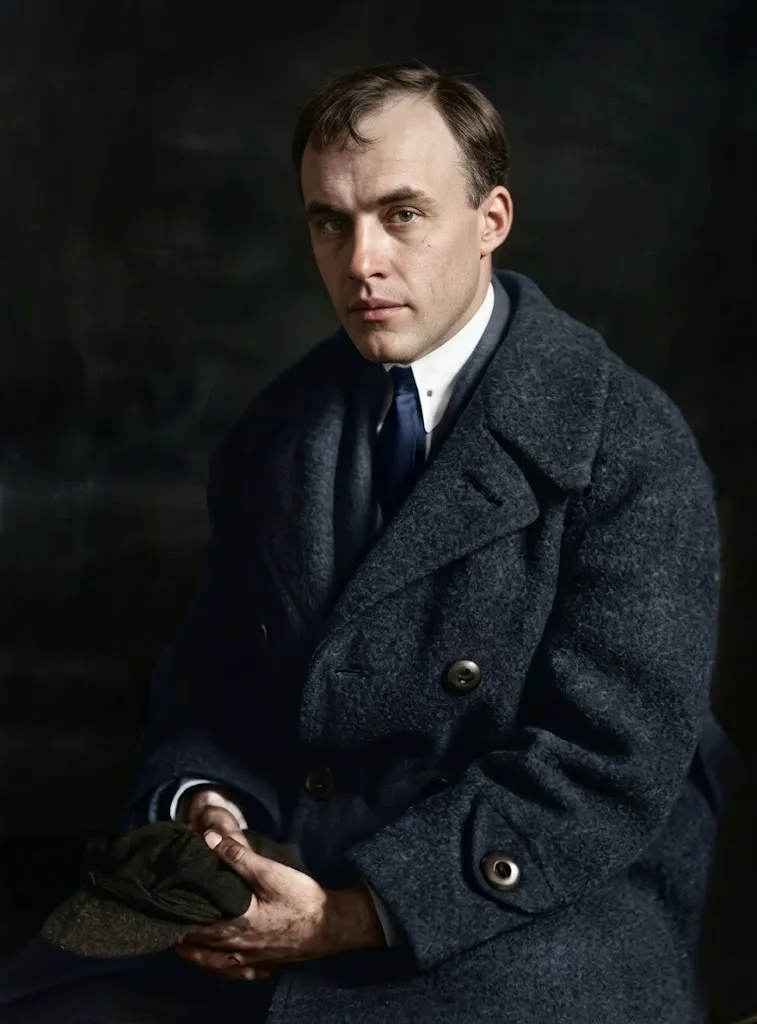
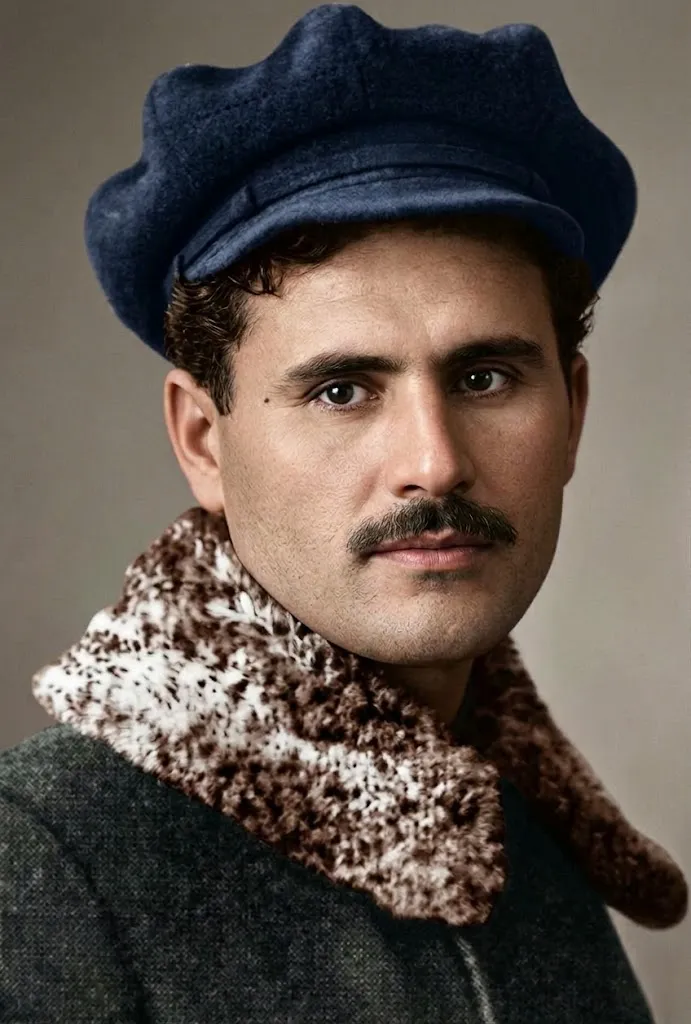
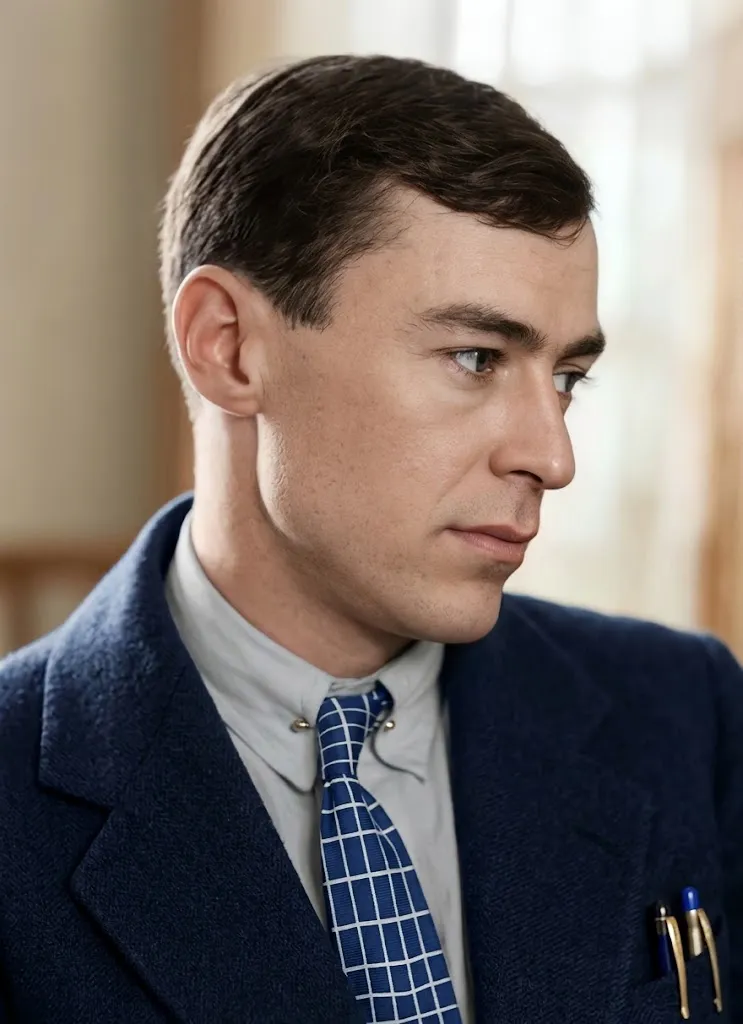
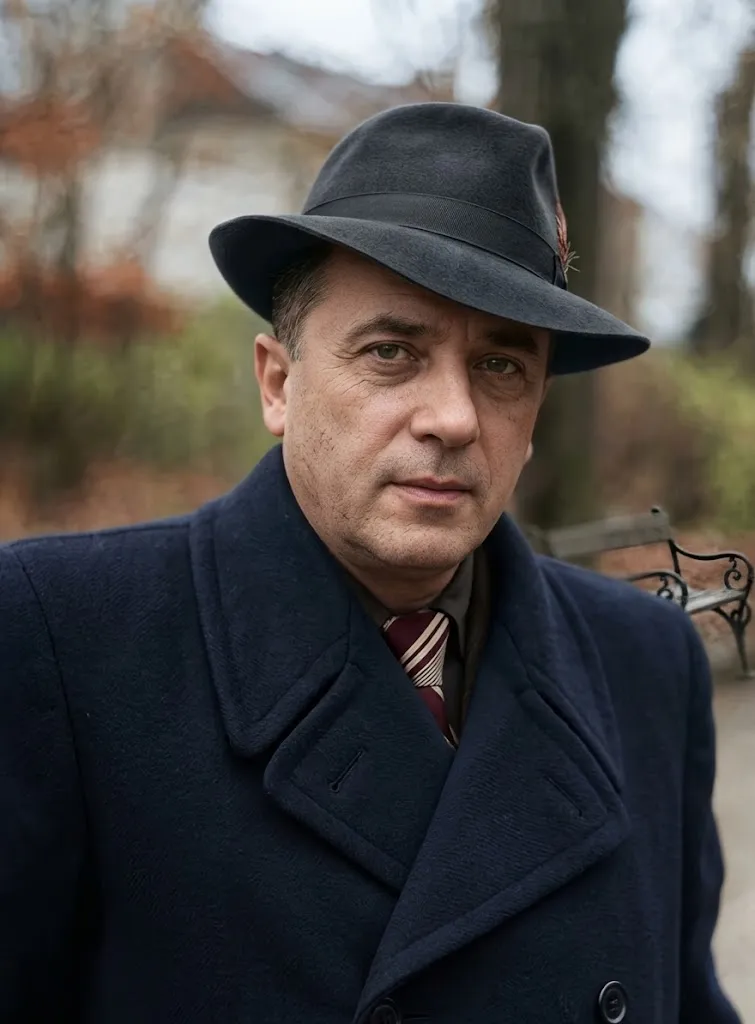
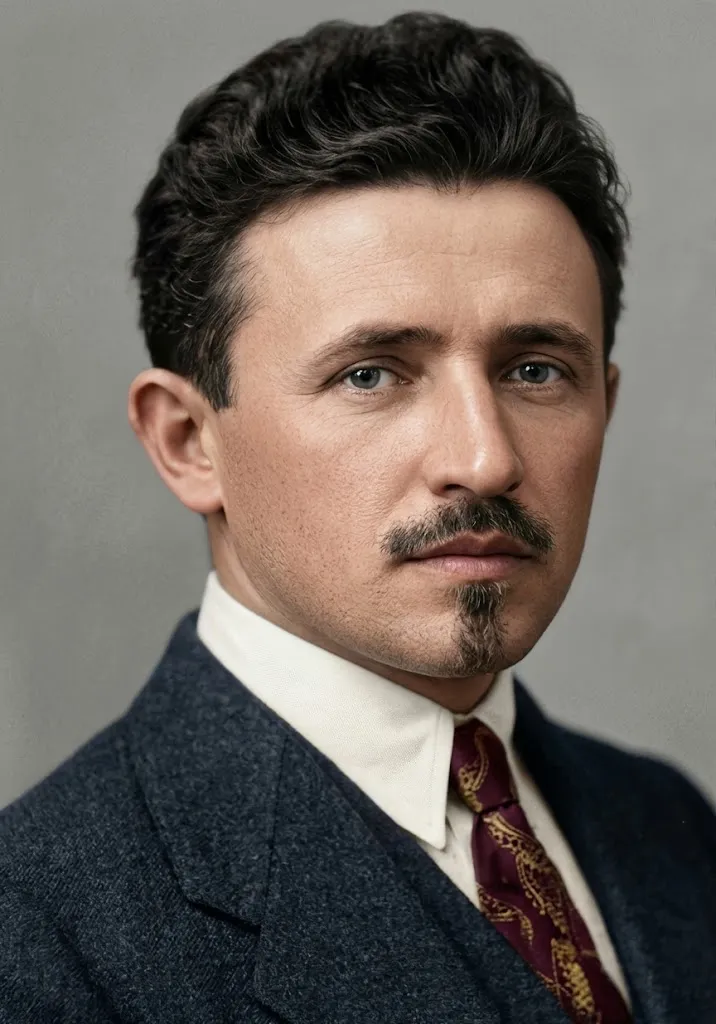
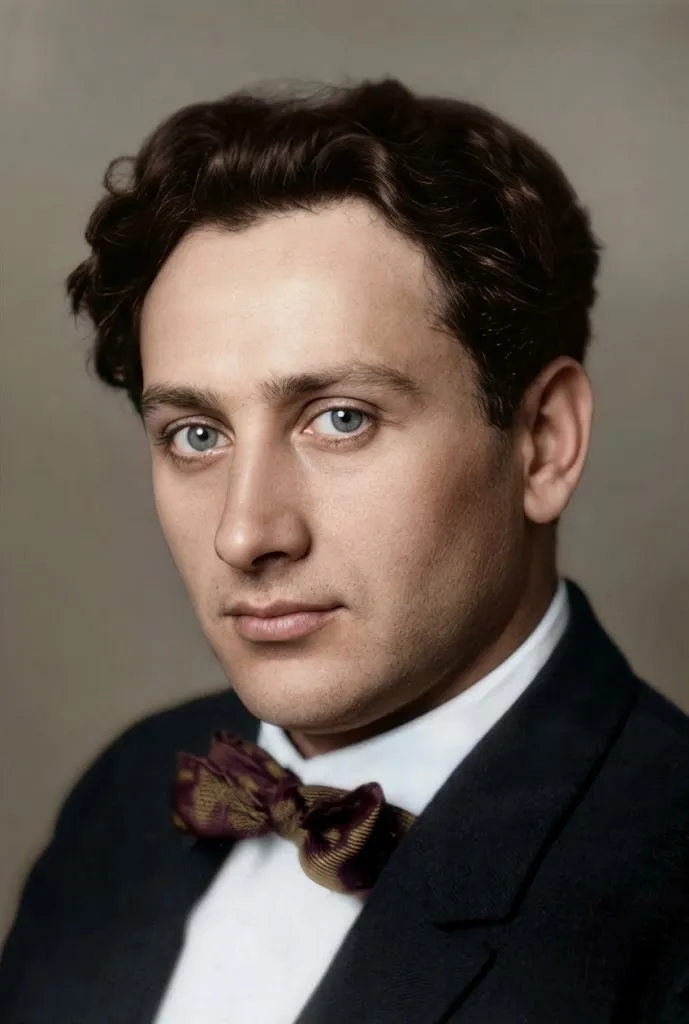
Borys Antonenko-Davydovych
Writer and guardian of the language
A book on how to speak Ukrainian well was written by a man the Soviet state took away to labour camps and exile for 23 years. Borys Antonenko-Davydovych survived, came back to Kyiv and stood by the younger dissidents.
Key accomplishments
- The novella Death (1928) and the travel sketches Through the Ukrainian Land (1930), both attacked by critics as “nationalist”
- The novel Behind the Screen (1963), a landmark of 1960s literature
- How We Speak (1970): notes on the Ukrainian literary language, reprinted many times
- Signed the open letters of 1966 and 1968 against political trials; in 1970 refused to testify at the trial of Valentyn Moroz
- Shevchenko National Prize (posthumously, 1992)
A language adviser who survived the camps
Did you know that How We Speak, one of the best-known books on good Ukrainian, was written by a survivor of Stalin’s camps? Borys Antonenko-Davydovych published it in 1970. It is a collection of short notes on the Ukrainian literary language: what is right, and why. He flatly rejected surzhyk, the russian-Ukrainian mix, and that was exactly why he was accused of nationalism: the official line at the time was the “drawing together of languages”, in other words Russification.
From Romny to Kyiv
He was born Borys Davydov (Antonenko-Davydovych is a pen name) on 5 August 1899 in Romny, and grew up in Okhtyrka. In 1918 he volunteered for the army of the Ukrainian People’s Republic. In the 1920s he lived in Kyiv, wrote stories and novellas, and belonged to the literary groups Lanka and MARS. Readers loved his novella Death (1928); critics accused it of nationalism.
23 years without freedom
On 17 December 1934 his friends, among them Hryhorii Kosynka, were shot in Kyiv. On 2 January 1935 Antonenko-Davydovych was arrested in Alma-Ata. He was given 10 years in the camps, and in 1937 another 10. He worked as a miner, a digger, a metalworker and a medical assistant. Released in 1947, he slipped back into Ukraine, but in 1951 he was exiled to Siberia for life without trial. He was rehabilitated in 1956 and returned to Kyiv the following year.
Someone the young could lean on
He had a strong influence on the Sixtiers. He signed letters against political trials, and in 1970 he refused to testify at the trial of Valentyn Moroz. After that his work was no longer published, and his home was searched and his manuscripts taken. How We Speak was the last book of his to come out in Ukraine in his lifetime.
Borys Antonenko-Davydovych died in Kyiv on 9 May 1984. A newspaper gave his death just a few lines.
Why it matters today
Borys Antonenko-Davydovych stood up for Ukrainian when the state was pushing Russification, and after 23 years of camps and exile he went on doing it. How We Speak, reprinted again and again since 1991, still teaches people to speak Ukrainian not in borrowed russian patterns but the way the language itself speaks. He showed that caring about the right word is no small matter for linguists alone: it is a way to defend a language that others tried to dissolve into their own. The Sixtiers, the younger dissidents, could lean on his example. Anyone today who reaches for a Ukrainian word instead of a borrowed one is carrying on his work.