1898–1936
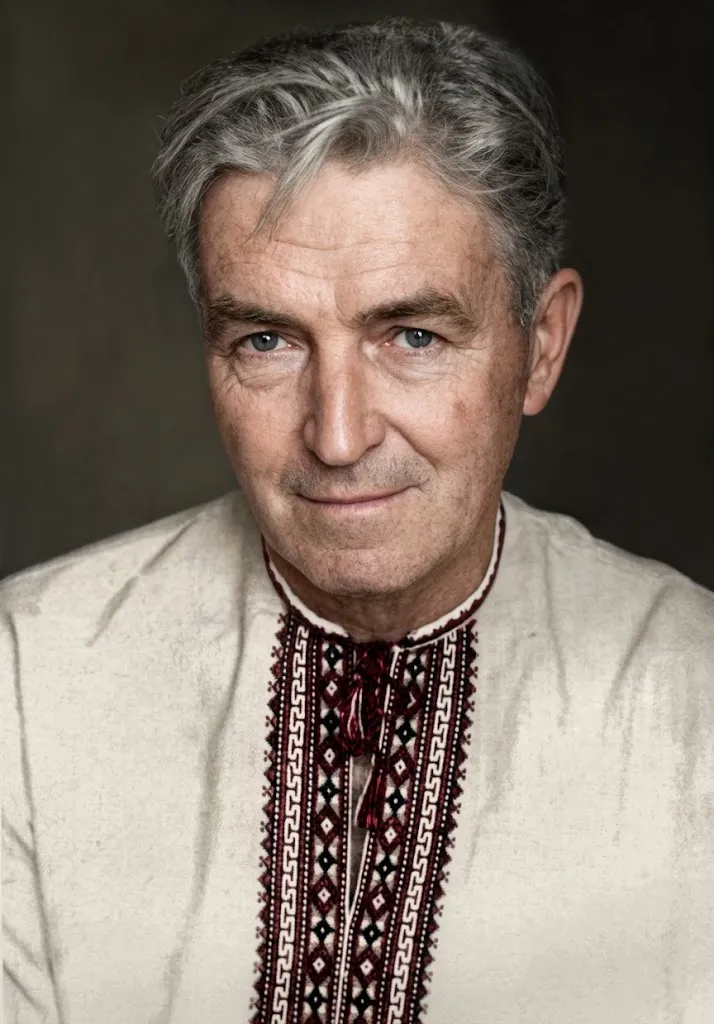
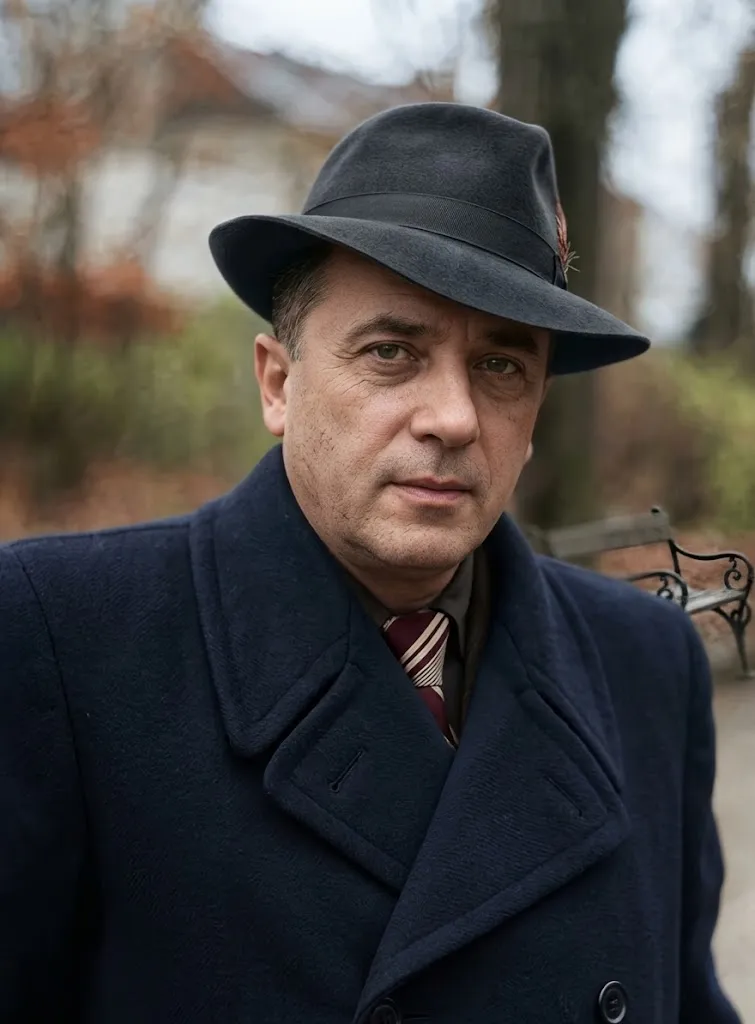
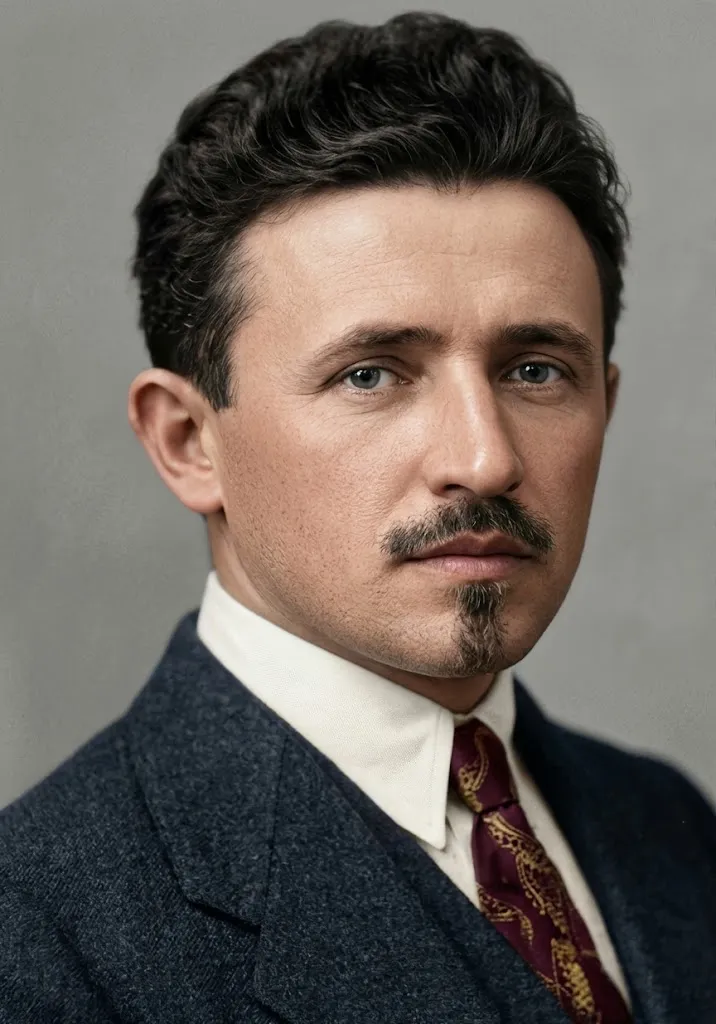
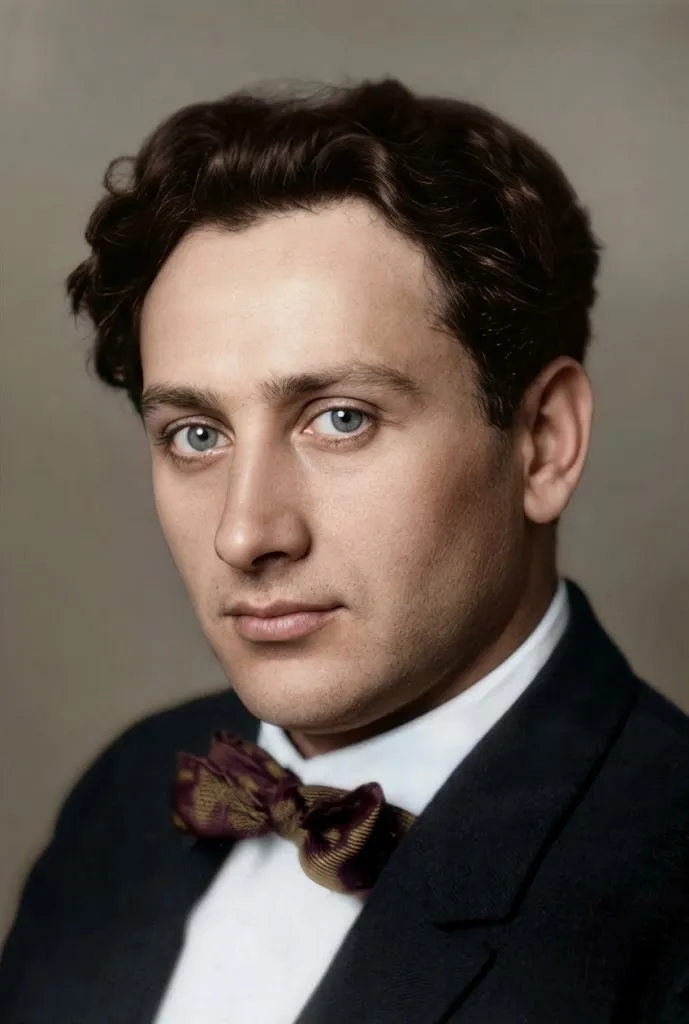
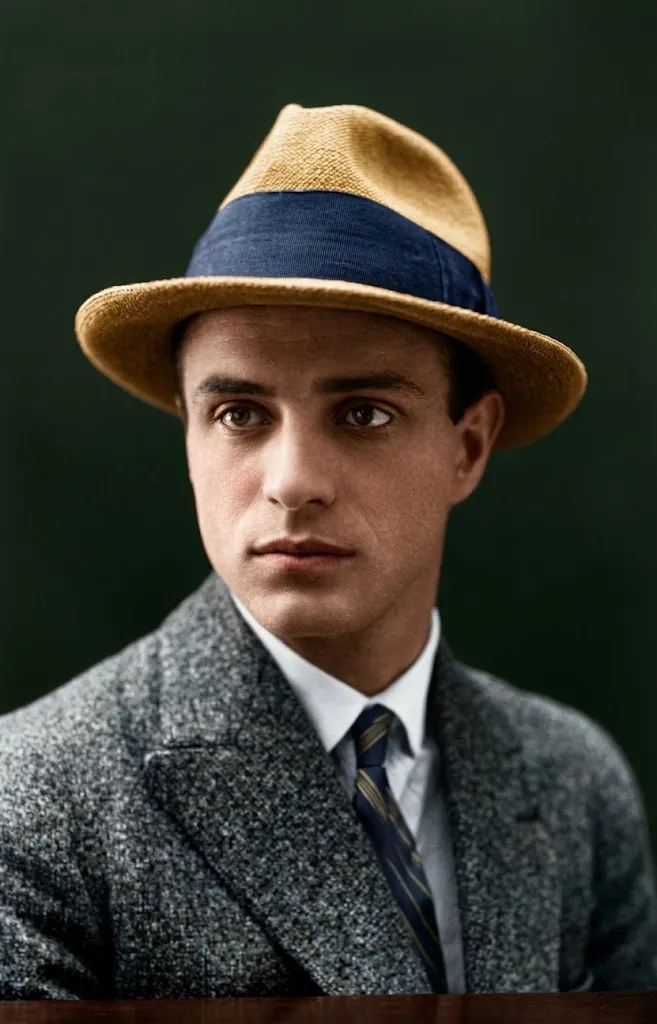
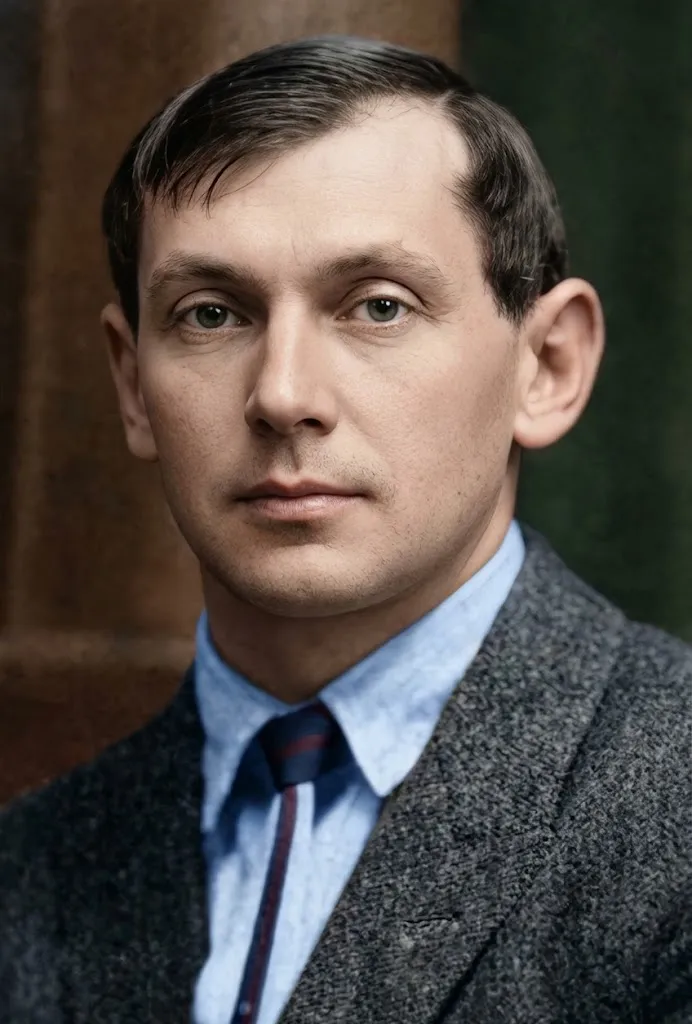
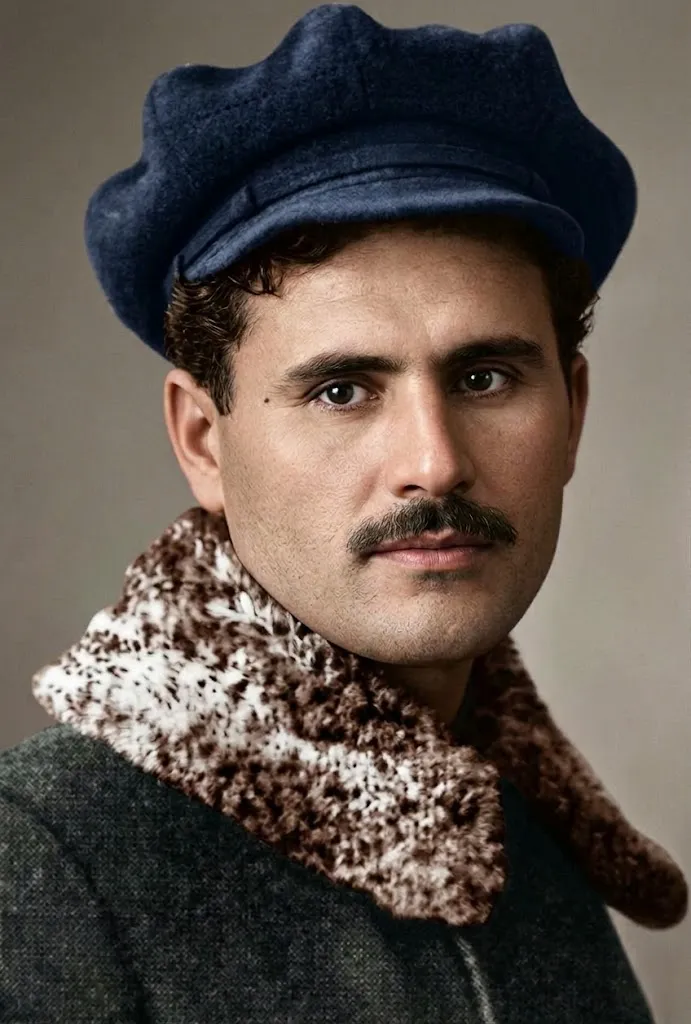
Yevhen Pluzhnyk
Poet, author of Early Autumn
In his lifetime he published only two books of poems, and his novel was banned soon after it came out. Yevhen Pluzhnyk, one of the finest Ukrainian poets of the 1920s, has been compared to Rilke. Sentenced to death, he was sent to the Solovetsky Islands instead, and died there in 1936.
Key accomplishments
- The poetry collections Days (1926) and Early Autumn (1927)
- The collection Equilibrium (1933; published in Augsburg in 1948)
- The novel Illness (1928), withdrawn soon after it came out
- The plays Professor Sukhorab and In the Courtyard in the Suburb (1929)
- The dictionary Phraseology of Business Language (1926), with Valerian Pidmohylnyi
- An anthology of Ukrainian poetry (1930–1932), with Vasyl Atamaniuk and Feliks Yakubovskyi
The boy from Kantemyrivka
Yevhen Pluzhnyk was born in 1898 in Kantemyrivka, a settlement in the Voronezh gubernia of the russian empire; today it is a town in russia’s Voronezh oblast. He grew up in a large family of peasants and craftsmen. In 1918, when Yevhen finished secondary school, the family moved to Ukraine. From then on his whole life and work belonged to Ukraine, above all to Kyiv, and he kept his home town in his pen name, “Kantemyrianyn”.
Kyiv, Aspys and Lanka
In Kyiv Pluzhnyk studied first at a veterinary institute and then at a music and drama institute, but left both. He worked for newspapers, translated and taught himself a great deal. His first poems were printed in 1923 by the magazine Hlobus. From 1923 to 1928 he belonged to the Kyiv literary groups Aspys, Lanka and MARS. In Lanka his fellow members included Valerian Pidmohylnyi and Hryhorii Kosynka.
Two books in a lifetime
Imagine a poet compared to Rilke who publishes only two books in his life: Days (1926) and Early Autumn (1927). Party critics couldn’t stand his quiet, terse and often gloomy poems, and even less the way he showed the cruelty of the revolution and Soviet reality. His poetry was branded “decadent”. His novel Illness (1928) was withdrawn soon after it came out, and after that Pluzhnyk published very little. He put together a third collection, Equilibrium, in 1933, but it appeared only in 1948, in emigration, in Augsburg.
A dictionary for two
Pluzhnyk didn’t only write poems. With Valerian Pidmohylnyi he compiled the dictionary Phraseology of Business Language (1926), and with Vasyl Atamaniuk and Feliks Yakubovskyi an anthology of Ukrainian poetry (1930–1932). He wrote plays and film scripts, and translated Nikolai Gogol, Chekhov and Sholokhov’s And Quiet Flows the Don.
Solovki
On 4 December 1934 Pluzhnyk was arrested, together with many other figures of Ukrainian culture; Pidmohylnyi was arrested a few days later. In March 1935 a military court sentenced the poet to death, but the sentence was commuted to ten years’ imprisonment on the Solovetsky Islands in the White Sea. There, on 2 February 1936, Yevhen Pluzhnyk died of tuberculosis, which he had suffered from since 1926. He was buried in a mass grave. He was rehabilitated in 1956. A memorial plaque has been put up on 18 Prorizna Street in Kyiv, and the central library of the city’s Shevchenkivskyi district bears his name.
Why it matters today
Yevhen Pluzhnyk gave Ukrainian poetry a quiet, terse voice that has been compared to Rilke. He showed the cruelty of the revolution and Soviet reality as he saw it, even though his poetry was branded “decadent” for it. Born outside Ukraine, he gave it and Kyiv his whole life and work, from his poems to a dictionary of business language. His poems outlived both persecution and Solovki. They show that honest words about one’s own time outlast those who tried to ban them.