1897–1937
Valerian Polishchuk
Avant-garde poet, founder of Avanhard
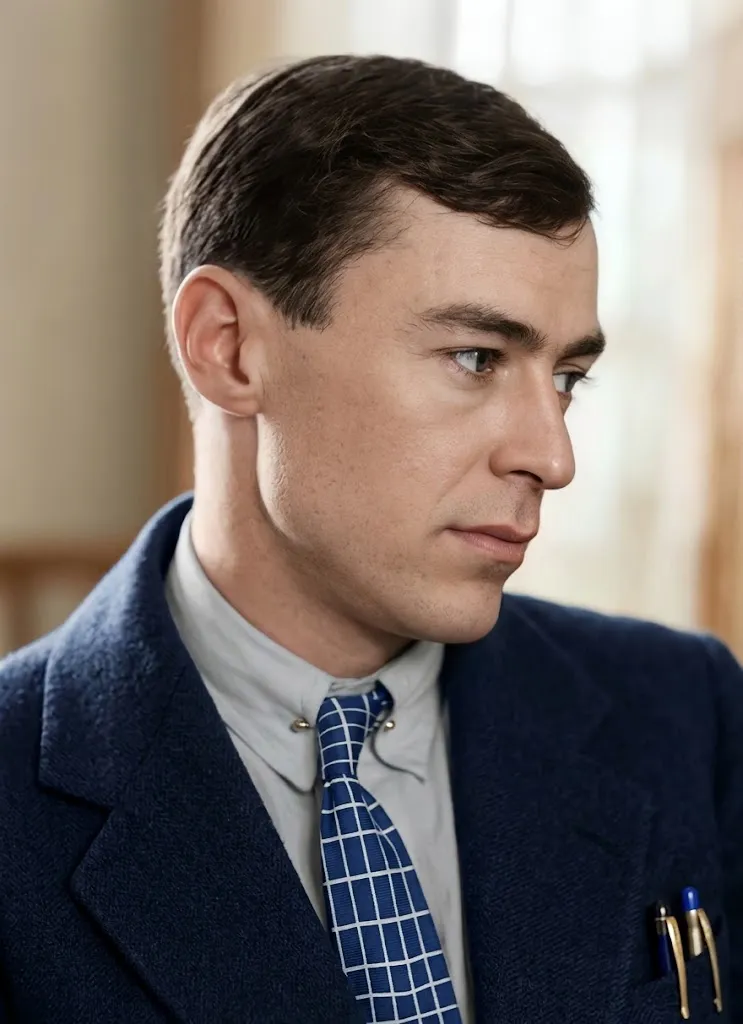
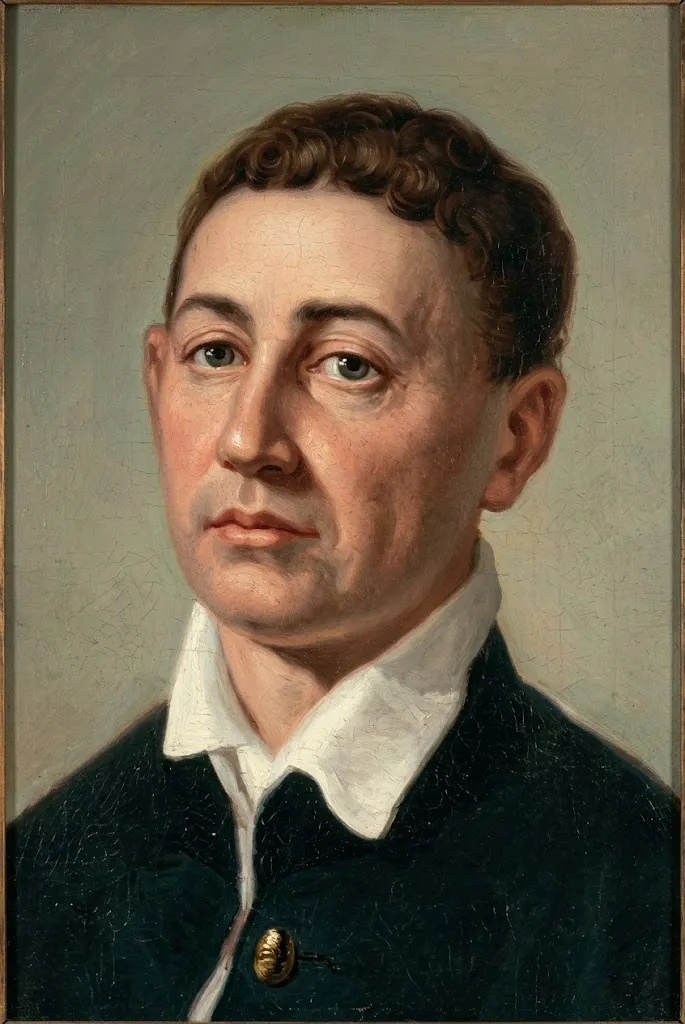
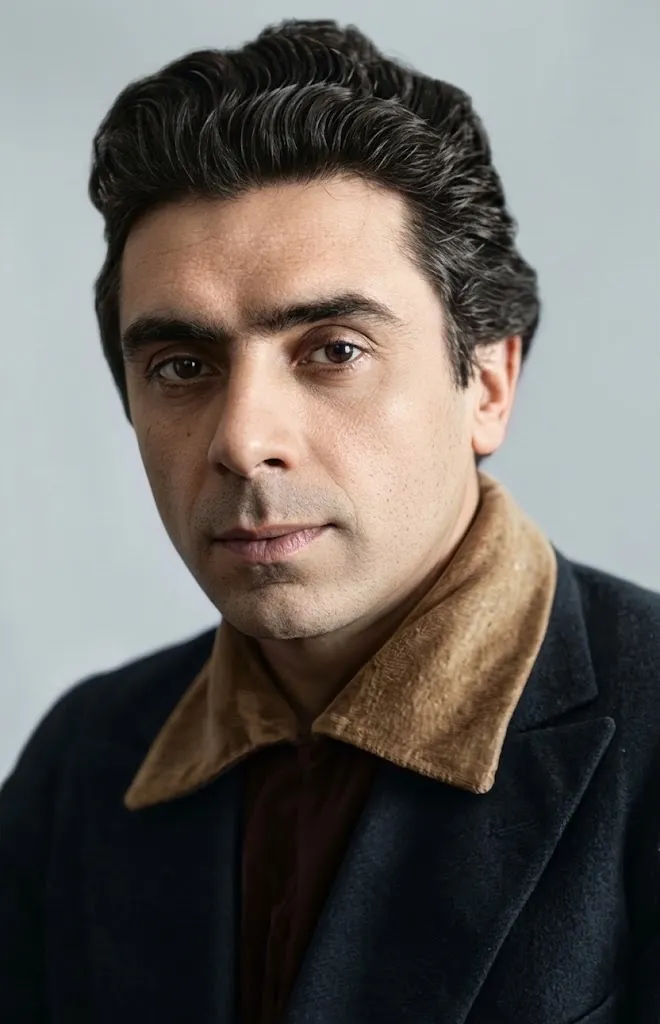
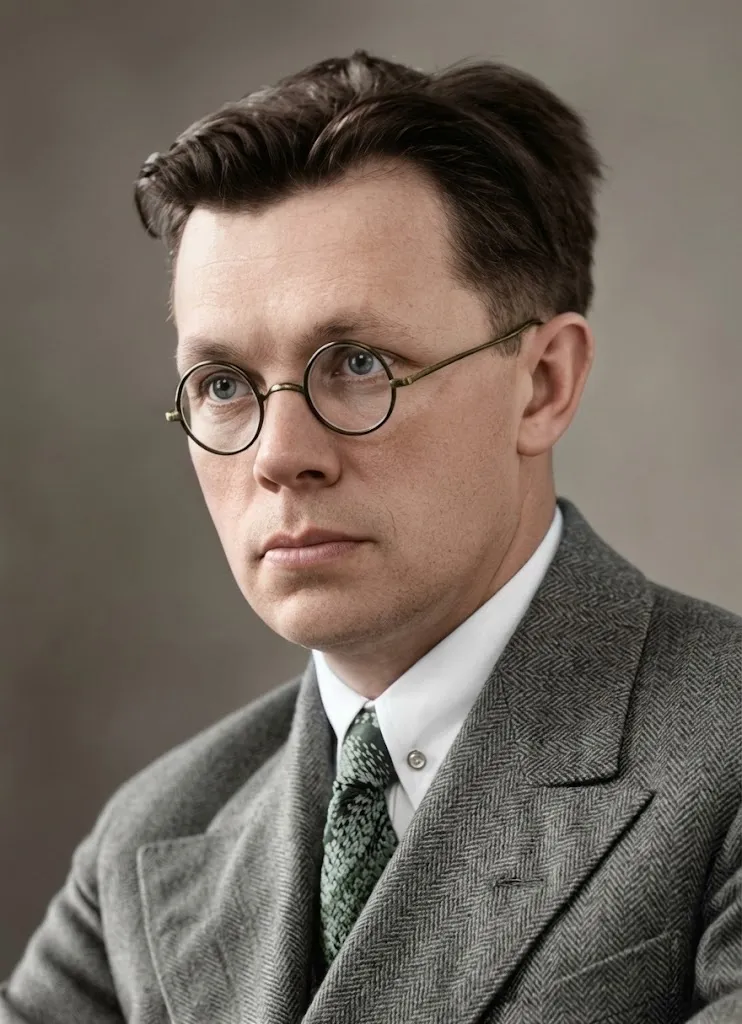
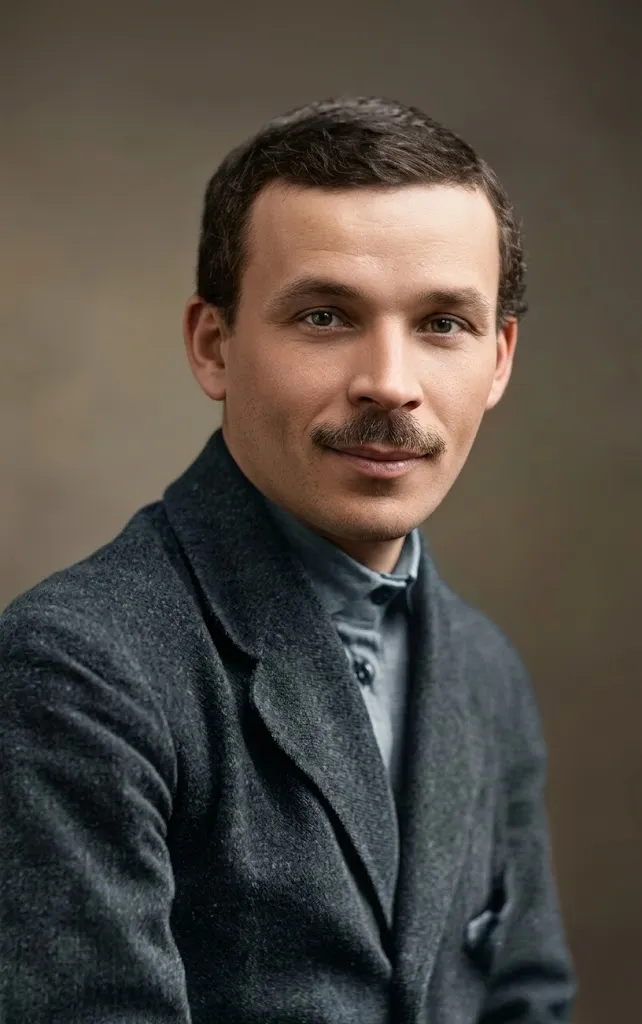
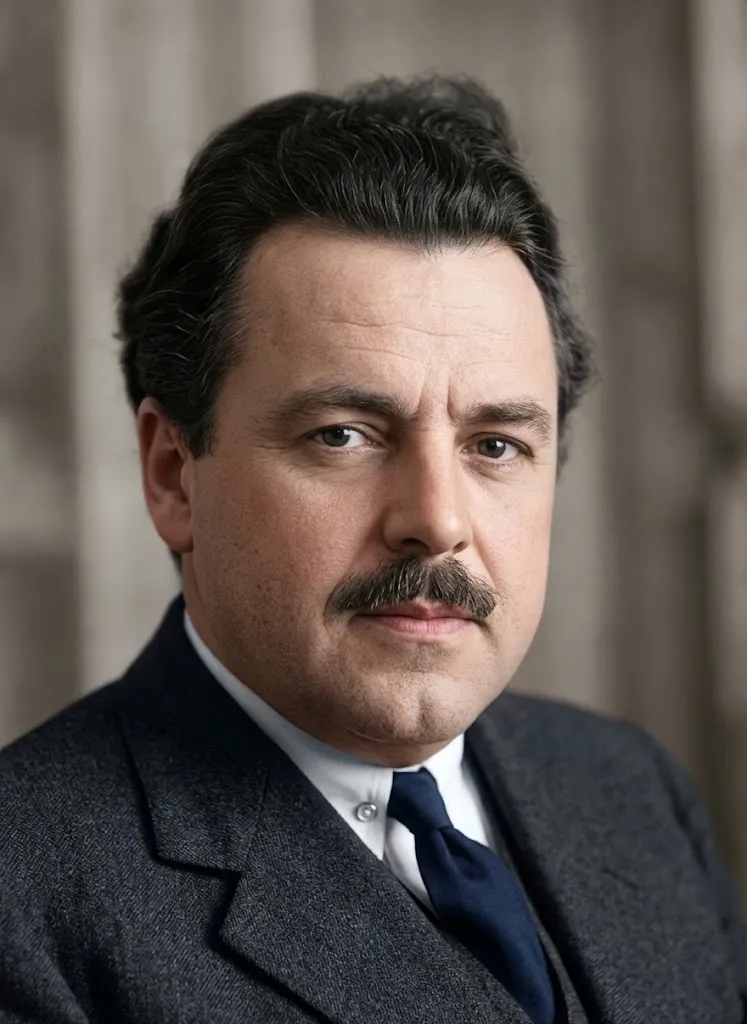
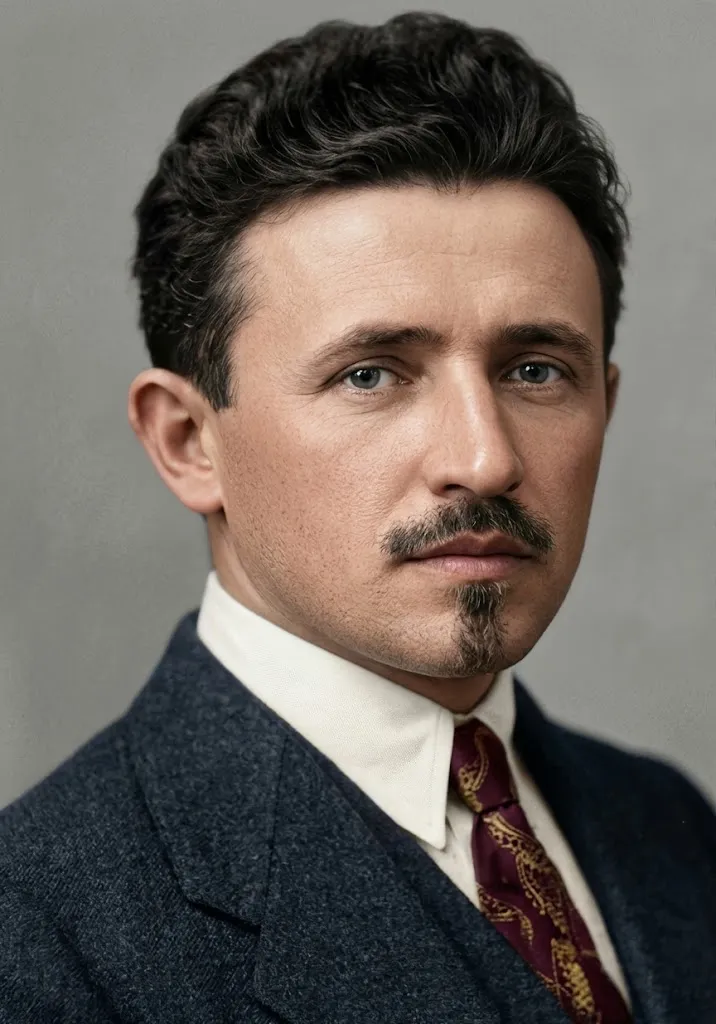
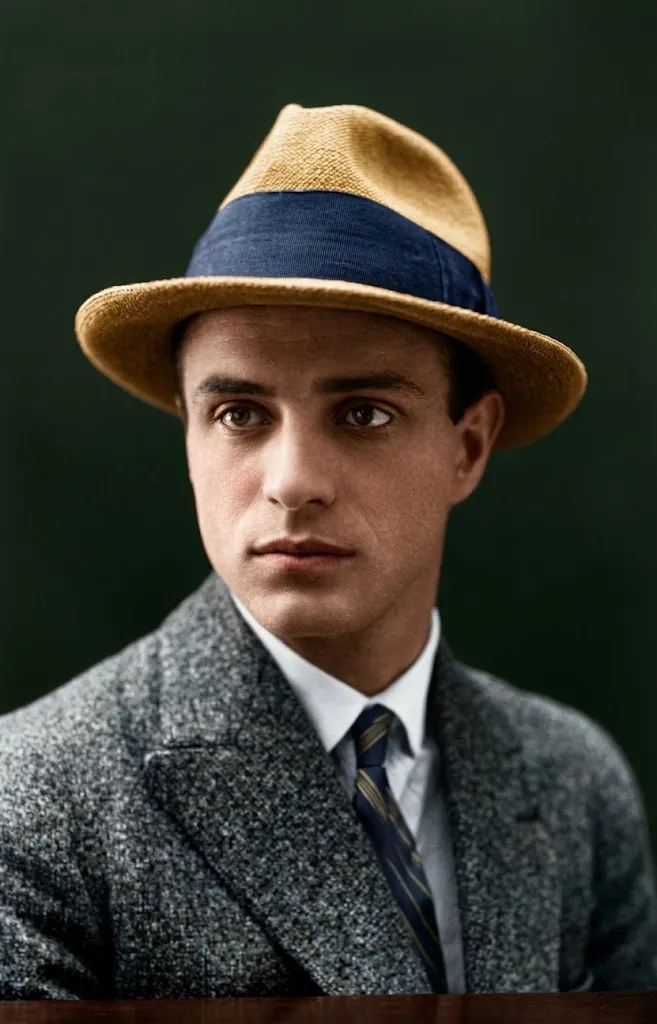
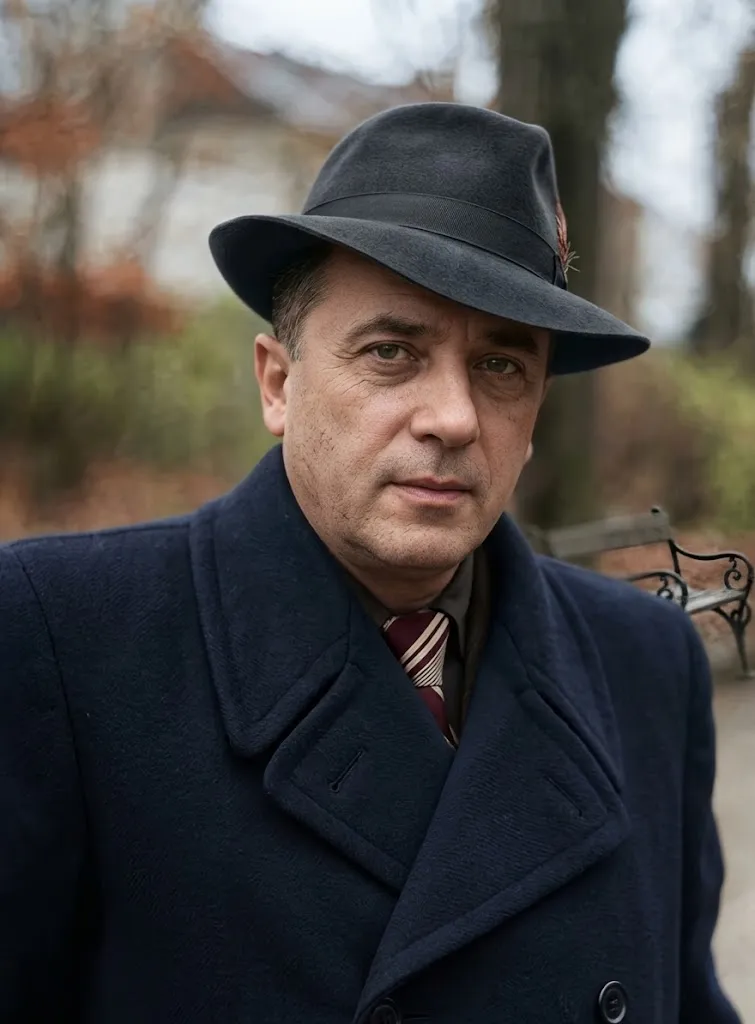
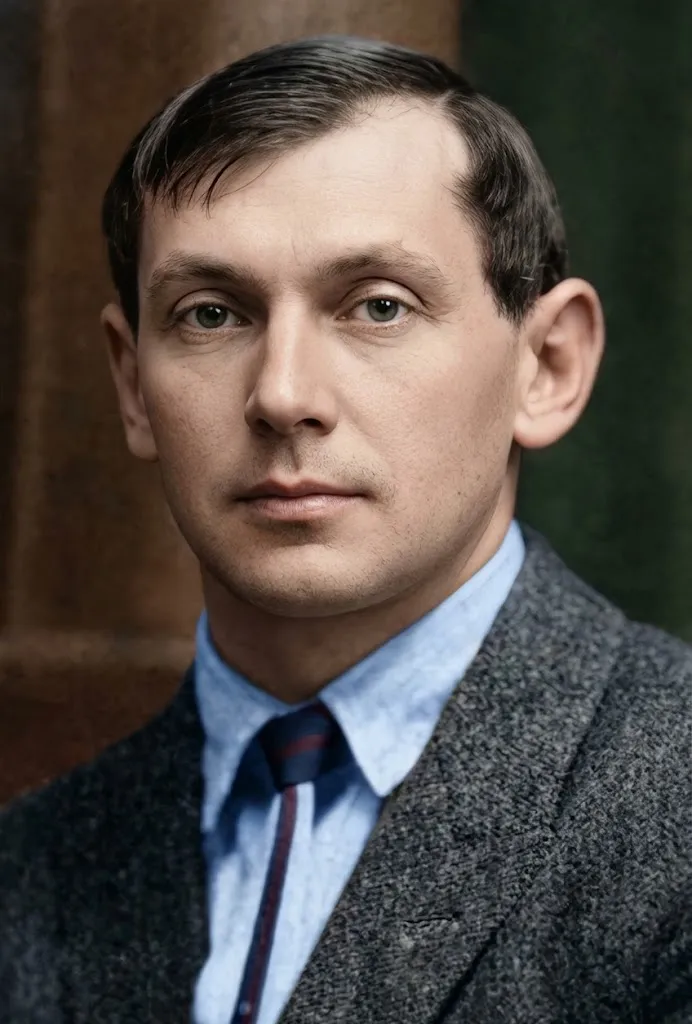
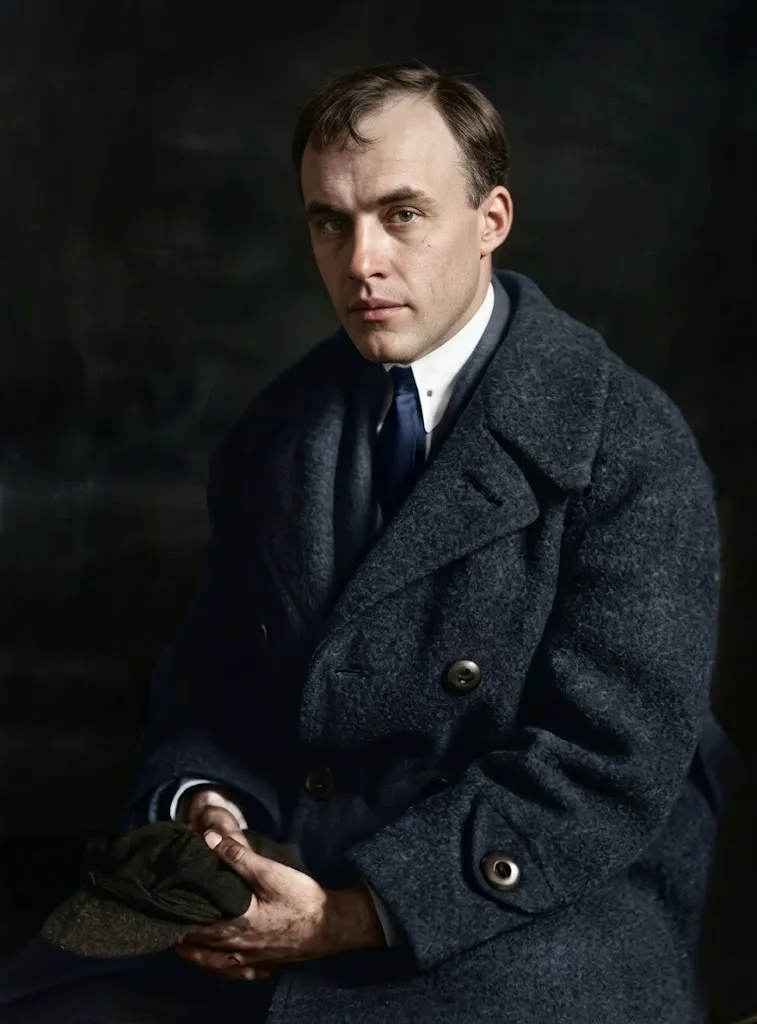
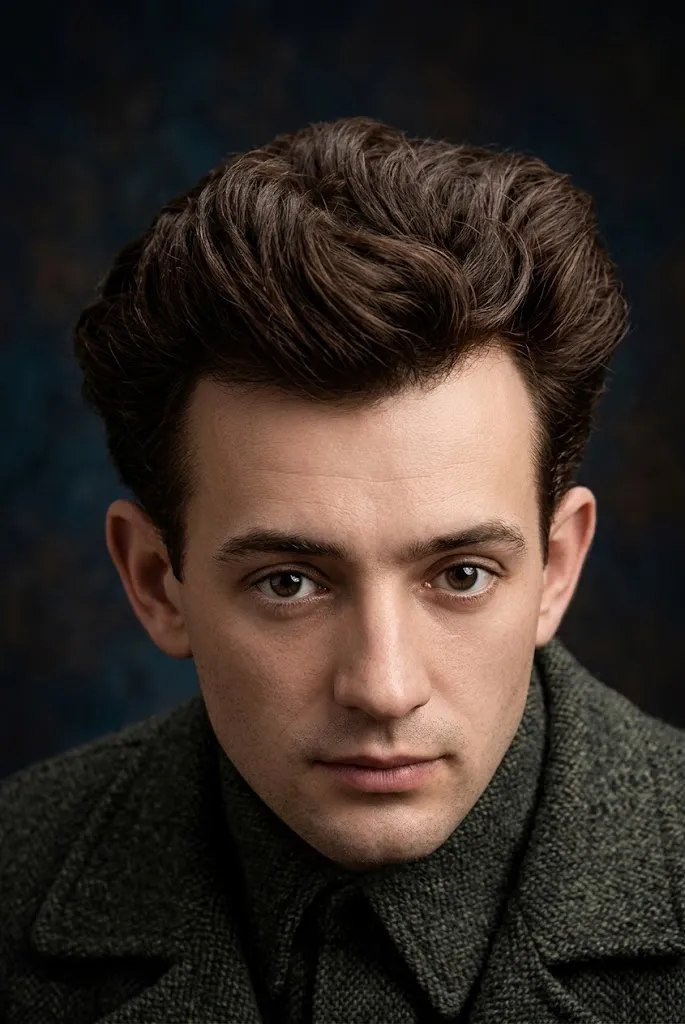
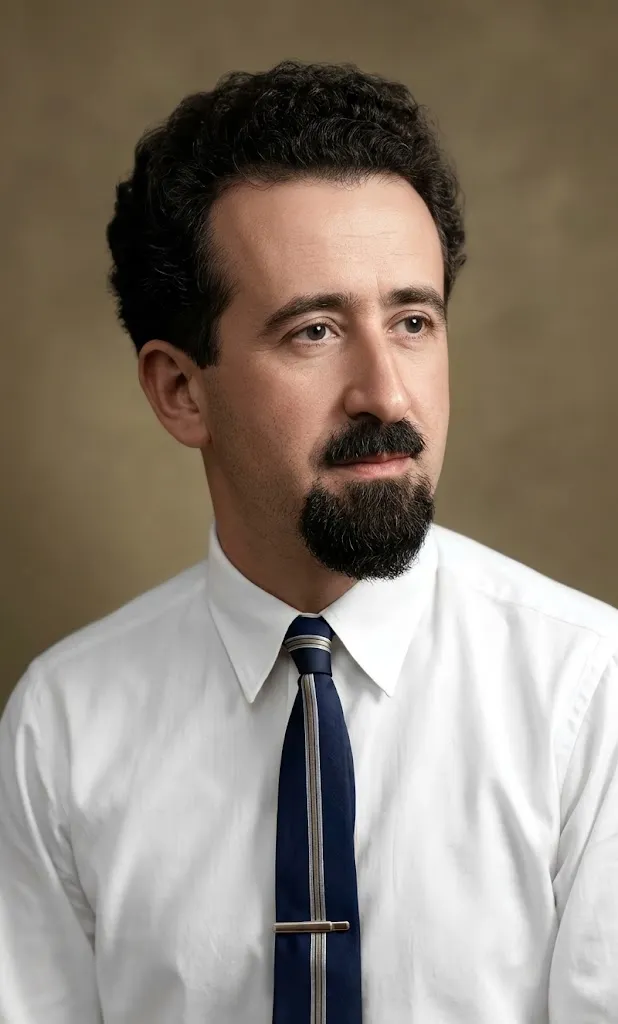
The critic Vasyl Koriak called him “the Homer of the revolution”. Valerian Polishchuk was an experimental poet, the founder of the Kharkiv literary group Avanhard, a translator and the author of dozens of books. He was shot at Sandarmokh in 1937.
Key accomplishments
- Founded the art group Hrono in Kyiv (1920) and the literary group Avanhard in Kharkiv (1925)
- The theoretical works The Literary Avant-garde (1926) and Pulse of the Epoch (1927), his programme of “constructive dynamism”
- Poetry collections Metallic Timbre (1927) and Electric Glow (1929)
- The short novels Hryhorii Skovoroda (1929) and A Tale of Metal and Coal (1931), about the Donbas
- Translations of Arthur Rimbaud, John Reed and Alexander Blok
The boy from Volhynia
Valerian Polishchuk was born in 1897 into a peasant family in the village of Bilche in Volhynia (now in the Rivne region). He went to the gymnasium in Lutsk and then in Katerynoslav, where he joined a social-democratic circle led by Isaak Mazepa, later head of the UNR government. While still a schoolboy, in December 1914, he published his first poem.
Years of upheaval
In 1917 Polishchuk entered the Petrograd Institute of Civil Engineers, but the revolution cut his studies short. Each change of power brought another arrest: by the Hetman’s men, by Petliura’s, by Denikin’s. He took part in the insurgent movement of the Directorate of the Ukrainian People’s Republic and was secretary to the UNR politician Mykyta Shapoval. Later he studied at the university in Kamianets-Podilskyi. In Katerynoslav Polishchuk worked for the journal Sich, the same one that printed Valerian Pidmohylnyi’s first stories in 1919. In 1921 the two of them, with Petro Yefremov, brought out the miscellany Vortex of the Revolution.
Poetry of factories and mines
In the autumn of 1920 Polishchuk founded the art group Hrono in Kyiv, and in 1921 he moved to Kharkiv. There he joined the writers’ union Hart, and in 1925 he founded his own literary group, Avanhard. He tried to combine the best of Impressionism, Futurism and other movements, and called his programme “constructive dynamism”. He wrote in free verse and sang of factories, mines and electricity, as in Electric Glow (1929) and A Tale of Metal and Coal (1931), about the Donbas. He also wrote a short novel about Hryhorii Skovoroda (1929) and translated Rimbaud, John Reed and Blok.
Sadness between the cheerful lines
In time, hopeless moods crept into his cheerful poems. Polishchuk took hard the forced collectivization, the Holodomor of 1932–1933, and the suicides of Mykola Skrypnyk and Mykola Khvylovy. Official critics accused him of nationalism and of praising “wreckers” and “nationalists” such as Mykola Zerov and Serhii Yefremov.
Solovki and Sandarmokh
At the end of 1934 Polishchuk was arrested on a fabricated charge of belonging to an anti-Soviet “Borotbist” organization. In March 1935 he was sentenced to 10 years in the camps, which he served on the Solovetsky Islands. In October 1937 a special NKVD troika sentenced him to death. On 3 November 1937 he was shot in the Sandarmokh forest in Karelia; Mykola Kulish, Valerian Pidmohylnyi and Oleksa Slisarenko were killed there the same day. He was posthumously rehabilitated in 1962.
Why it matters today
Valerian Polishchuk wanted Ukrainian poetry to speak the language of its own time: free verse about factories, mines and electricity. He did not just write; he brought other writers together and looked with them for new paths for Ukrainian literature. By combining the best of several European movements and translating Rimbaud, he set Ukrainian verse beside the poetry of the wider world. Any poet today who looks for a new form for Ukrainian verse carries on his experiment.