1897–1937
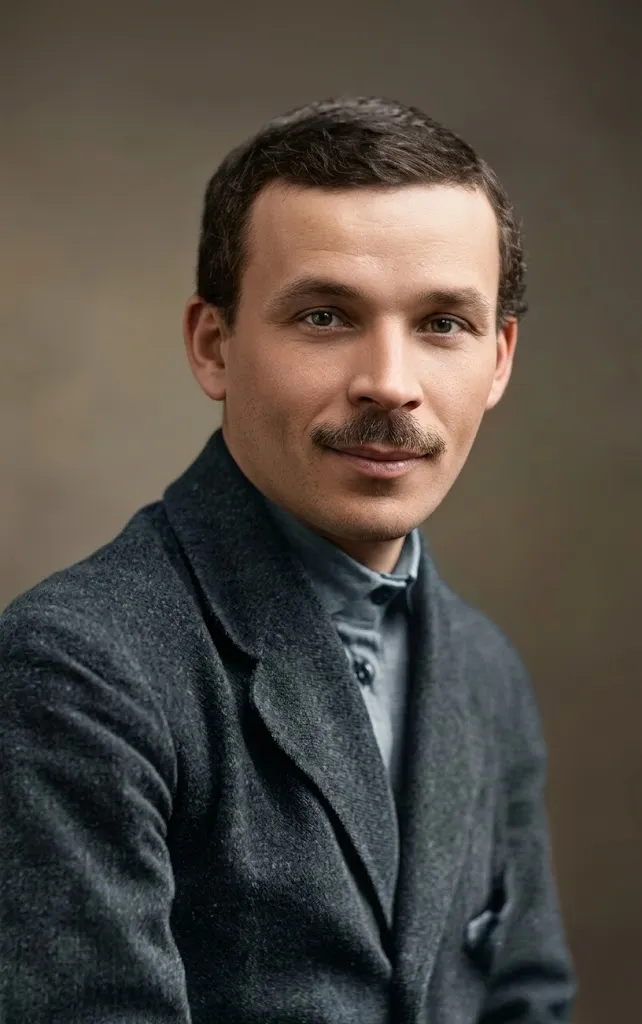
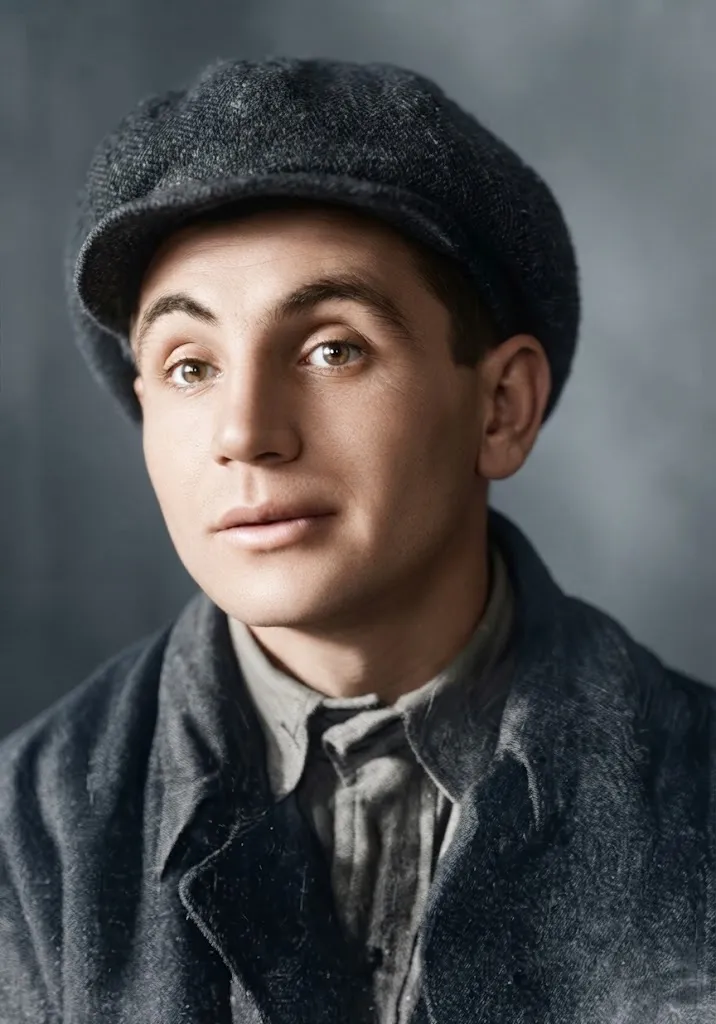
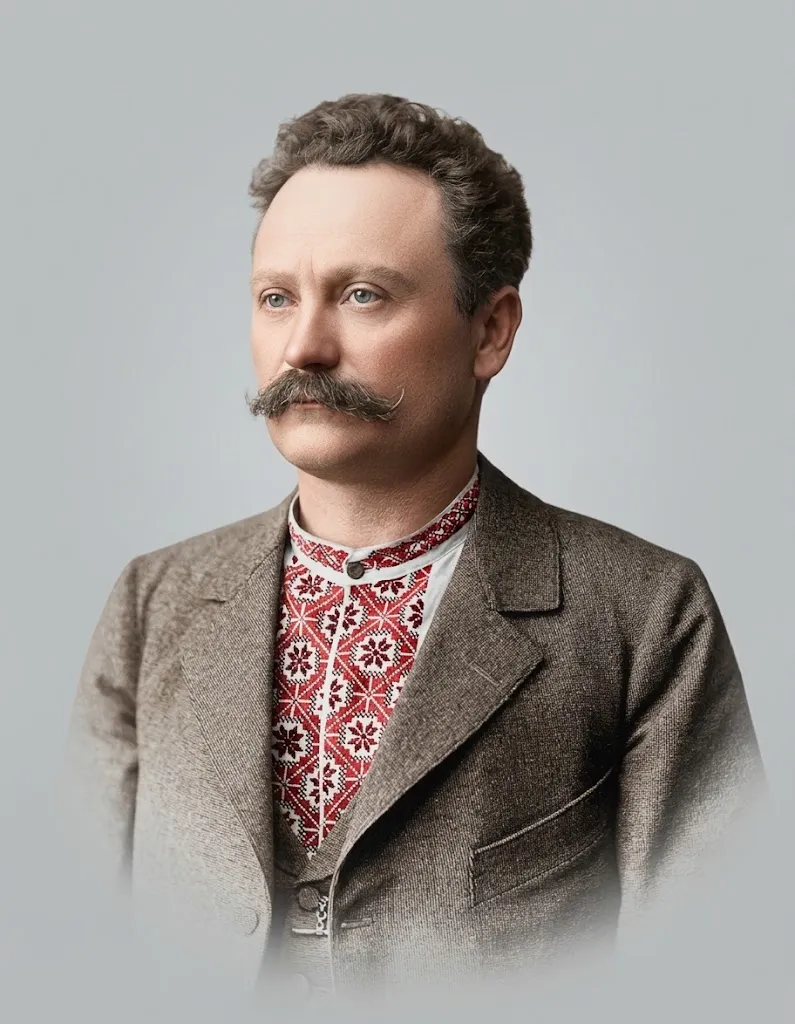
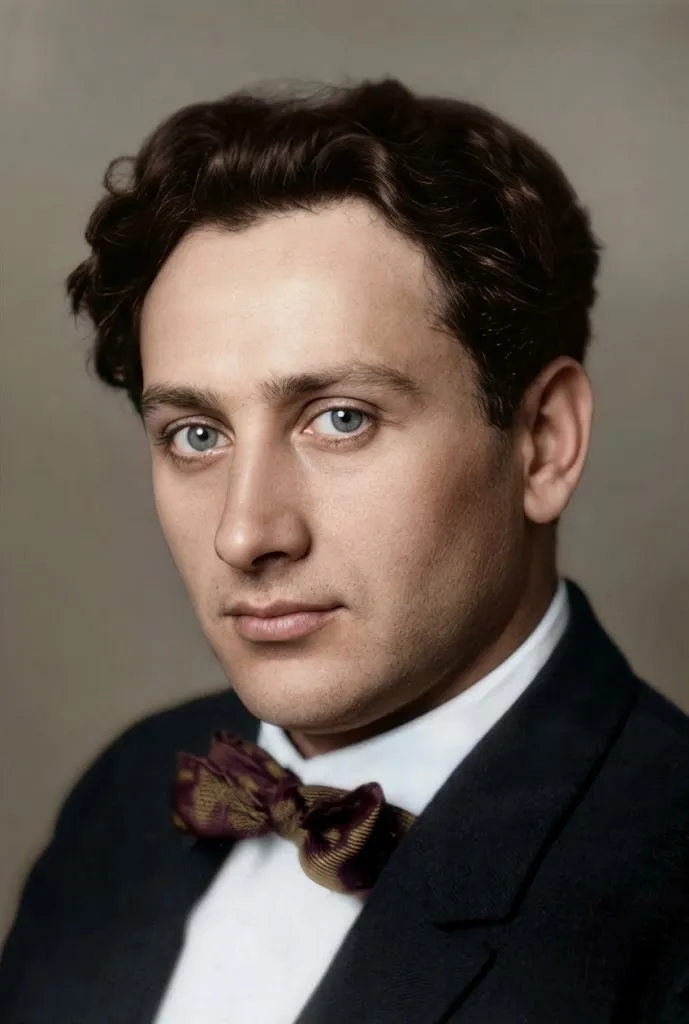
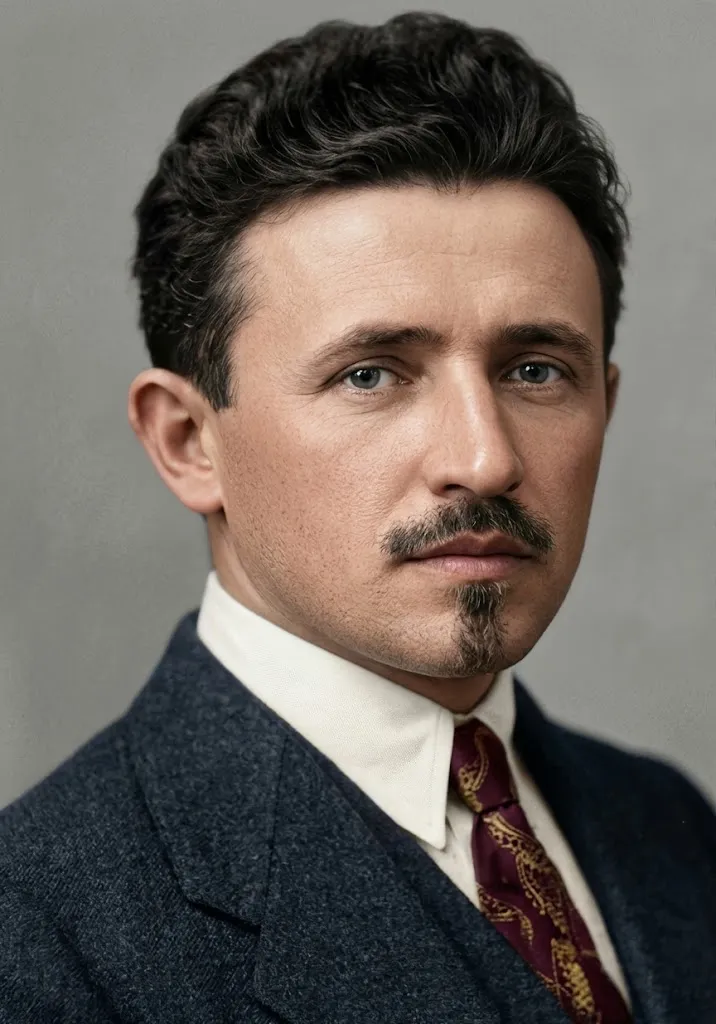
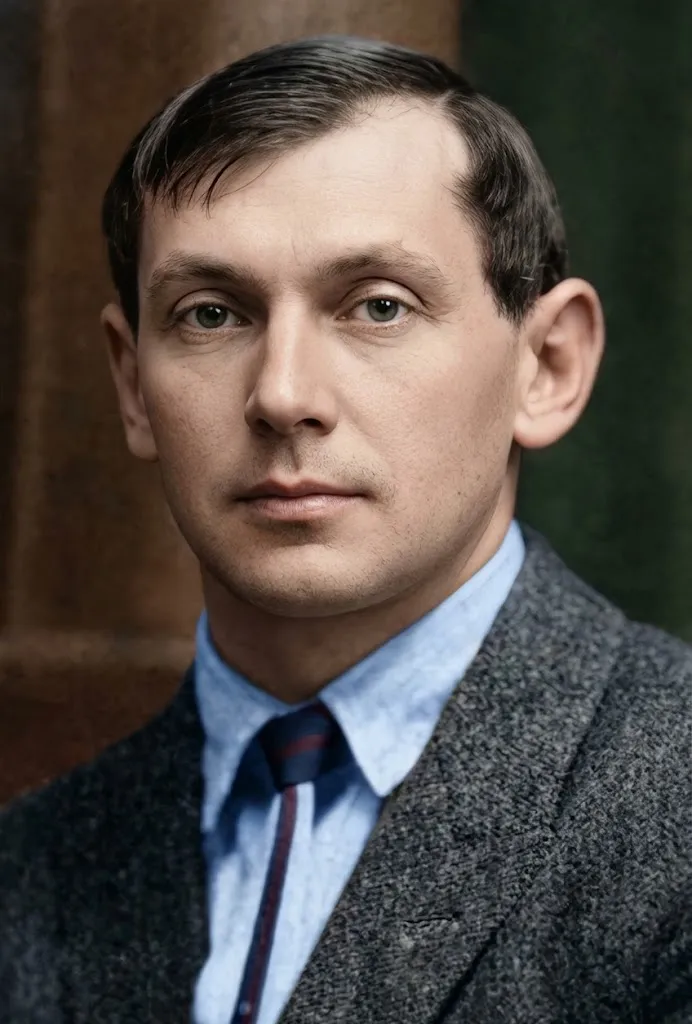
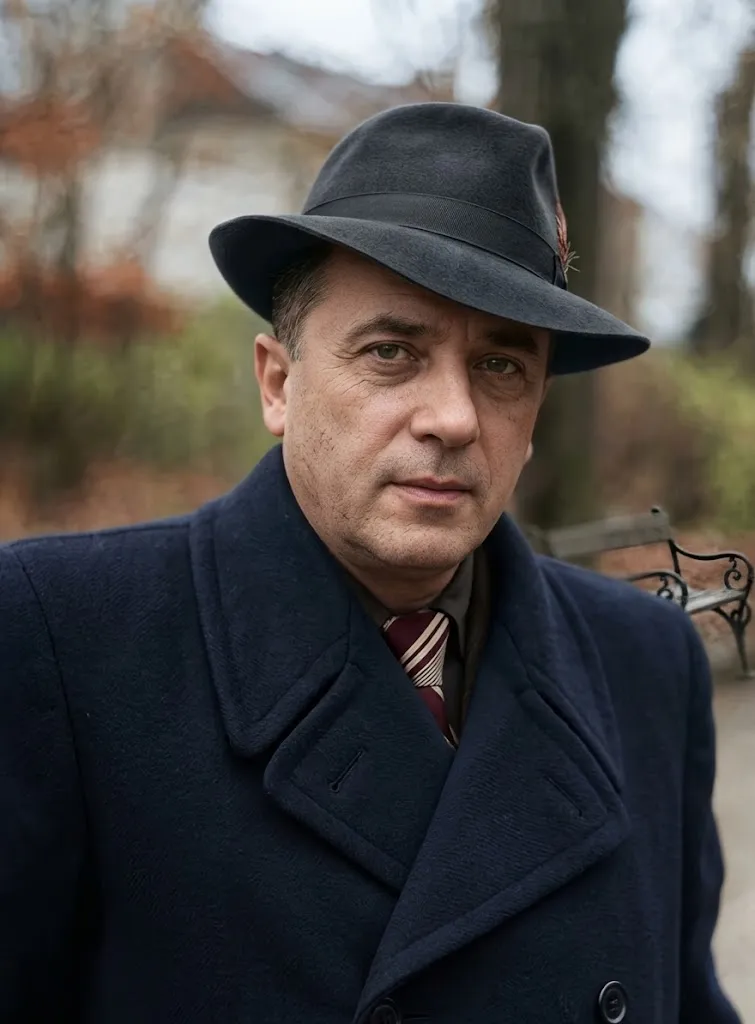
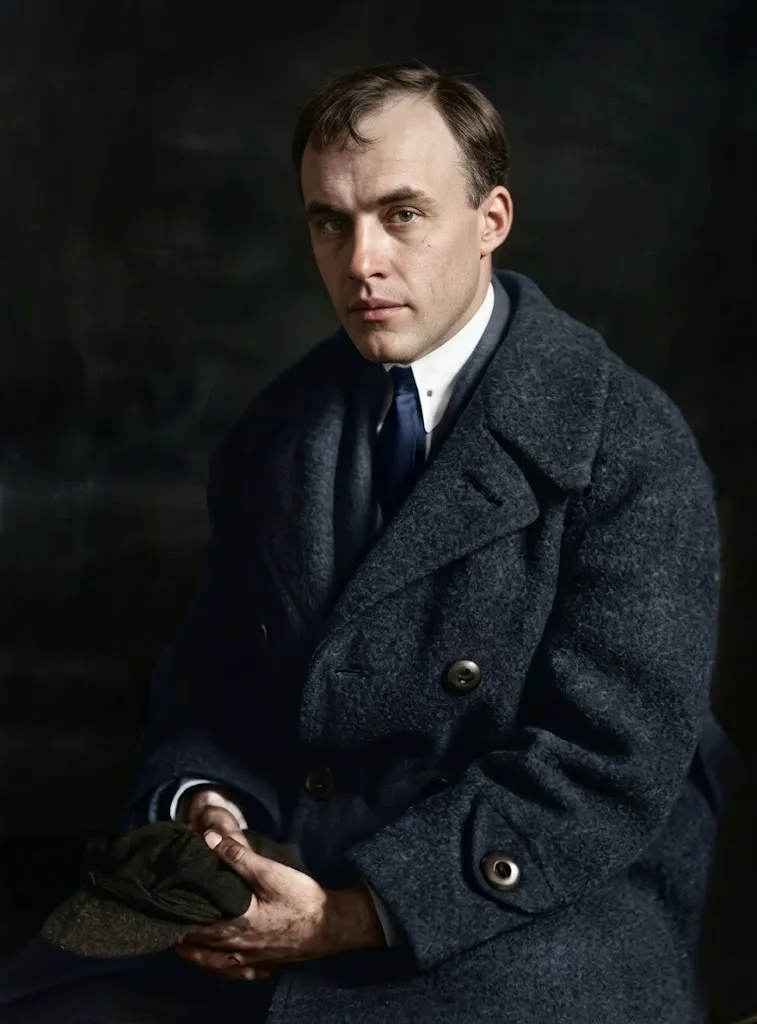
Myroslav Irchan
Writer and playwright
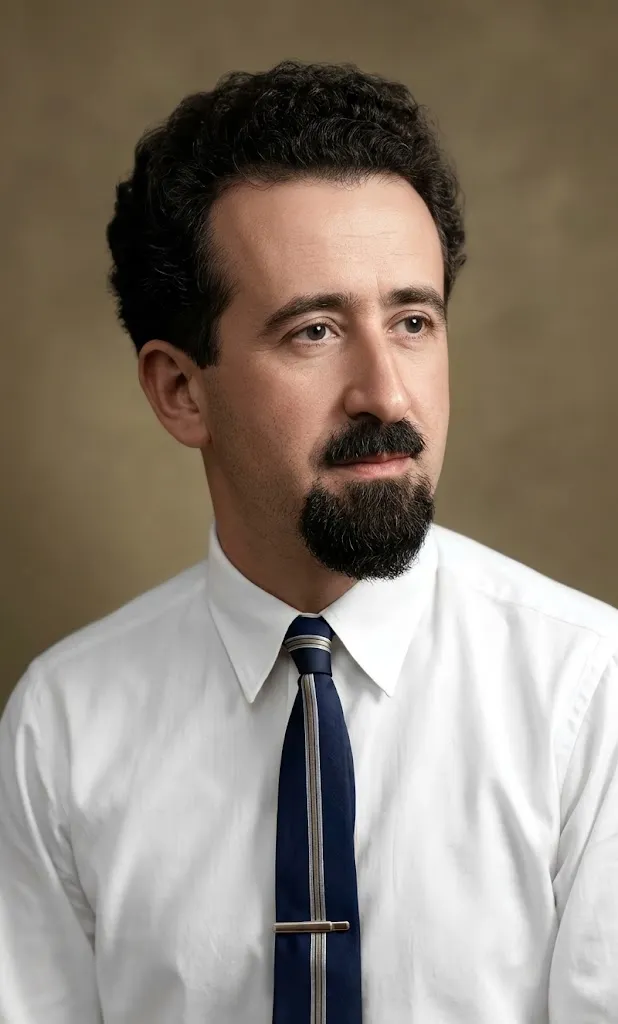
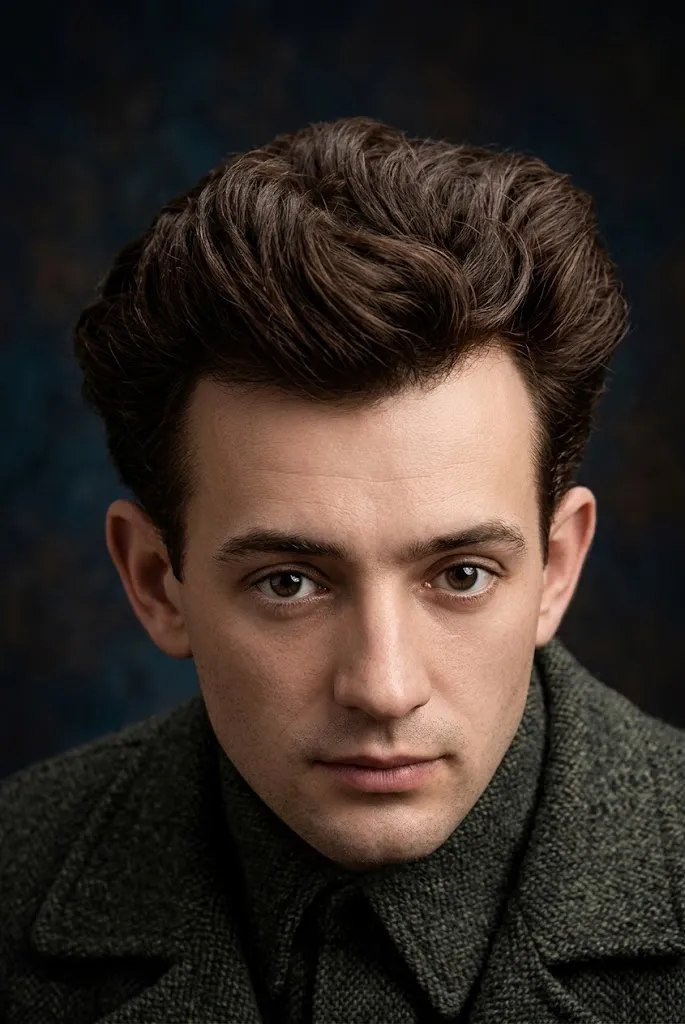
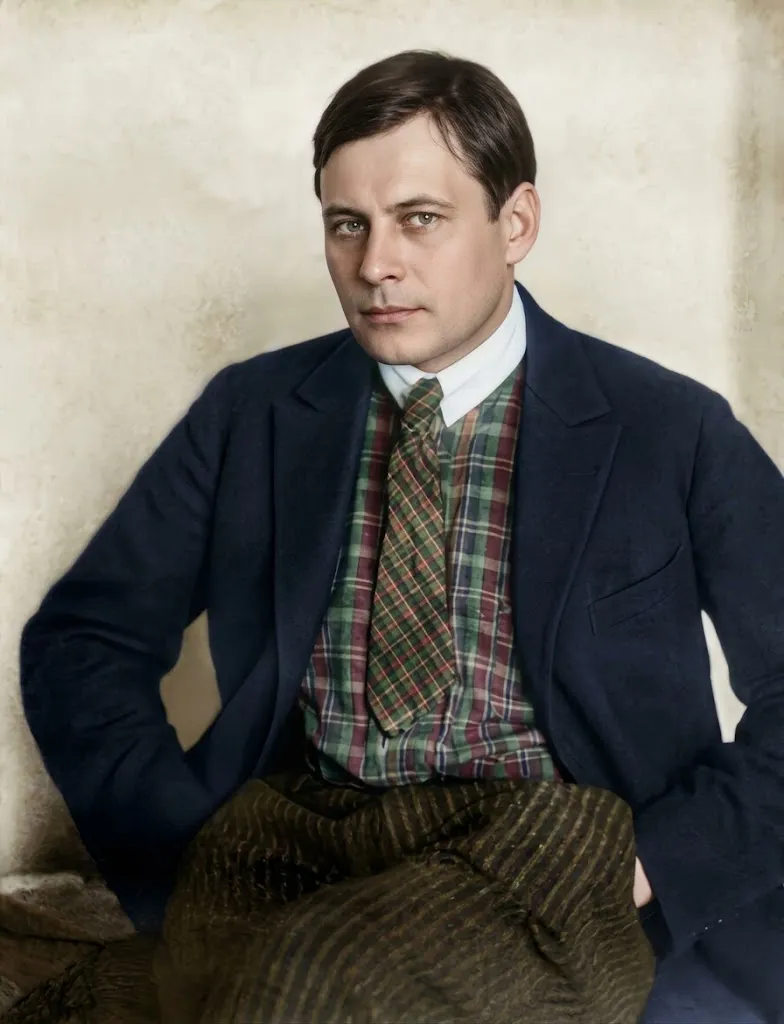
Ukrainian workers’ theatres in Canada staged his plays. Myroslav Irchan, a former Sich Rifleman and communist writer, spent six years in Winnipeg and returned to Soviet Ukraine in 1929. In 1937 he was shot at Sandarmokh.
Key accomplishments
- About 25 books of prose: on the Ukrainian Sich Riflemen, the Galician village and emigrant life in America
- The plays A Family of Brushmakers, Underground Galicia and The Twelve, written for Ukrainian workers’ stages in Canada
- Editor of the magazines Robitnytsia and Svit molodi in Winnipeg; founder and secretary of the overseas branch of Hart (1924–1925)
- Led the literary organization Zakhidnia Ukraina in Kharkiv and edited its journal
The boy from Piadyky
Andrii Babiuk, later known as Myroslav Irchan, was born in 1897 to a poor peasant family in the village of Piadyky near Kolomyia, in Galicia, then part of Austria-Hungary. He was making up songs by the age of seven. He studied at the Kolomyia gymnasium and in 1914 graduated from the teachers’ seminary in Lviv. That same year his first short story, “The Meeting”, came out in the Vienna newspaper Svoboda.
From the Sich Riflemen to the Reds
When the First World War broke out, Irchan volunteered for the Legion of Ukrainian Sich Riflemen and rose to the rank of cadet officer. His first book, The Laughter of Nirvana, came out in Lviv in 1917. Then came the Ukrainian Galician Army, and in February 1920 he went over to the Red Army with a Galician brigade. From then on Irchan was on the communists’ side: in Kyiv he taught at a military school and wrote for the journal Halytskyi komunist, and in 1922–1923 he studied at Charles University in Prague.
Theatre for the workers of Winnipeg
In the autumn of 1923 Irchan moved to Winnipeg, Canada. There he edited the pro-communist magazines Robitnytsia and Svit molodi, and founded the overseas branch of the writers’ union Hart, serving as its secretary. He wrote plays for Ukrainian workers’ theatres and set up a workers’ theatre studio, which he directed himself. Several of his plays, such as A Family of Brushmakers and Underground Galicia, became popular among Ukrainian Canadians; he also published a handbook, The Stage (1928). In his prose he wrote about the Sich Riflemen, the Galician village under Polish rule and emigrants in America, carrying on the tradition of Ivan Franko and Vasyl Stefanyk. His memoirs of the Ukrainian-Polish War, The Tragedy of the First of May (1923) and In the Weeds (1925), also came out in these years.
Back to Kharkiv
In 1929 Irchan returned to Soviet Ukraine. In Kharkiv he led the literary organization Zakhidnia Ukraina (Western Ukraine), which brought together writers from the western Ukrainian lands, and edited its journal of the same name and the magazine Silskyi teatr (Village Theatre).
Solovki and Sandarmokh
On 28 December 1933 Irchan was arrested as an “agent of German fascism” and sentenced to 10 years in the camps. He was held on the Solovetsky Islands, where the NKVD declared him “incorrigible”: he had not renounced “his counter-revolutionary convictions”. In October 1937 an NKVD troika reviewed his case and sentenced him to death. On 3 November 1937 Irchan was shot in the Sandarmokh forest in Karelia; Mykola Kulish and Les Kurbas were killed there the same day. His books were banned and removed from libraries. News of his arrest shook his comrades in Canada and in 1935 helped bring about a split in their organization.
Why it matters today
Irchan gave a voice to people who were rarely heard: Galician villagers under Polish rule, the Sich Riflemen, Ukrainian emigrants in America, carrying on the tradition of Ivan Franko and Vasyl Stefanyk. For Ukrainian workers in Canada, his plays became a theatre of their own. He chose the communists knowingly and served them with his pen, but that did not save him: his fate shows that the Soviet terror did not spare even the Ukrainian writers who had taken the communists’ side. His books were pulled from libraries, yet they outlived the ban: they keep the voices of Galician peasants and Ukrainian workers in 1920s Canada, and today anyone can read them again.