c. 1516–1563
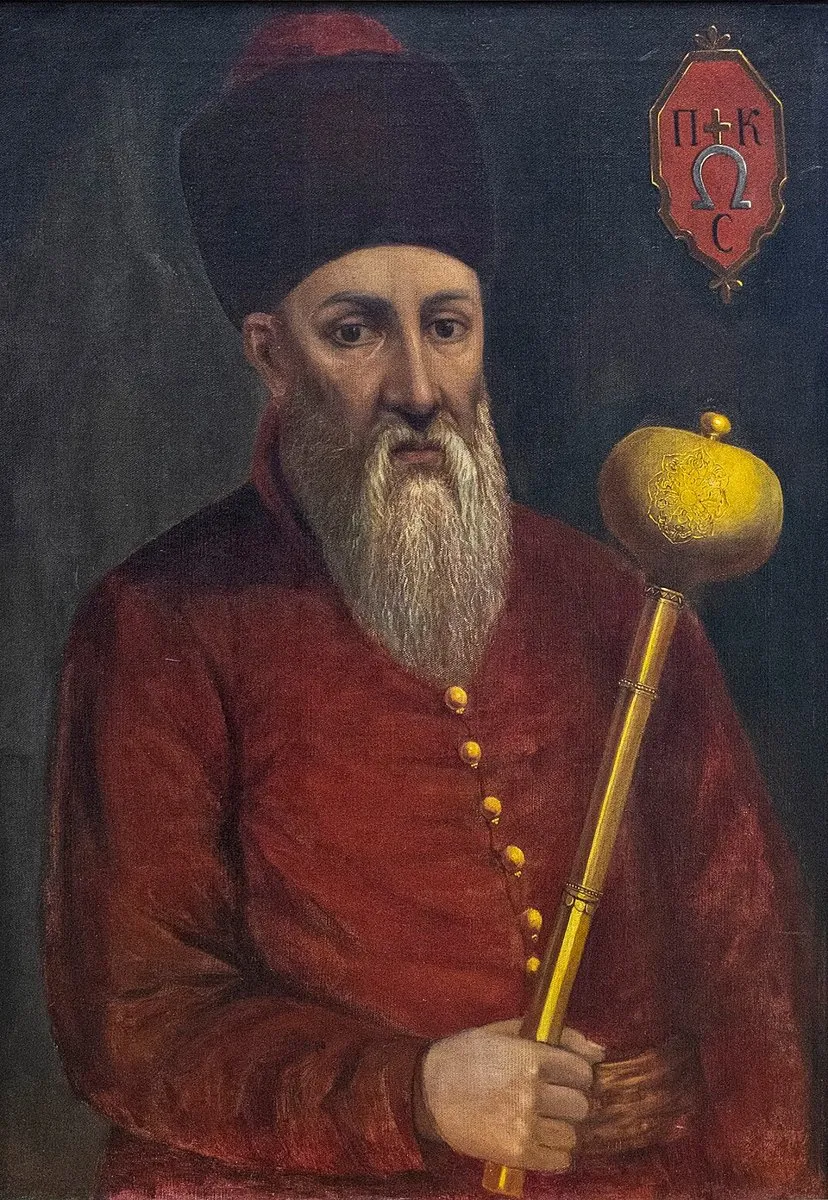
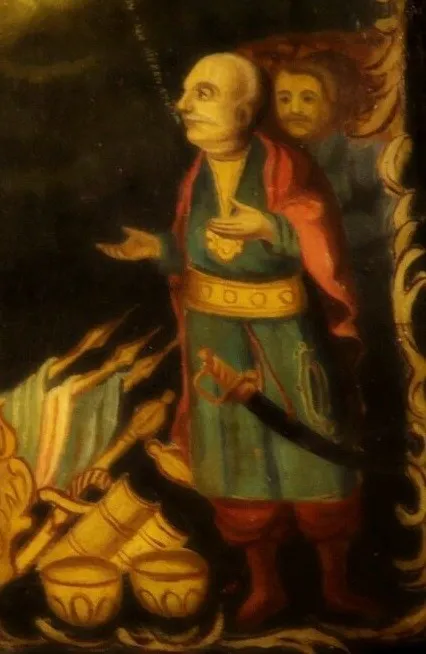
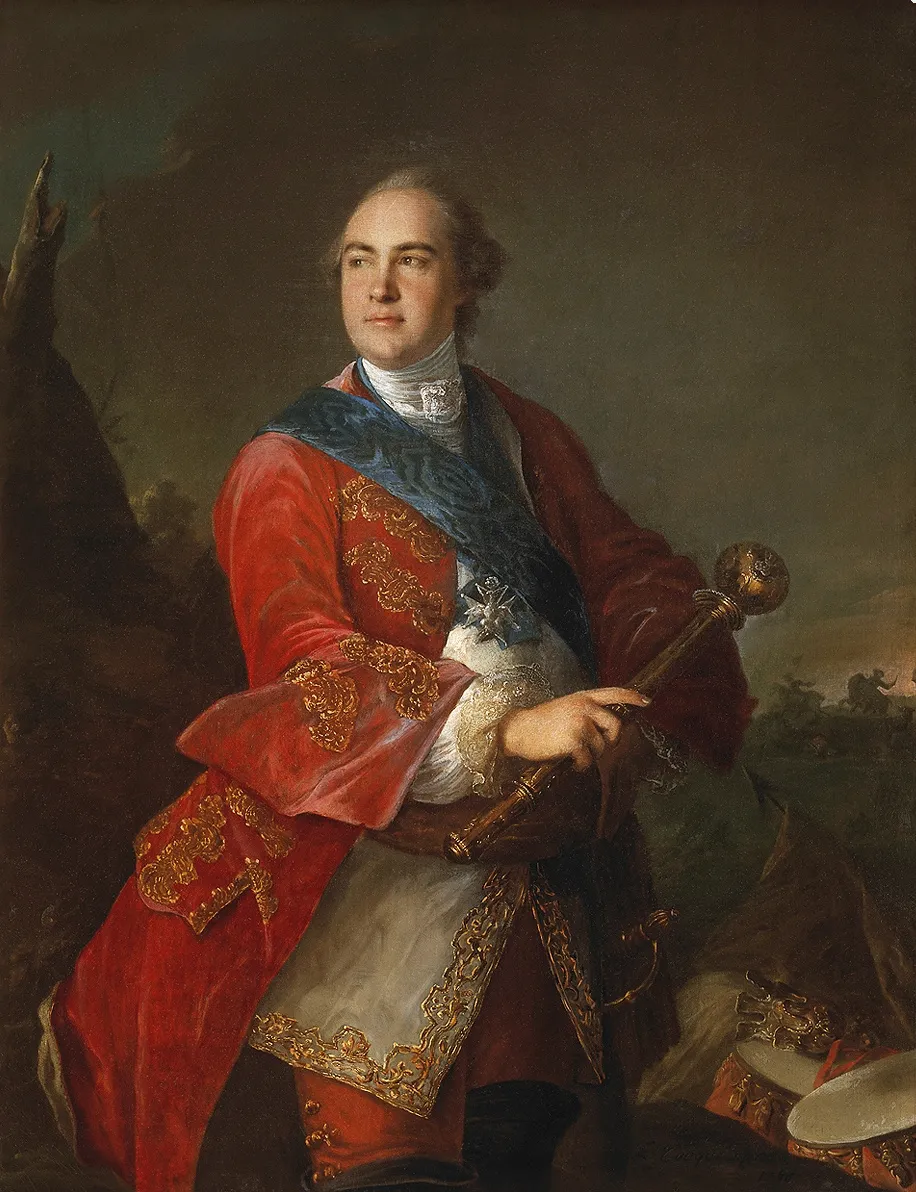
Dmytro Vyshnevetskyi (Baida)
One of the first Cossack leaders
On tiny Baida Island near Khortytsia, archaeologists found the remains of his fortress. From there Prince Dmytro Vyshnevetskyi led campaigns against the Tatars and Turks in the 1550s, and a folk song about the Cossack Baida made him a symbol of defiance.
Key accomplishments
- Starosta of Cherkasy and Kaniv from the 1540s; relied on the Cossacks to defend the southern frontier
- Built a fortification on the island of Mala Khortytsia (1555–1556), a forerunner of the Zaporozhian Sich
- Campaigns against the Turkish fortress of Ochakiv and the Tatar Islam-Kermen
- Took part in campaigns against the Crimean Khanate in the service of Muscovite Tsar Ivan IV (1557–1561)
- Hero of the folk song (duma) about the Cossack Baida
Seven fortresses on one island
On the Dnipro near Khortytsia lies Baida Island, or Mala Khortytsia, just 570 meters long. Archaeologists have found seven layers of settlements and fortifications here, one beneath another, from the most ancient times to the 18th century. One of those layers holds the remains of a small town with a fortress built in the mid-16th century by Prince Dmytro Vyshnevetskyi.
A prince on a restless frontier
Vyshnevetskyi came from a Volhynian princely family; the year of his birth is not known for certain. Through his mother the family was related to the Ostrozkyi princes. From the 1540s Dmytro served as starosta (royal district governor) of Cherkasy and Kaniv, on the southern frontier of the Grand Duchy of Lithuania, where Tatar raids had to be fought off constantly. He relied on the Zaporozhian Cossacks.
In 1554 King Sigismund II Augustus appointed him guard of Khortytsia, and in 1555 Vyshnevetskyi began building a powerful fortification on Mala Khortytsia. From there he led campaigns against the Turkish fortress of Ochakiv and the Tatar Islam-Kermen near today’s Kakhovka. In 1557 the Crimean khan besieged the fortress, and Vyshnevetskyi had to abandon the island.
Between tsar, king and sultan
When the help the Polish government had promised never came, Vyshnevetskyi entered the service of Muscovite Tsar Ivan IV and fought against the Crimean Khanate. He later returned to the allegiance of Sigismund II. In 1563, during a campaign in Moldavia, he was wounded and captured, then taken to Istanbul. According to the Encyclopedia of the History of Ukraine, he refused to enter Turkish service. On 29 October 1563 he was executed.
Was he Baida?
According to tradition, his death inspired the folk duma about the Cossack Baida, who refuses to serve the sultan. Whether Vyshnevetskyi really was the model for Baida is debated by historians. But the Internet Encyclopedia of Ukraine calls him the first Cossack otaman in the history of Ukraine, and the Khortytsia reserve calls his town and fortress the first Zaporozhian Sich in history.