Hryhorii Loboda
Hetman of the Zaporozhian Host
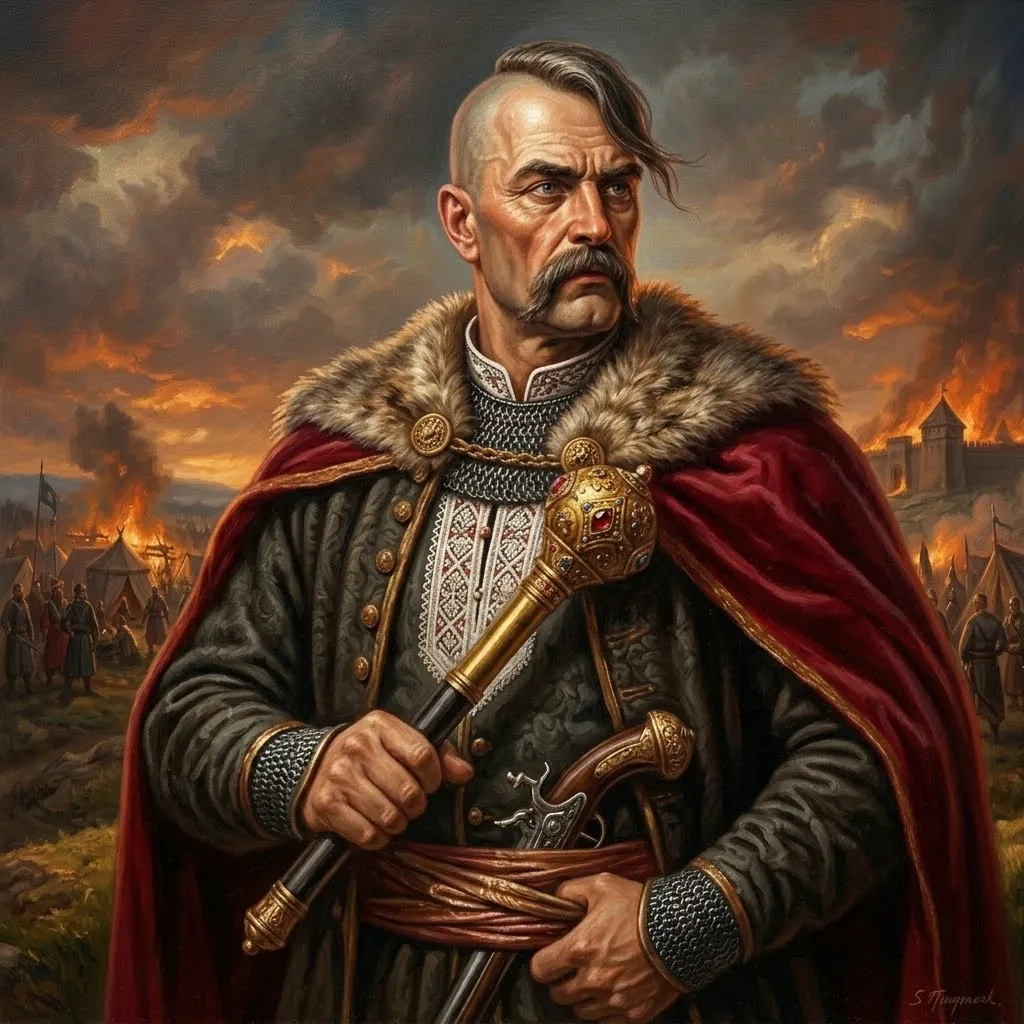
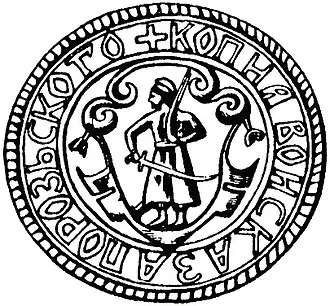
A Cossack with a sabre and a musket on his seal is one of the oldest known emblems of the Zaporozhian Host. Hryhorii Loboda, a Zaporozhian hetman of the 1590s, fought the Turks in Moldavia, and in 1596 fought the royal army with Severyn Nalyvaiko. He was killed in the camp near Lubny.
Key accomplishments
- In the autumn of 1594, with Severyn Nalyvaiko, led the Cossacks into Moldavia as allies of Emperor Rudolf II against the Turks; the Cossacks burned Iași
- In 1595 fought the Turks in Moldavia as an ally of Prince Aron
- From the autumn of 1595 to the winter of 1596 his army of 8,000–10,000 Cossacks held the Kyiv region and southern Belarus
- The Zaporozhian Host’s seal on his documents of 1595–1596 is one of the oldest reliably attested images of a Cossack seal
- Re-elected hetman in 1596, he led the Cossacks in the war with the royal army up to the siege near Lubny
A knight with a musket
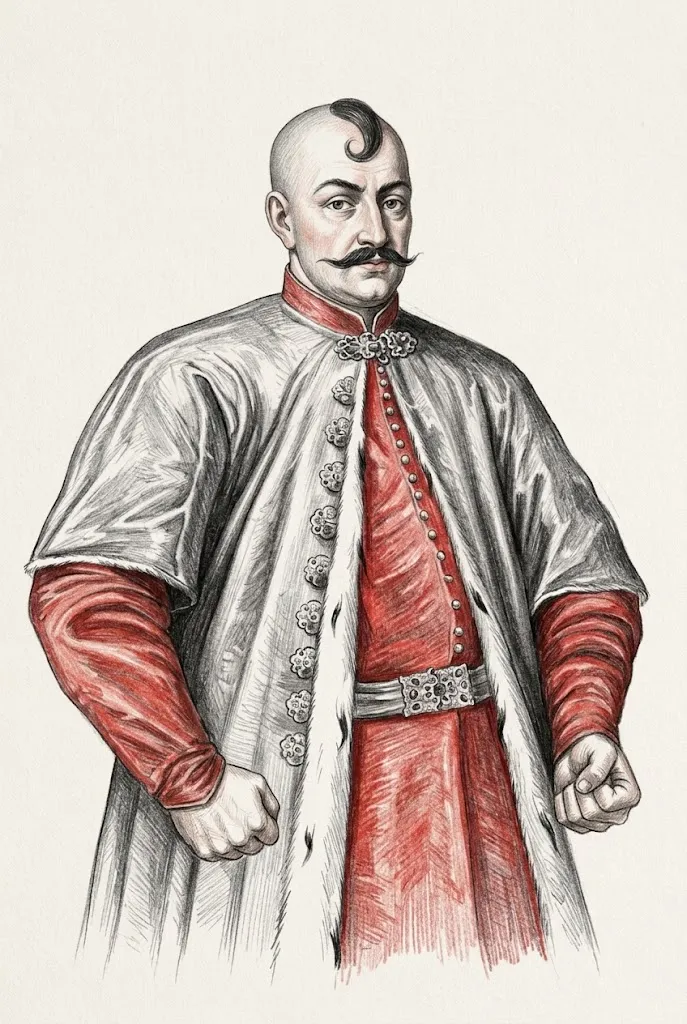
Picture a round seal the size of a coin: inside a shield stands a Cossack in a long coat, with a sabre and a musket. Documents of Hetman Hryhorii Loboda were sealed with it in 1595–1596. It is one of the oldest images of the Zaporozhian Host’s seal that historians can trust. The Cossack with a musket stayed on the Host’s seals long after, under Petro Sahaidachnyi and Bohdan Khmelnytskyi.
The march on Iași
No one knows when Loboda was born. He came from the Kyiv region. His name first appears at the end of 1593, when he led Cossacks on a raid into Moldavia. In the autumn of 1594 he and Severyn Nalyvaiko went back, this time as allies of Emperor Rudolf II in his war with the Turks. They beat the Moldavian prince and burned his capital, Iași. Soon afterwards Prince Aron broke with the Turks and went over to the emperor, and by late February 1595 Loboda was fighting on his side.
The mace and the search for peace
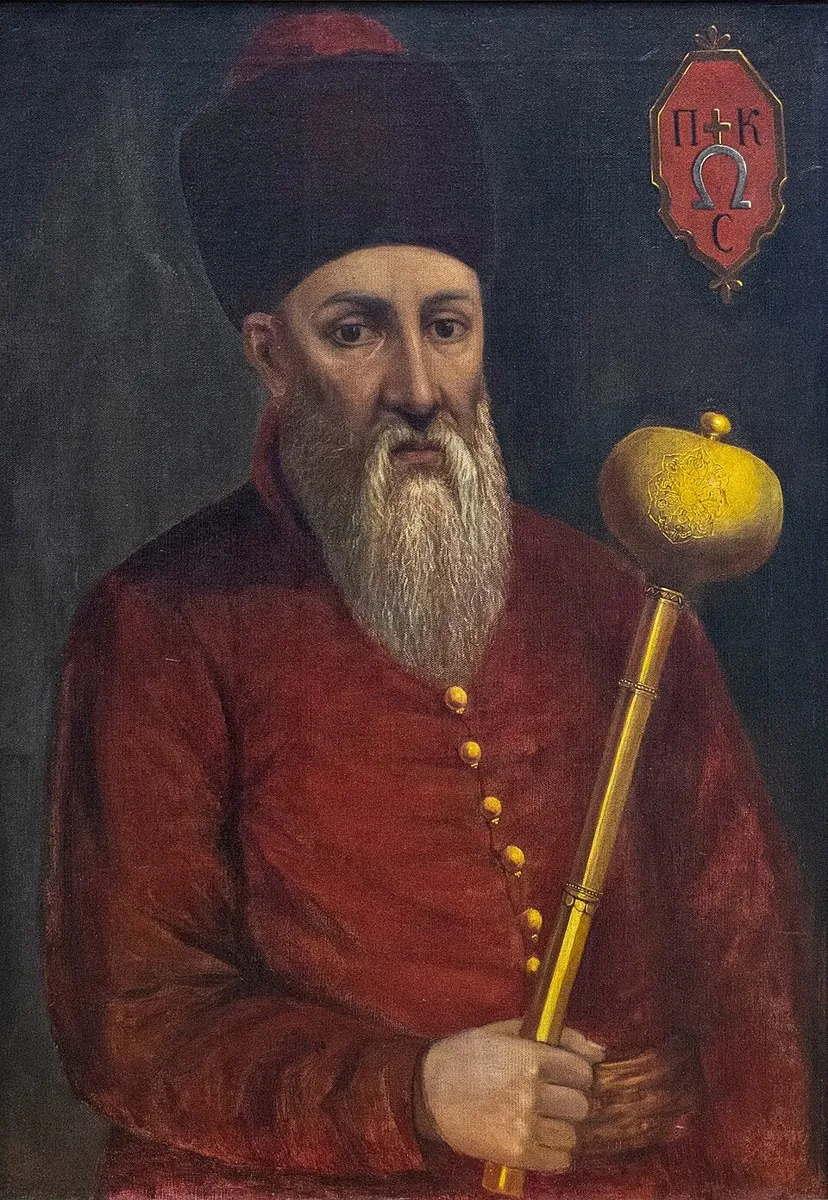
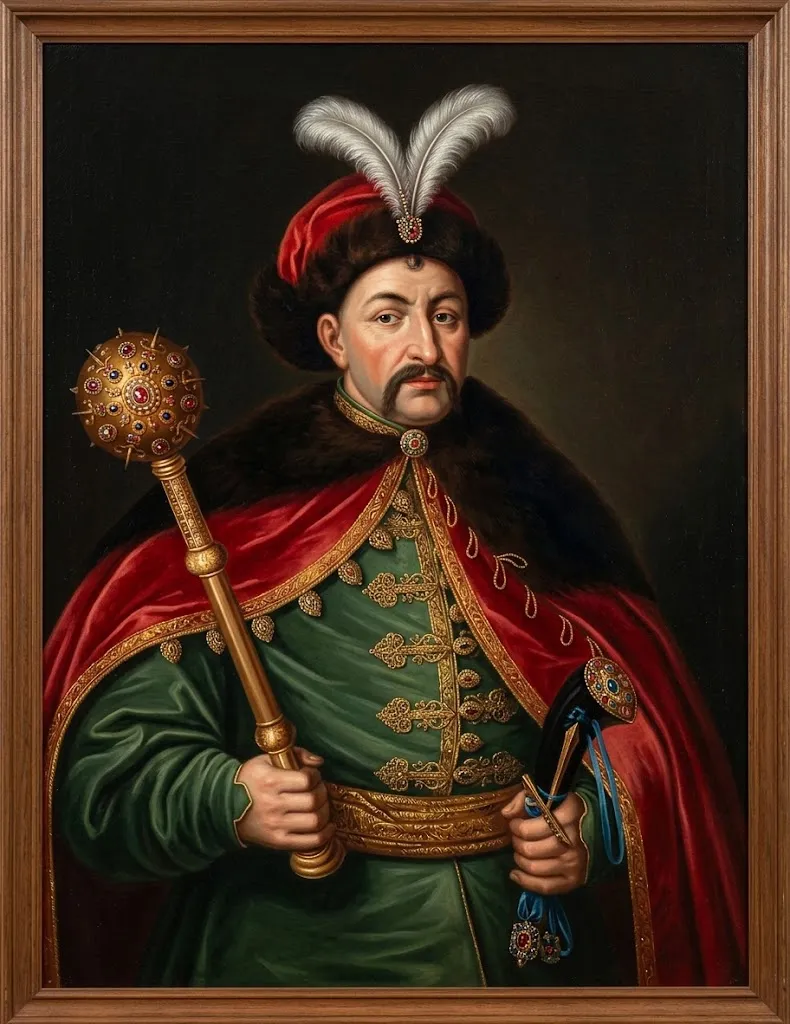
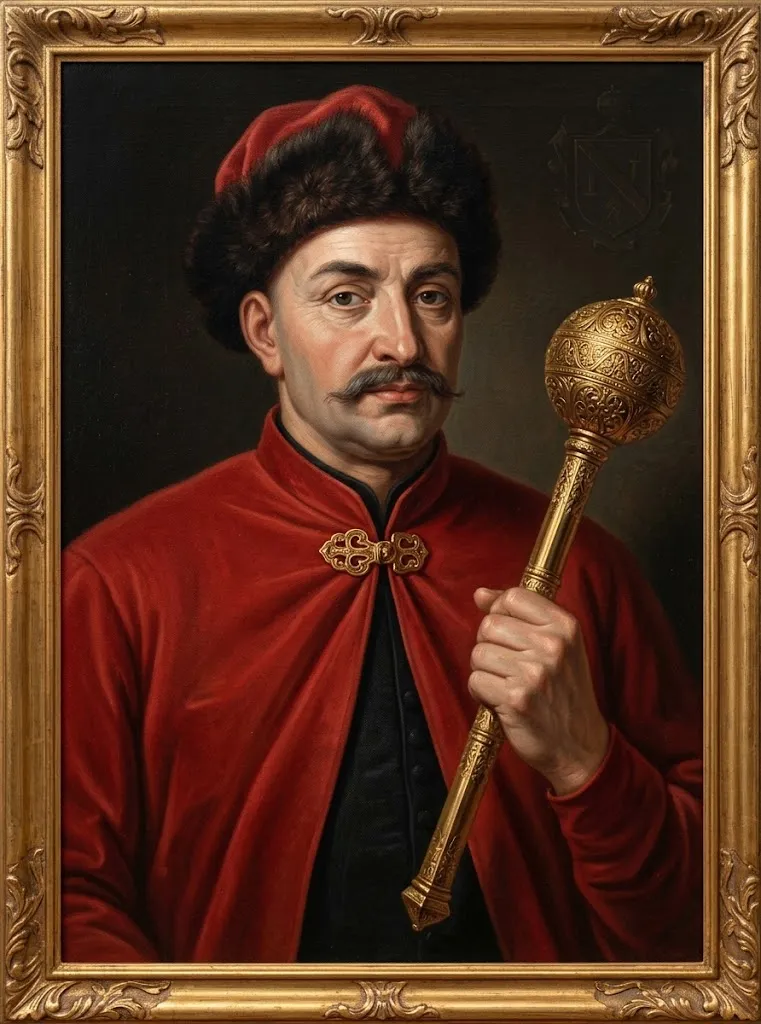
In the autumn of 1595 his army of 8,000–10,000 Cossacks made its base in Ovruch and held the Kyiv region and southern Belarus. Loboda saw this not as a revolt but as the Cossacks rebuilding their strength, and he was ready to make peace with the government. Early in 1596 he lost the hetman’s mace for a while to Matvii Shaula. But after the battle of Hostryi Kamin near Trypillia, where Shaula was badly wounded, the Cossacks in Pereiaslav chose Loboda as hetman again.
The last siege
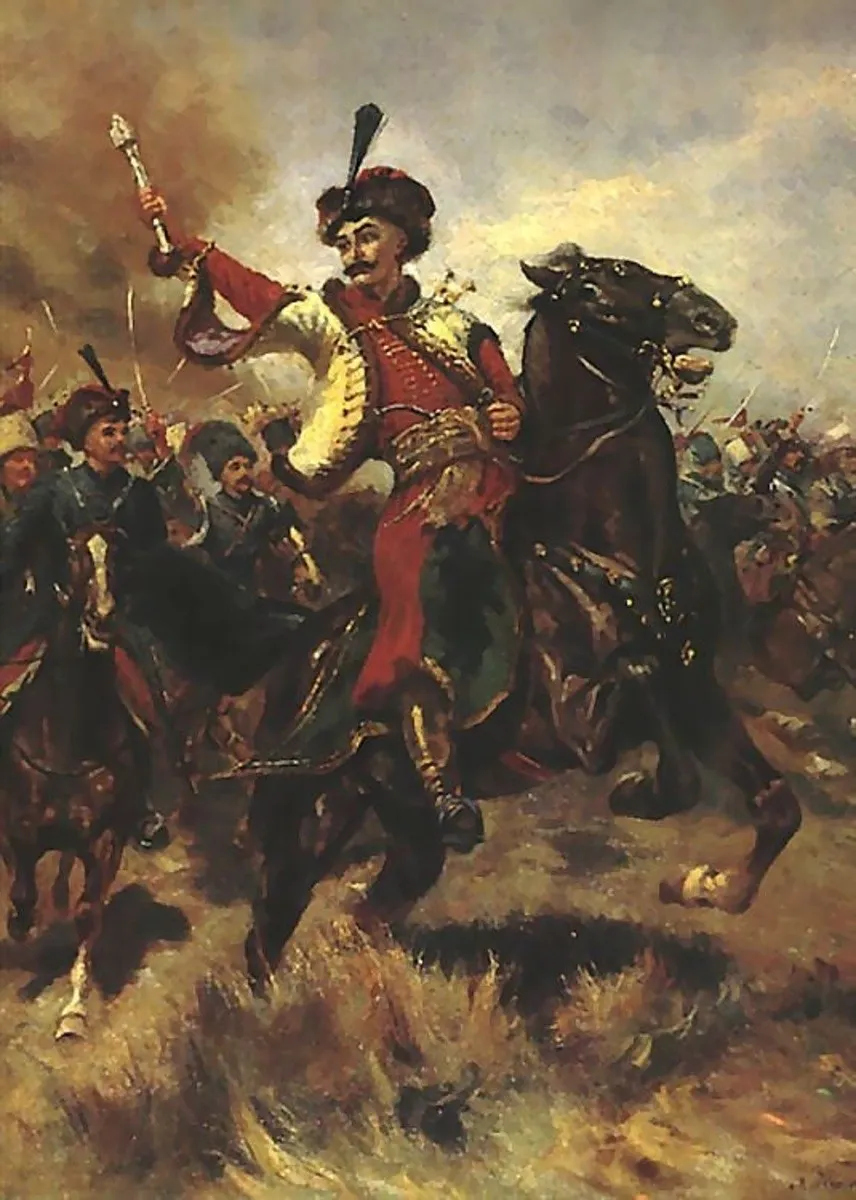
The royal army of Hetman Stanisław Żółkiewski was marching against the Cossacks. Loboda held secret talks with him, but the Cossacks would not buy their lives by handing over their leaders. In May 1596 they were surrounded, with their wives and children, at Solonytsia near Lubny. During the siege rumours of treason spread through the camp, and Loboda was killed by his own Cossacks.
Debates and assessments
Sources tell the story of Loboda’s death in different ways. Some scholars write that the Cossacks arrested him on suspicion of treason and executed him soon after. Others say he was killed by Nalyvaiko’s supporters, or died in an armed clash between registered and unregistered Cossacks when rumours of surrender spread. Żółkiewski himself hinted that his own intrigues had sown the discord in the camp. Historians differ on whether Loboda’s talks were treason or an attempt to save the army.
Why it matters today
Loboda was one of those who turned a free band of fighters into the Zaporozhian Host: with a hetman, a seal of its own and alliances with emperors and princes. The Cossack with a musket on his seal outlived its hetman and remained the Host’s emblem for decades to come. His story also shows, honestly, the price of division: a camp the royal army could not take by storm was worn down by quarrels within. The Cossacks’ strength was in their unity, and everyone who defends Ukraine today knows it.