c. 1618–1680
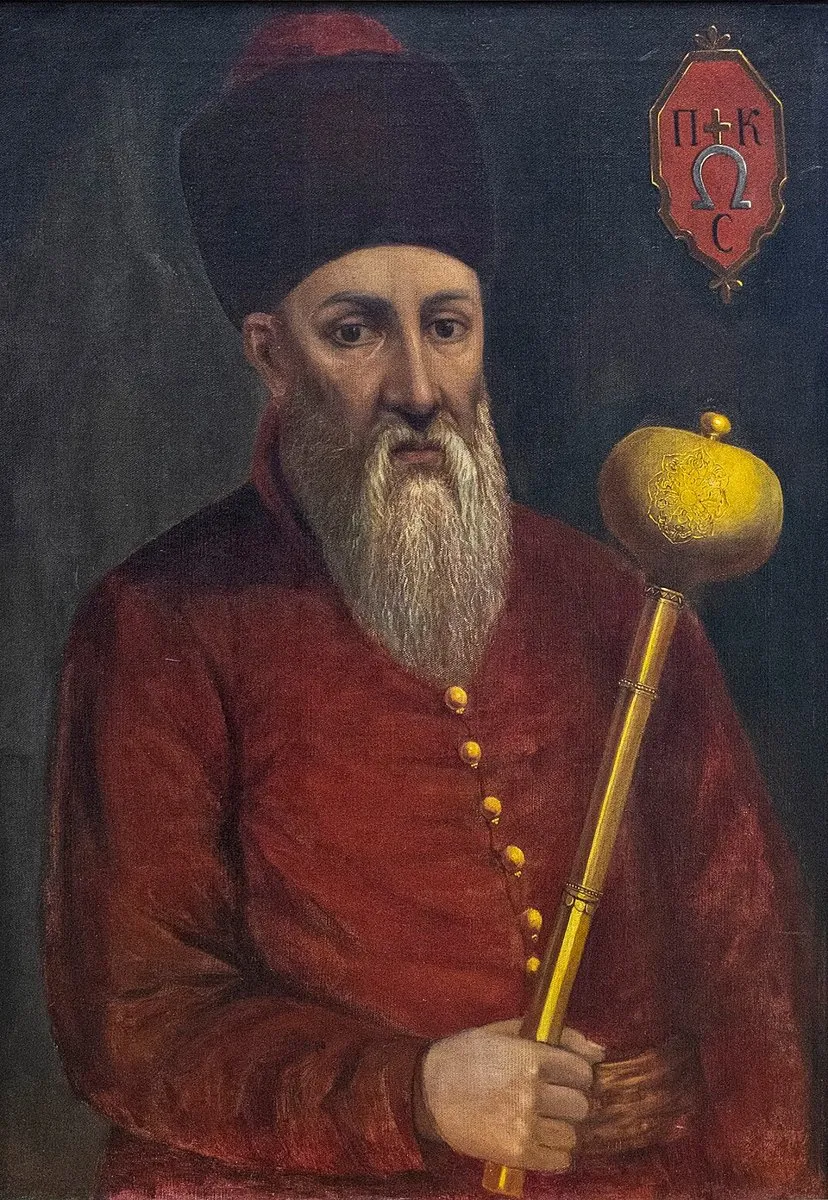
Ivan Sirko
Kish otaman of the Zaporozhian Sich
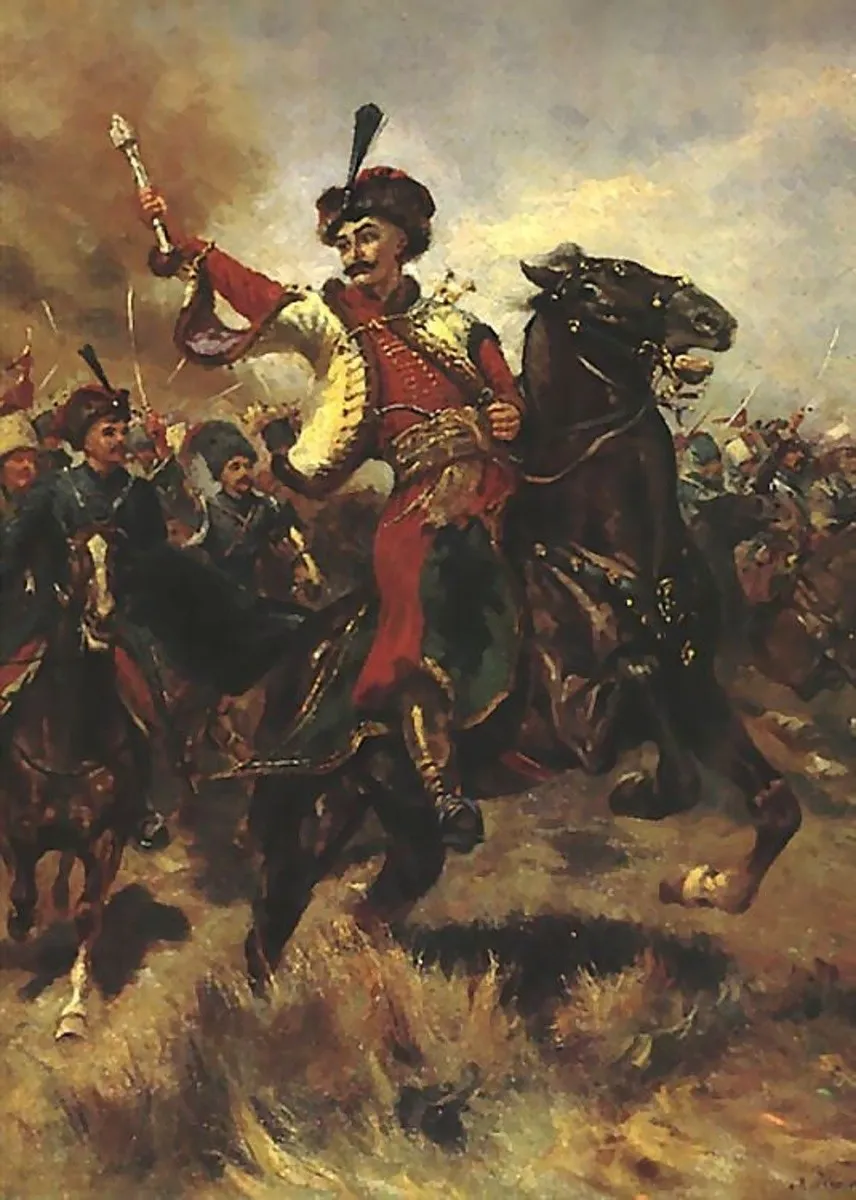
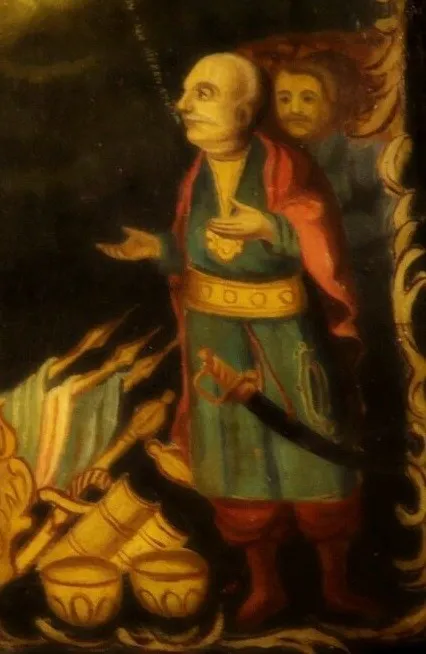
One raid on Kaffa, and about 2,000 captives walked out of Crimean slavery. Ivan Sirko, one of the best-known kish otamans (chief commanders) of the Zaporozhian Sich, fought Crimea and the Ottoman Empire and became a hero of folk legends and dumas.
Key accomplishments
- Elected kish otaman of the Zaporozhian Sich many times (first in the autumn of 1662, last in 1673, holding the post until his death)
- A campaign against Kaffa (Feodosiia) in 1667 that freed about 2,000 Christian captives
- Several campaigns into Crimea, including one that reached Bakhchysarai, and against the Turkish fortresses of Ochakiv and Islam-Kermen
- Together with the forces of Hetman Ivan Samoilovych, halted the Turkish and Tatar offensive during the Chyhyryn campaigns (1677–1678)
Two thousand people set free
In 1667 the Zaporozhian Cossacks under Ivan Sirko reached Kaffa (today Feodosiia) in Crimea and freed about 2,000 Christian captives. It was only one of his campaigns. Sirko raided Crimea several times, once reaching Bakhchysarai, and in 1670–1671 he attacked the Turkish fortresses of Ochakiv and Islam-Kermen.
Where did he come from?
Nobody knows for sure. Encyclopedias give different birth years, from 1605–1610 to about 1618. Sirko’s first biographer, Dmytro Yavornytskyi, believed he was born in Merefa in Sloboda Ukraine; the modern historian Yurii Mytsyk points to Murafa in Podillia. Sirko first appears in documents in 1653. In the late 1650s he was colonel of Kalnyk (Vinnytsia), and in the autumn of 1662 he was elected kish otaman for the first time.
Allies that kept changing
Sirko switched political alliances often. He opposed the pro-Polish policies of Hetmans Ivan Vyhovskyi and Pavlo Teteria, fought in the 1668 uprising in Left-Bank Ukraine against Muscovite rule, and backed Petro Doroshenko for a while, but broke with him when Doroshenko moved closer to the Ottoman Empire. In 1672 Sirko was arrested and exiled to Tobolsk, yet the next year he was back at the head of the Sich, this time for the rest of his life. In 1677–1678, together with Hetman Ivan Samoilovych’s forces and the Muscovite army, he halted the Turkish and Tatar advance.
Sirko died in August 1680 at his apiary in Hrushivka. He was buried near the Chortomlyk Sich (today the village of Kapulivka in the Dnipropetrovsk region).
Debates and assessments
Legends about Sirko began while he was still alive. He is the hero of folk tales and dumas; according to legend, he was a kharakternyk, a Cossack with supernatural powers. This is folklore, not documented fact.
The best-known legend links Sirko to the “Letter of the Zaporozhian Cossacks to the Turkish Sultan,” made famous by Ilya Repin’s painting (1891). Many versions of the text are known, with different dates and signatures; most researchers regard it as a literary work rather than an authentic document. Sirko’s politics are also judged in different ways: he repeatedly changed allies and his stance toward Moscow, Warsaw and the hetmans, so historians read his motives differently.
Why he is remembered
Sirko became one of the symbols of Cossack valor and of Ukraine’s defense against raids. His exploits are celebrated in dumas, and Dmytro Yavornytskyi devoted a separate biography to him (1894).