c. 1618–1664
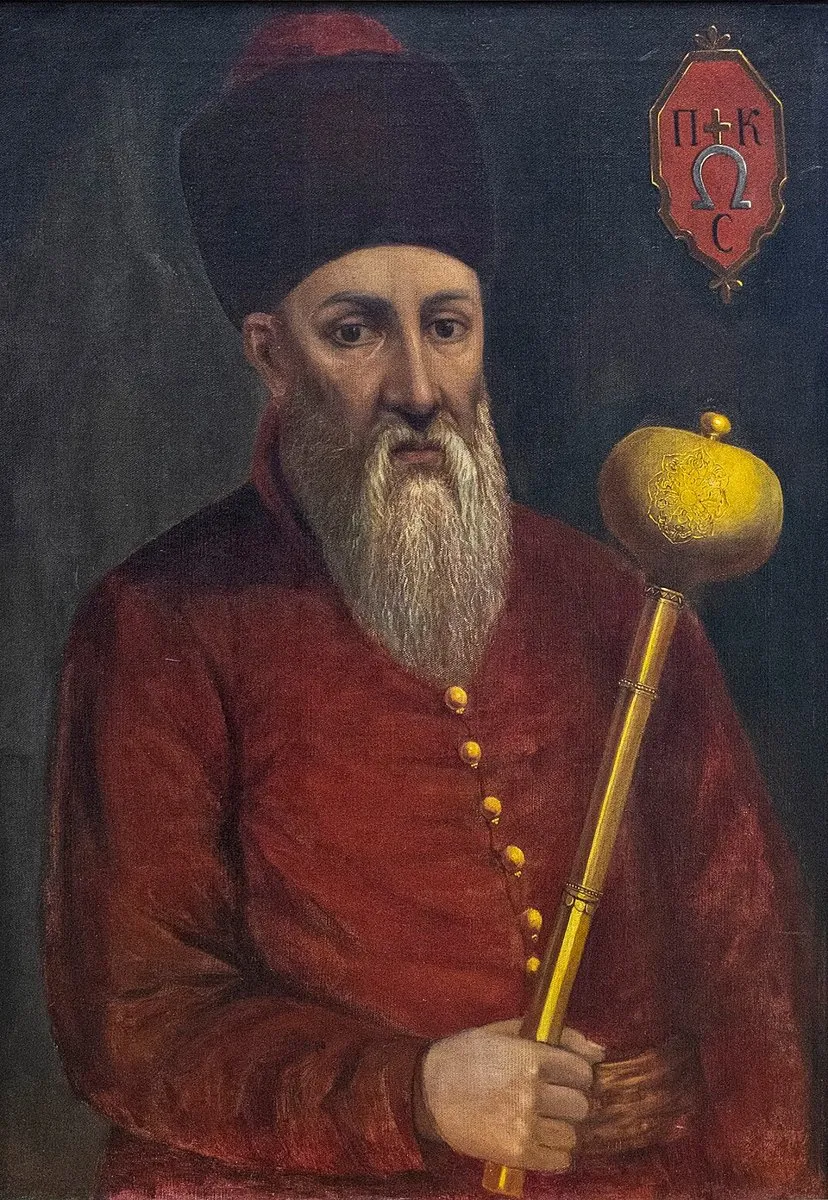
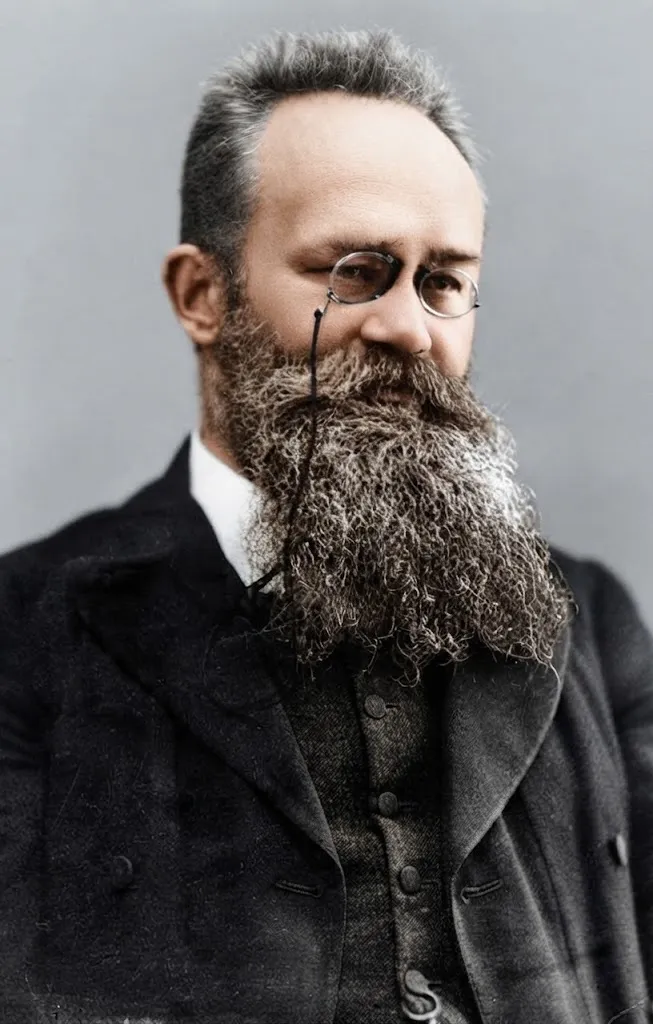
Ivan Bohun
Colonel and ally of Khmelnytskyi
When the khan betrayed the Cossacks at Berestechko and captured Khmelnytskyi, the encircled army chose Ivan Bohun as acting hetman, and he led most of it out. A colonel of Kalnyk who stood up to both Poland and Moscow.
Key accomplishments
- Colonel of Kalnyk (Vinnytsia) from 1650
- Acting hetman at the Battle of Berestechko in 1651, where he led the Cossack army out of encirclement
- Victories over Polish forces at Vinnytsia (1651) and Monastyryshche (1653); took part in the siege at Zhvanets in 1653
- Refused to swear allegiance to the Muscovite tsar after the Pereiaslav Council of 1654
What do you do when your hetman is taken prisoner?
At Berestechko in 1651 the Crimean khan Islam Giray III betrayed the Cossacks and took Bohdan Khmelnytskyi captive. The Cossack army was left surrounded by the Polish forces. The Cossacks then chose Ivan Bohun, colonel of Kalnyk, as their acting hetman. Thanks to his decisiveness and ingenuity, most of the army broke out of the encirclement.
A colonel from the petty nobility
Little is known about his early life. Bohun probably came from the Ukrainian petty nobility; his birth year is unknown, though about 1618 is the one most often given. From the 1640s he fought against Turkish and Tatar raids, and in 1650 he became colonel of Kalnyk (Vinnytsia). In 1651–1653 he beat Polish forces at Vinnytsia and Monastyryshche and fought at Zhvanets.
Neither Poland nor Moscow
Bohun warned against an alliance with the Muscovite tsar and, after the Pereiaslav Council of 1654, refused to swear allegiance to him. Nor would he accept Hetman Ivan Vyhovskyi’s pro-Polish policy: in 1659 he and Ivan Sirko led an uprising against Vyhovskyi in Right-Bank Ukraine.
In 1662 the Poles imprisoned Bohun in the fortress of Marienburg (today Malbork in Poland). In February 1664 he was suspected of secret contacts with the Left-Bank Cossacks and the Muscovites and was executed near Novhorod-Siverskyi.
Why he is remembered
Bohun stood up for Ukraine’s self-rule against both Poland and Moscow. People kept his memory alive in the historical duma “Ivan Bohun.”