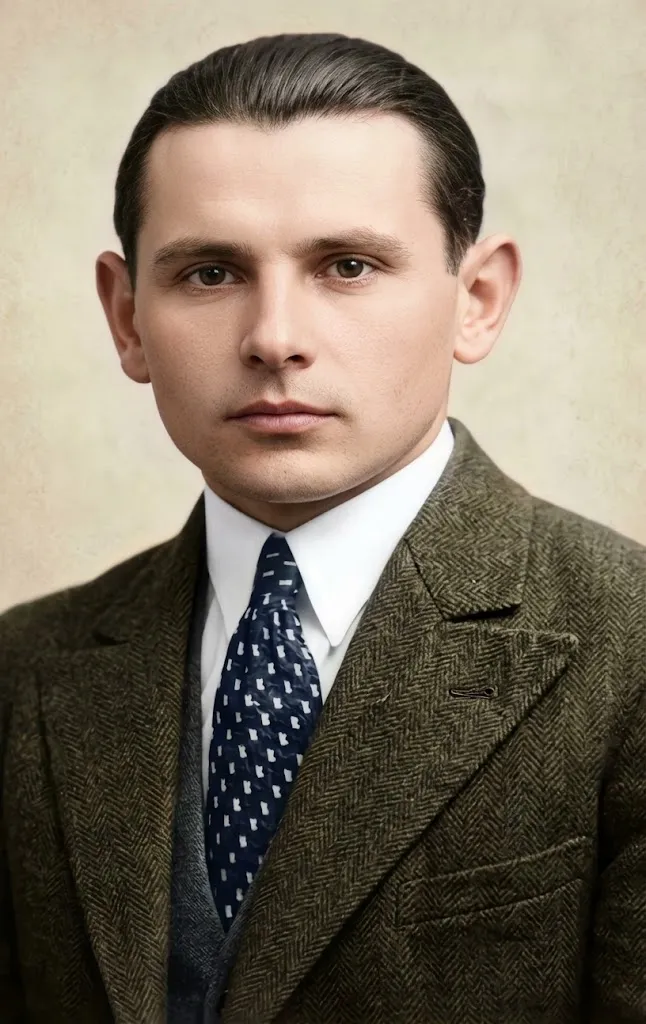
1916–1997
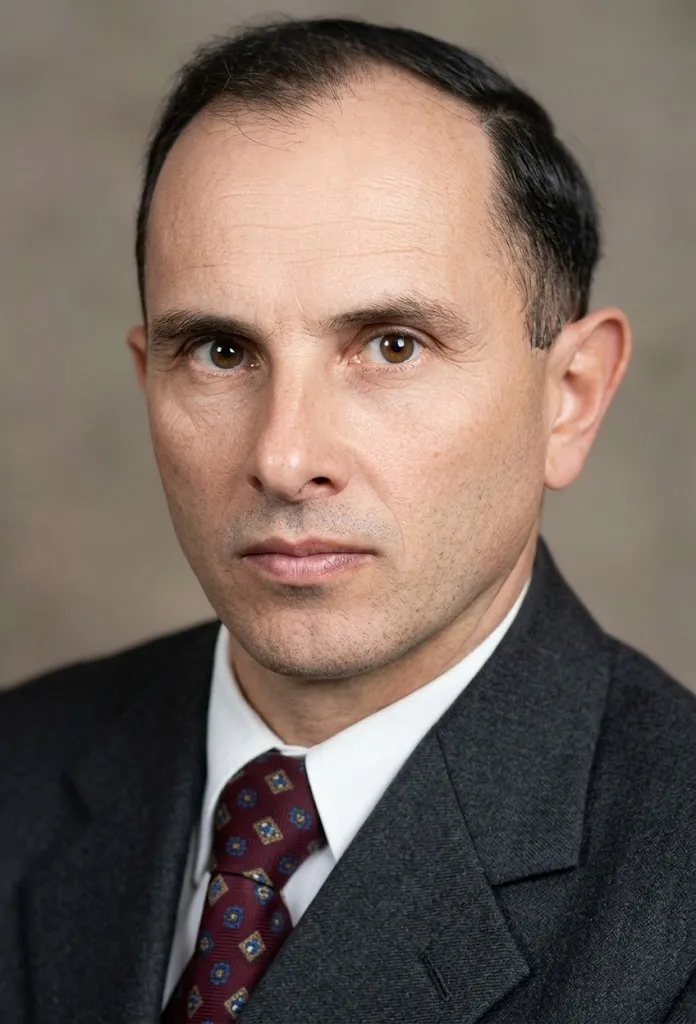
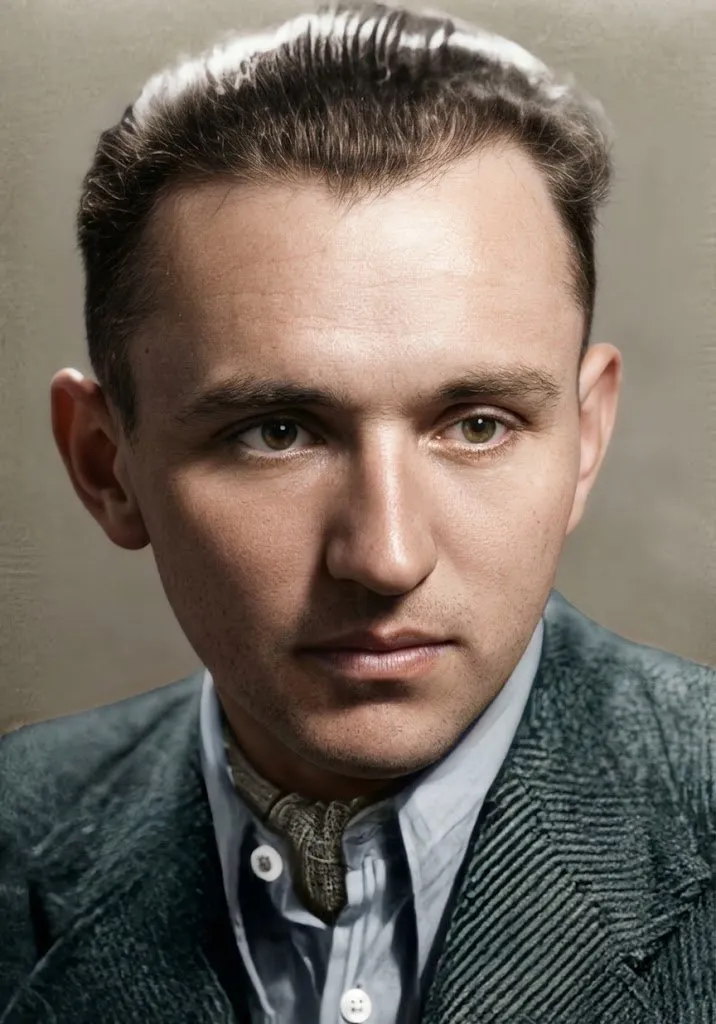
Petro Duzhyi
OUN propaganda chief and publicist
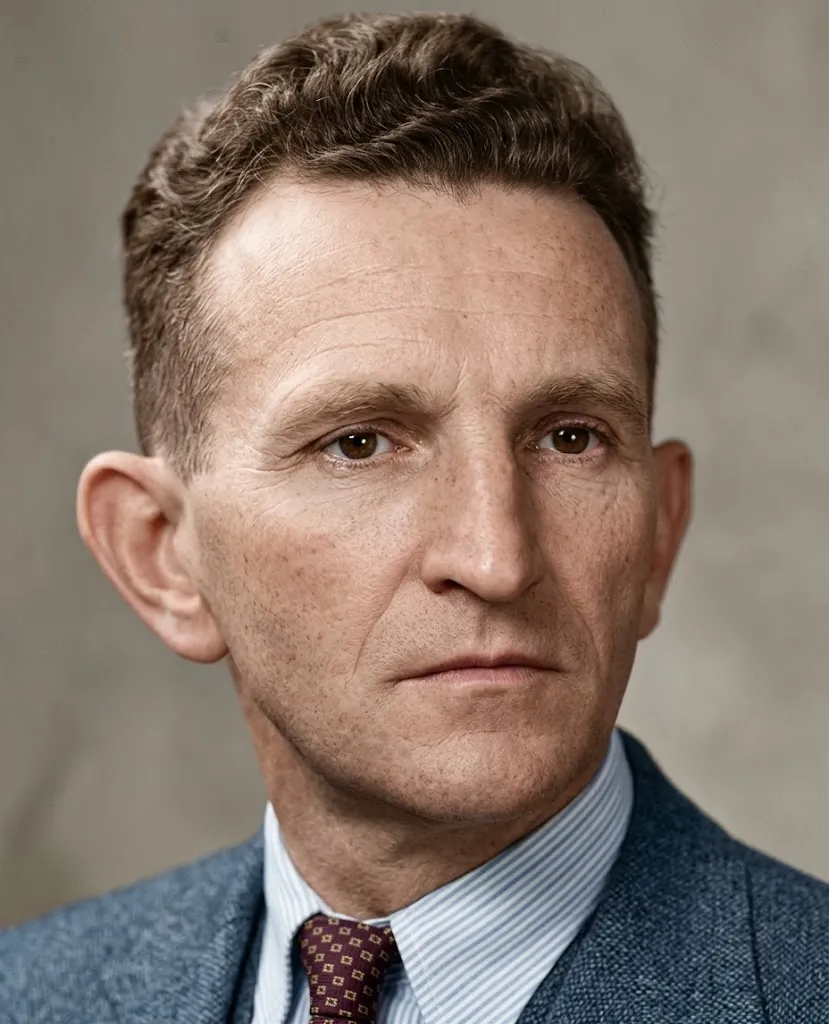
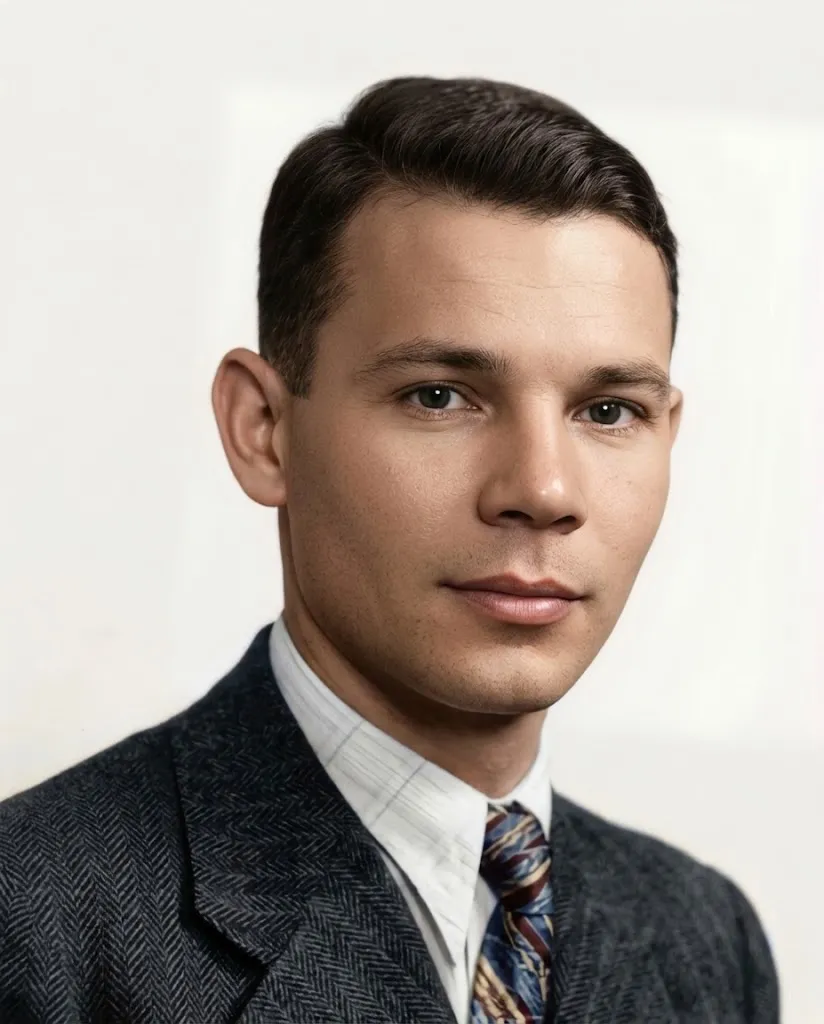
Sentenced to death twice: by the Nazis in 1943 and by a Soviet court in 1947. Petro Duzhyi escaped the first sentence, outlived the second and spent more than 15 years in the Gulag. An editor of the OUN and UPA underground press, late in life he wrote books on Stepan Bandera and Roman Shukhevych.
Key accomplishments
- Member of the OUN(B) Northern expeditionary group (1941); deputy leader of the OUN(B) in south-eastern Ukraine (1942)
- Head of propaganda in the OUN leadership (1944–1945), organiser of the underground publishing centre Zelenyi Hai
- Editor-in-chief of the underground journal Ideia i Chyn (Idea and Action, 1944–1945); UPA Bronze Cross of Merit (1945)
- The poetry collections The Unchained Word (1980) and Pain and Anger (1999)
- The books Stepan Bandera, Symbol of the Nation (1996–1997), General Taras Chuprynka (1997) and Roman Shukhevych: Politician, Soldier, Citizen (1998)
- Founder of the journal Ukrainska Ideia i Chyn (1998); honorary citizen of Lviv (1996)
Two death sentences
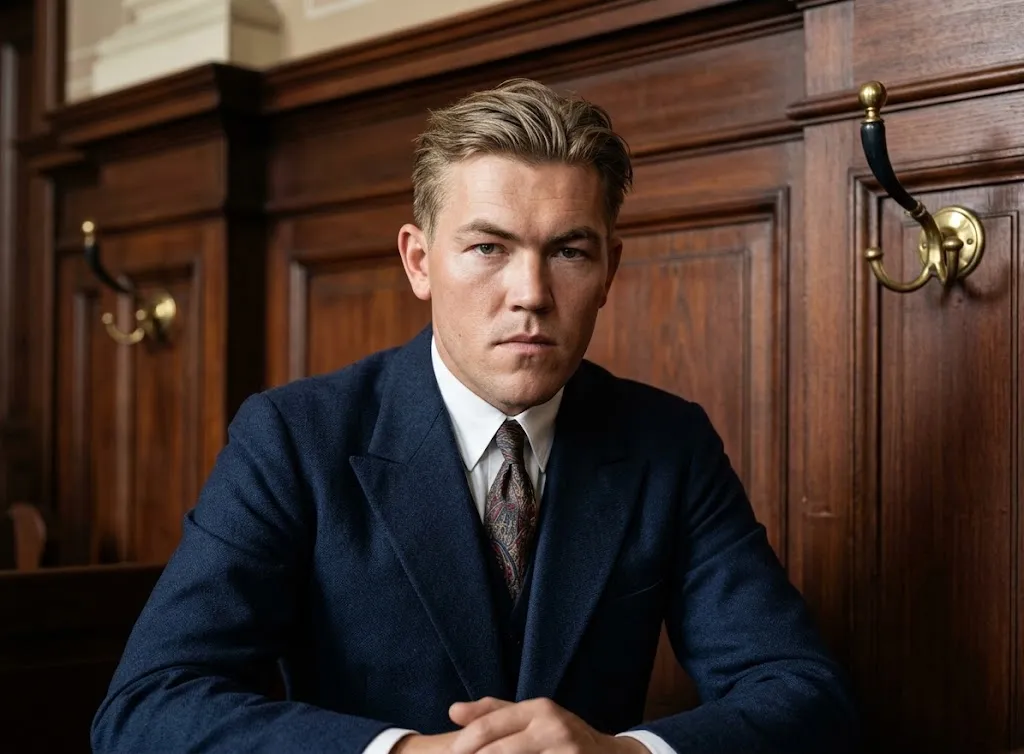
What do the Gestapo and a Soviet court have in common? Both sentenced Petro Duzhyi to death. In 1943 the Nazis caught him in the Kirovohrad region. He was carrying false papers in the name of Serhii Kruchenko. Duzhyi was tortured and put on a train to be executed, but on the way he tore a board out of the wagon floor and escaped, though he was badly wounded. In 1947 a Soviet court in Kyiv sentenced him to death again. For sixty-five days Duzhyi waited to be shot, until the USSR abolished the death penalty.
From schoolboy to underground member
Petro Duzhyi was born in 1916 in the village of Kariv, in the Lviv region. His brother Mykola also became an OUN leader. Petro joined the OUN youth wing at 16, while still at school. For his underground work the Polish authorities jailed him three times: in 1934, 1938 and 1939. He then worked as a teacher in the Kholm region.
The march on Kyiv
In 1941 Duzhyi was put on a list of 700 OUN members entrusted with the most important tasks. That same year he went east with an OUN expeditionary group. His group was to proclaim the restoration of the Ukrainian state in Kyiv, just as had been done in Lviv on 30 June. But on 31 August German police arrested the group in Vasylkiv, near Kyiv. That autumn Duzhyi was released by mistake and vanished into the underground under a false name. By 1942 he was deputy leader of the OUN in south-eastern Ukraine.
An editor in hiding
After escaping the Gestapo, Duzhyi met Roman Shukhevych in Volhynia. In 1944 he took charge of propaganda in the OUN leadership. He set up the underground publishing centre Zelenyi Hai in the Lviv region and edited the journal Ideia i Chyn. Imagine: newspapers and journals put together in hiding while a war raged around them.
On 4 June 1945 Soviet agents found the hideout where eight insurgents, Duzhyi among them, were sheltering. After the death sentence was lifted, he was given 25 years. He spent more than 15 years in Gulag camps, including Vorkuta.
Words after captivity
In autumn 1960 Duzhyi was released at the demand of several Western governments and settled in Zaporizhzhia under close surveillance. He later moved to Lviv, where he worked in industry. In the early 1990s he returned to public life. In 1996 he was made an honorary citizen of Lviv. At that ceremony he said that 17 September 1939 had not been a “reunification” but plain occupation.
He wrote books about Stepan Bandera and Roman Shukhevych. Petro Duzhyi died in Lviv on 24 October 1997. He was buried in the field of honour at Lychakiv Cemetery. In 2022 Komarova Street in Lviv was renamed Brativ Duzhykh Street (Duzhyi Brothers Street), after Petro and his brothers Mykola and Ivan.
Why it matters today
Petro Duzhyi went through Polish, Nazi and Soviet prisons and never gave up on the dream of an independent Ukraine. His underground newspapers and journals carried the truth to people at a time when a single word could get you shot. And the books he wrote in independent Ukraine kept alive, for new generations, the memory of fighters whom the Soviet state spent decades trying to erase from history.