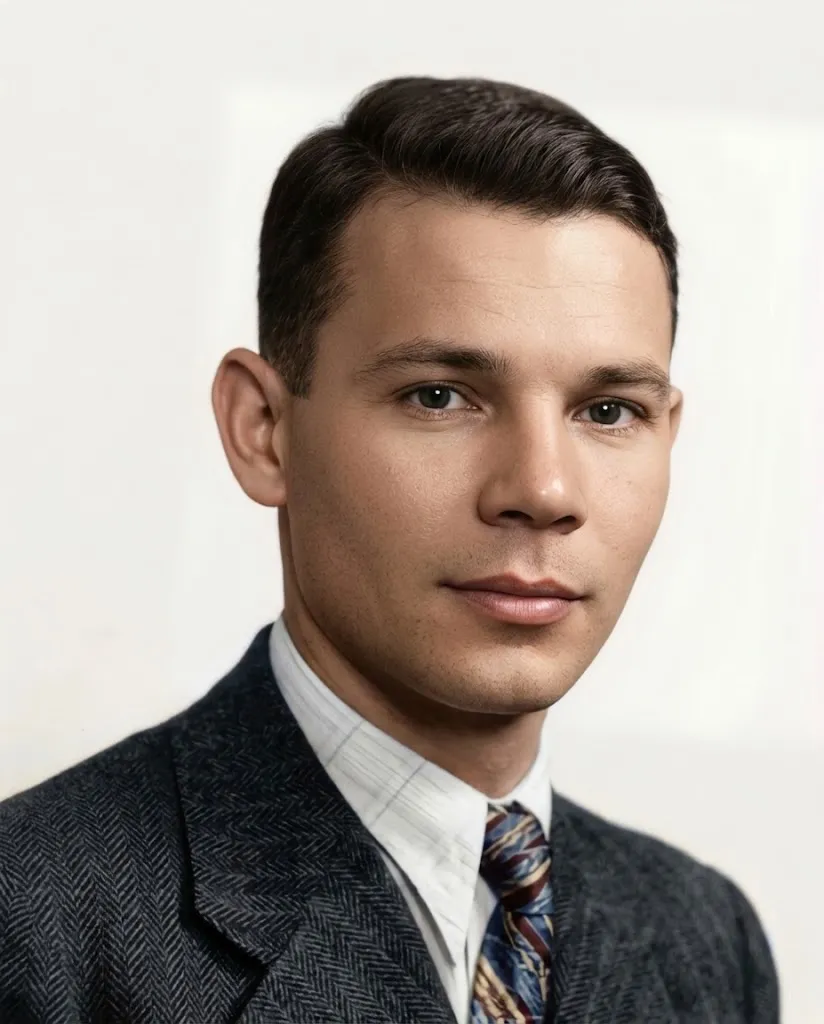
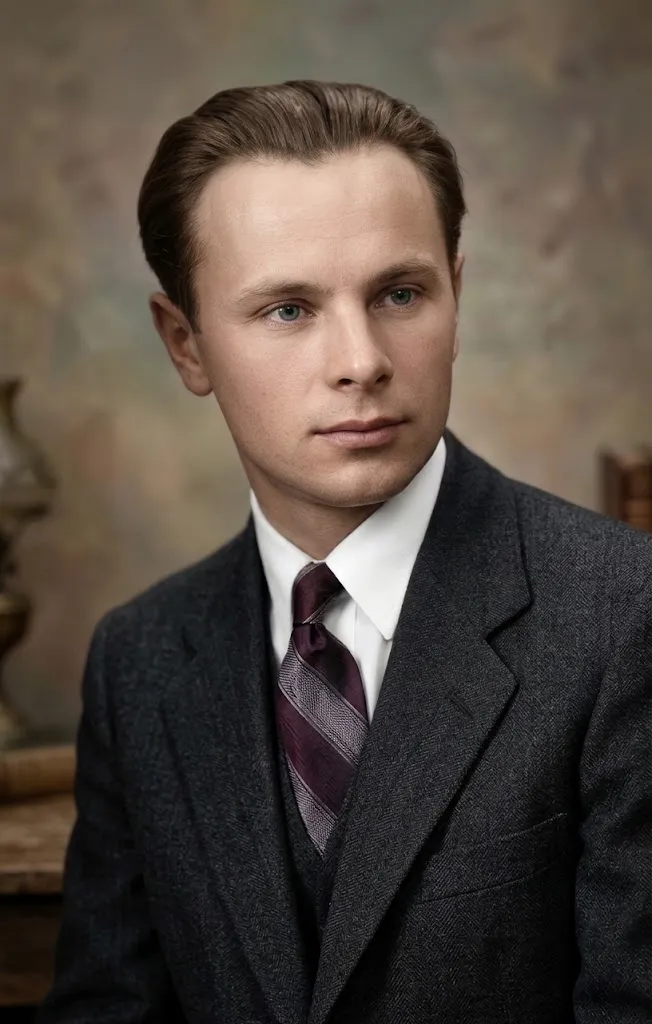
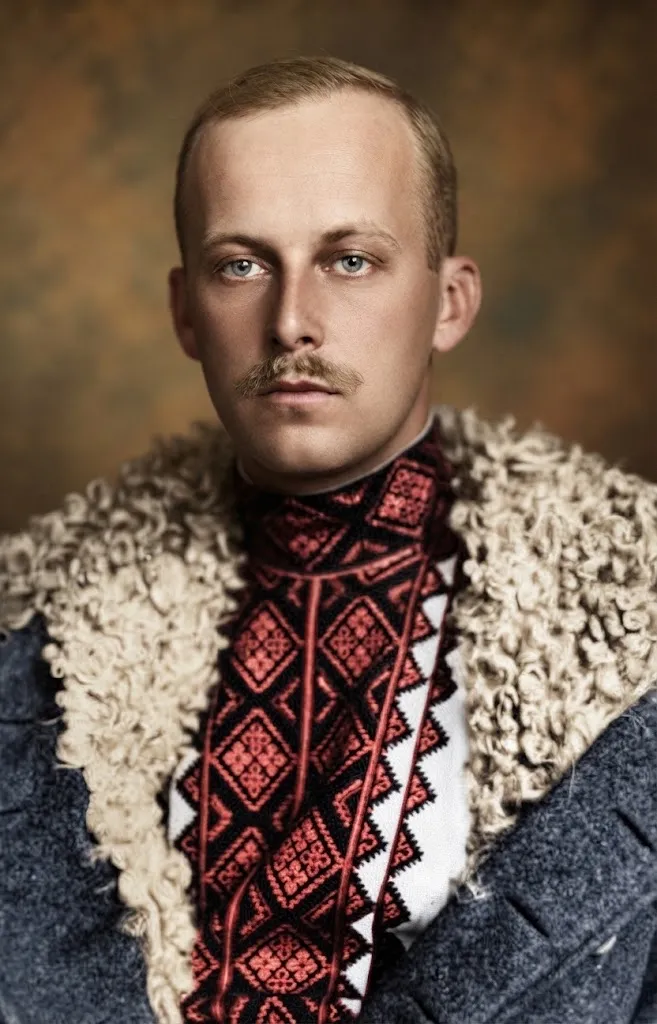
1907–1949
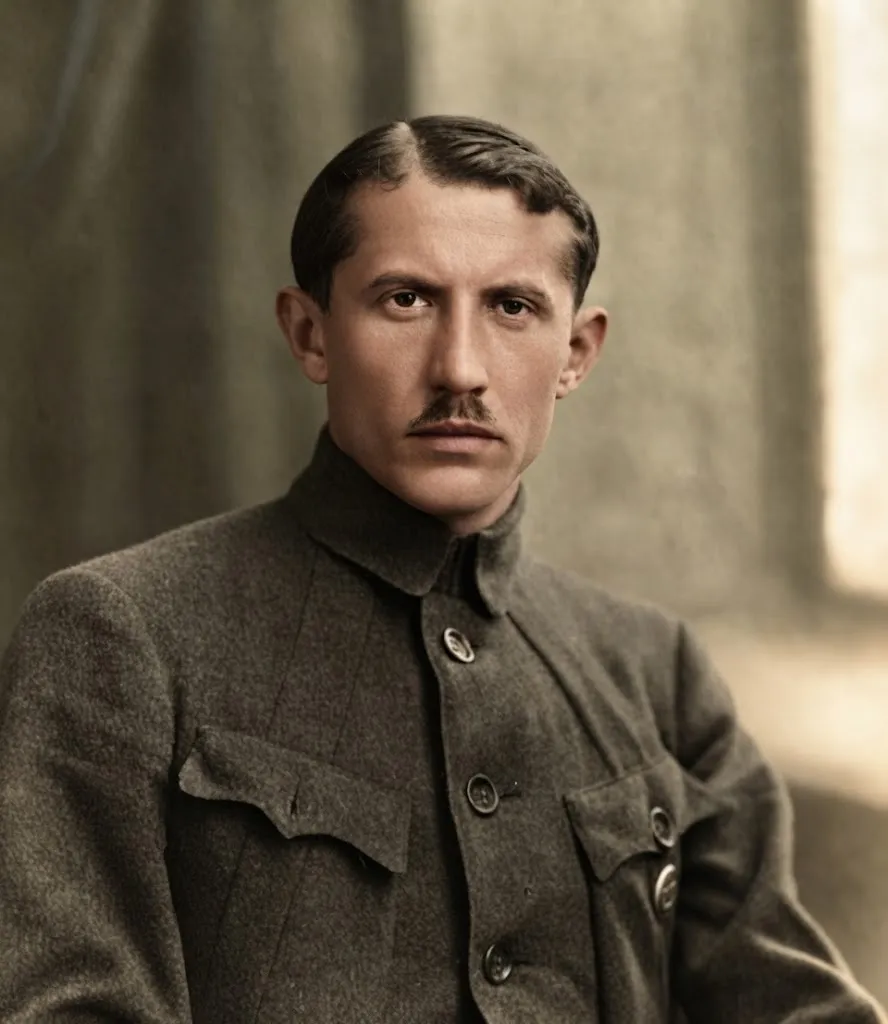
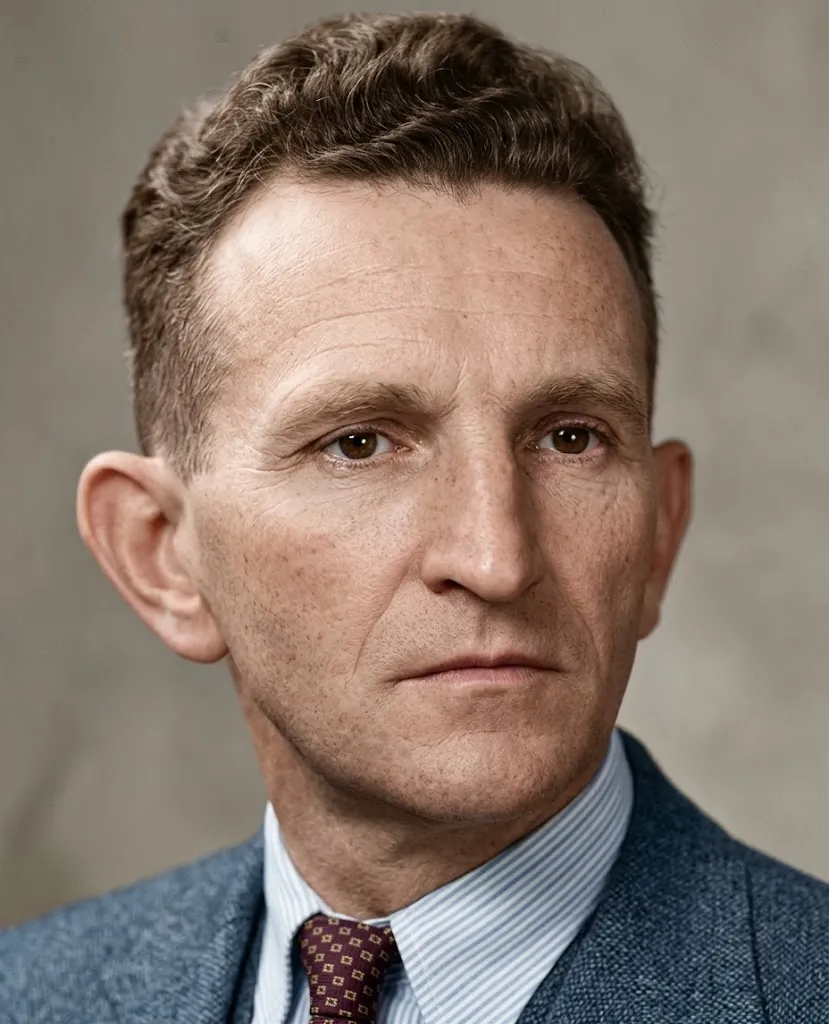
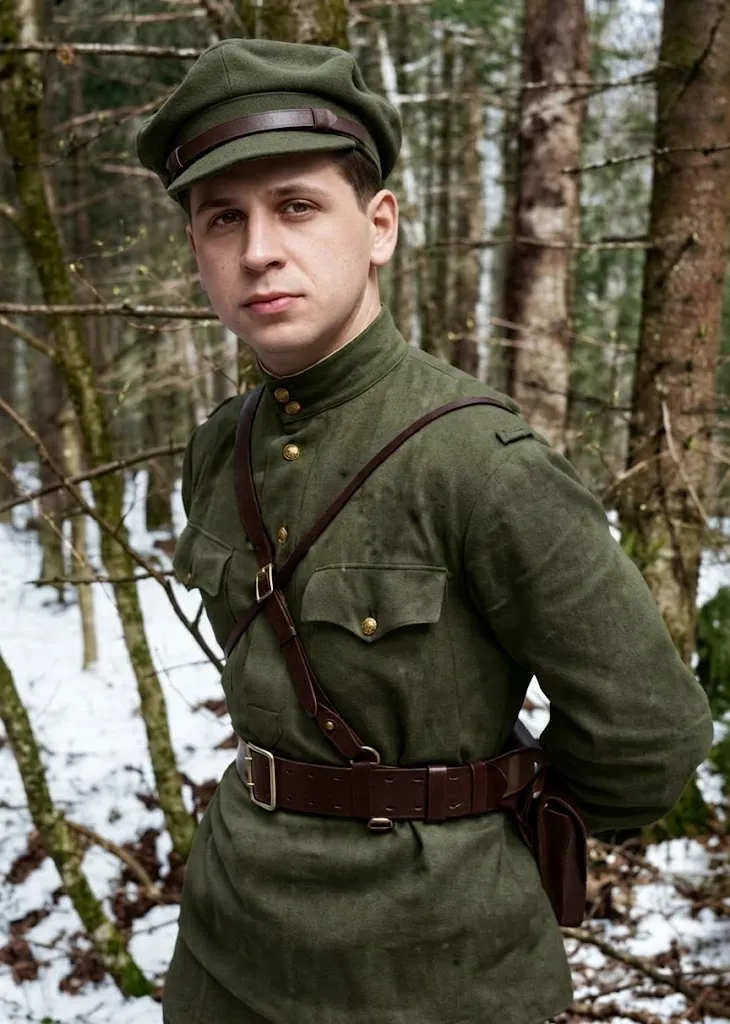
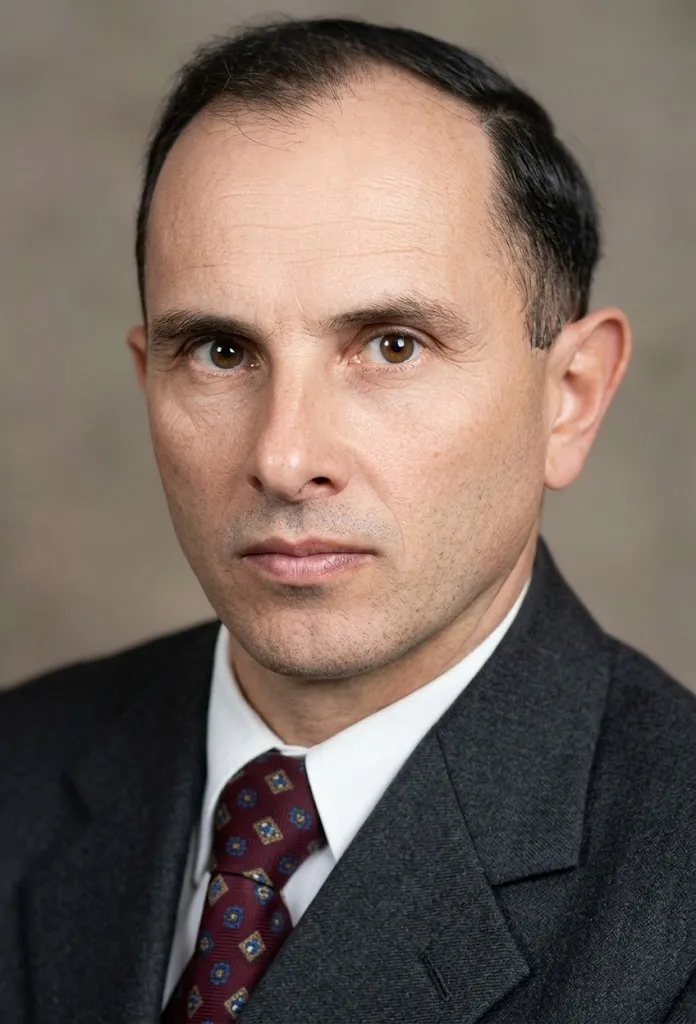
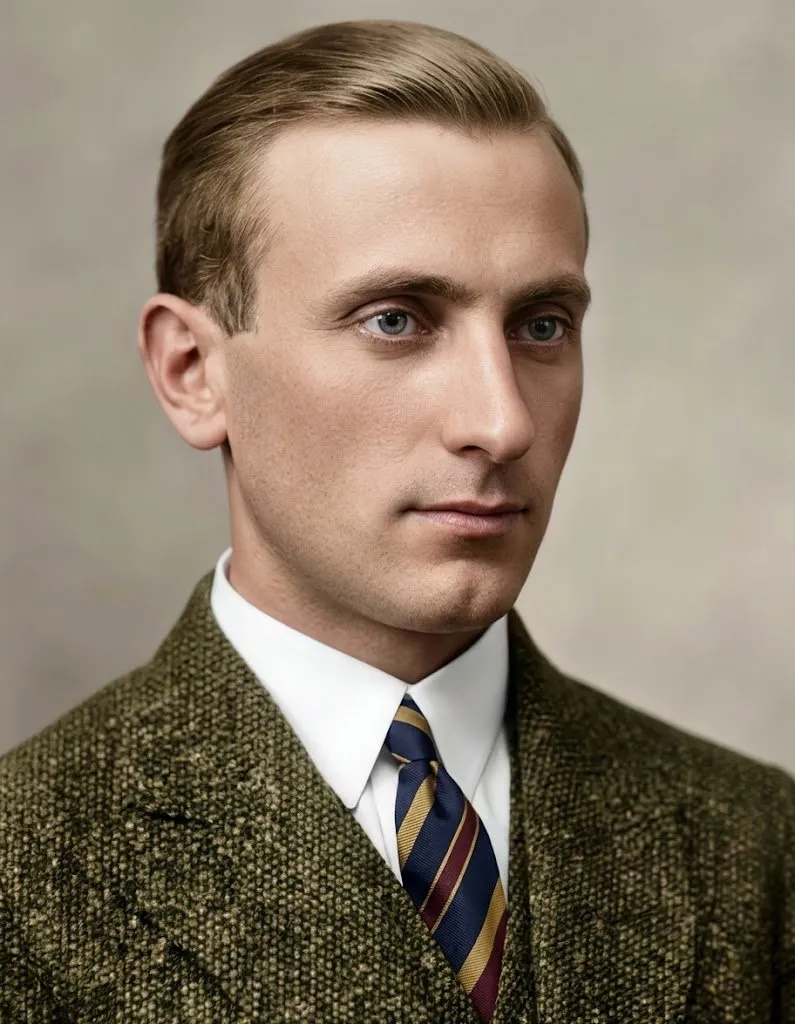
Oleksa Hasyn
Chief of the UPA General Military Staff
He co-wrote a military manual with Yevhen Konovalets and compiled a Ukrainian dictionary of military terms. In the late 1940s Oleksa Hasyn, code name Lytsar (Knight), headed the General Military Staff of the UPA; he died in an ambush in Lviv in 1949.
Key accomplishments
- Co-author, with Yevhen Konovalets, of the OUN's Military Manual; compiled a Ukrainian dictionary of military terms
- Co-author of the OUN's “Single General Plan” for an armed uprising against Soviet rule
- Deputy military minister in the Ukrainian State Board (July 1941)
- Chief of the UPA General Military Staff in the late 1940s, member of the UPA High Command (from 1947), colonel (1948)
- Posthumously promoted to general-khorunzhyi (major general) of the UPA (1952)
The Knight from the Stryi region
Did you know that one of the UPA’s commanders compiled a Ukrainian dictionary of military terms back in the late 1930s? Oleksa Hasyn, known in the underground as Lytsar (Knight), was born on 8 July 1907 in the village of Koniukhiv near Stryi, in the Lviv region. He finished the gymnasium in Stryi, studied at the Lviv Polytechnic and graduated from the Polish army’s school for cadet officers. In 1930 he joined the Organization of Ukrainian Nationalists (OUN). The Polish authorities jailed him more than once, and in 1934 sent him to the Bereza Kartuska concentration camp.
A manual and a dictionary
In 1938 Hasyn secretly left Poland and worked in Germany and Austria in the OUN’s military department. With Yevhen Konovalets, the OUN’s first leader, he wrote a Military Manual and compiled a dictionary of military terms in Ukrainian. On the eve of the Second World War he taught at the OUN’s officer courses in Kraków, and later he was one of the authors of a plan for an armed uprising against Soviet rule.
Deputy military minister
On 30 June 1941 the restoration of the Ukrainian state was proclaimed in Lviv, and Hasyn was chosen as deputy military minister in its government, the Ukrainian State Board. Soon the Gestapo arrested him. OUN fighters freed him from the Nazi prison in Drohobych.
On the insurgent army’s staff
From 1943 Hasyn worked on the staff of the Ukrainian Insurgent Army (UPA) and helped set up self-defence units in Galicia. He backed the OUN’s decision that year to make its programme more democratic and to fight on two fronts, against the Nazis and against the USSR. In the late 1940s, while Roman Shukhevych led the UPA, Hasyn was chief of its General Military Staff; political education on that staff was run by Petro Poltava. In 1947 Hasyn joined the UPA High Command, and in 1948 he became a colonel. He is considered one of the main architects of the underground’s tactics after the war.
On 31 January 1949, near the Main Post Office in Lviv, Hasyn walked into an ambush by the Soviet security service (MGB). Sources differ on whether he was killed in the shoot-out or shot himself. He was 41. In 1952 the underground’s leading body, the Ukrainian Supreme Liberation Council, posthumously made him a general-khorunzhyi.
Debates and assessments
The OUN and the UPA, which Hasyn helped lead, are judged in very different ways. In 2015 Ukraine’s parliament passed a law recognizing members of the OUN and the UPA as fighters for Ukraine’s independence in the 20th century; in Poland the law sparked debate. In 2016 the Polish Sejm called the killings of Poles by Ukrainian nationalists in Volhynia and other parts of today’s western Ukraine during the Second World War a genocide; tens of thousands of people died, most of them Poles. The same resolution also mentions killings of Ukrainian civilians by Polish nationalists. Hasyn served on the UPA staff from 1943, so these debates concern him too.
Why it matters today
Oleksa Hasyn gave the Ukrainian underground its own military language and schooling: a manual, a dictionary of military terms in Ukrainian, courses for officers. He backed the OUN’s turn towards a more democratic programme and a fight on two fronts. His life shows that the 20th-century struggle for a state rested not only on fighters but on the people who taught, planned and trained commanders. Today, when Ukraine’s army speaks its own language, it is worth knowing the people who wrote its manuals and dictionaries.