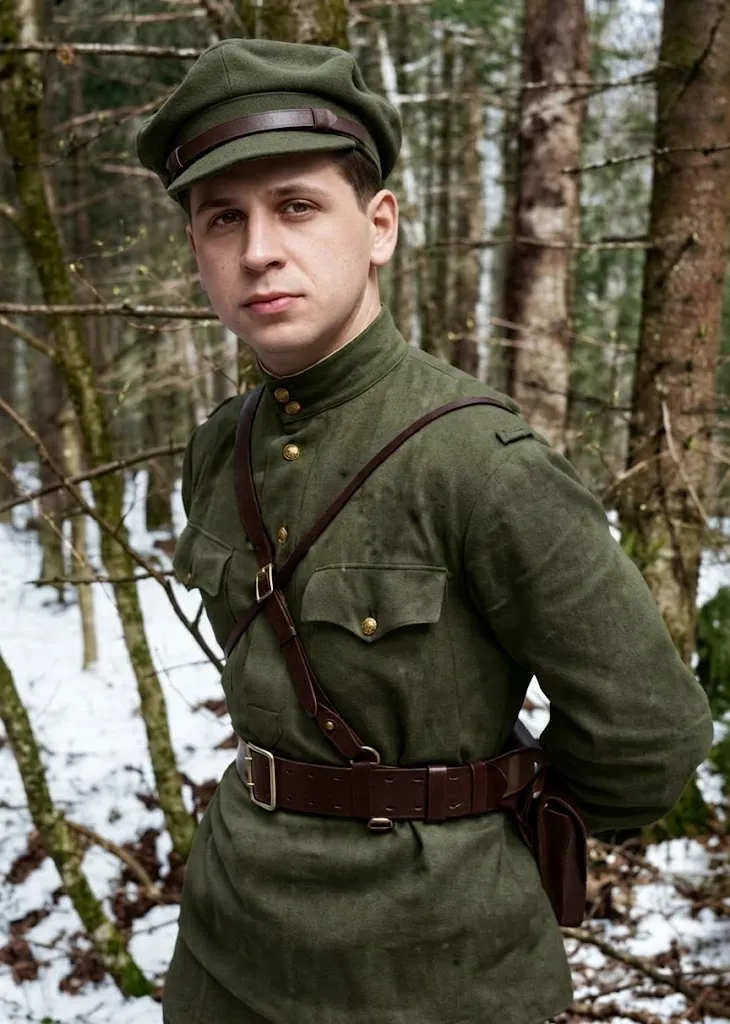
1913–2007
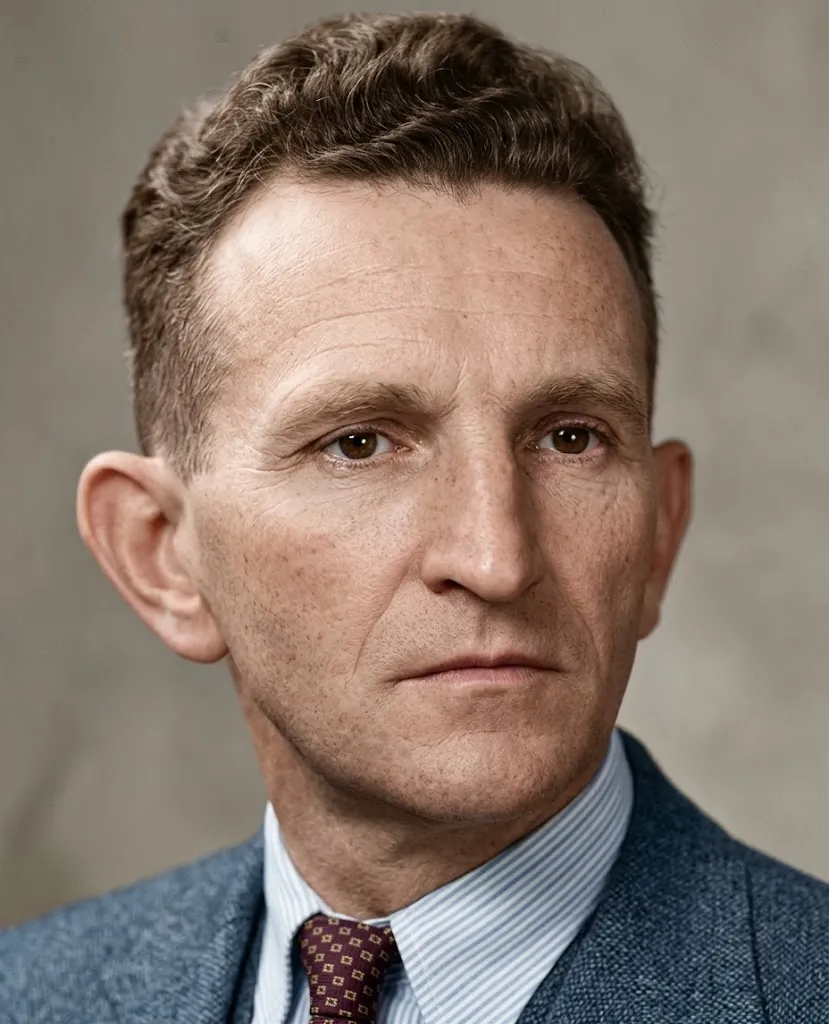
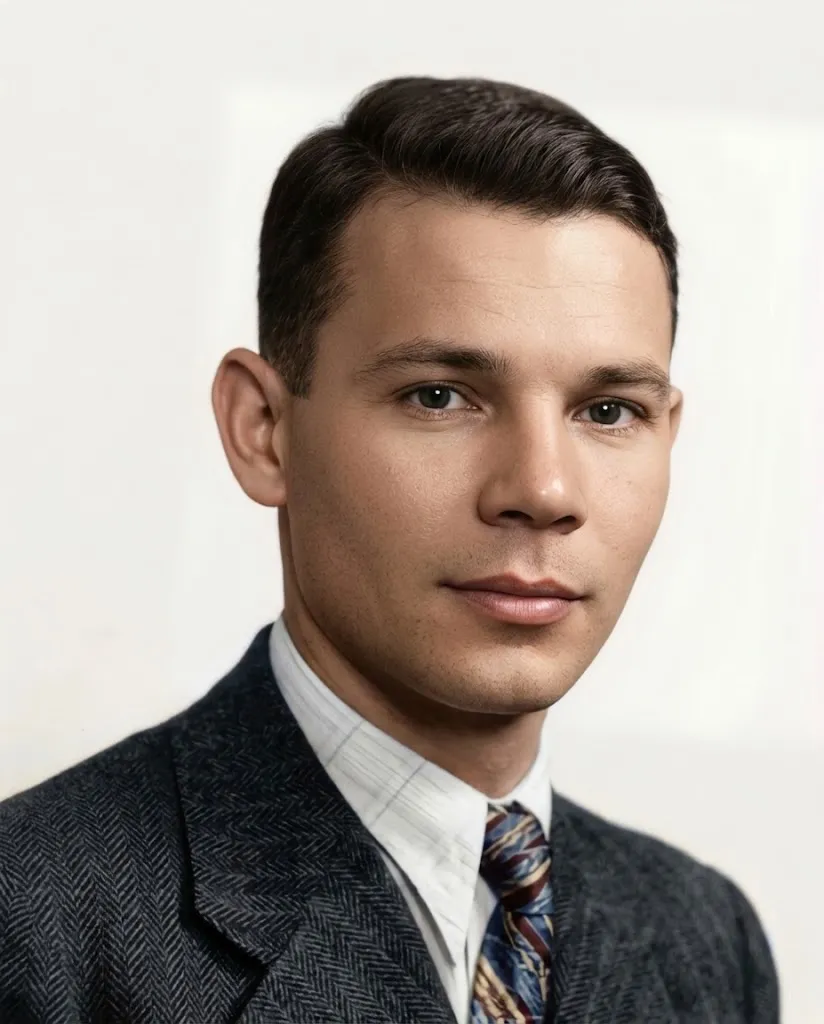
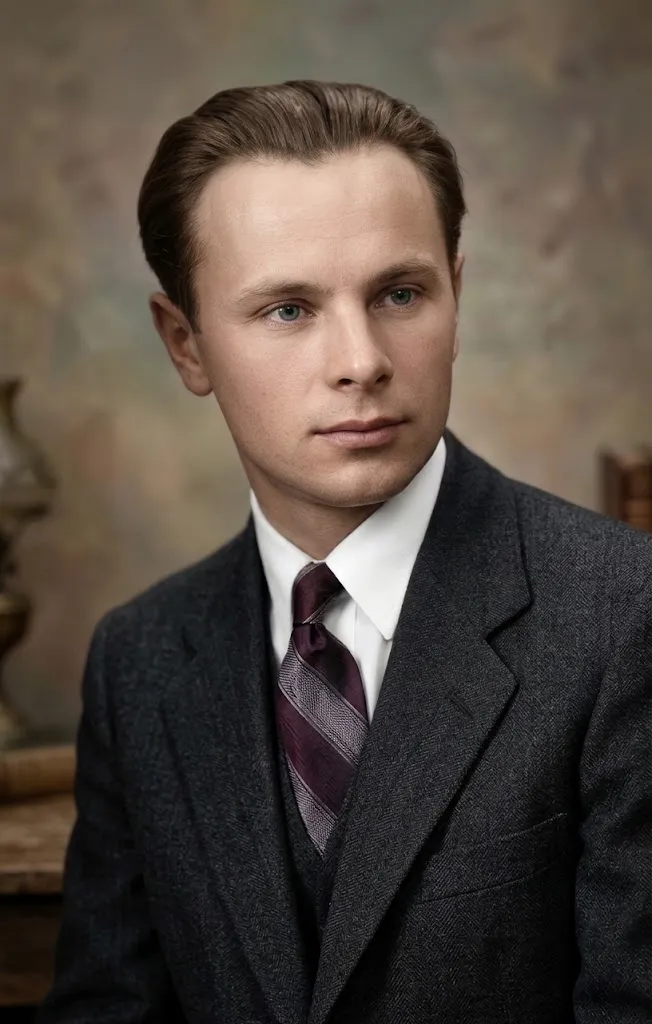
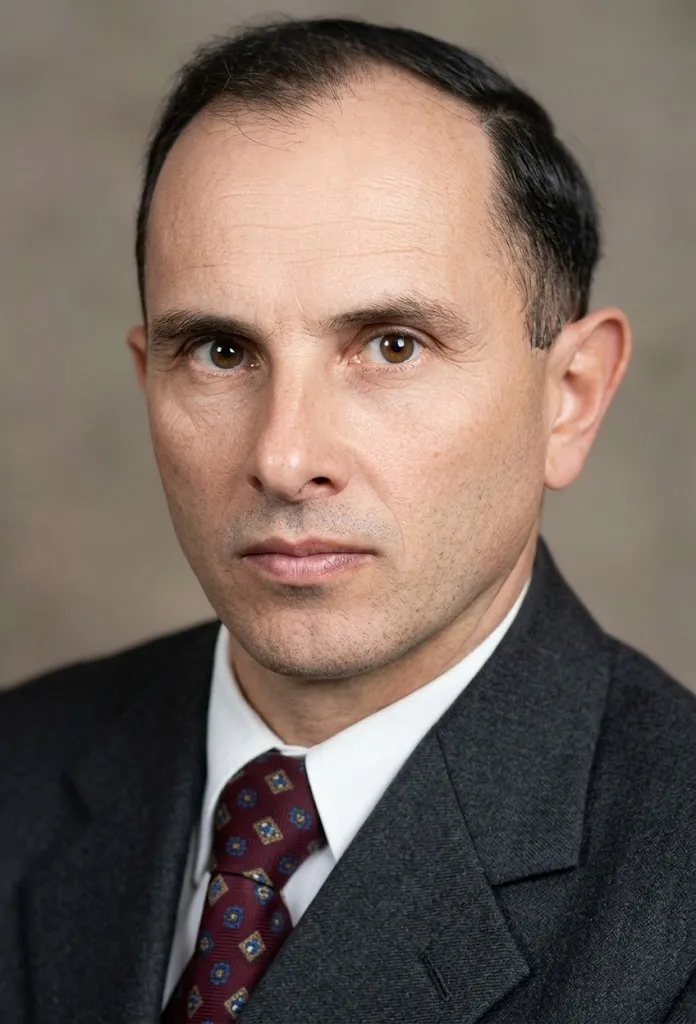
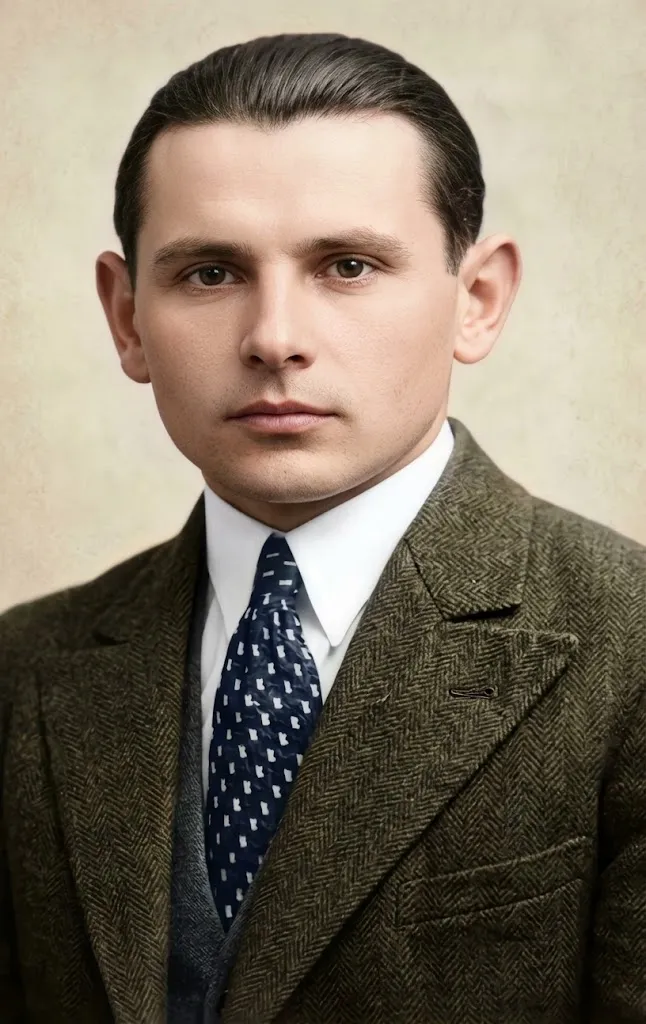
Vasyl Kuk
Last commander-in-chief of the UPA
A trained lawyer, he took command of the Ukrainian Insurgent Army in 1950 after Roman Shukhevych was killed. The KGB captured him alive in 1954; he spent six years under interrogation, then was freed with a statement historians still argue over. He lived to see Ukraine's independence.
Key accomplishments
- Commanded UPA-South from 1943
- Became commander-in-chief of the UPA and head of the OUN leadership in Ukraine after Roman Shukhevych's death (1950)
- Reached the UPA's highest rank, general-khorunzhyi (major general), in 1952
- After his release, preserved and passed to historians testimony and documents on the independence underground, including for the Litopys UPA document series
Did you know the last commander-in-chief of the UPA lived to see Ukraine become independent?
Vasyl Kuk was born on 11 January 1913 in the village of Krasne near Zolochiv, in what is now the Lviv region. Still at school, he joined the Organization of Ukrainian Nationalists; Polish police arrested him twice in 1933 for it. He went underground in the 1930s, and during the war he organized the OUN’s anti-Nazi resistance in the Dnipropetrovsk region. From 1943 he commanded UPA-South, one of the insurgent army’s regional groupings.
Taking over from Shukhevych
Roman Shukhevych, the UPA’s commander-in-chief, was killed on 5 March 1950. Kuk took his place, leading both the insurgent army and the OUN’s leadership in Ukraine, and in 1952 was given the UPA’s highest rank, general-khorunzhyi. By then he commanded a small, exhausted underground that had already lost most of its fighters.
On 23 May 1954, KGB officers captured him alive. He spent the next six years in investigative prisons in Kyiv and Moscow, held without trial or sentence.
Debates and assessments
Kuk was released under an amnesty in 1960. Soon afterward, an open letter appeared under his name, calling on the remaining underground to lay down arms and declaring the struggle hopeless. Historians still disagree about it: some read it as the result of years of KGB pressure on a man held in isolation without trial; others see a genuine change of mind after nearly two decades of fighting and defeat. Kuk himself never publicly explained how the letter came about. Know Your Own presents both readings without taking a side.
Why it matters today
Vasyl Kuk was the last commander-in-chief of the UPA, and his life links the armed struggle for independence with the independent Ukraine he lived to see. After 1991 he shared his testimony with historians and journalists and helped prepare the Litopys UPA series, so researchers heard the movement’s history from one of its leaders. His life is a reminder that Ukrainians fought for a state of their own for decades before 1991.