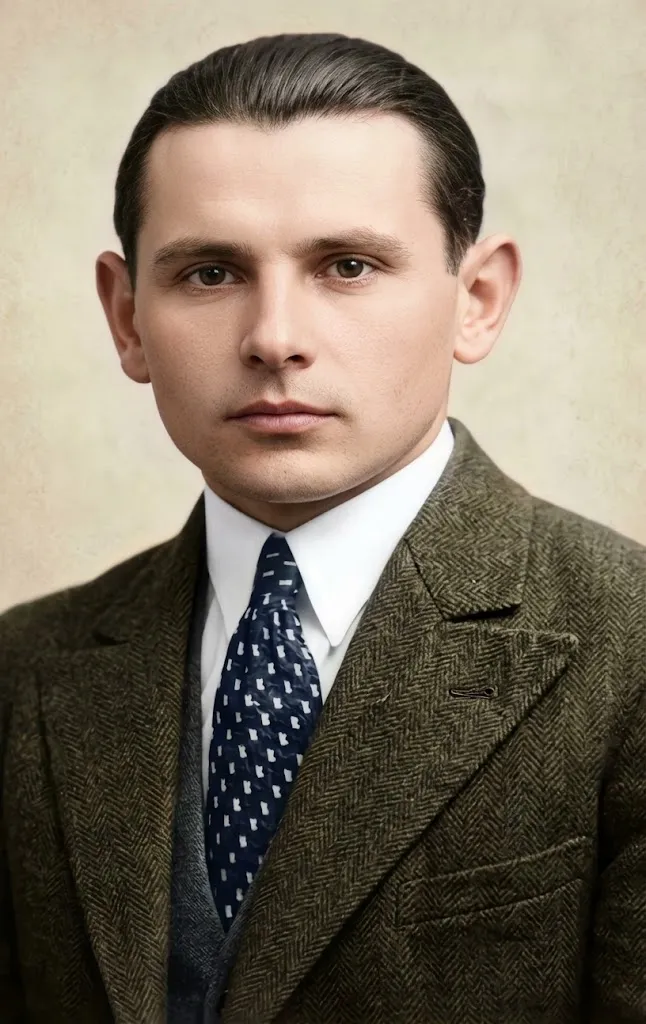
1916–2017
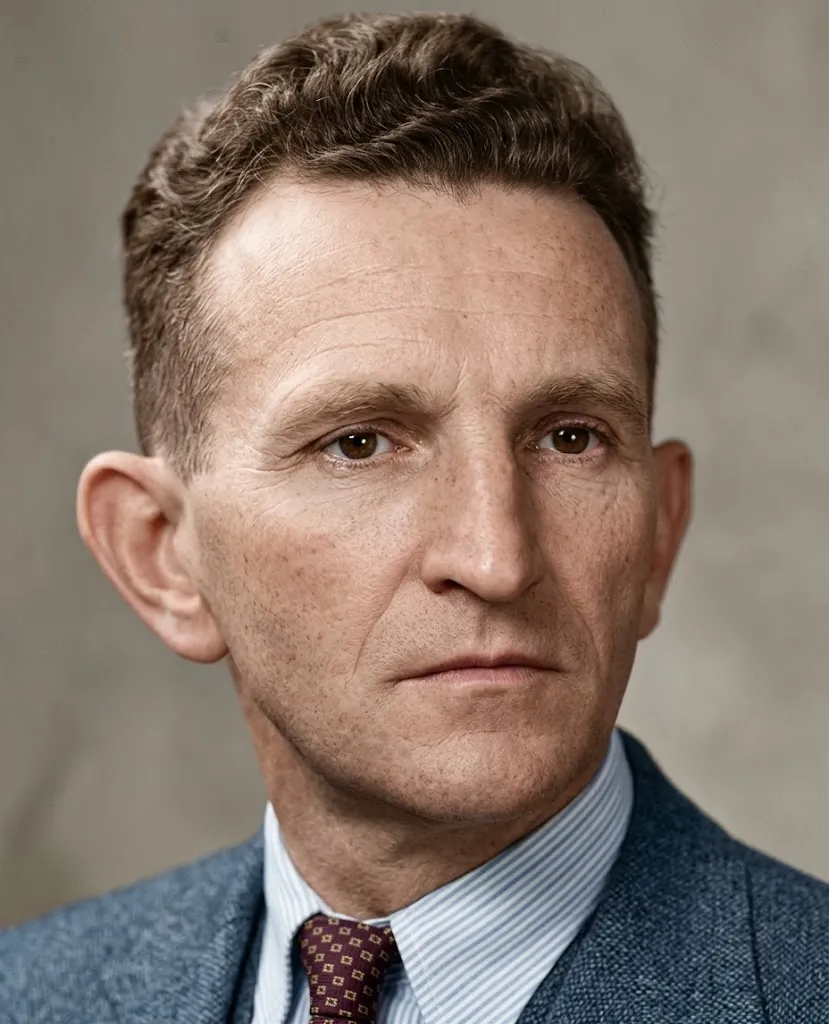
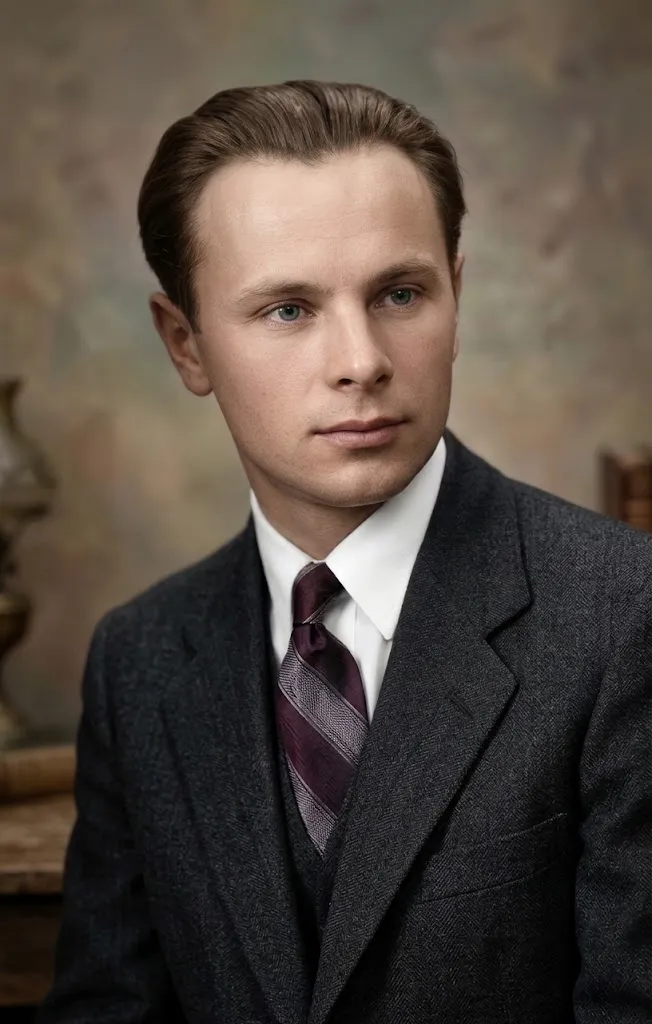
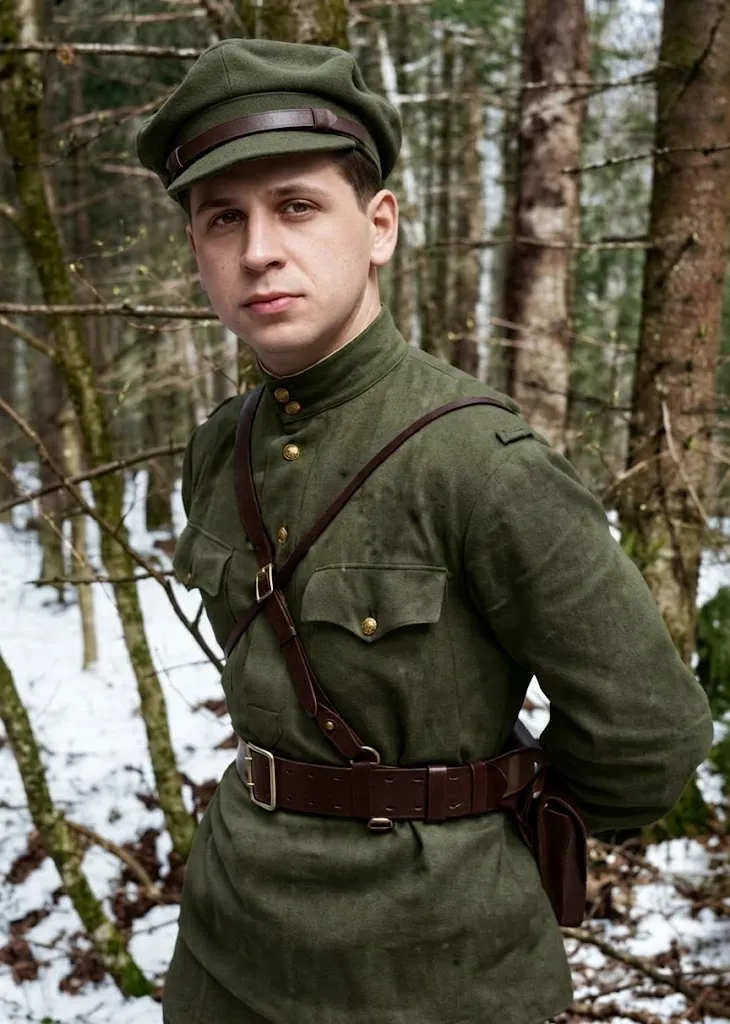
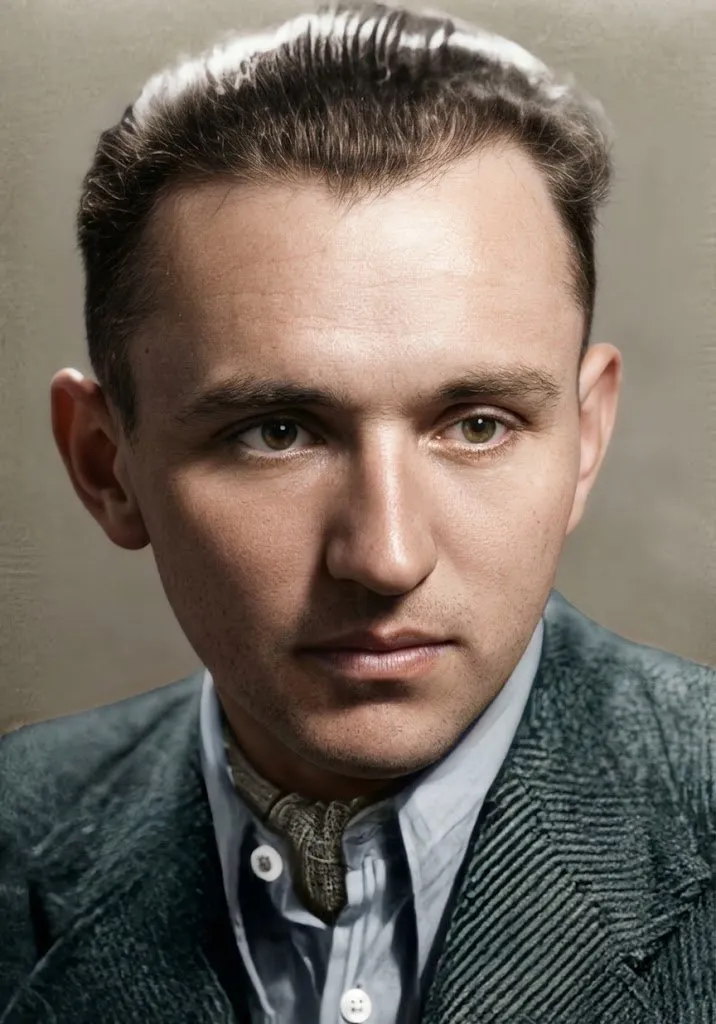
Bohdan Kazanivskyi
OUN activist and memoirist
He went through a Polish prison and a Soviet one, and lived to 101. Bohdan Kazanivskyi, an OUN activist and courier for its leadership in Lviv, survived the NKVD’s killing of prisoners in 1941 and in emigration wrote the memoir Shliakhom Legendy.
Key accomplishments
- OUN member from the 1930s, organizational officer of its county leadership in the Radekhiv area
- Courier for the OUN(b) leadership in Lviv (1941–1944)
- The memoir Shliakhom Legendy (London, 1975; Lviv, 2007)
- Chief secretary of the Providence Association of Ukrainian Catholics in the US (1974–1982)
How many prisons can one man survive?
Before he was 25, Bohdan Kazanivskyi had been held in both a Polish and a Soviet prison and had survived a mass shooting of prisoners; he died in the United States at 101. He was born on 3 February 1916 in the village of Nyvytsi in the Radekhiv area of the Lviv region. In the early 1930s he joined the Organization of Ukrainian Nationalists (OUN) and soon became organizational officer of its county leadership. In the underground he went by the names “Tyrsa” and “Shchetyna”.
A Polish prison
In April 1937 the Polish police arrested Kazanivskyi, and for his underground work he was sentenced to many years in prison. He was freed only at the start of the Second World War, in 1939, and went back to work for the OUN.
A cell for ninety
In January 1940 Kazanivskyi tried to cross from Nazi-occupied Poland into Western Ukraine, by then under Soviet rule, and was arrested by the NKVD. In the Lviv prison on Lontskoho Street he was interrogated under torture, but, as he later recalled, they could not break him. Some 90 prisoners were held in one cell there, with no beds, no table and no benches. When Germany attacked the USSR in 1941, the NKVD began shooting the prisoners in Lviv’s jails en masse. Kazanivskyi survived and walked free on 28 June 1941.
Courier for the leadership
From then on Kazanivskyi was a courier for the OUN(b) leadership in Lviv, carrying out orders from its leaders, among them Ivan Klymiv (code name “Legenda”) and Mykola Lebed. At the same time Roman Shukhevych asked him to appoint a commander for the Ukrainian militia in Lviv, and Kazanivskyi appointed Omelian Matla. In 1944 he left for Western Europe and later for the United States.
Life in emigration
In the US Kazanivskyi worked in Ukrainian diaspora organizations: he was chief secretary of the Providence Association of Ukrainian Catholics and a member of the Ukrainian Congress Committee of America and the League of Ukrainian Political Prisoners. His memoir Shliakhom Legendy (“On the Path of Legenda”) came out in London in 1975 and was reprinted in Lviv in 2007. Bohdan Kazanivskyi died on 1 April 2017 in Rockville, Maryland.
Debates and assessments
The Ukrainian militia that the OUN set up in Lviv on 30 June 1941 is the subject of sharp debate among historians. Some scholars believe the militia took part in the Lviv pogrom of 1 July 1941: its members escorted Jews to the prisons and were present during the abuse and killings. They also stress that it was the Germans who created the conditions for the pogrom and encouraged it. Kazanivskyi helped set up the militia’s leadership; the sources do not report any personal part of his in the violence. Historians use his testimony as a source both on NKVD crimes and on the OUN’s activity in Lviv in 1941.
Why it matters today
Bohdan Kazanivskyi belonged to a generation that served time in both Polish and Soviet prisons for Ukraine’s independence. His memoir preserved first-hand testimony of torture and shootings in NKVD prisons, and today the Lontskoho Street Prison museum in Lviv quotes it. He outlived both prisons and lived to see an independent Ukraine and his own hundredth birthday. His life is a reminder that the memory of eyewitnesses is also a weapon against forgetting and propaganda, and that keeping it is the work of every generation.