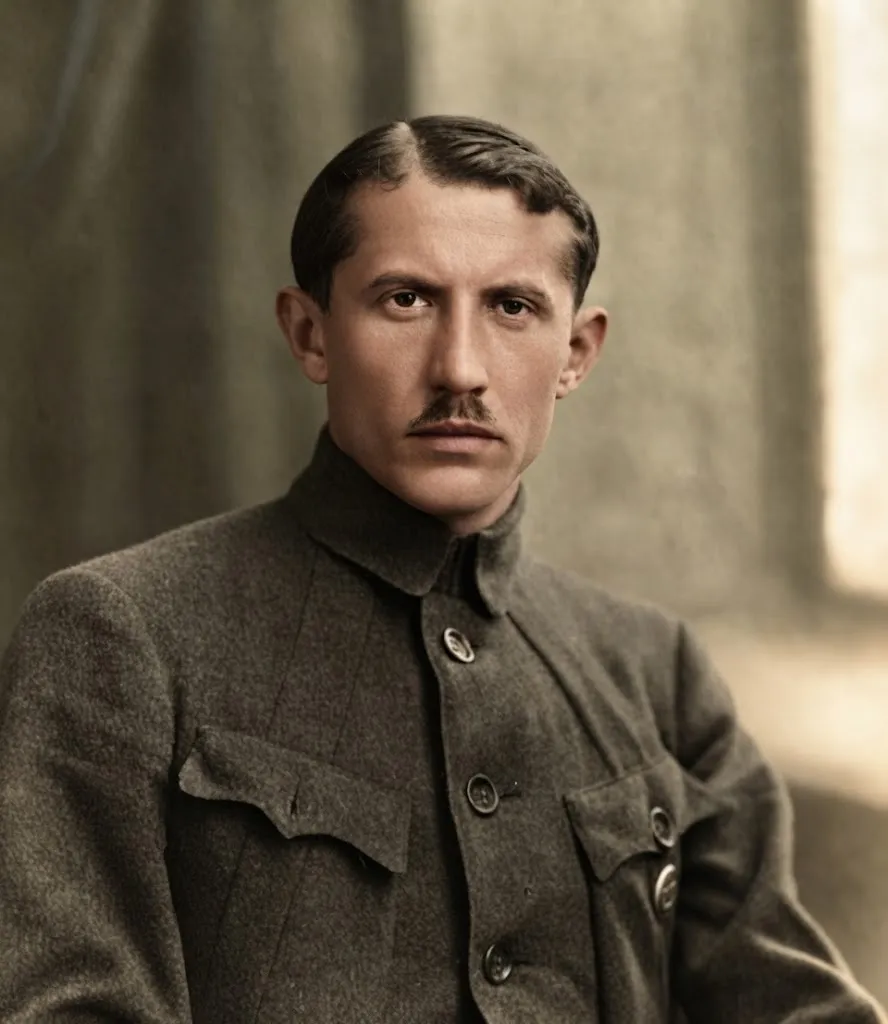
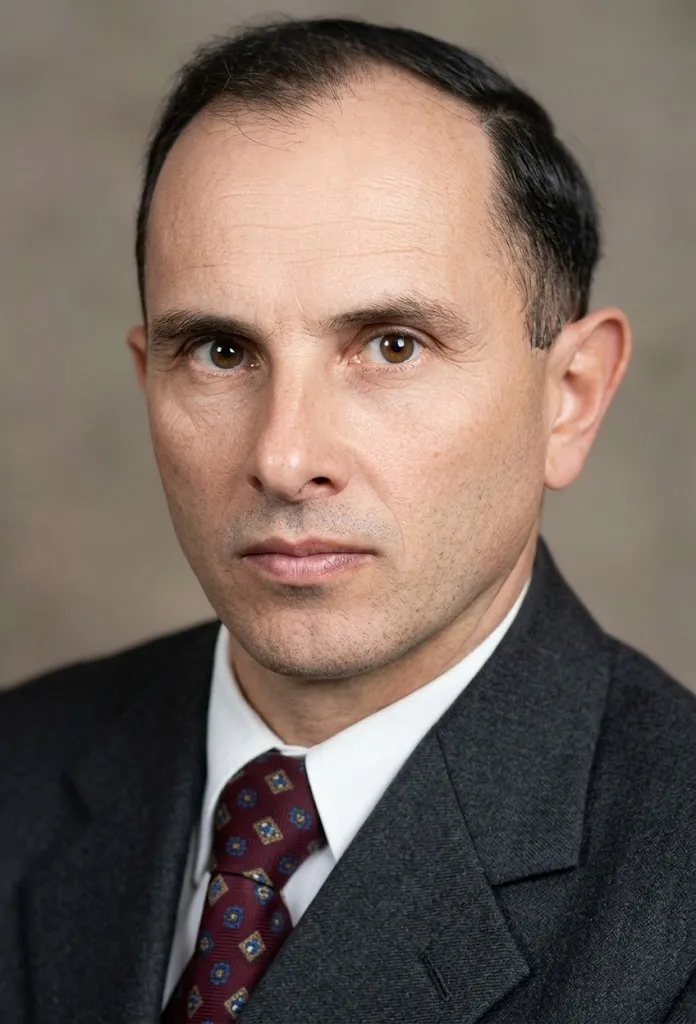
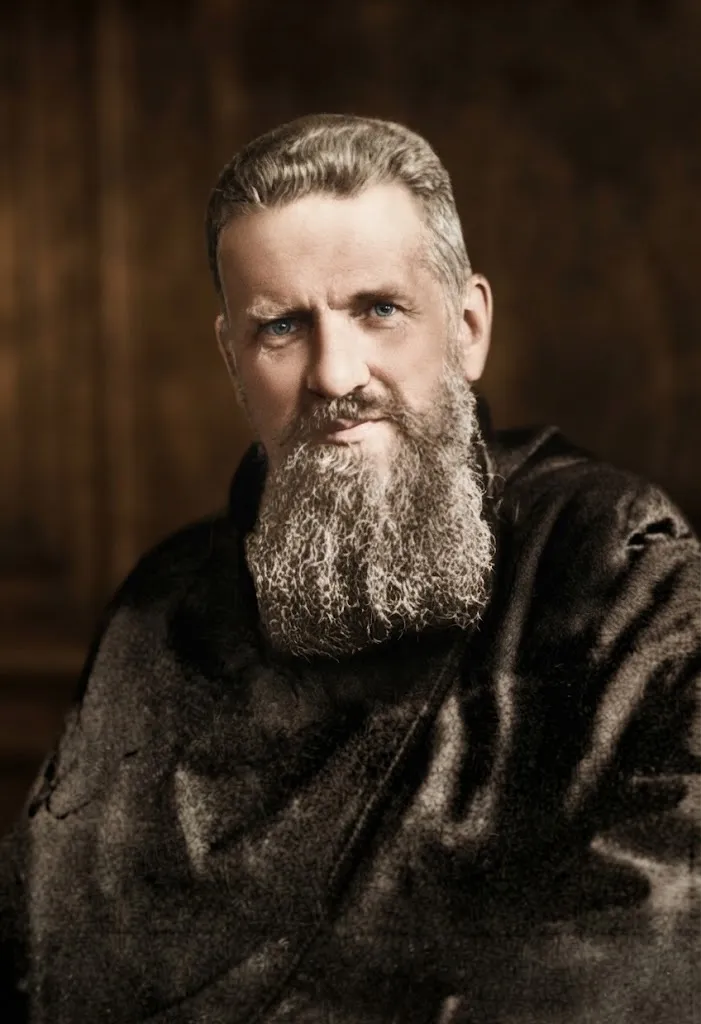
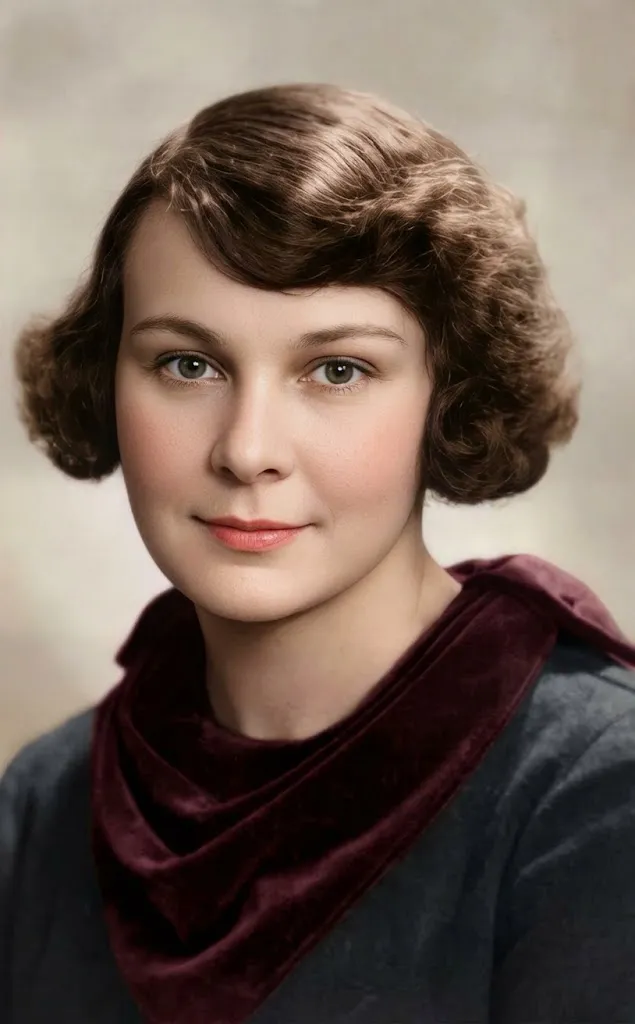
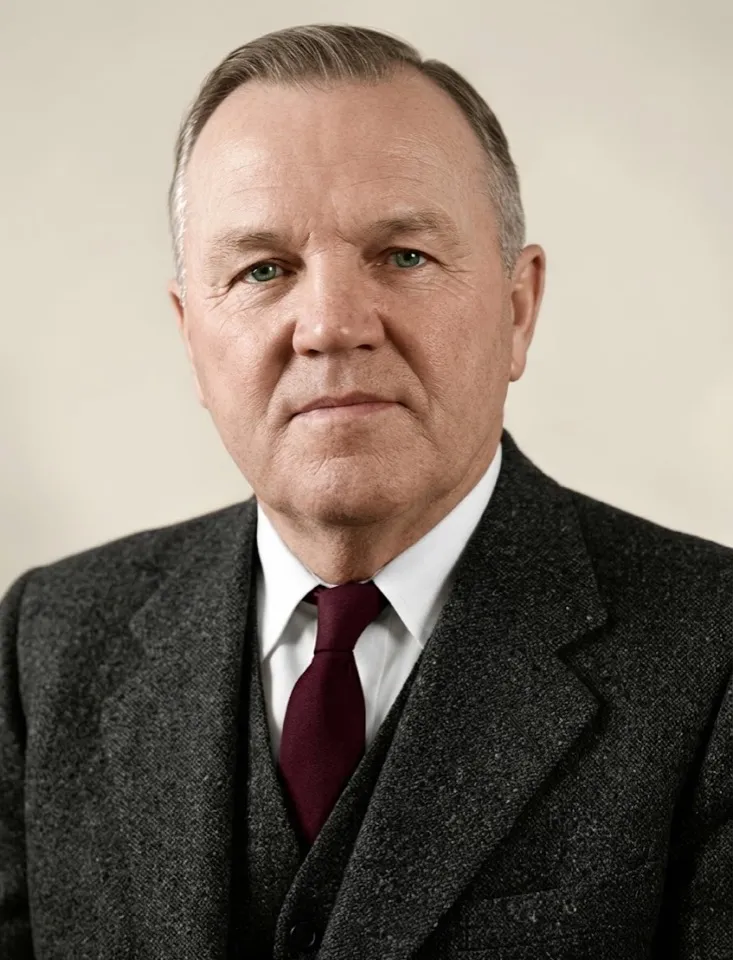
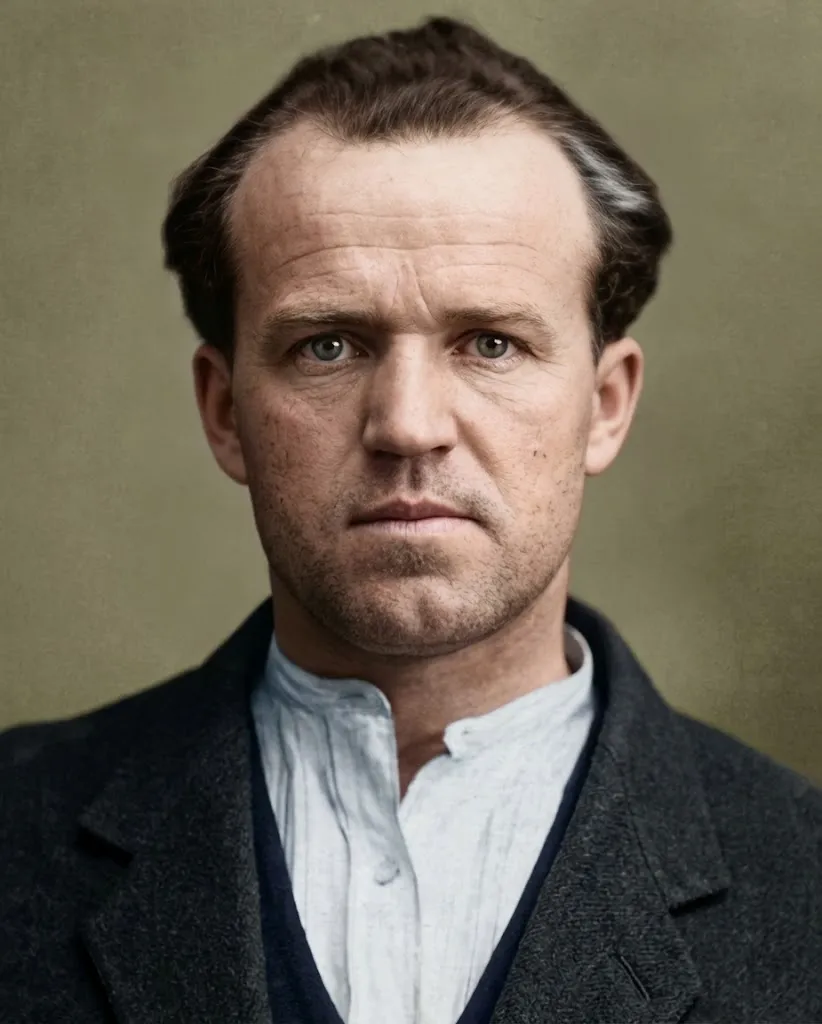
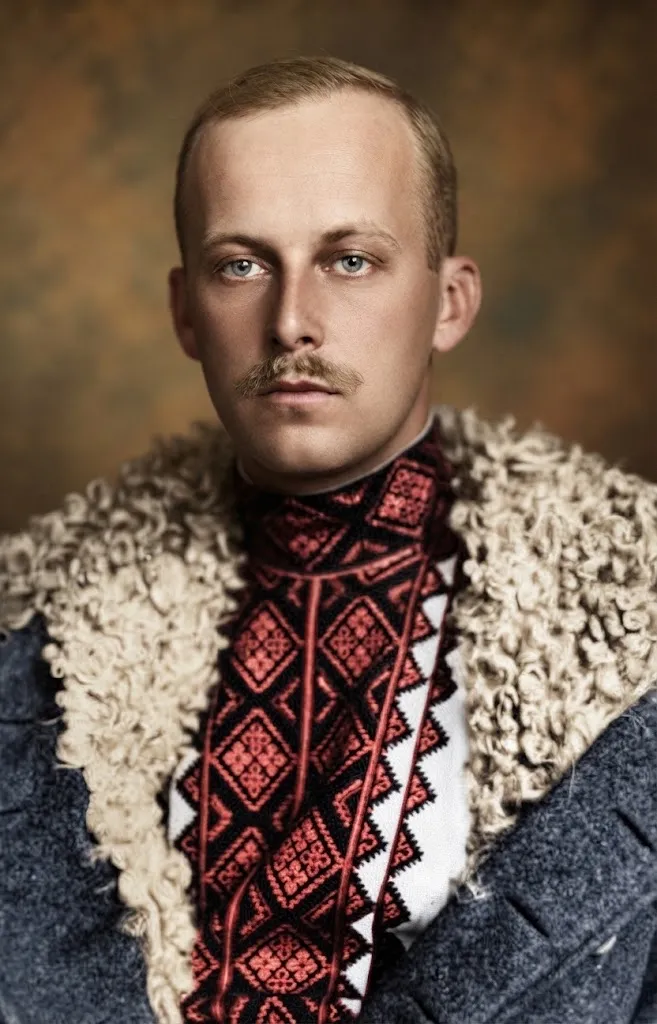
Andrii Melnyk
Leader of the OUN and the OUN-M
For over 60 years his grave was in Luxembourg; in 2026 his remains were reburied near Kyiv. Andrii Melnyk, a UNR army colonel and Konovalets's close ally, took over the OUN in 1938 and, after it split, led its more moderate wing, the OUN-M. A contested figure.
Key accomplishments
- Chief of staff of the UNR army (1919)
- Co-founder of the Ukrainian Military Organization (UVO, 1920) and its commander in Galicia (from 1922)
- Head of the Leadership of Ukrainian Nationalists (from 1938), lifelong leader of the OUN-M (from 1947)
- Proposed a world congress of Ukrainians in 1957; the World Congress of Free Ukrainians was founded in 1967
The forester who became a rifleman
He trained as a forester and became a company commander. Andrii Melnyk was born in 1890 in the village of Volia Yakubova near Drohobych and studied forestry in Vienna. When the First World War broke out, he volunteered for the Legion of Ukrainian Sich Riflemen and commanded a company in the battles of Makivka and Lysonia. In 1916 he was wounded and taken prisoner by the russians. In a camp near Tsaritsyn he met Yevhen Konovalets and became one of his closest allies.
Melnyk escaped captivity to Kyiv around the turn of 1918 and, together with Konovalets, built up the Sich Riflemen, holding command posts. In 1919 he was chief of staff of the UNR army. He later held the rank of otaman, a general, but called himself a colonel.
From the UVO to the head of the OUN
The underground Ukrainian Military Organization (UVO) was founded in 1920 with Melnyk among its founders, and from 1922 he led it in Galicia. The Polish authorities arrested him and sentenced him to five years in prison. Released in 1928, he worked as a forester on the estates of Metropolitan Andrei Sheptytskyi and led the Catholic youth organization Orly (“Eagles”).
Melnyk took over the Leadership of Ukrainian Nationalists in 1938, after a Soviet agent killed Konovalets. In 1939 the OUN’s Second Grand Assembly in Rome confirmed him as leader. But in early 1940 younger radicals led by Stepan Bandera refused to accept his leadership, and the OUN split. Melnyk led its more moderate wing, which became known as the OUN-M.
Watched by the Gestapo
Melnyk’s expeditionary groups set out east for Kyiv after Germany attacked the USSR in 1941. There, in the autumn, they set up a Ukrainian National Council, but the Nazi authorities broke it up and shot many OUN members, among other places at Babyn Yar. Among those killed was the poet Olena Teliha, a member of Melnyk’s wing. Melnyk himself lived in Berlin under German house arrest from 1941. In 1944 the Gestapo arrested him, and he spent several months in the Sachsenhausen concentration camp. After his release he refused to head the German-sponsored Ukrainian National Committee.
A voice for the emigration
Luxembourg became his home after the war. In 1947 Melnyk was elected the OUN’s leader for life, and in 1957 he proposed calling a world congress of Ukrainians. The World Congress of Free Ukrainians was founded in 1967, after his death. Melnyk died on 1 November 1964.
Coming home after 60 years
Why were two coffins carried from Luxembourg to Kyiv in May 2026? They held the remains of Andrii Melnyk, one of the leaders of the Ukrainian nationalist movement, and his wife Sofia. For more than 60 years they had lain in a cemetery in Luxembourg. On 25 May 2026 they were reburied with state honours at the National Military Memorial Cemetery near Kyiv. Some welcomed the decision; others criticized it sharply.
Debates and assessments
From the start of his leadership Melnyk counted on German support and had contacts with German military intelligence (the Abwehr). Scholars note that he kept to this course even under house arrest. At the same time, in 1942 he and other Ukrainian leaders, Metropolitan Sheptytskyi among them, sent Hitler a memorandum demanding an end to Germany’s destructive policy in Ukraine. In 1943 some OUN-M units in Volhynia joined attacks on Polish villages on their own initiative. Some Polish historians hold that Melnyk bears no responsibility for this: the decisions were taken by local commanders, and the OUN-M leadership condemned such actions in 1944.
The 2026 reburial was controversial. Israel’s Foreign Ministry and the Yad Vashem Holocaust memorial criticized the state honours for the leader of a movement that collaborated with Nazi Germany. Critics point out that the OUN spread antisemitic rhetoric in those years and that some of its members took part in the persecution of Jews.
Why it matters today
Melnyk linked three stages of the fight for independence: the Sich Riflemen and the UNR army, the underground between the wars, and the Ukrainian emigration after the Second World War. His path shows how narrow the space was for Ukrainians caught between two totalitarian regimes: he counted on Germany and ended up under its arrest and in a concentration camp. In exile he worked to get Ukrainian communities scattered around the world to act together, and his idea of a world congress came true. His story teaches us to see history whole: the contribution, the mistakes and the debates that still go on.