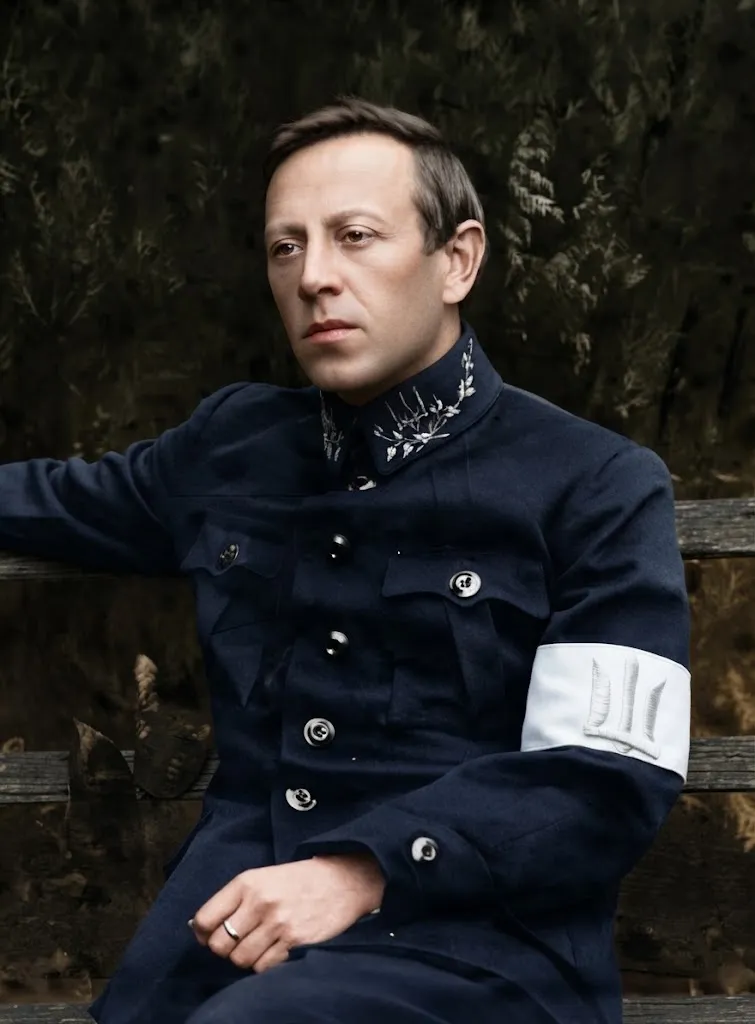
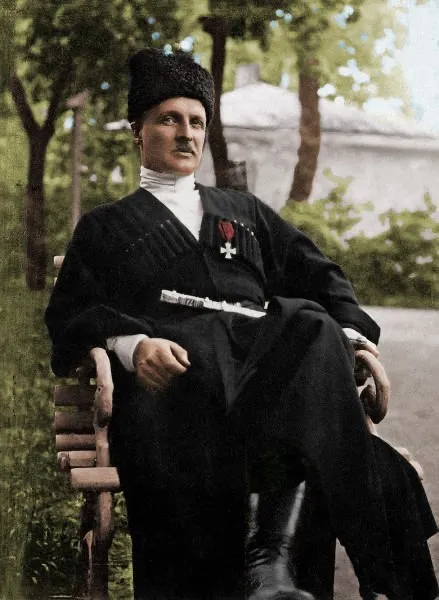
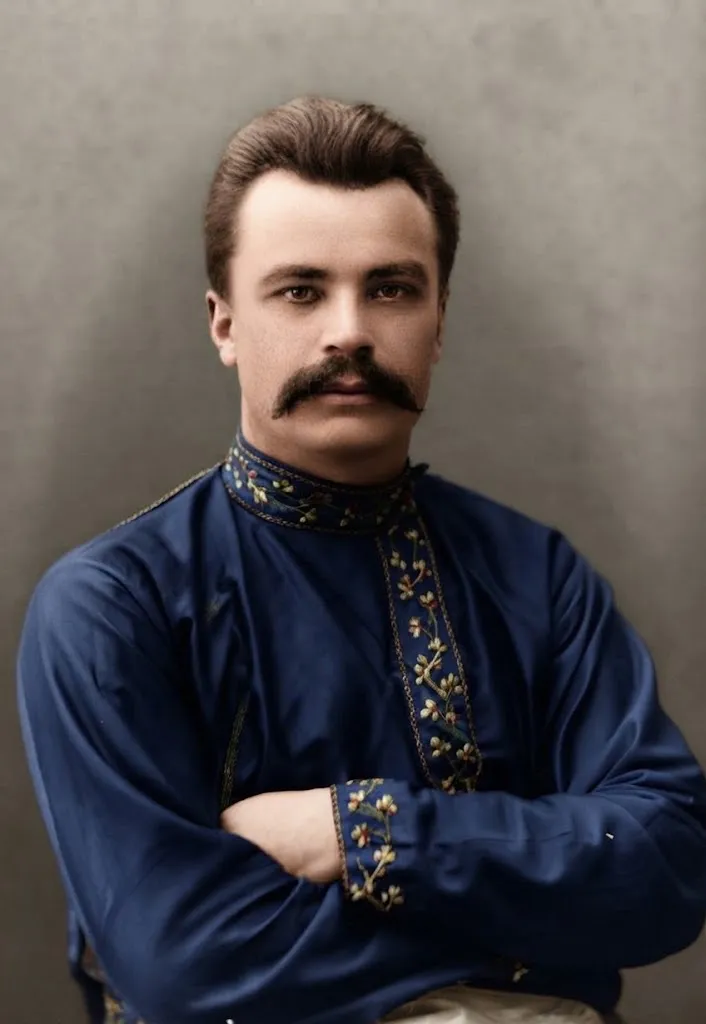
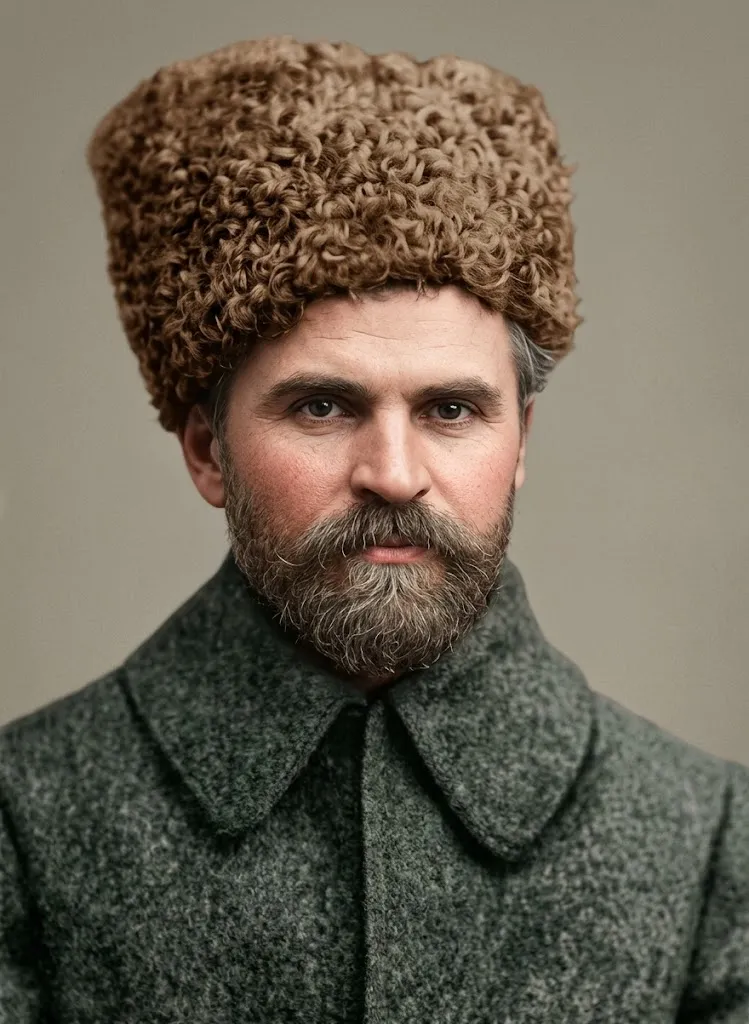
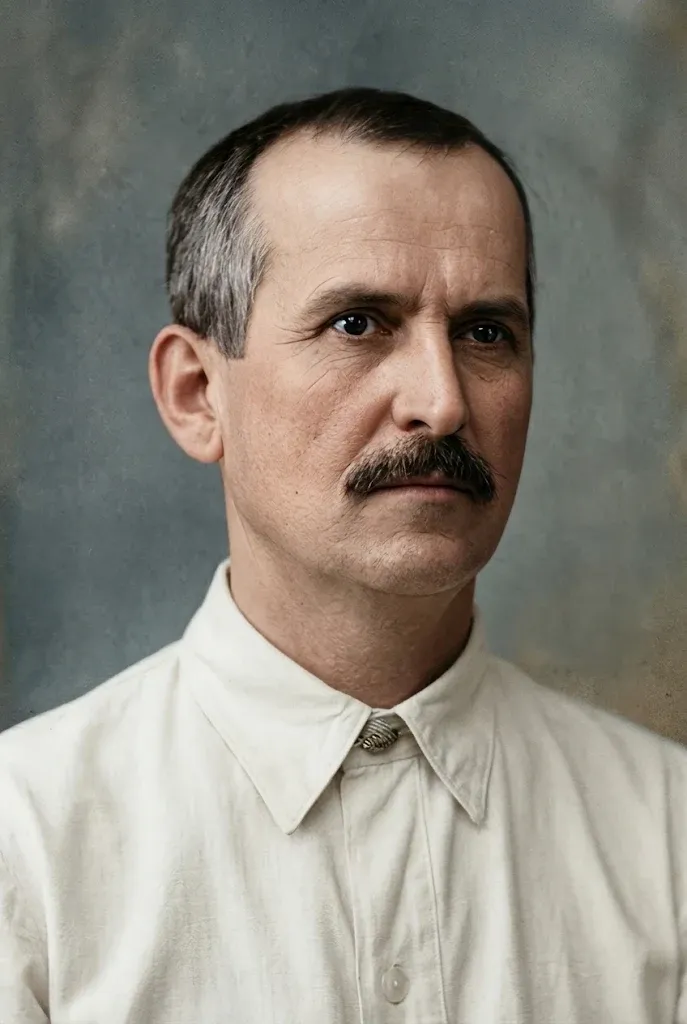
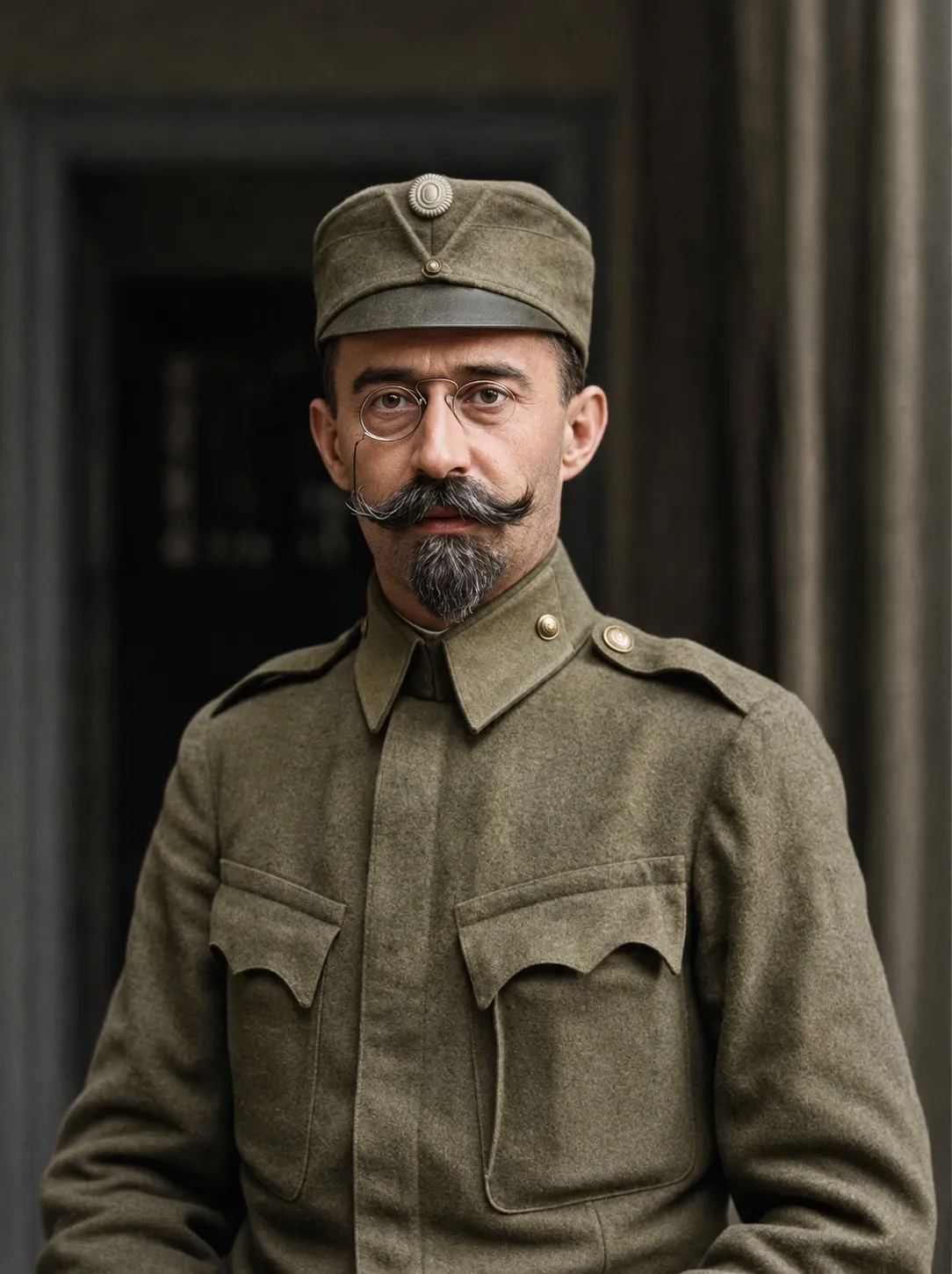
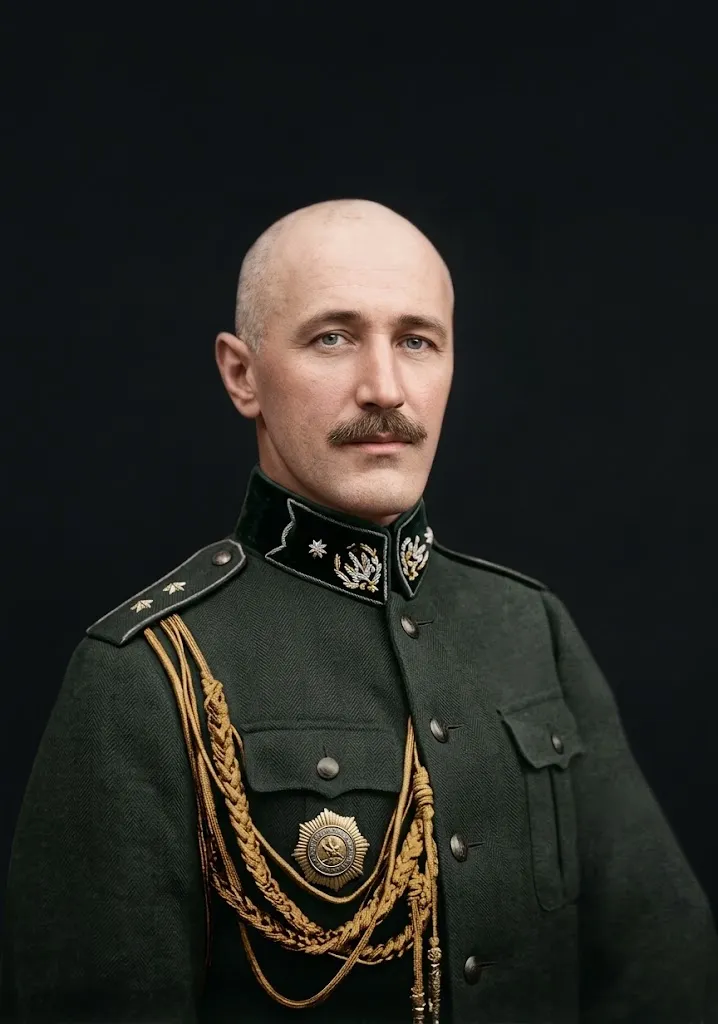
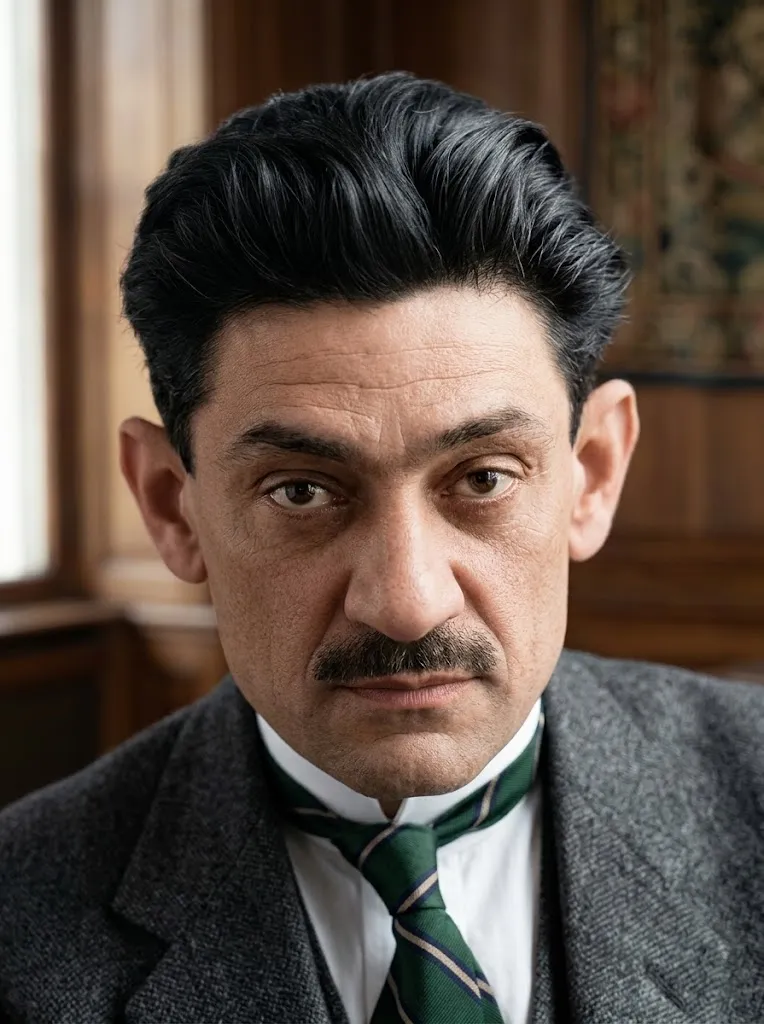
Andrii Livytskyi
UNR premier and president in exile
For almost 28 years he led the Ukrainian People’s Republic, a state no longer on the map. Andrii Livytskyi, a lawyer and diplomat, took over the UNR’s State Centre in exile after Petliura’s murder and kept it alive for a future independent Ukraine.
Key accomplishments
- One of the leaders of the “Lubny Republic” and the civil self-defence in Lubny (1905)
- Commissar of Poltava gubernia and member of the Ukrainian Central Rada (1917)
- UNR minister of justice, deputy prime minister and head of the foreign ministry (1919)
- Headed the UNR diplomatic mission to Poland and signed the Treaty of Warsaw (April 1920)
- Head of the UNR government in exile (1920–1921, 1922–1926), head of the Directory (from 1926) and president of the UNR in exile (from 1948)
- Initiated the Ukrainian National Council in exile (1948)
A state that wasn’t on the map
For almost 28 years Andrii Livytskyi led the Ukrainian People’s Republic (UNR), even though its lands had long been divided up by other states. He did it from Warsaw and later from Germany, and so kept Ukraine’s state centre in exile alive.
He was a rebel from his student days. Livytskyi was born in 1879 at the Krasnyi Kut farmstead near Lipliave (today in the Cherkasy region) into a noble family of Cossack officer descent. He studied at the Pavlo Galagan College in Kyiv and at Kyiv University. He was arrested for taking part in the Ukrainian student movement, and in 1899 he was expelled from the university.
The Lubny Republic
For a while the russian empire’s officials in Lubny were pushed out of power, and Livytskyi was among those who did it. He had joined the Revolutionary Ukrainian Party in 1901 and headed its branch in Lubny, where he worked at the court. During the revolution of 1905 he became one of the leaders of the “Lubny Republic”: a Ukrainian committee took power in the town and the area around it. Livytskyi also organized a civil self-defence force that stood up against anti-Jewish pogroms. He was arrested several times, escaped from custody in 1906 and later ended up in prison again. After that he worked as a lawyer in Kharkiv and, from 1913, as a justice of the peace in Zolotonosha.
Commissar, minister, diplomat
Commissar of Poltava gubernia and a member of the Ukrainian Central Rada: that was Livytskyi after the revolution of 1917, and in the winter of 1918 he was part of the Ukrainian delegation at the peace talks in Brest-Litovsk. In May 1918 the government of Hetman Pavlo Skoropadskyi removed him from his post, and he joined the opposition.
Under the Directory Livytskyi was minister of justice and deputy prime minister, and he ran the foreign ministry. In October 1919 he took charge of the UNR diplomatic mission to Poland. The talks ended in the Treaty of Warsaw, which Livytskyi signed in April 1920. Poland recognized the UNR’s independence and agreed to fight the Bolsheviks together, while the UNR gave up Eastern Galicia and western Volhynia. On 7 May 1920 the joint forces entered Kyiv, but later had to retreat.
A government in exile
Even in exile, the UNR had a government. It went into exile in Poland at the end of 1920, and Livytskyi headed it in 1920–1921 and 1922–1926. He worked in Warsaw with Symon Petliura, and after Petliura was murdered in 1926 he became head of the Directory and Chief Otaman of the UNR forces. On his instructions Taras Bulba-Borovets built a UNR underground in Polissia. During the Second World War the Germans kept him confined to Warsaw. After the war Livytskyi moved to Germany, and in 1948 he initiated the Ukrainian National Council, which brought the émigré political parties together. From then on he held the title of president of the UNR in exile.
Andrii Livytskyi died on 17 January 1954 in Karlsruhe. He was buried in Munich, and in 1965 he was reburied at the Ukrainian cemetery in South Bound Brook, in the United States. The state centre he had kept going lasted until 1992: that year the last president of the UNR in exile, Mykola Plaviuk, handed the UNR’s flag, seal and presidential insignia to Ukraine’s president, Leonid Kravchuk.
Debates and assessments
The Treaty of Warsaw of 1920 is still judged in different ways. For many Galician politicians, giving up Eastern Galicia was a betrayal of Ukrainian unity: the Galician members of the mission accused Livytskyi of exceeding his authority and walked out of it. Former head of the Directory Volodymyr Vynnychenko condemned the agreement sharply.
Other researchers note that the treaty gave the UNR almost another year of fighting, and that the UNR Army helped Poland beat back the Red Army’s offensive in the summer of 1920. At the same time, it is considered that Poland gained the most from it: in 1921 it made peace with the Bolsheviks in Riga, and the western Ukrainian lands stayed in Polish hands. Livytskyi himself later wrote that the alliance had been needed to carry on the fight and save the army.
Why it matters today
Andrii Livytskyi did not let the Ukrainian People’s Republic disappear after its defeat. For almost three decades he held together its government, its army in exile and its often quarrelling parties, and reminded the world that Ukrainians had a right to a state of their own. Because of that, in 1992 independent Ukraine received the UNR’s flag and symbols of power from the republic’s own hands. His life shows that a state can be kept alive even without territory, with nothing but will and law, and that will passed on to those who defend independent Ukraine today.