1895–1948
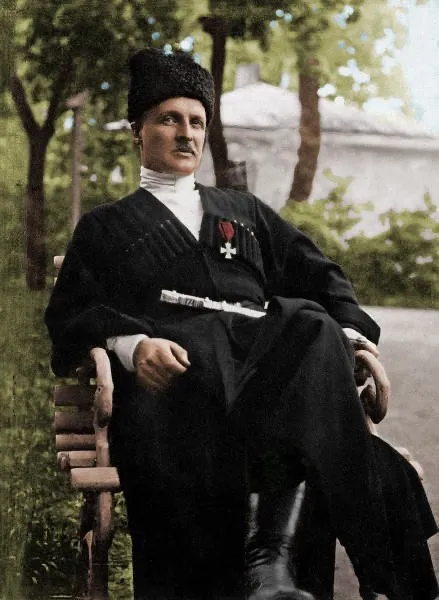
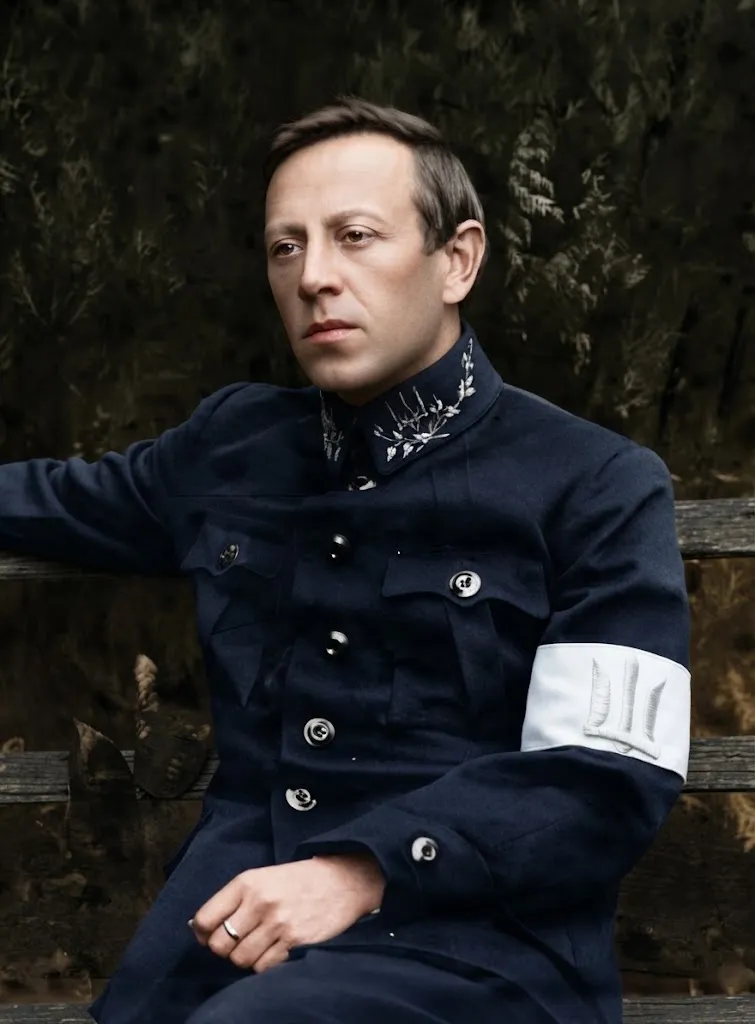
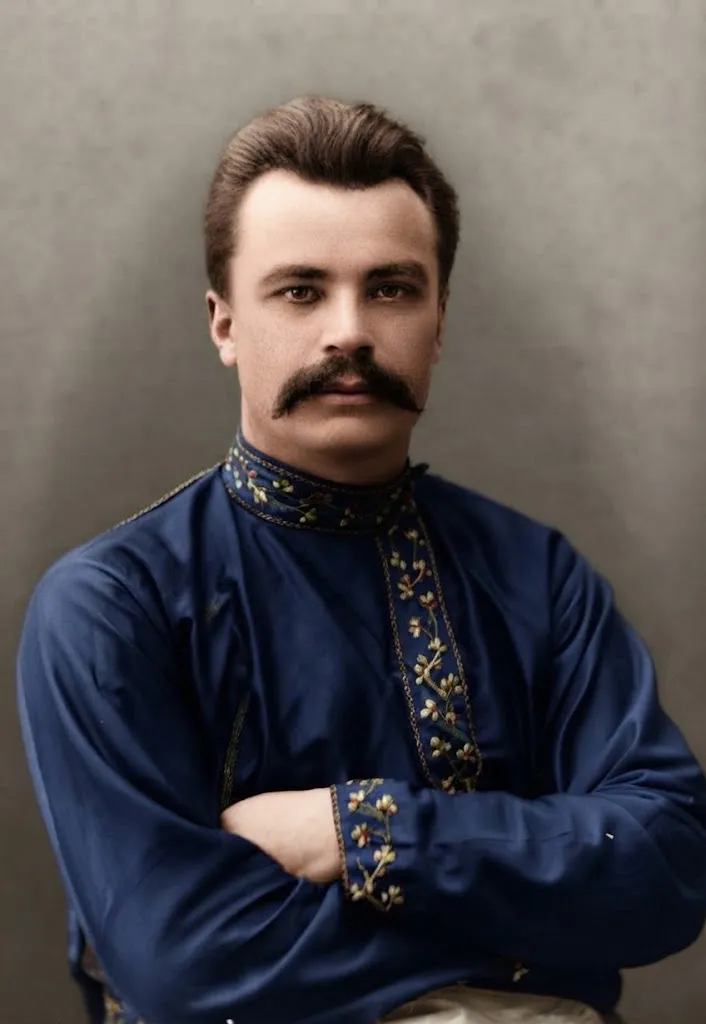
Vasyl Vyshyvanyi (Wilhelm von Habsburg)
Habsburg archduke, Sich Riflemen colonel
Why did a Habsburg archduke wear an embroidered shirt and sign himself “Vasyl Vyshyvanyi”? Wilhelm von Habsburg chose to be Ukrainian: he commanded the Ukrainian Sich Riflemen, served as a colonel of the UPR Army and died in a Soviet prison.
Key accomplishments
- Commander of the Legion of Ukrainian Sich Riflemen (from April 1918)
- As a member of the upper house of the Austrian parliament, worked with Ukrainian deputies and pressed for the division of Galicia into Ukrainian and Polish parts
- Colonel of the UPR Army (from 1919), worked in the foreign relations department of the UPR war ministry
- Author of the collection of Ukrainian poems Days Go By (Vienna, 1921)
The Habsburg who chose Ukraine
Wilhelm von Habsburg was not Ukrainian by birth or descent. He was born in 1895 in Pula on the Adriatic (then Austria-Hungary, now Croatia) into the family of an Austrian archduke of the ruling dynasty. He became Ukrainian by choice: he learned the language, wrote poetry in Ukrainian and signed himself Vasyl Vyshyvanyi, “Vasyl the Embroidered”. His collection Days Go By (Mynaiut dni) came out in Vienna in 1921.
Uhlan, senator, commander of riflemen
In 1915 Wilhelm graduated from military academy and began serving in the 13th Uhlan Regiment, most of whose soldiers were Ukrainians. From 1917, as a member of the upper house of the Austrian parliament, he worked with Ukrainian deputies and pressed for Galicia to be divided into Ukrainian and Polish parts.
From April 1918 he commanded the Legion of Ukrainian Sich Riflemen, a Ukrainian volunteer unit of the Austro-Hungarian army, and in May–August he was garrison commander in Oleksandrivsk (today Zaporizhzhia). Some saw him as a candidate for hetman, but he rejected a plan to remove Pavlo Skoropadskyi by force. In 1919 Vyshyvanyi became a colonel of the Army of the Ukrainian People’s Republic (UPR). In 1920, in protest against Symon Petliura’s military alliance with Poland, he left Ukrainian service and settled in Vienna, where he kept in touch with Yevhen Konovalets and other émigré figures.
In 1947 the Soviet secret services arrested him in Vienna (sources differ on the date: August or September). He was taken to Kyiv and sentenced to 25 years, and in 1948 he died of tuberculosis in Kyiv’s Lukianivka Prison.
Debates and assessments
The monarchist plans around Vyshyvanyi are the most debated part of his story. According to the historian Olesia Isaiuk (Radio Svoboda), the Habsburgs counted on Wilhelm becoming the “future monarch” of the Ukrainians. At the same time, the Encyclopedia of Modern Ukraine stresses that he did not move against Hetman Skoropadskyi by force, and that in 1928 he sought an understanding with him.
His conduct in the 1930s is also contested. In Timothy Snyder’s biography The Red Prince (as summarized by Kirkus Reviews), Wilhelm was briefly taken with Hitler, hoping he would help Ukraine, but by the start of the Second World War he was a firm opponent of the Nazis. Snyder, as quoted by Radio Svoboda, writes that during the war Wilhelm’s Vienna flat became a “center of anti-Nazi intelligence”. Radio Svoboda stresses that his contacts with intelligence services still need thorough research.
Why it matters today
Vasyl Vyshyvanyi was born far from Ukraine, into one of Europe’s most powerful dynasties, and deliberately chose the Ukrainian cause. In 2020 Ukraine marked the 125th anniversary of his birth, and the world knows his story from Timothy Snyder’s biography.