1888–1934
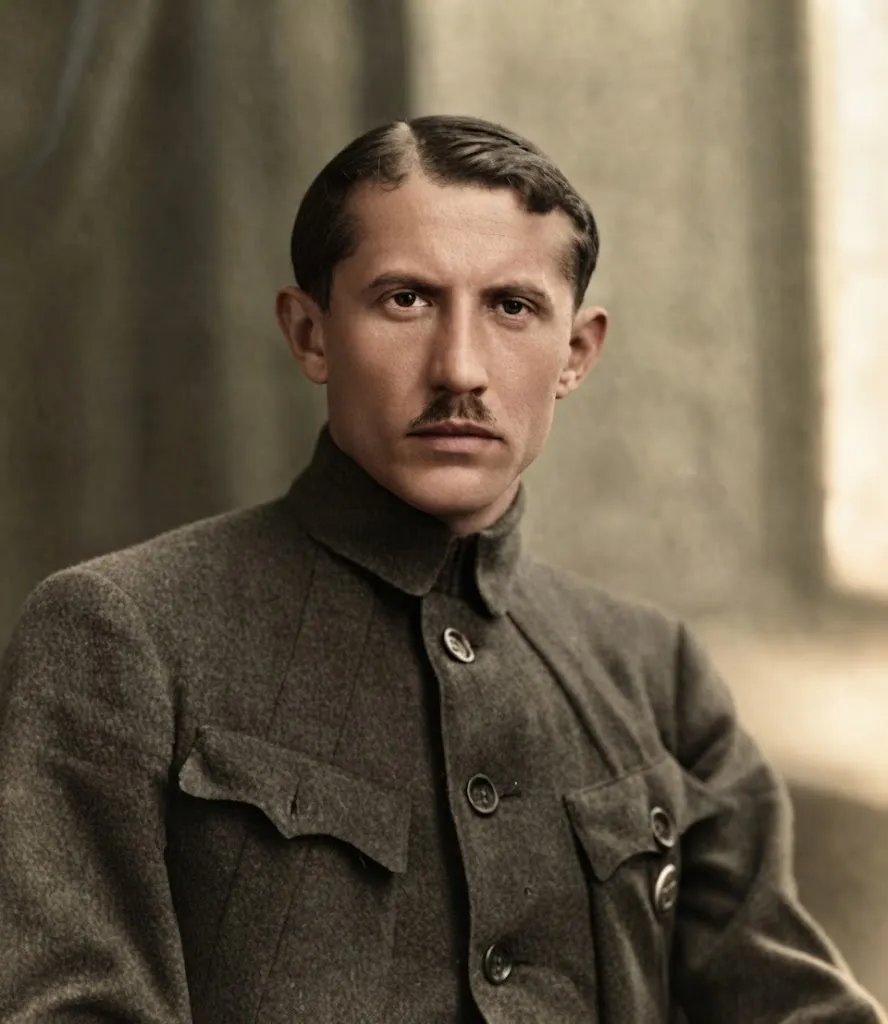
Nestor Makhno
Leader of the peasant insurgency
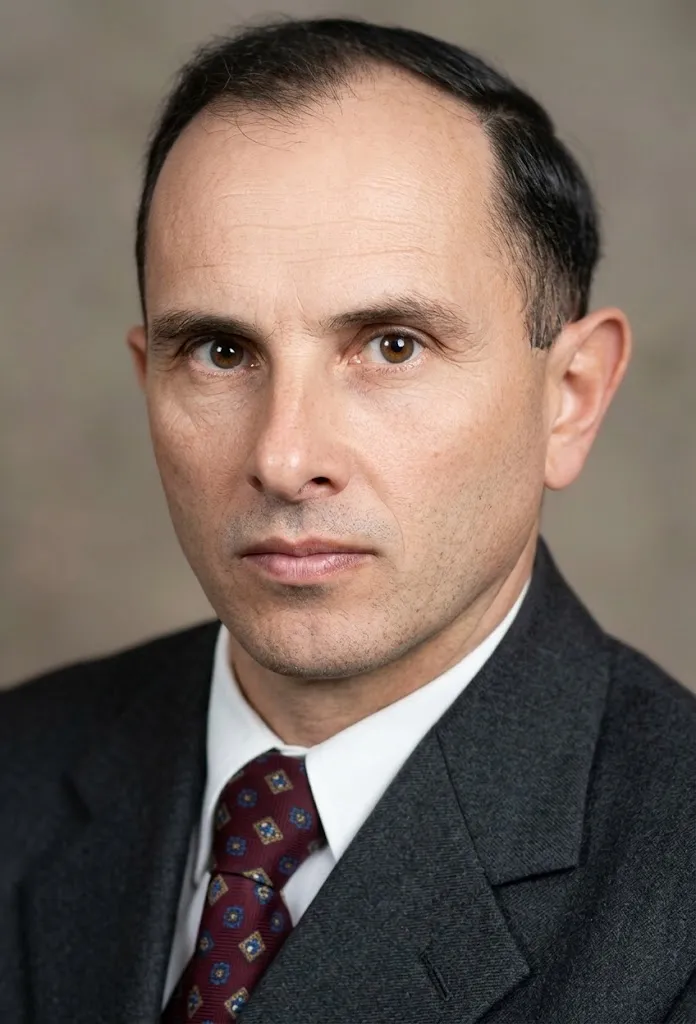
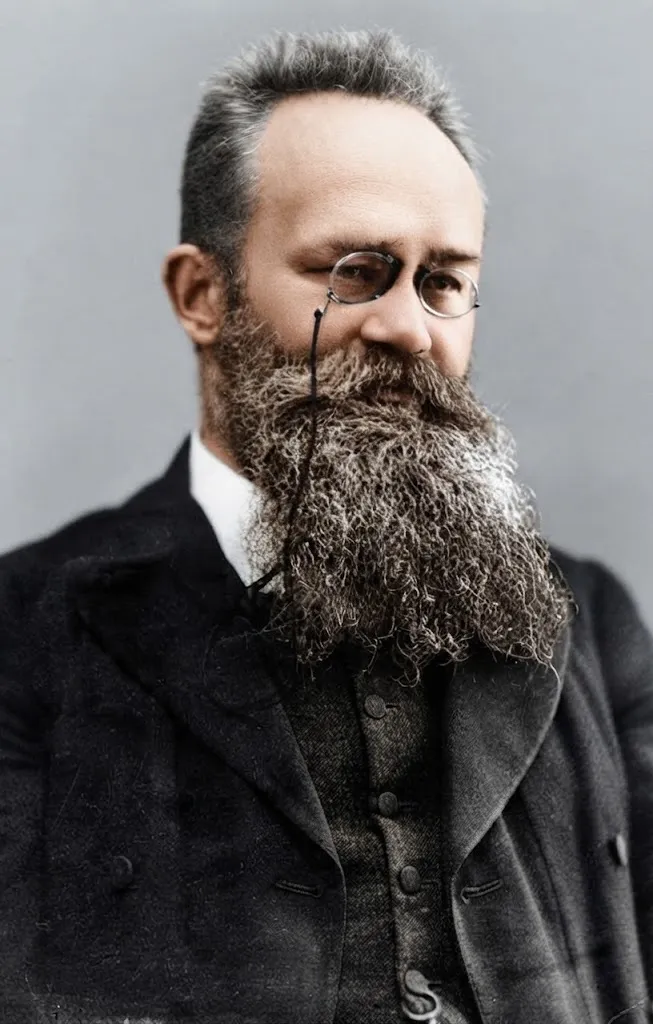
He escaped the death sentence only because he had been a minor at the time of the crime. The anarchist Nestor Makhno from Huliaipole led a peasant uprising in southern Ukraine in 1918–1921, fighting both the Whites and the Reds; his legacy is still disputed.
Key accomplishments
- As head of the Huliaipole council, signed a decree in 1917 confiscating landowners’ land and dividing it among the peasants
- Led an uprising against the Austro-German forces and the rule of Hetman Skoropadskyi (1918)
- Defeated Denikin’s elite units at Perehonivka (September 1919) and disrupted the White rear
- Commander of the Revolutionary Insurgent Army of Ukraine (the Makhnovists), which in 1919 controlled a large part of southern and Left-Bank Ukraine
A death sentence turned into hard labor
Nestor Makhno was born in 1888 into a large peasant family in Huliaipole in the Katerynoslav region (now Zaporizhzhia Oblast). He lost his father early, worked as a hired hand from childhood and had only a primary education. After the 1905 revolution he joined the anarcho-communists of Huliaipole. He was arrested several times on suspicion of political killings and expropriations, and in 1910 a military court sentenced him to death. But Makhno had been a minor at the time of the crime, so the sentence was changed to life at hard labor. In Moscow’s Butyrka prison he became a committed anarchist.
A peasant army from Huliaipole
The February Revolution of 1917 set him free. Makhno went home, became head of the local council and signed a decree confiscating the landlords’ land and dividing it among the peasants. In the autumn of 1918 he led an uprising against the Austro-German forces, Hetman Skoropadskyi and the landlords. His insurgents fought with fast cavalry and tachankas, light carts with mounted machine guns.
The alliance with the Bolsheviks was shaky: in 1919 the Makhnovists fought now alongside the Red Army, now against it. In September 1919, at Perehonivka, Makhno routed Denikin’s elite regiments, and his raids threw the Whites’ rear into chaos. From 1920 the Red Army was at war with the Makhnovists again, and after a joint campaign against Wrangel it set out to destroy them. In August 1921 Makhno crossed into Romania with a small band and eventually reached Paris. There he lived in poverty, wrote memoirs, died of tuberculosis and was buried at Père Lachaise Cemetery.
Debates and assessments
Makhno is one of the most controversial figures of the Ukrainian Revolution. Ukrainian encyclopedias describe him as a gifted popular leader whose insurgent tactics were studied by many armies around the world. Soviet films and books mostly portrayed him negatively.
Researchers also debate the violence that came with the movement. Even before the revolution, the group Makhno belonged to used terror and expropriations. During the civil war the Makhnovists attacked Mennonite colonies, including a mass killing at Eichenfeld in November 1919. Mennonite tradition blames Makhno personally. The researcher Sean Patterson argues that the massacre was carried out by Makhnovists together with local peasants; no direct order from Makhno has been found, but his rhetoric against “kulaks” fed the violence. Makhno was also accused of antisemitism. He rejected the charge, and a number of historians do not support it: Makhno banned pogroms and punished those in his ranks who took part in them, and in 1919 the Makhnovists killed the otaman Nykyfor Hryhoriiv, who was involved in pogroms.
As an anarchist, Makhno opposed any state, so he does not fit into the history of Ukrainian state-building, but he is an important part of the history of the peasant struggle of 1917–1921.
Why people still talk about him
Makhno draws great interest in Ukraine and around the world. In 2009 a monument to him was put up in his native Huliaipole.