1891–1938
Yevhen Konovalets
First leader of the OUN
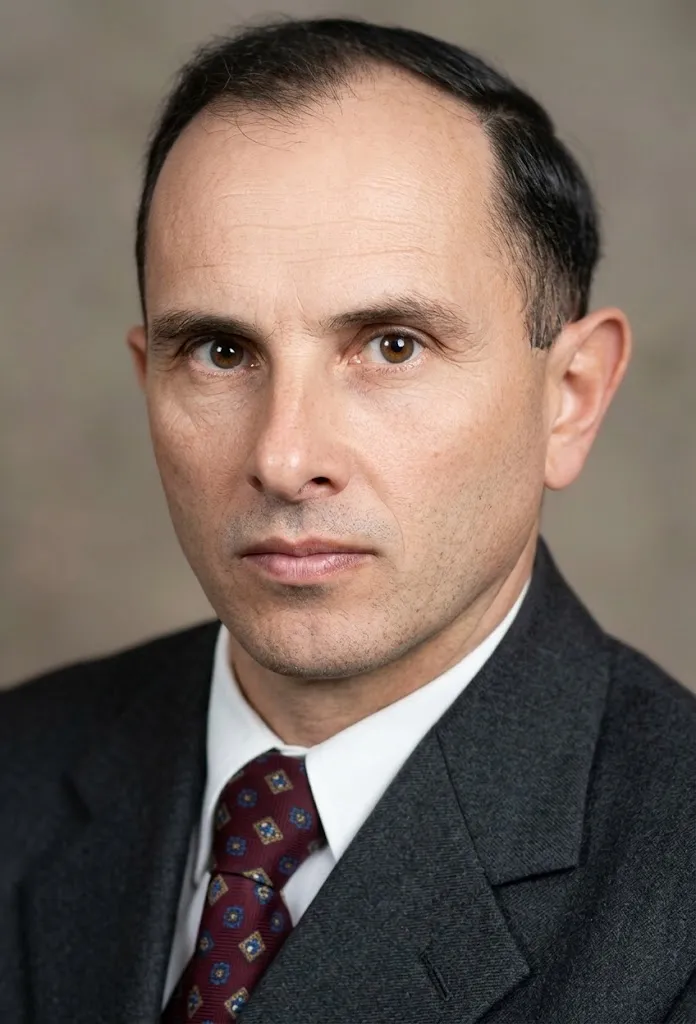
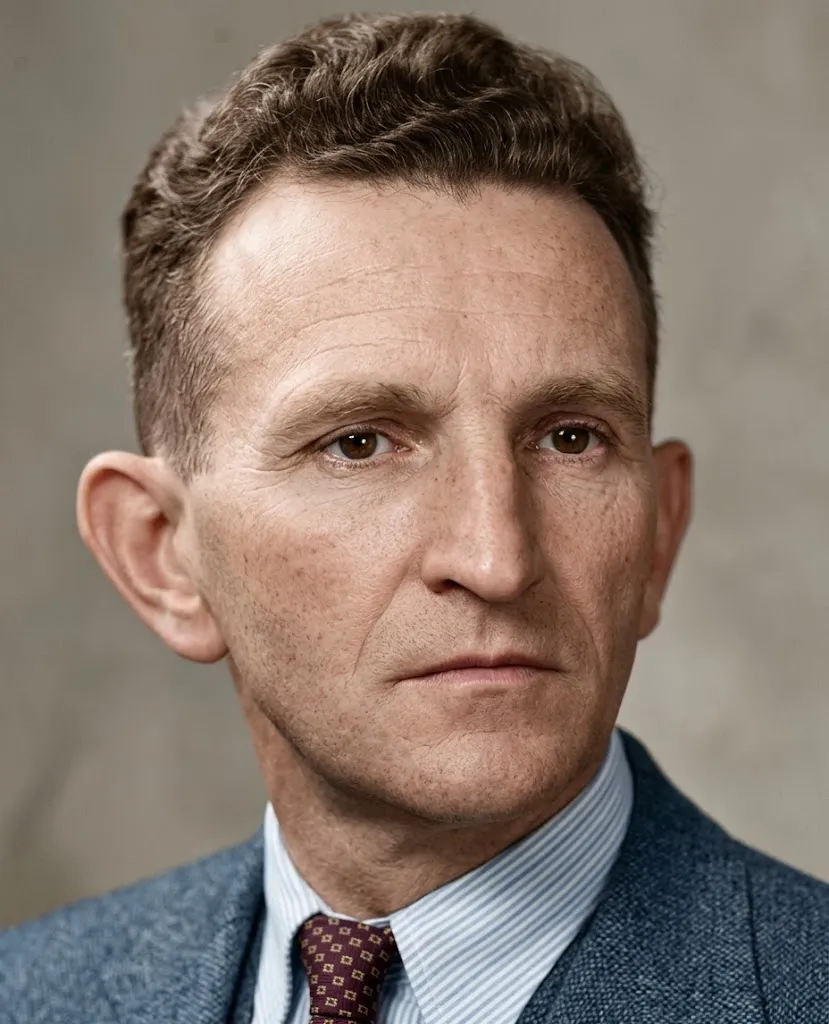
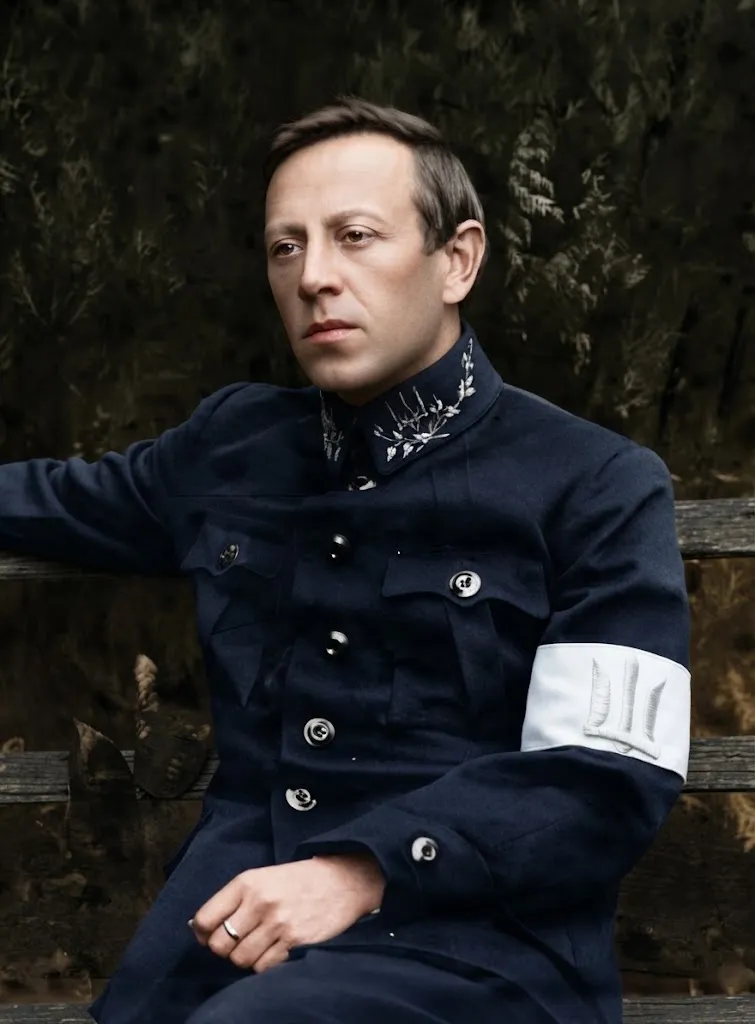
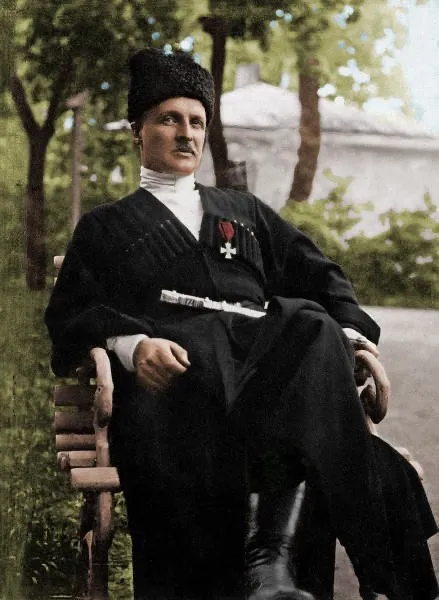
An escapee from a prisoner-of-war camp, within months he was commanding the Sich Riflemen in Kyiv. Yevhen Konovalets, a colonel of the UNR army, later led the underground UVO and in 1929 became the first leader of the OUN.
Key accomplishments
- Co-founder and commander of the Sich Riflemen in Kyiv (1917–1919)
- Co-founder and leader of the Ukrainian Military Organization (UVO, 1920)
- Head of the Leadership of Ukrainian Nationalists (from 1927) and first leader of the OUN (1929–1938)
The escapee who became a commander
How does a man who has just escaped captivity end up in command in Kyiv within months? Yevhen Konovalets was born in 1891 in the village of Zashkiv near Lviv and studied law at Lviv University. In the First World War he was called up into the Austro-Hungarian army, and in 1915 he was taken prisoner by the Russians and held in a camp near Tsaritsyn. In September 1917 he escaped to Kyiv, where, together with other Galicians, he formed a battalion of the Sich Riflemen. In January 1918 Konovalets took command of it.
The Sich Riflemen
The Riflemen helped put down a Bolshevik uprising in Kyiv and, in the spring of 1918, helped liberate the city. In November 1918 they played a key role in overthrowing Hetman Pavlo Skoropadskyi and restoring the Ukrainian People’s Republic. Konovalets’s unit grew into a division, a corps and then a group, and he himself held the rank of colonel in the UNR army.
The fight from underground
After the defeat of the independence struggle, Konovalets did not stop fighting. In 1920 the Ukrainian Military Organization (UVO) was founded with his participation, and he became its leader. In 1922, facing arrest, he left the country and lived in Czechoslovakia, Germany, Switzerland and Italy. In 1929 he became the first leader of the Organization of Ukrainian Nationalists (OUN). From exile he built an underground network, set up Ukrainian information bureaus across Europe and tried to bring the Ukrainian question, including the Holodomor, before the League of Nations.
On 23 May 1938 Konovalets was killed in Rotterdam by the Soviet agent Pavel Sudoplatov.
Debates and assessments
The UVO, and later the OUN, waged an underground struggle against the Polish authorities, including by terrorist methods such as political assassinations. The OUN was formed in 1929 by merging the UVO with far-right nationalist student organizations. Konovalets sought support from foreign governments and intelligence services, above all German and Lithuanian ones. At the same time, according to the Encyclopedia of Modern Ukraine, he warned against excessive enthusiasm for underground and terrorist activity and totalitarian practices. The organization’s ideology and methods are still a subject of debate among historians.
Why it matters today
Konovalets is one of the key figures of the Ukrainian national movement between the world wars. He linked the military experience of the independence struggle of 1917–1921 with an underground political organization that shaped many later events. A museum dedicated to him is open in his native Zashkiv.