1929–2023
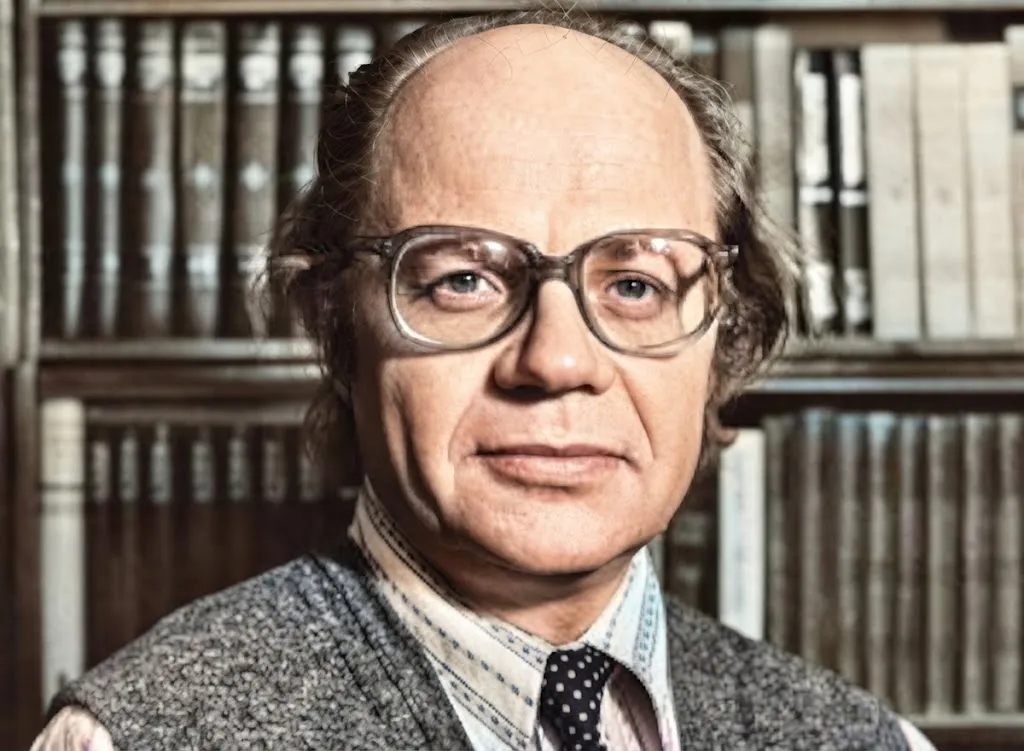
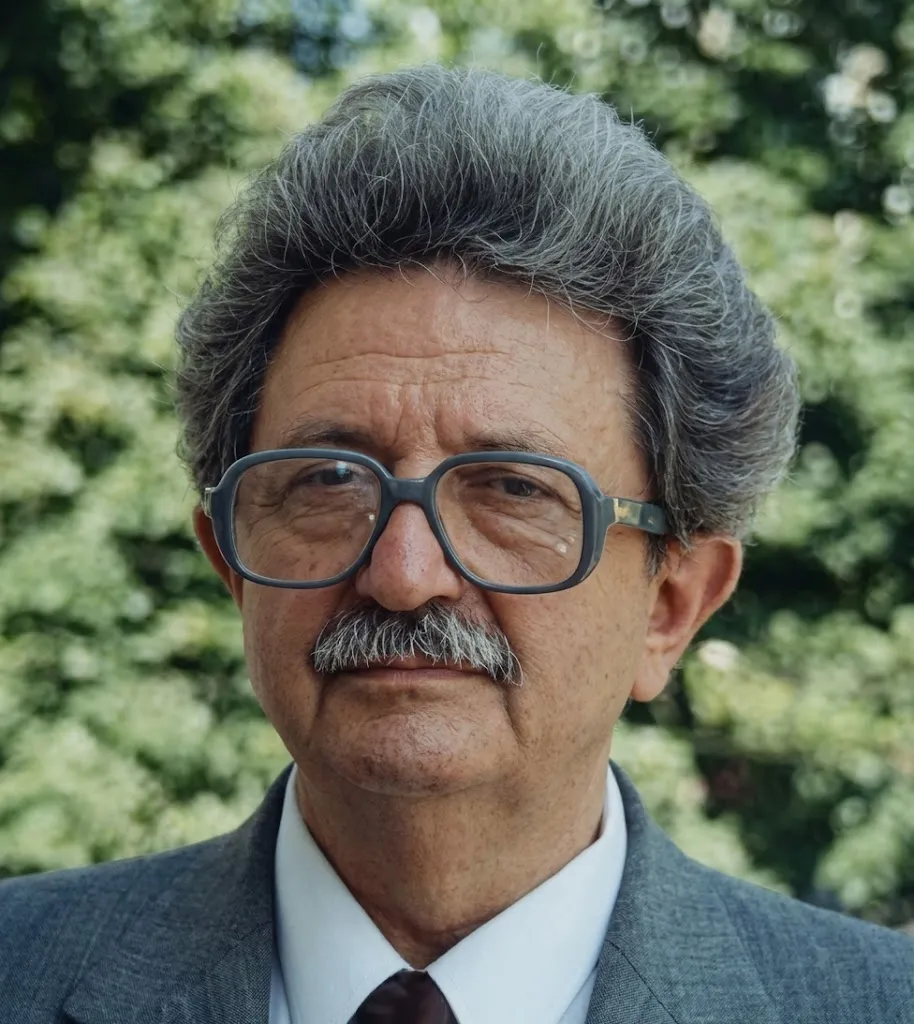
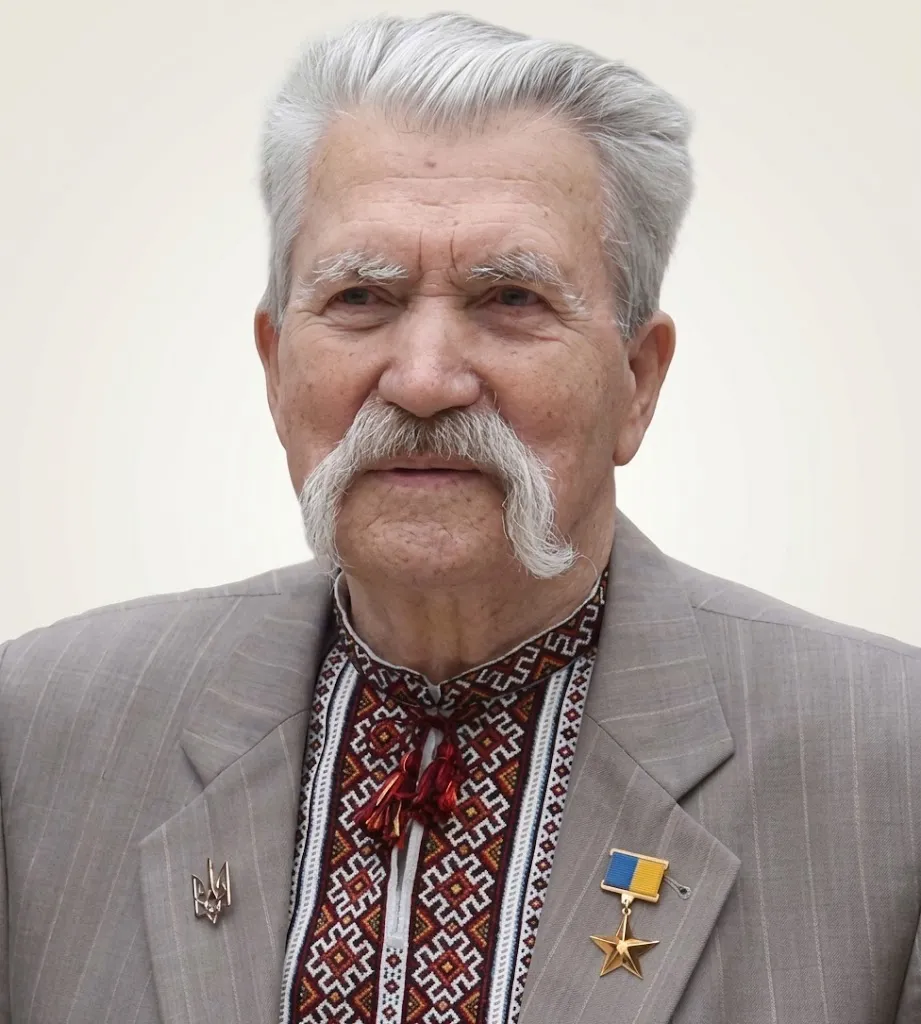
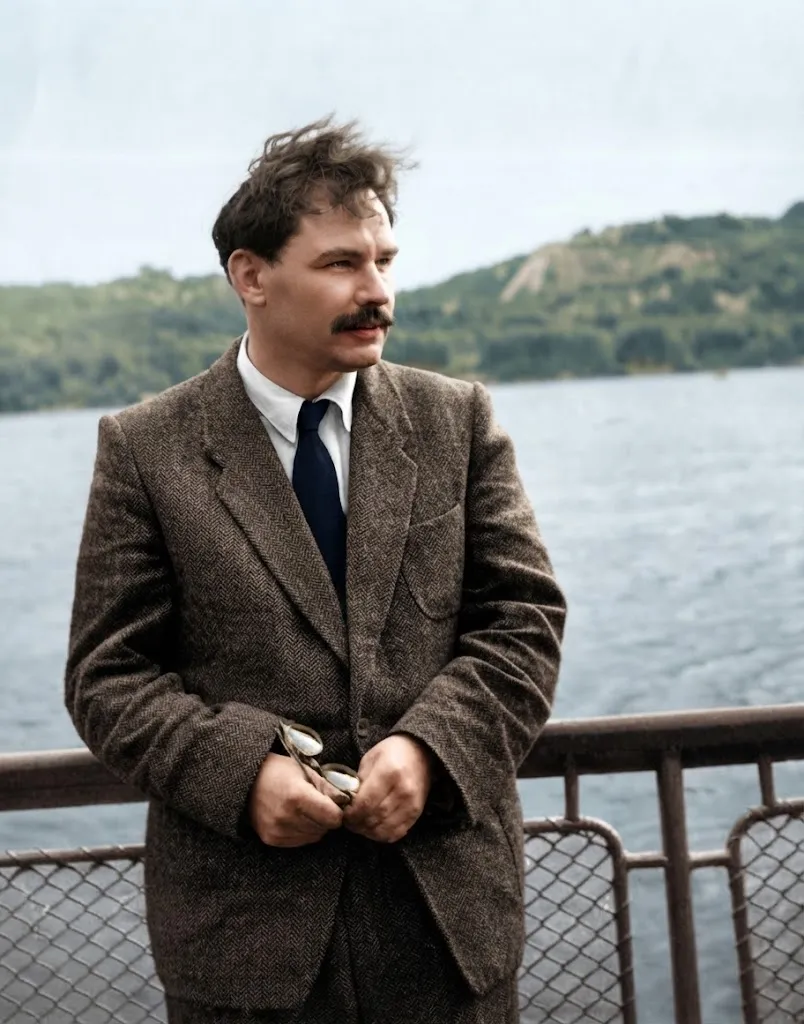
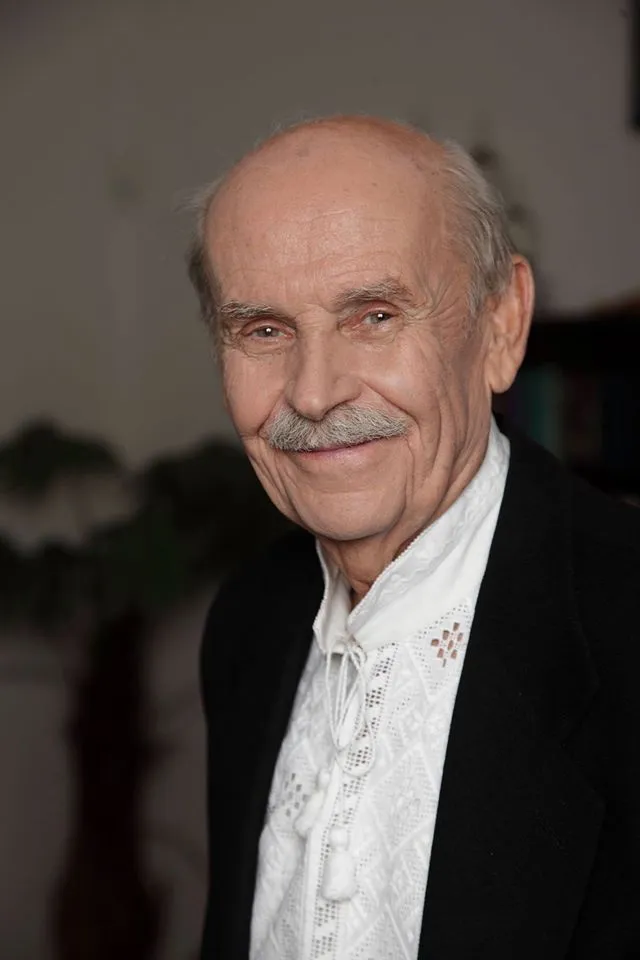
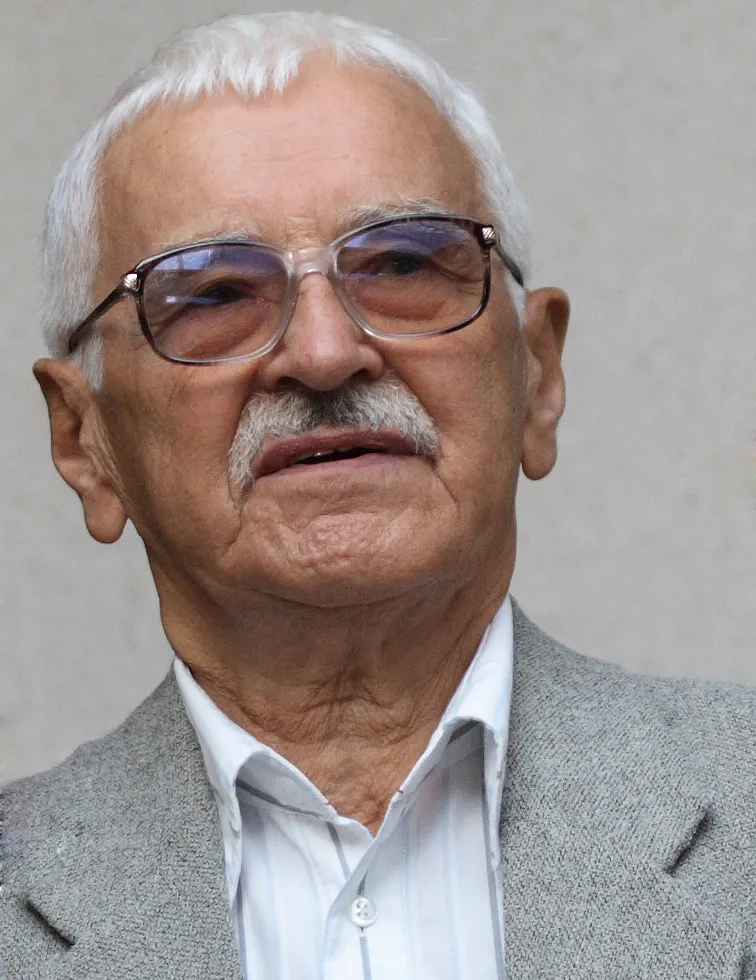
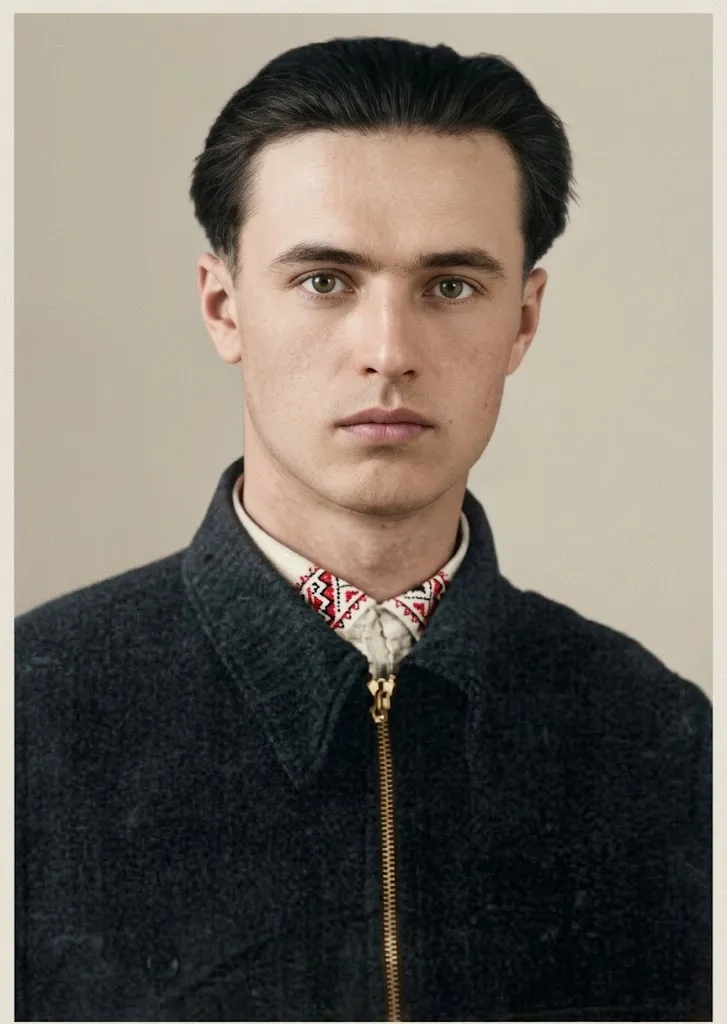
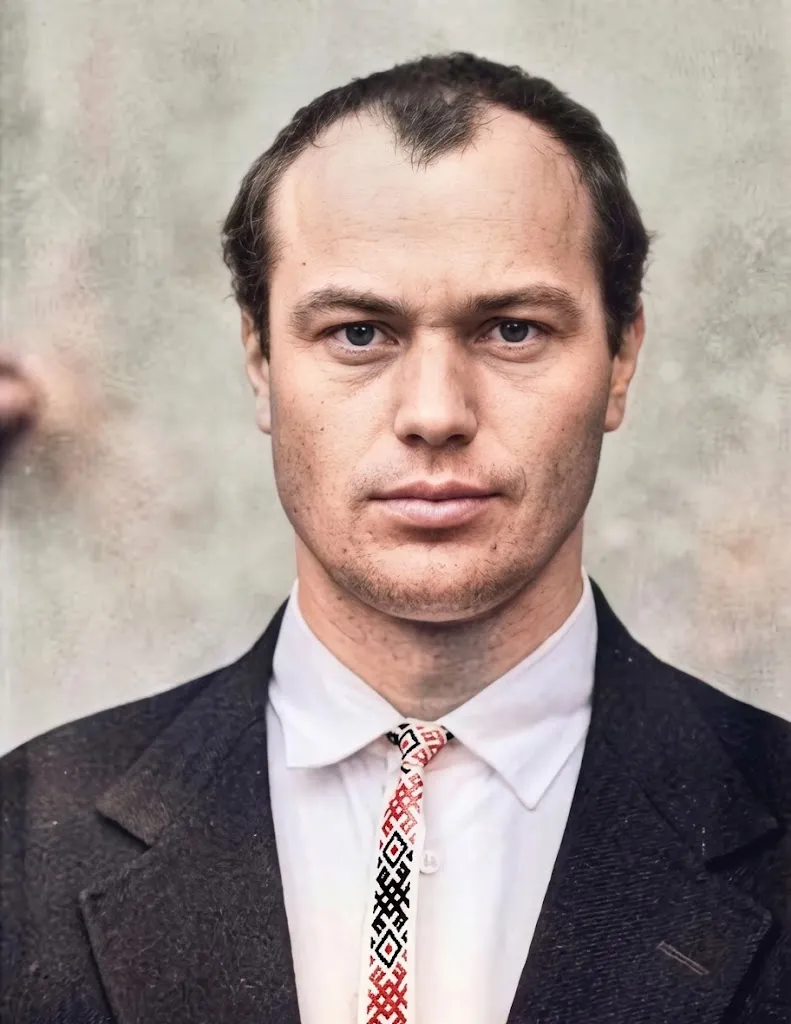
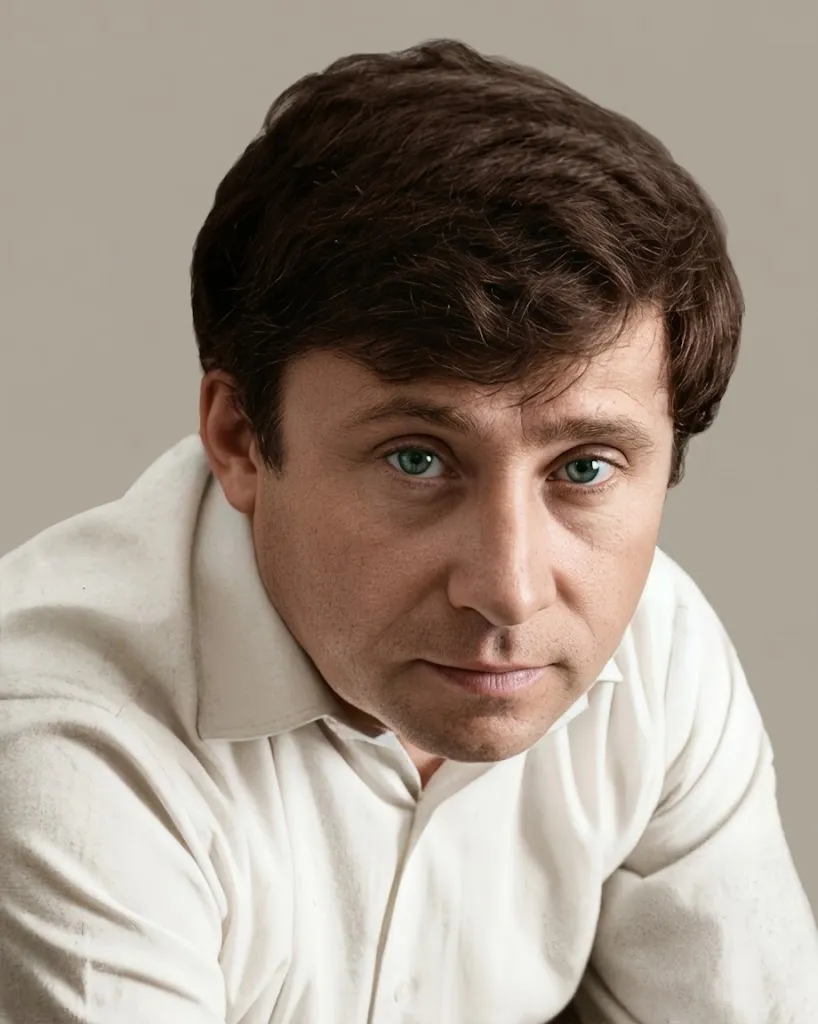
Dmytro Pavlychko
Poet who wrote the words of Two Colours
“You’ve written a Banderite song!” So the KGB greeted Two Colours. Its author, Dmytro Pavlychko, a poet of the Sixtiers, joined the UPA as a teenager, was jailed at 16, saw a whole print run of his book destroyed, and in 1991 became one of the authors of Ukraine’s Declaration of Independence.
Key accomplishments
- Lyrics of the songs Two Colours (1964, music by Oleksandr Bilash), The Sycamore and Its Mate and Mist Flows Down the Valley
- The collections The Truth Calls (1958, banned), Hranoslov (1968) and Penitential Psalms (1994); the translated anthology World Sonnet (1983)
- Screenplays for the films The Dream and Zakhar Berkut; a part in the first complete Shakespeare in Ukrainian, and his own Coriolanus
- Editor-in-chief of the journal Vsesvit (1971–1978)
- First head of the Shevchenko Ukrainian Language Society; a co-founder of the People’s Movement of Ukraine (Rukh)
- One of the authors of the Declaration of State Sovereignty of Ukraine (1990) and the Declaration of Independence of Ukraine (1991)
- Ukraine’s ambassador to Slovakia (1995–1998) and Poland (1999–2002); Hero of Ukraine (2004)
The scarf that started a song
Did you know that Two Colours began with a woman’s scarf? As the daughter of the composer Oleksandr Bilash tells it, in 1964 he and Pavlychko were sitting through a dull Komsomol congress when they spotted a woman wearing a scarf with red roses on a black ground. The two slipped away to Vorzel, outside Kyiv, and wrote the song in about half an hour.
Soon the poet was summoned by the KGB: “You’ve written a Banderite song!” He replied that the flag of the Paris Commune was red and black too, then rushed home to an encyclopedia to check. He was right, and the song’s authors were left alone. A quarter of a century later Kvitka Cisyk recorded it, and Pavlychko said it was probably the only time he had cried listening to a song with his own words.
The rifle his commander took away
Pavlychko was born in 1929 in the village of Stopchativ, near Kosiv. In 1944 the Gestapo shot his elder brother Petro, a member of the OUN. In the spring of 1945 Dmytro put on his brother’s Cossack-style cap and joined the Ukrainian Insurgent Army, in the company led by “Spartan”.
In June the commander ordered the youngest to hand in their weapons and go home. Pavlychko held on to his rifle, so the commander tore it from his hands: “Join the Komsomol, but don’t forget where you’ve been.” That autumn the 16-year-old was arrested anyway, for belonging to a “children’s company of the UPA” that never existed. He was released in 1946.
The sonnet a classic was afraid of
Maksym Rylskyi advised him to leave a sonnet about “bloody Torquemada”, the medieval inquisitor, out of his collection The Truth Calls. Pavlychko didn’t listen. Readers saw in it a hint at Stalin’s death, and in 1958 the whole print run of 18,000 copies was destroyed. Later, as Pavlychko recalled, Rylskyi thanked him for printing all the sonnets.
The Godfather in a KGB file
In 1971 Pavlychko became editor of Vsesvit in Kyiv, a journal of world literature in Ukrainian. By his account, it printed translations by banned writers and paid their fees under other names. A 1976 KGB report on him listed, among the evidence against him, Márquez and Puzo’s The Godfather published in Vsesvit. At Ivan Svitlychnyi’s request he hired a friend of his. In 1978, under pressure from the Party leadership, he had to leave. Later the poet took part in the first complete Shakespeare in Ukrainian, in six volumes, and translated Coriolanus himself.
Why not just “Ukraine”?
As Pavlychko told it, the People’s Movement of Ukraine began in the late 1980s when he and Ivan Drach asked Mykhailo Horyn, just out of prison, to join them. In 1990 Pavlychko left the Communist Party and became one of the authors of the Declaration of State Sovereignty. The Declaration of Independence was written by Levko Lukianenko, but its first sentence, Pavlychko said, was his.
On 24 August 1991, during a break, a few people argued over what to call the new state: “Democratic Republic of Ukraine”? “Republic of Ukraine”? According to Bohdan Hawrylyshyn, Pavlychko burst out: “Why not just Ukraine?” Everyone agreed in under half a minute.
Dmytro Pavlychko died on 29 January 2023. As he had asked, he was buried in his native Stopchativ.
Debates and assessments
Pavlychko was a member of the Communist Party from 1954 to 1990. He also wrote poems on ideologically approved themes, among them “I Am a Communist” (1970), and in 1977 his selected poems, Love and Hatred, won the Shevchenko Prize. Some commentators believe he managed to get along with the Soviet system and tried to prove his loyalty to it. Others call him one of the founding fathers of independent Ukraine. Pavlychko himself said that in the Party he always kept his goal in mind, a free Ukraine, and urged readers to treat Soviet-era literature as written in captivity.
Why it matters today
Dmytro Pavlychko gave Ukraine Two Colours, a song everyone knew and no one managed to ban. As editor of Vsesvit he opened the door to world literature for Ukrainian readers, even when that was dangerous. And when the moment came, the poet helped bring Rukh together and write the documents that began an independent state. His path shows that a word spoken at the right time can change a country’s fate.