1920–2016
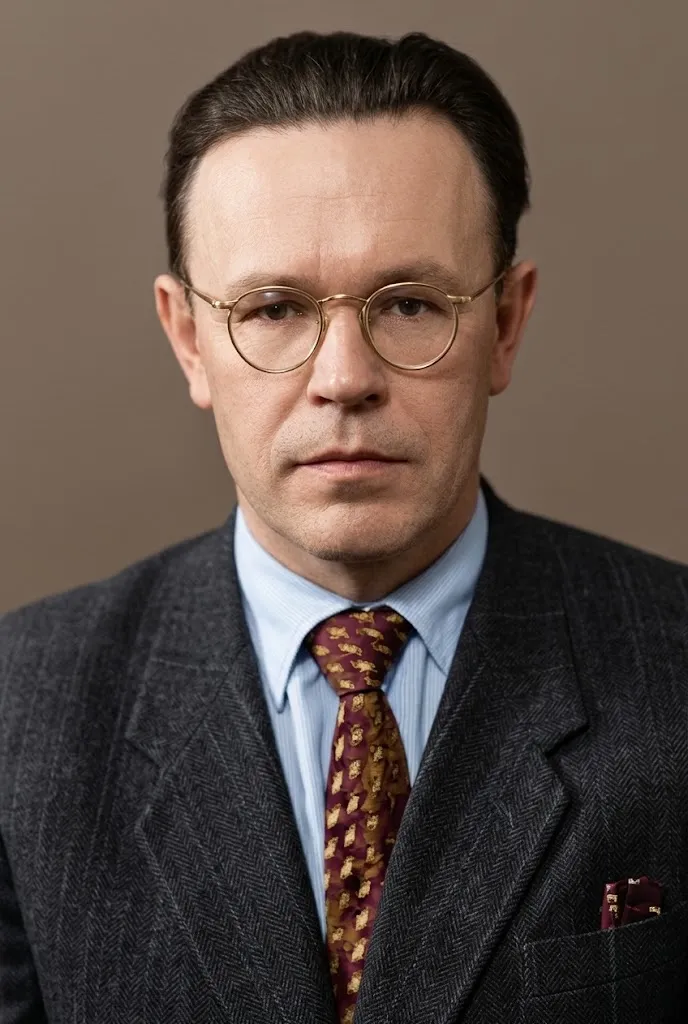
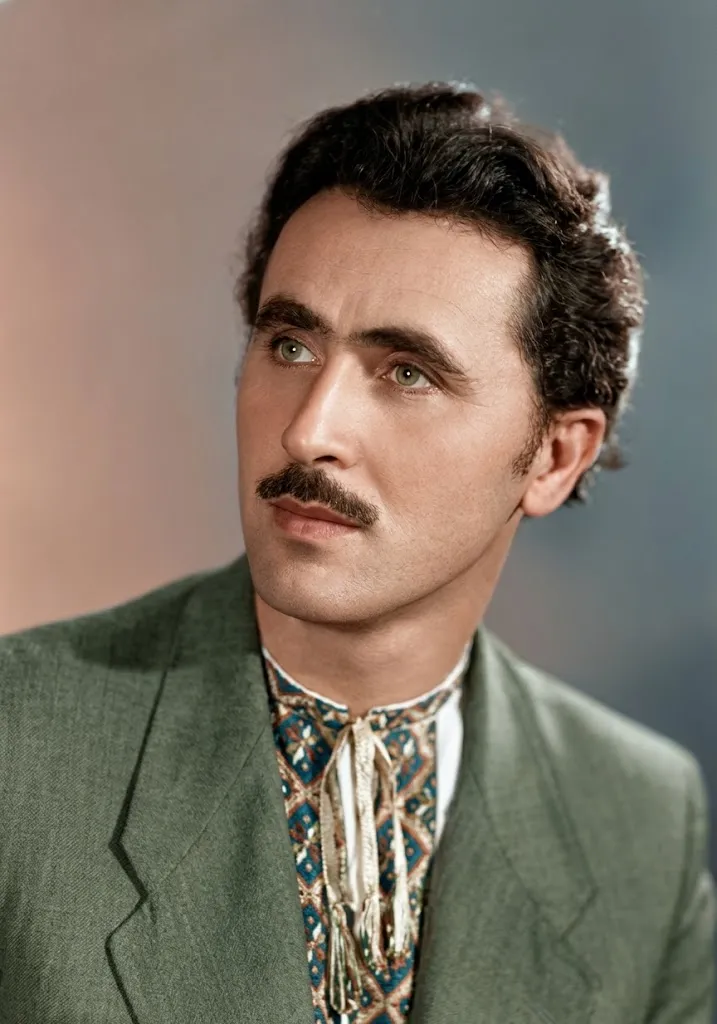
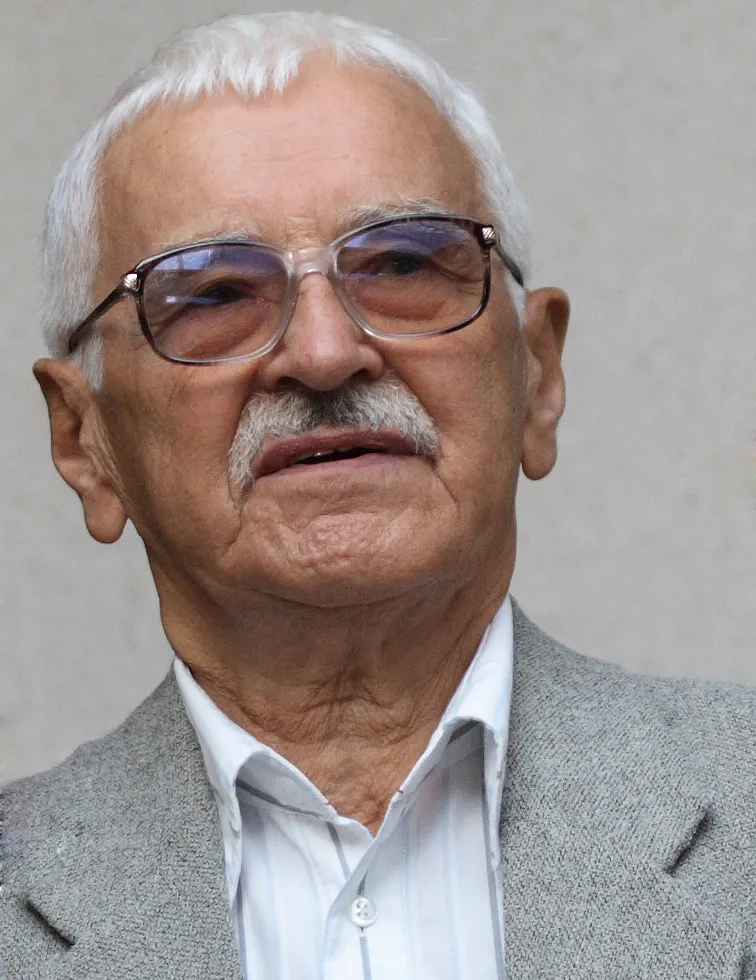
Sviatoslav Karavanskyi
Linguist, 31 years a prisoner
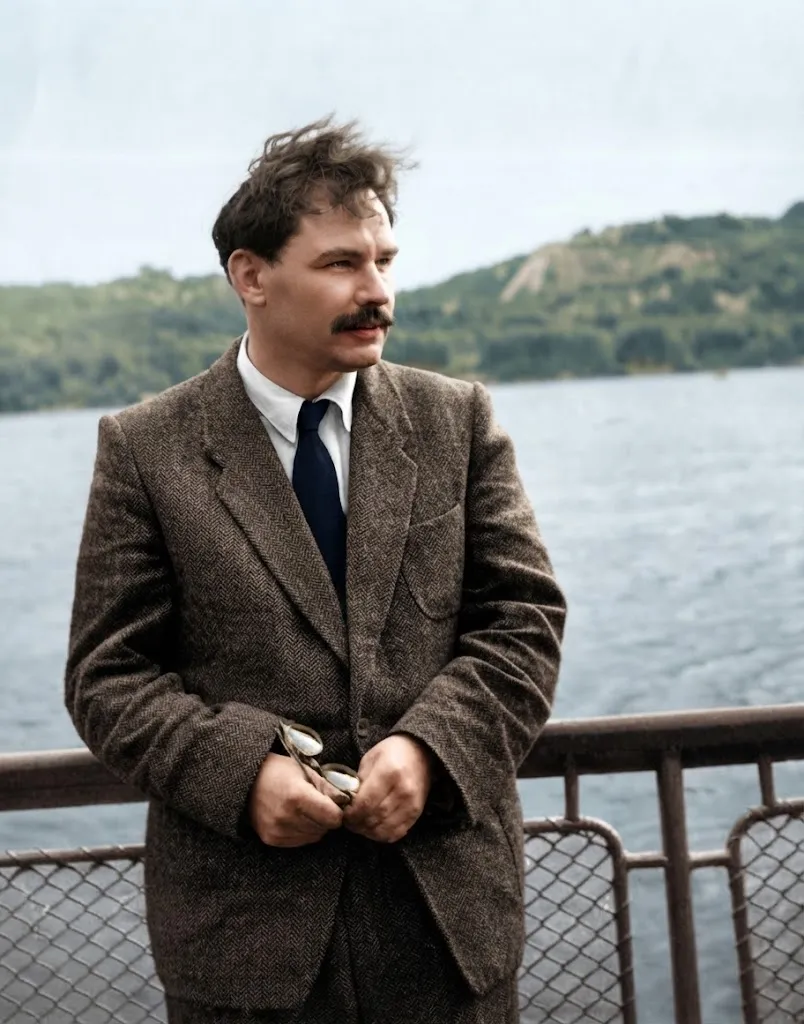
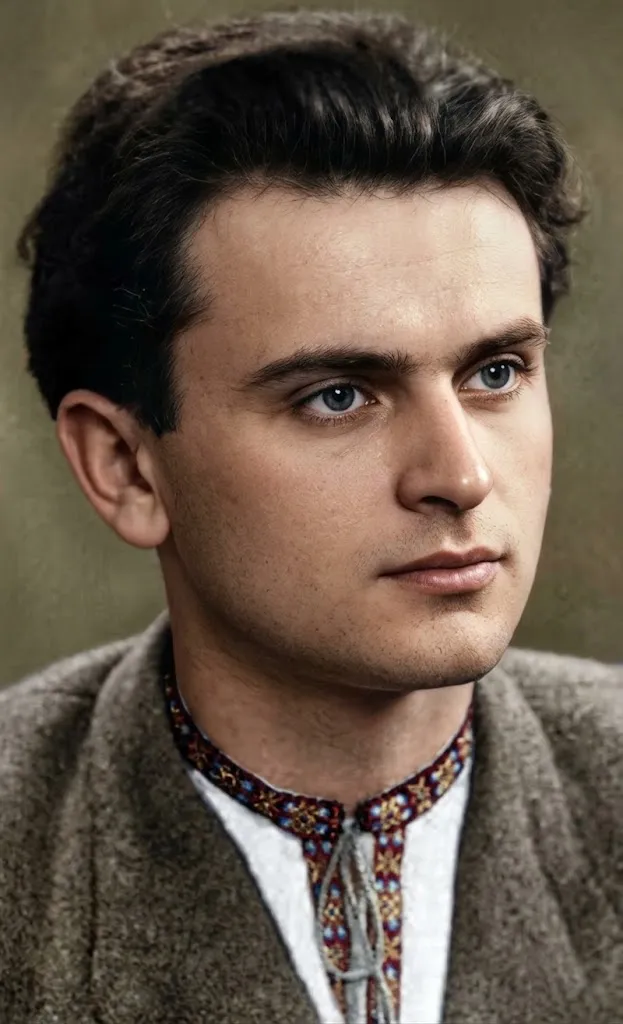
He started a dictionary of Ukrainian rhymes in a Soviet labour camp. Sviatoslav Karavanskyi of Odesa spent 31 years in camps and prisons: first for the Ukrainian underground, then after writing against Russification. In the US he compiled dictionaries that help people find the right Ukrainian word.
Key accomplishments
- Dictionary of Ukrainian Rhymes: about 60,000 rhyming pairs; begun in a camp in 1954, published in 2004
- Practical Dictionary of Ukrainian Synonyms, reprinted many times
- Secrets of the Ukrainian Language (1994) and a Russian-Ukrainian Dictionary of Difficult Vocabulary (1998)
- Appeals and articles against the Russification of schools (1964–1965); texts for samvydav, the uncensored press
- Member of the Ukrainian Helsinki Group (from 1979)
- Translations of Shakespeare, Kipling and Burns, and of Charlotte Brontë’s Jane Eyre
A dictionary made behind barbed wire
Imagine a dictionary of about a thousand pages, holding some 60,000 rhyming pairs of Ukrainian words. Sviatoslav Karavanskyi began it in 1954 in a Soviet labour camp and finished it after his release. He made up every one of those rhymes himself rather than copying them from other poets. His Dictionary of Ukrainian Rhymes came out only in 2004, half a century later.
The Odesa boy who chose Ukrainian
Sviatoslav Karavanskyi was born on 24 December 1920 in Odesa, into a family of Ukrainian intelligentsia who had left turbulent Kyiv. He himself counted russian as his native language, but from childhood he heard Ukrainian proverbs, songs and jokes, mostly from his mother. In 1938 he entered the Odesa Industrial Institute, and in 1940 he joined the army. In the summer of 1941 his unit was surrounded, and in spring 1942 he made it back to Odesa, then under Romanian occupation, and enrolled in the university’s literature faculty. There he grew close to young Ukrainians in the underground Organization of Ukrainian Nationalists (OUN), joined it in 1943 and ran a Ukrainian bookshop called Osnova.
25 years for refusing to inform
Karavanskyi was arrested in 1944. He was offered his freedom in exchange for reporting on what students were thinking, and he refused. On 7 February 1945 a military tribunal sentenced him to 25 years in the camps. He built a railway across the Pechora River, felled trees and worked in the gold mines of Kolyma. After Stalin died, he wrote poems and fairy tales in the camp, and translated Shakespeare, Kipling and Burns.
Back behind bars
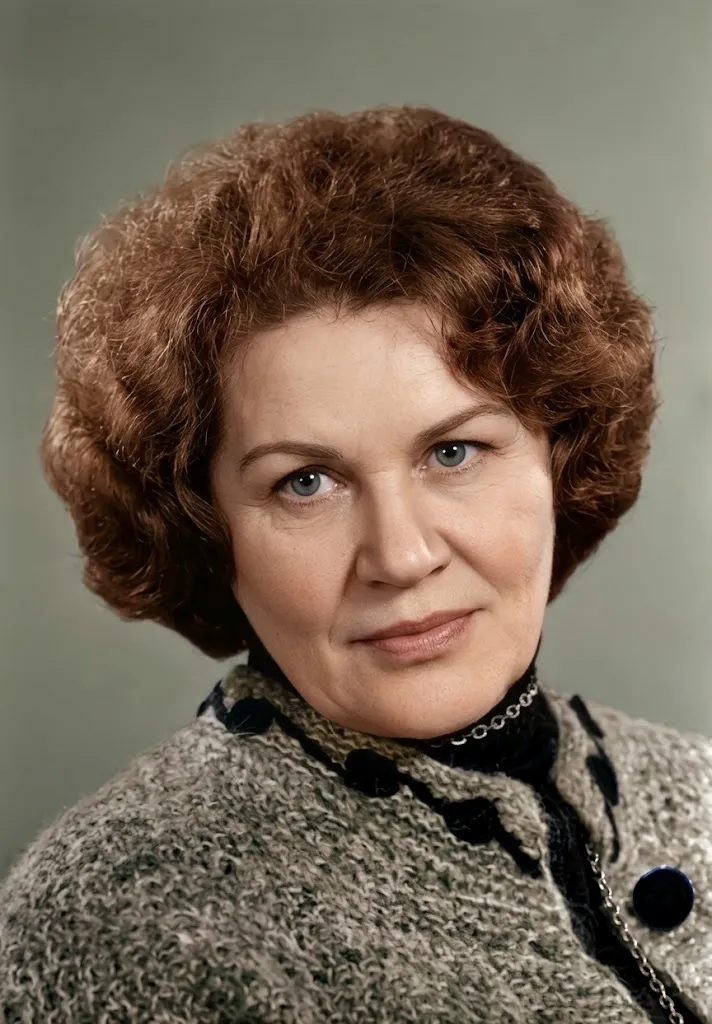
In 1960, under an amnesty of 1955, his sentence was cut in half, and on 19 December 1960 Karavanskyi walked free. In 1961 he married Nina Strokata. He worked as a translator and journalist, translated Jane Eyre and collected Ukrainian books for the Ukrainians of the Kuban. In 1964 he demanded that the education minister be held to account for university entrance exams in russian, and in 1965 he wrote the article “On One Political Mistake” against the Russification of schools. On 13 November 1965 he was arrested again and sent back to the camps without trial to serve the rest of his old sentence. He went on hunger strike several times; in 1967 he was moved to Vladimir Prison. There he wrote down the accounts of fellow prisoners who had taken part in or witnessed the shooting of Polish officers at Katyn, and wrote an article about it that was smuggled out. In 1970 he was given a new sentence. In February 1979, still a prisoner, he announced that he was joining the Ukrainian Helsinki Group.
Dictionaries from across the ocean
On 30 November 1979 Karavanskyi and his wife, herself a former political prisoner, were stripped of Soviet citizenship and left for the United States. There he wrote about the Ukrainian language and compiled the Practical Dictionary of Ukrainian Synonyms, Secrets of the Ukrainian Language and a Russian-Ukrainian Dictionary of Difficult Vocabulary, all later reprinted many times. He compiled the dictionary of synonyms on his own, while an academic dictionary of synonyms that came out at about the same time took a team of about ten scholars. In 2001 he criticised the language of Ukraine’s Constitution, calling its flaws the result of the Ukrainian language having been “bled dry” in Soviet times. Sviatoslav Karavanskyi died on 17 December 2016 in Baltimore.
Why it matters today
Sviatoslav Karavanskyi did not grow up with Ukrainian as his first language: he chose it, and paid for that choice with 31 years behind bars. Even behind barbed wire he worked for the language, collecting rhymes and translating, and once out of the camp he spoke openly against the Russification of schools. His dictionaries help people find the exact Ukrainian word instead of a borrowed russian pattern. His life shows that a language is defended not by slogans but by daily work, and that anyone can choose it.