1908–1934
Oleksa Vlyzko
Futurist poet
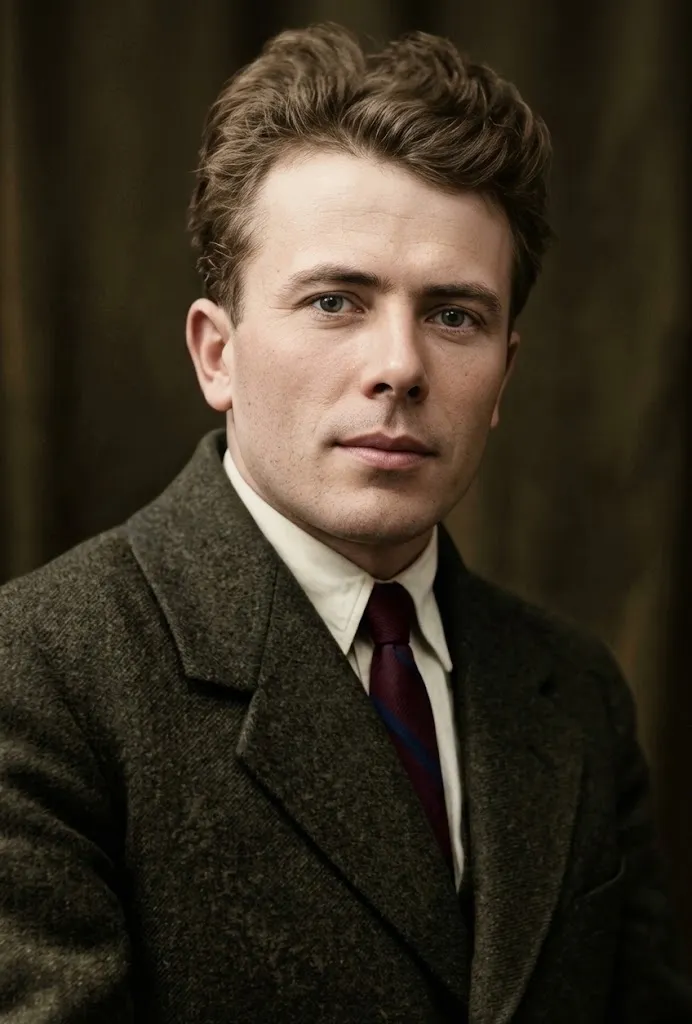
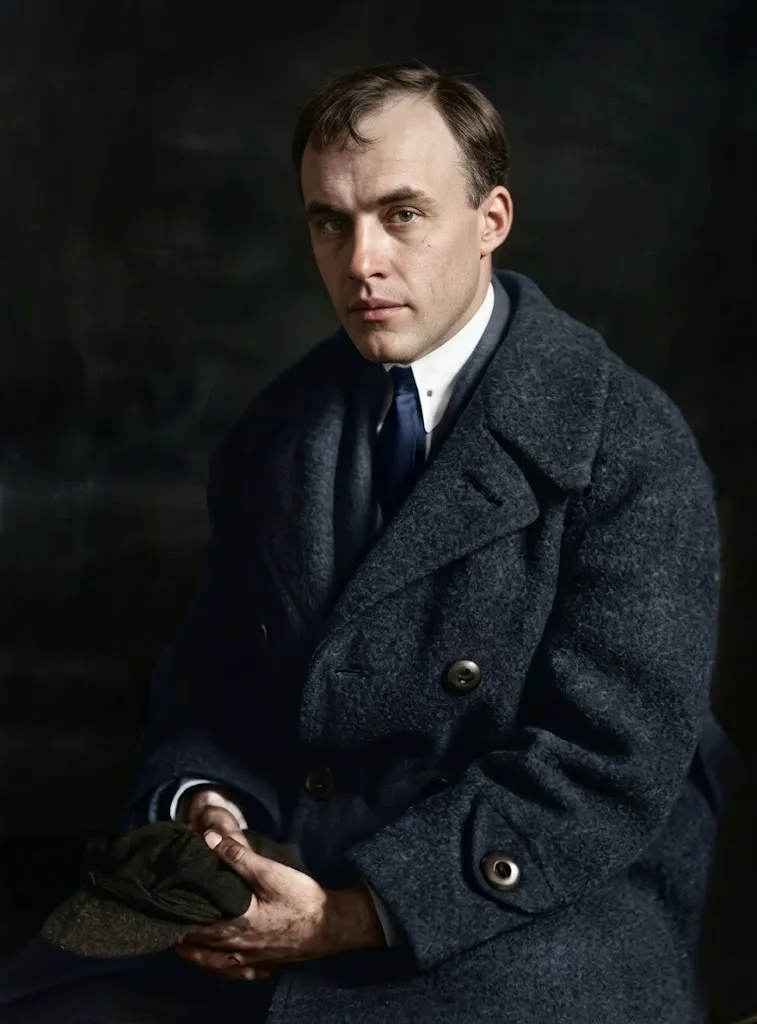
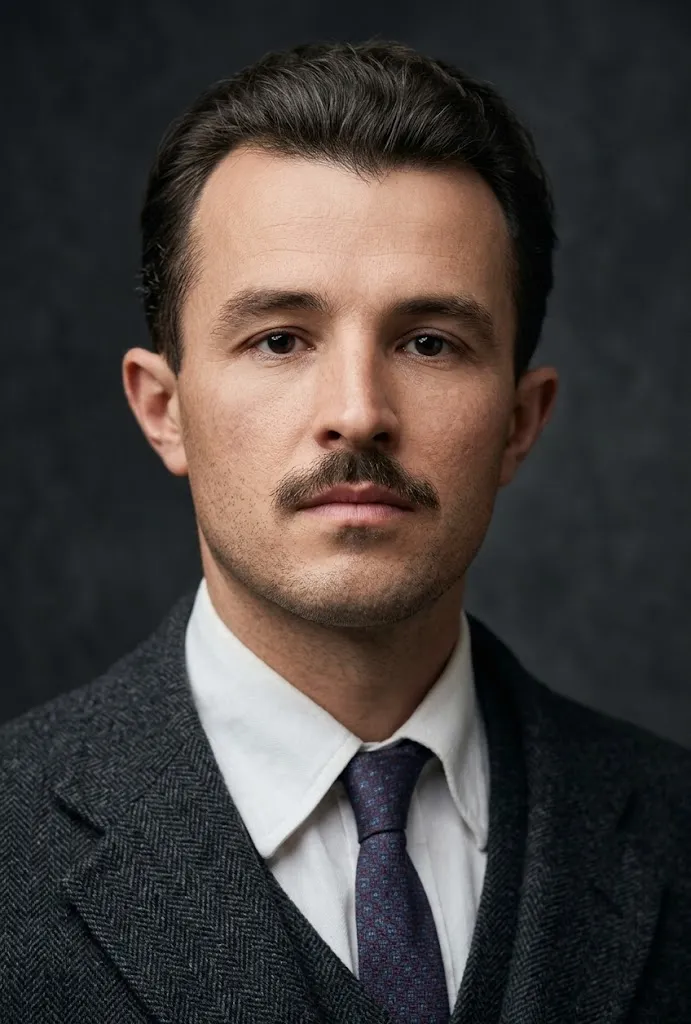
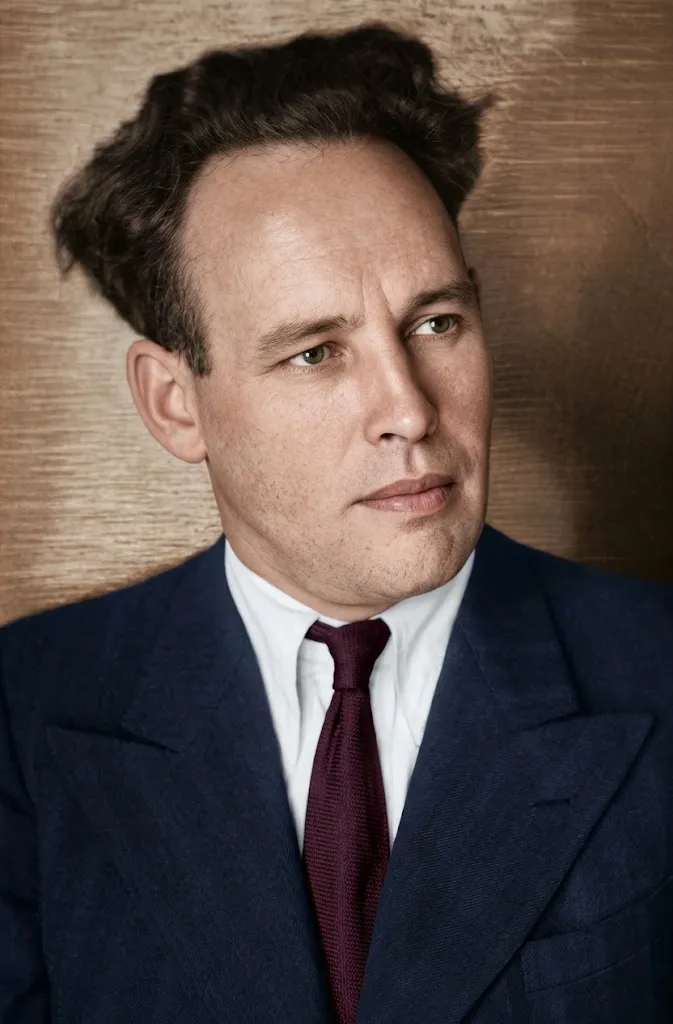
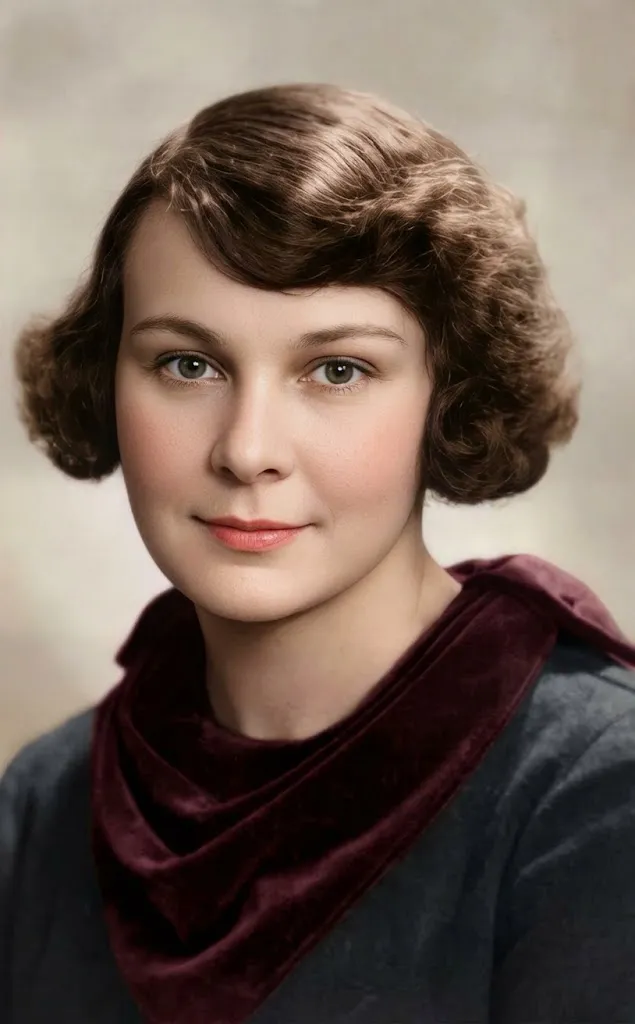
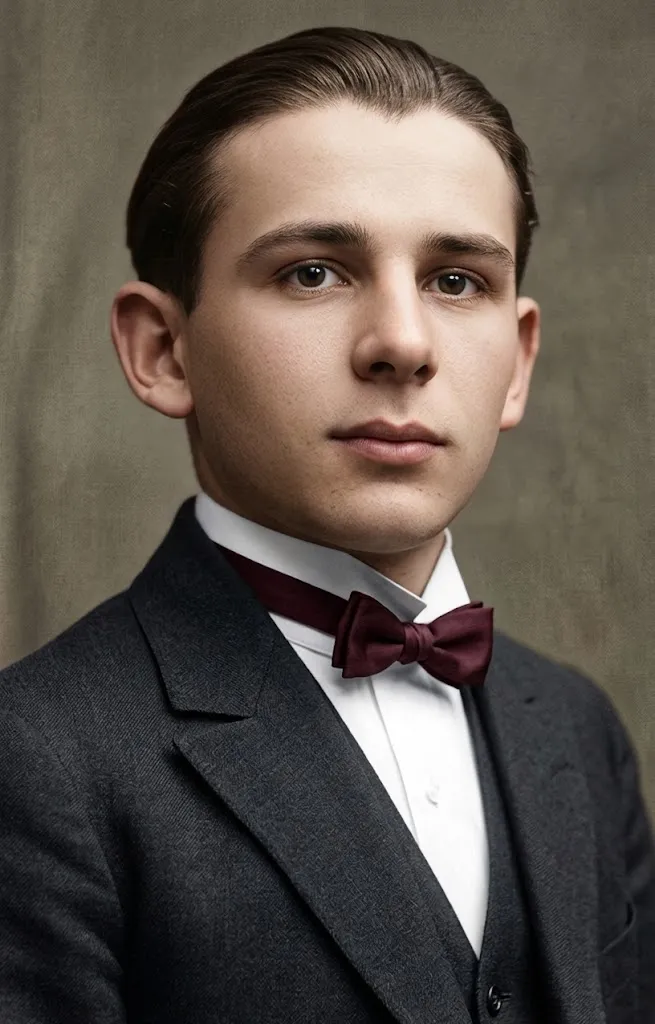
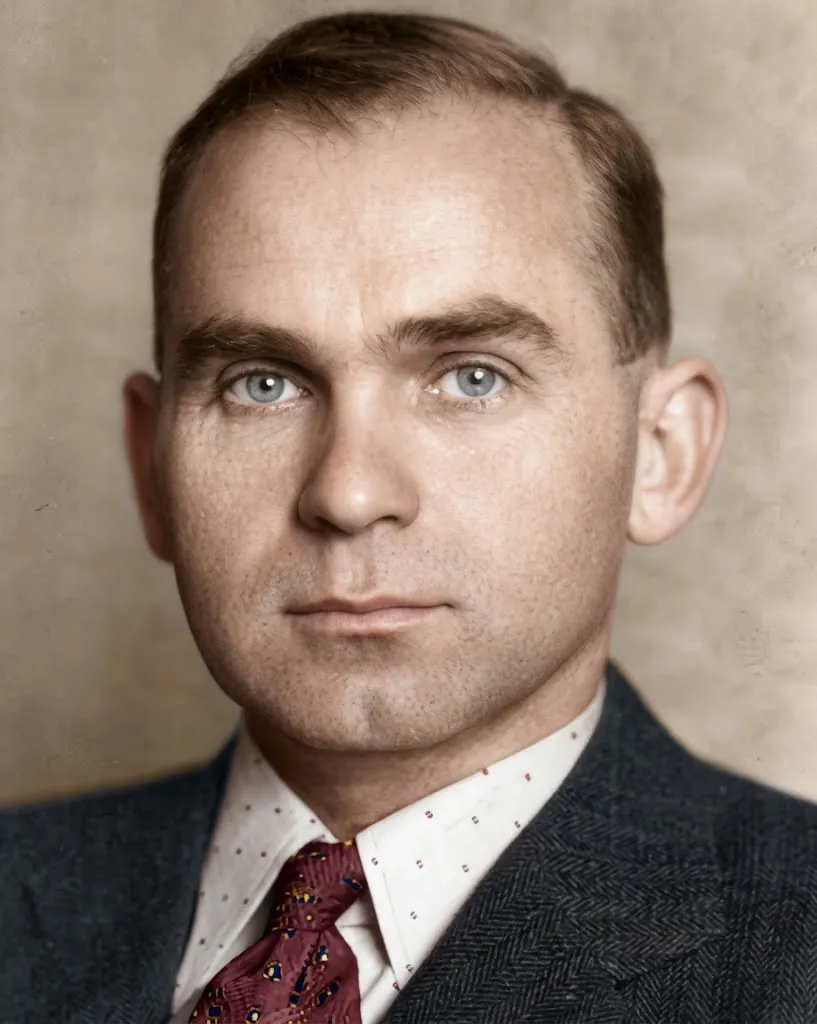
How do you write poetry when you can’t hear a sound? Oleksa Vlyzko lost his hearing as a teenager, and at 19 he won a prize for his first book. A Futurist in love with the sea and travel, he wrote about the joy of being alive. He was shot in Kyiv in December 1934.
Key accomplishments
- His first published poem, “Heart to the North” (the magazine Hlobus, 1925)
- The collections I’ll Speak for Everyone (1927), I Live, I Work! (1930) and A Book of Ballads (1930)
- A People’s Commissariat of Education prize for his first collection
- Wrote for the magazine Molodniak and the Futurist Nova Generatsiia
The poet who couldn’t hear
Imagine a poet who can’t hear music, or the sound of the sea, or his own voice. That was Oleksa Vlyzko. He was born in 1908 at Borovenka station in russia’s Novgorod province, where his father served as a church deacon. In 1917 the family moved to his grandfather’s home village of Syhnaivka in the Zvenyhorodka area (now Cherkasy region). There, as a teenager, he lost his hearing: sources give either an illness or the day he and his brothers ended up in icy water. From then on books were his main window on the world.
Young and already brilliant
With his mother, Oleksa moved to Kyiv and enrolled at the Kyiv Institute of People’s Education. In 1925 the magazine Hlobus printed his first poem, “Heart to the North”. Two years later his collection I’ll Speak for Everyone came out, and its 19-year-old author won a prize for it. People who knew him remembered him as “deaf, but terribly talkative”: he burst into the office of the magazine Molodniak like a meteor. He has been described as very young and already brilliant, so when Vlyzko went over to the Futurists and began writing for Nova Generatsiia, his old friends took it as a betrayal.
The sea, travel and strong people
Vlyzko’s poems are full of joy, of the sea as a force of nature and of daring people with strong characters. He went looking for adventure himself: in 1928 he travelled through Germany, and later through the Pamir mountains. Within a few years he published a string of collections, among them I Live, I Work! and A Book of Ballads (both 1930), and kept searching for new forms for Ukrainian poetry.
December 1934
On 1 December 1934 the Bolshevik leader Sergei Kirov was murdered in Leningrad, and the regime answered with a new wave of terror. Vlyzko was arrested with a large group of Ukrainian cultural figures, among them Hryhorii Kosynka, Dmytro Falkivskyi and Kost Burevii. They were accused of invented “terrorist” activity. A visiting session of a military court sentenced 28 people to death, and in December 1934 they were shot in Kyiv. Oleksa Vlyzko was 26. He was rehabilitated in 1958, and his Selected Poems came out in 1963.
Why it matters today
Oleksa Vlyzko proved that deafness doesn’t close the door to poetry: a boy who couldn’t hear a sound had won a prize for his first book by 19. He brought the sea, far-off roads and sheer delight in life into Ukrainian poetry. He was cut off at the very start, and with him Ukraine lost a whole body of poems that were never written. Anyone facing an obstacle of their own can remember Vlyzko: talent and stubbornness are stronger than circumstance.