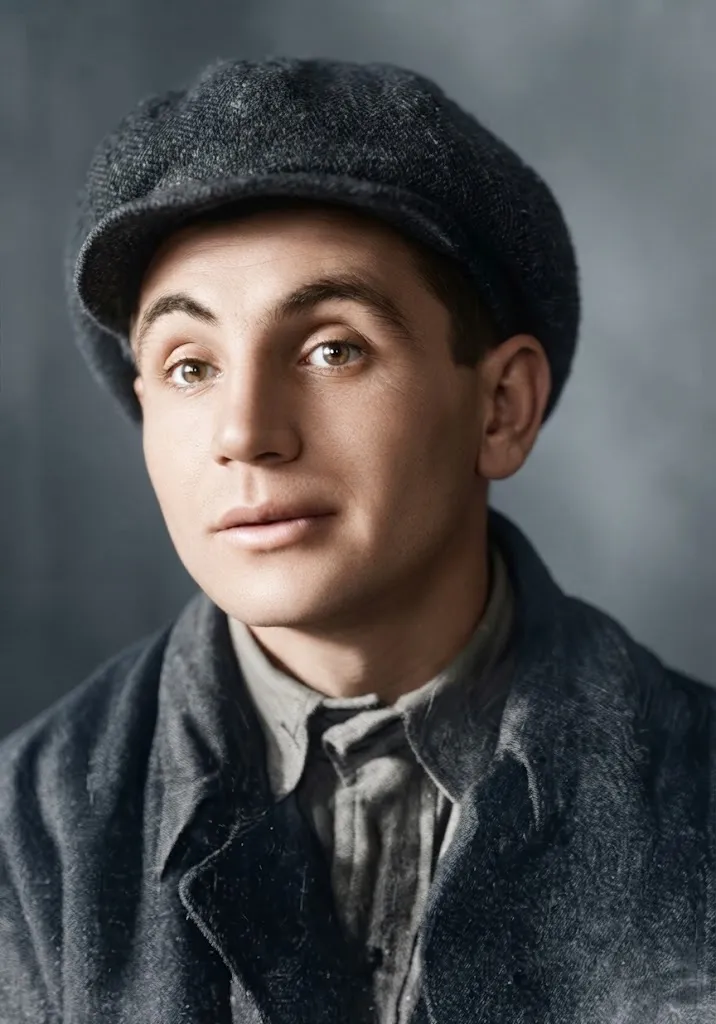
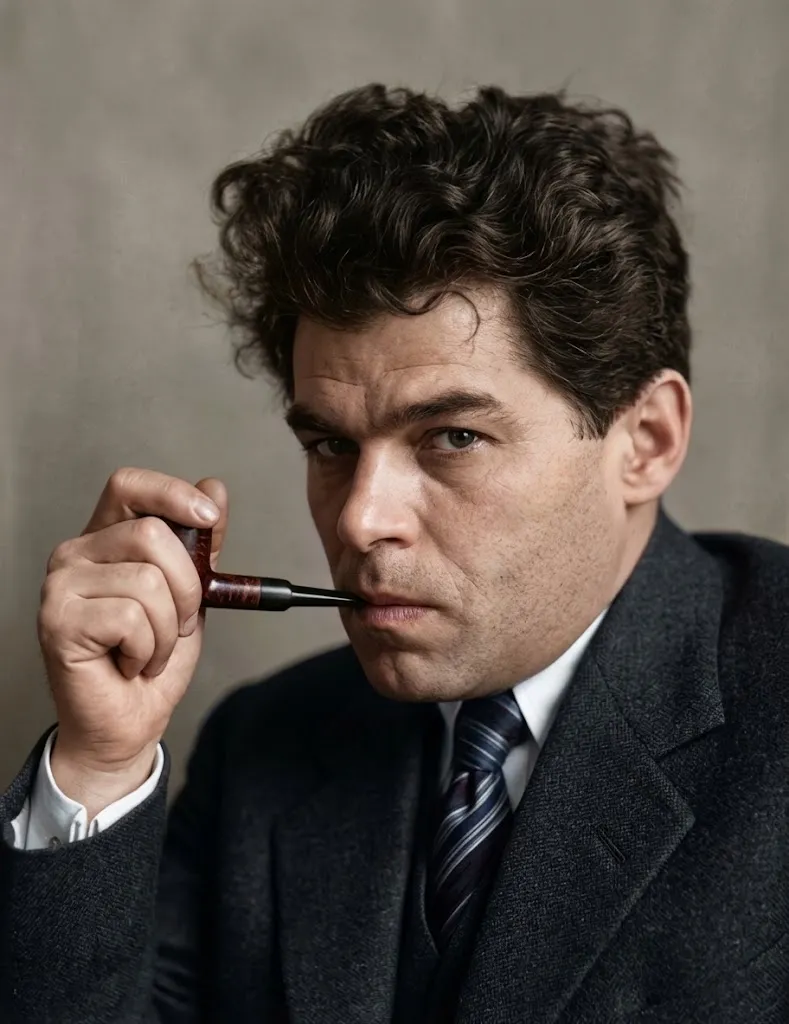
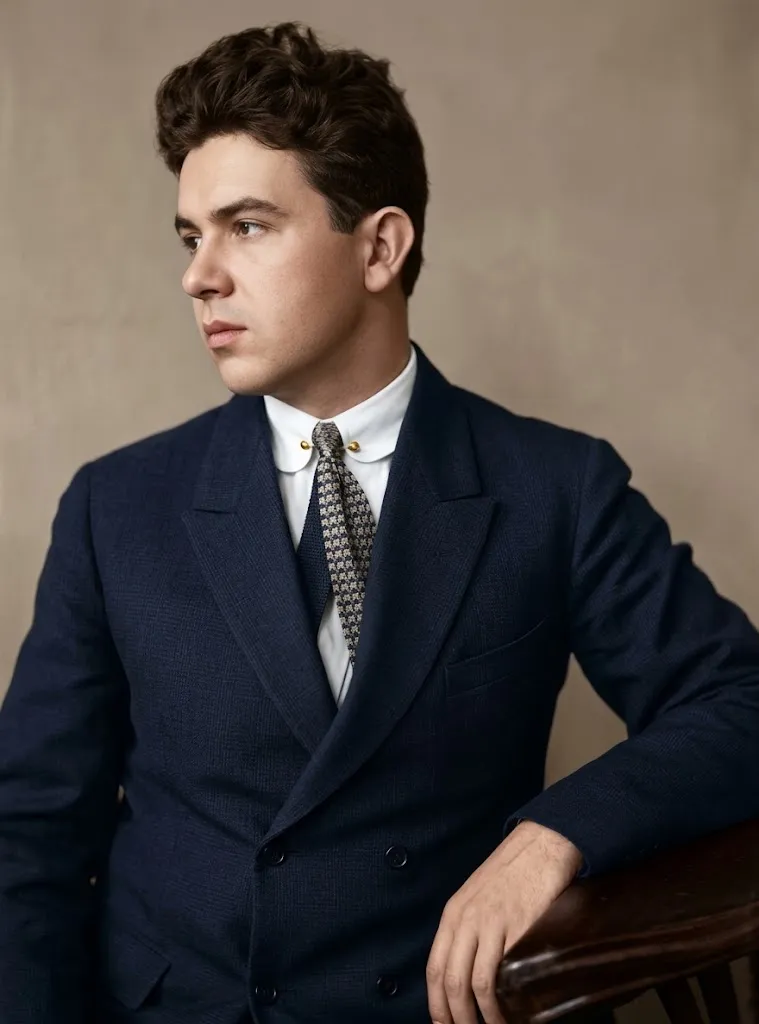
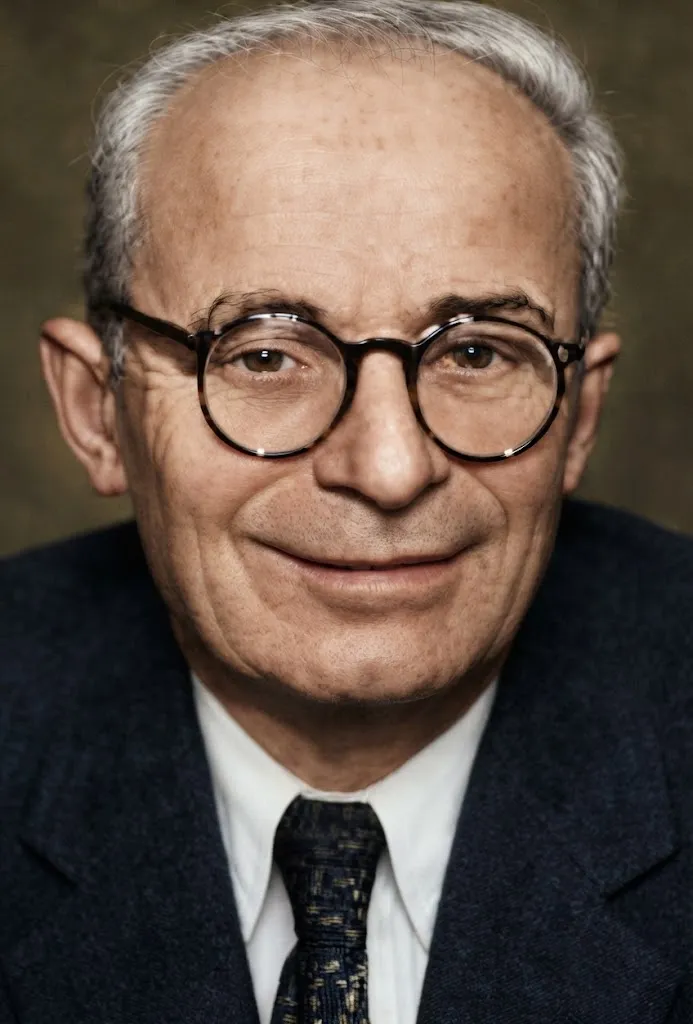
c. 1890–1937
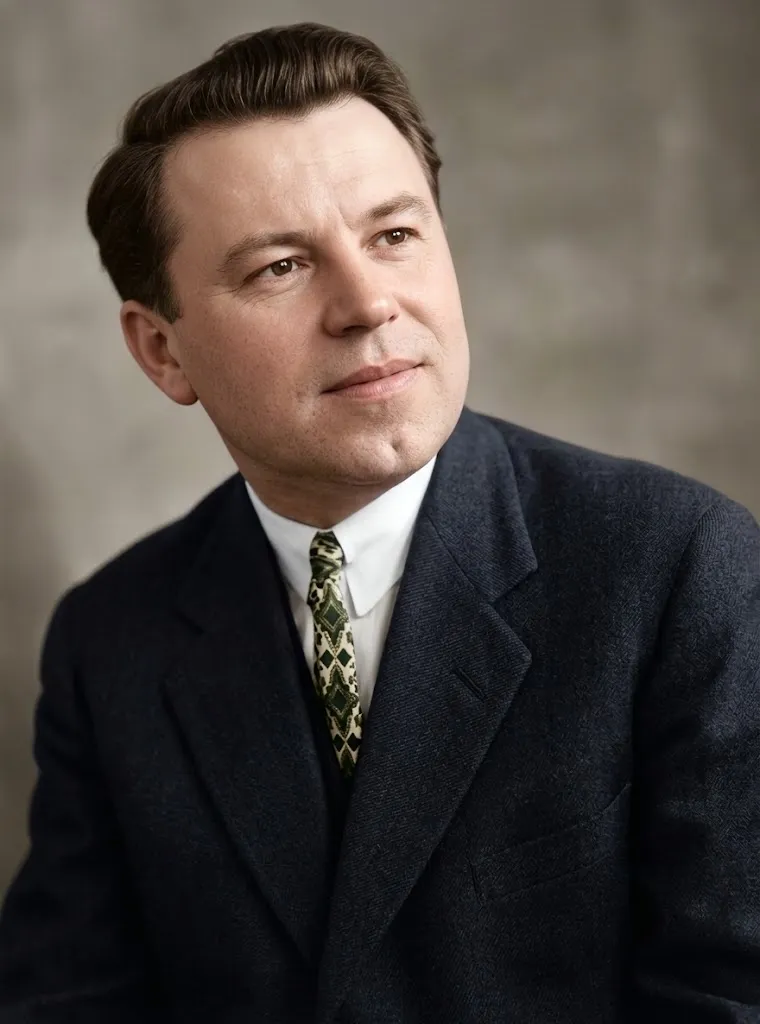
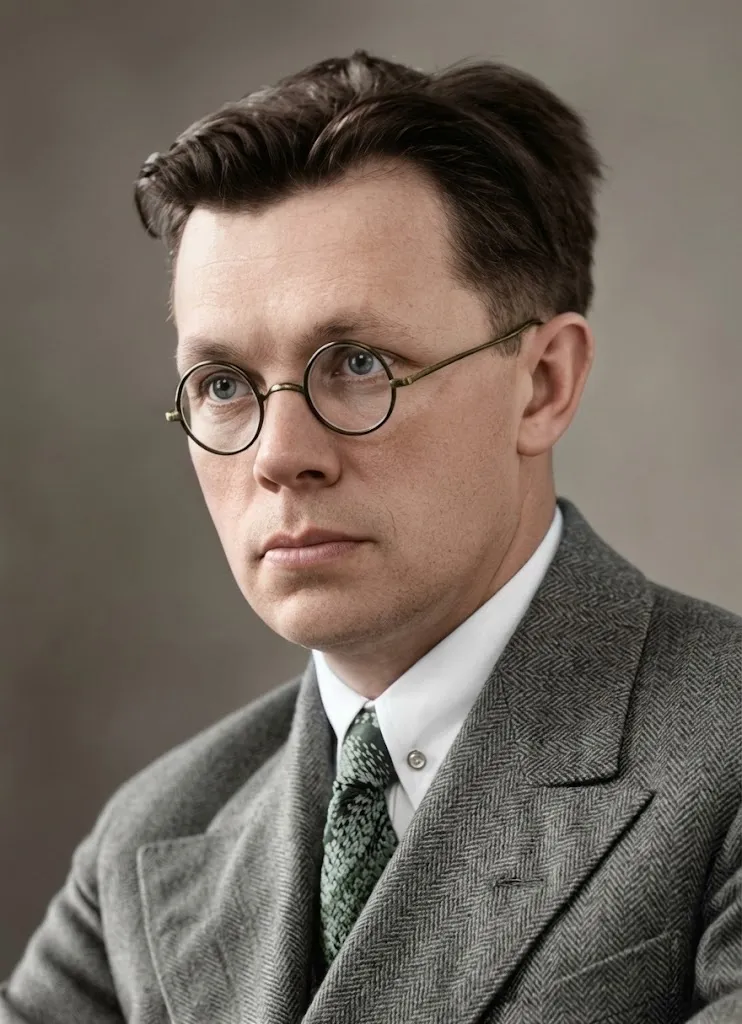
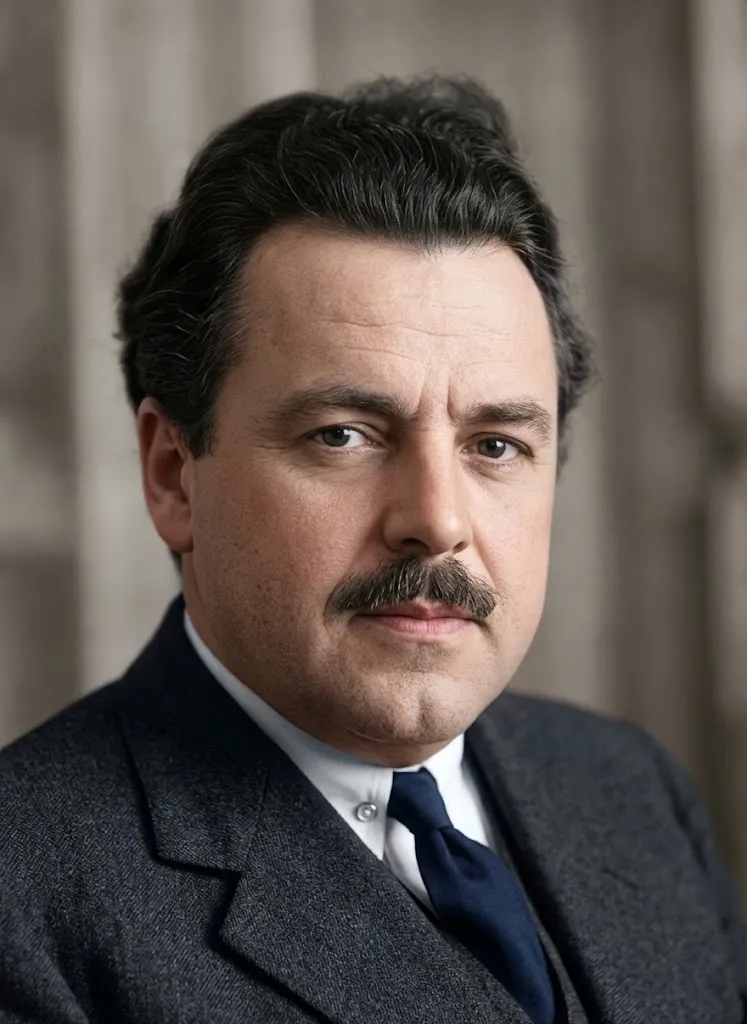
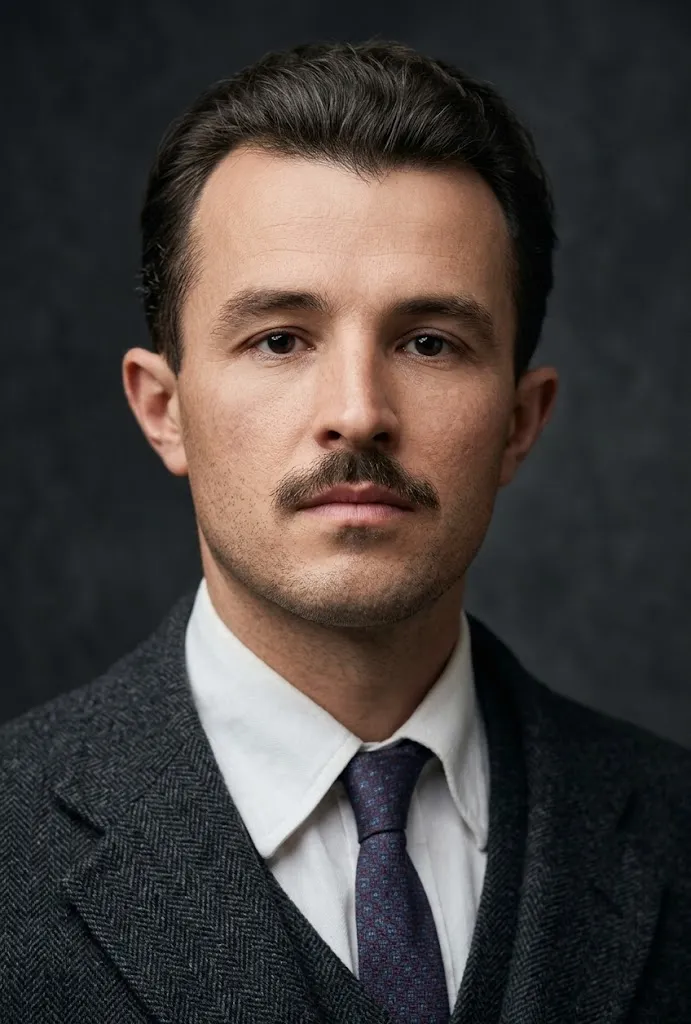
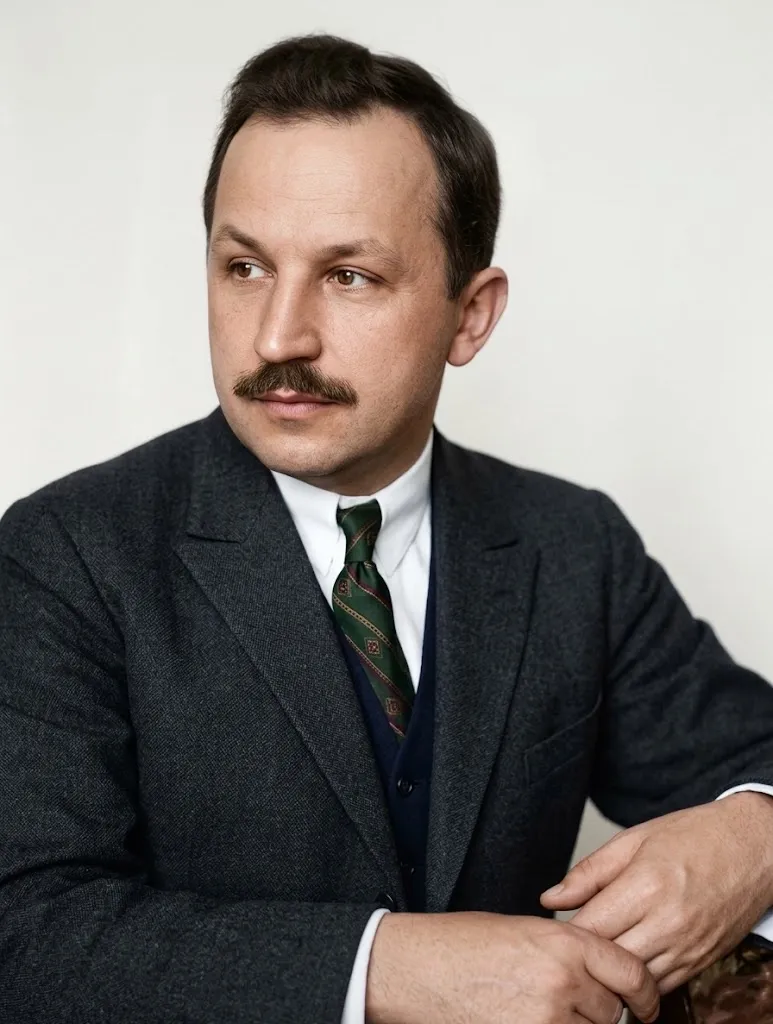
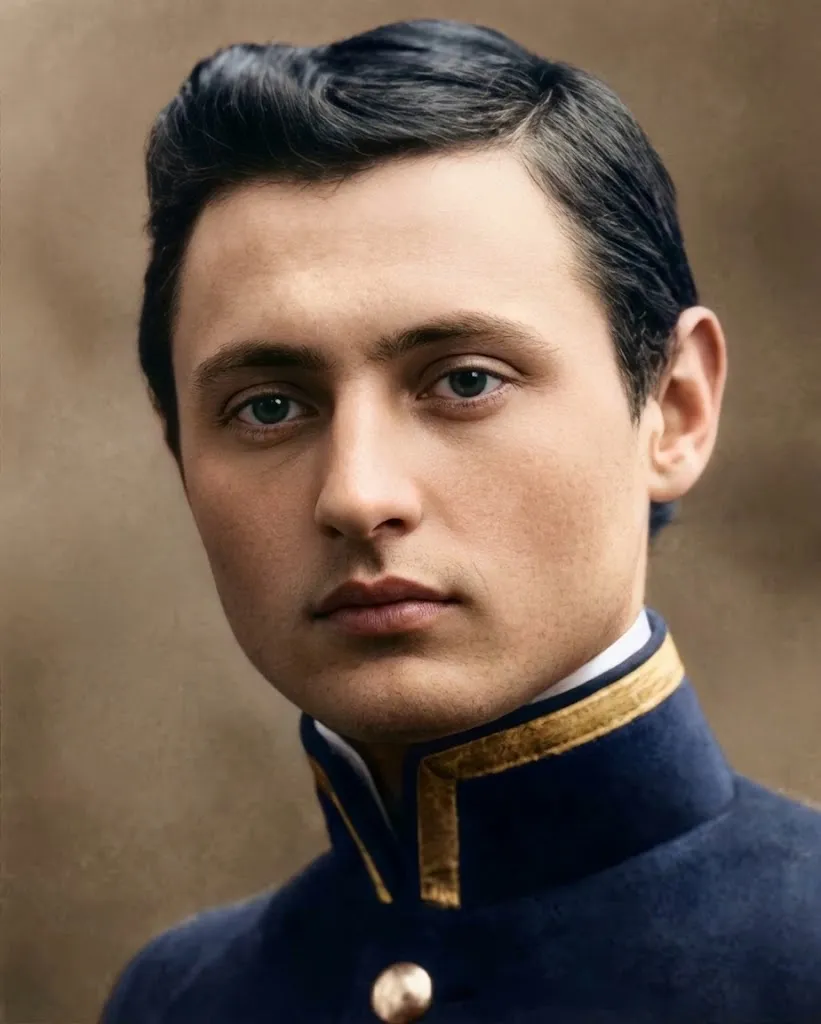
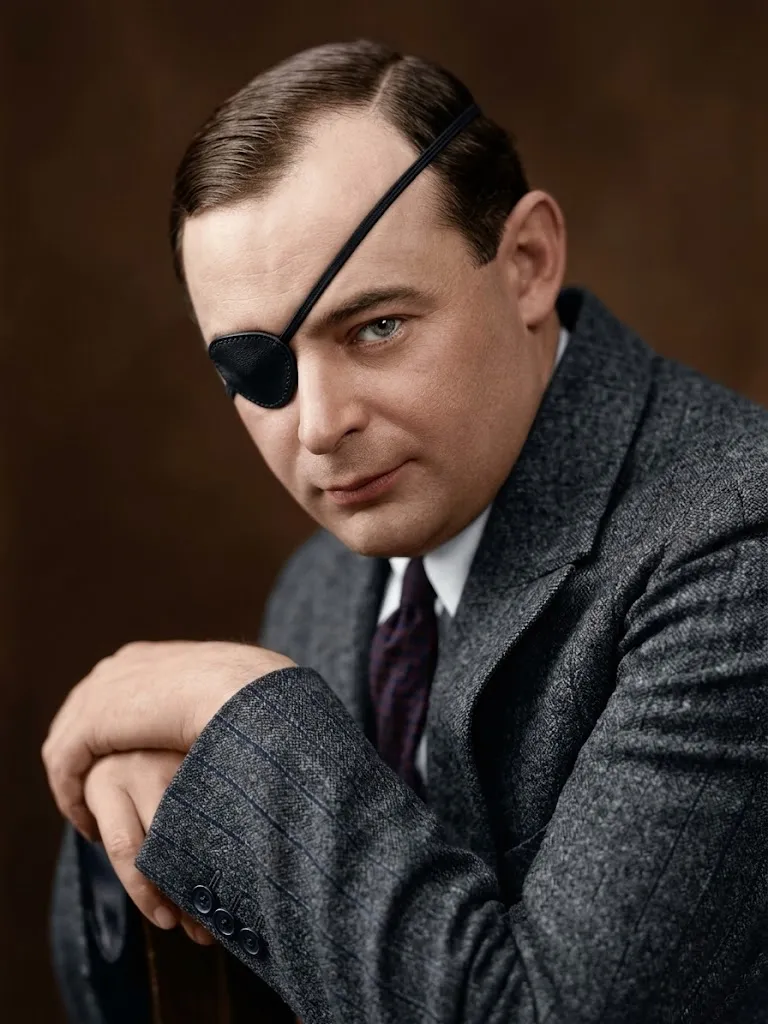
Dmytro Buzko
Futurist writer and screenwriter
He escaped Siberian exile, earned a degree in agronomy in Copenhagen and wrote a film script for Les Kurbas. Dmytro Buzko, a futurist writer of the Nova Generatsiia group, wrote stories and screenplays for the young Ukrainian cinema. He was shot in Odesa in 1937.
Key accomplishments
- The story Lisovyi Zvir (The Forest Beast), filmed from his own screenplay
- The screenplay for Les Kurbas’s film Macdonald (1924); co-writer of the screenplay for the film Taras Shevchenko
- The book Cinema and the Film Studio (1928)
- The novels Holliandiia (1930) and Kryshtalevyi Krai (The Crystal Land, 1935)
- Member of the futurist group Nova Generatsiia (1927–1931)
How did a Ukrainian screenwriter end up in Denmark?
He ran away from exile. Dmytro Buzko was born in 1890 (some sources say 1891) in Novomyrhorod, in today’s Kirovohrad region, into a priest’s family. At the Odesa theological seminary he joined underground revolutionary circles. In 1907 he was sentenced to penal servitude, later changed to exile in Siberia. In 1912 he escaped abroad, travelled through several European countries and settled in Denmark, where he studied agronomy in Copenhagen and graduated in 1915. In 1918 he worked at the diplomatic mission of the Ukrainian People’s Republic in Denmark.
Cinema and the futurists
Back in Ukraine, in the early 1920s Buzko served for a time in the Odesa Cheka, the Soviet secret police, before turning to writing and film. His story Lisovyi Zvir (The Forest Beast) was filmed from his own script. At the Odesa film studio he wrote screenplays, among them one for Les Kurbas’s film Macdonald (1924), and he co-wrote Taras Shevchenko, the first biographical film about the poet. In 1928 he published a book on filmmaking, Cinema and the Film Studio.
In 1927 Mykhail Semenko, Heo Shkurupii and other former panfuturists founded the Nova Generatsiia (New Generation) group in Kharkiv, and Buzko became one of its new members. He wrote novels too, such as Holliandiia (1930), about the first collective farm in the Kyiv region, and The Crystal Land (1935), about industry.
One sentence about Stalin
In 1937 Buzko was expelled from the Union of Soviet Writers of Ukraine for saying: “When our great, wise Stalin makes a mistake, we, the democracy, will say: you made a mistake.” On 20 October 1937 he was arrested in Odesa. Under interrogation he denied belonging to a “counter-revolutionary nationalist organization”, but he was sentenced to death. Dmytro Buzko was shot in Odesa on 14 November 1937. He was rehabilitated in 1957.
Why it matters today
Buzko was one of the people who wrote for Ukrainian cinema while it was still young: screenplays, stories for the screen, a book about how a film studio works. He had seen Europe and worked alongside Kurbas and the futurists, who were looking for a modern language of art for Ukraine. His fate shows how much free speech cost in those years: even the thought that the leader might be wrong. Anyone who writes for Ukrainian film today and says honestly what they think carries on what he began.