1885–c. 1942
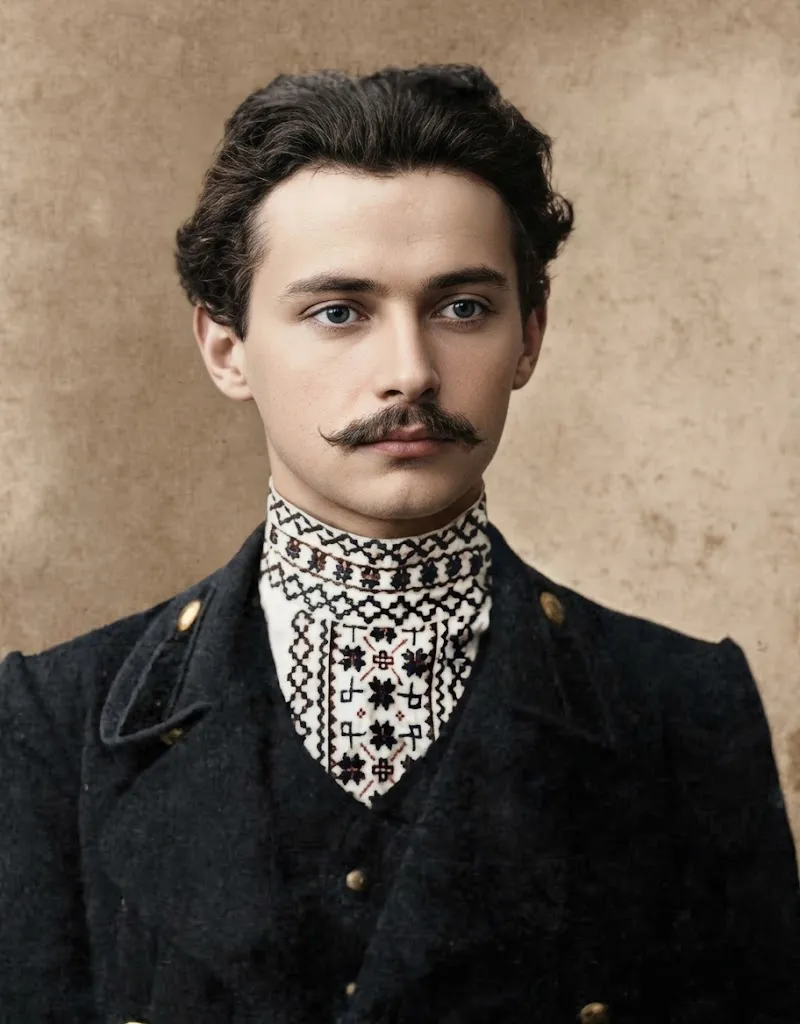
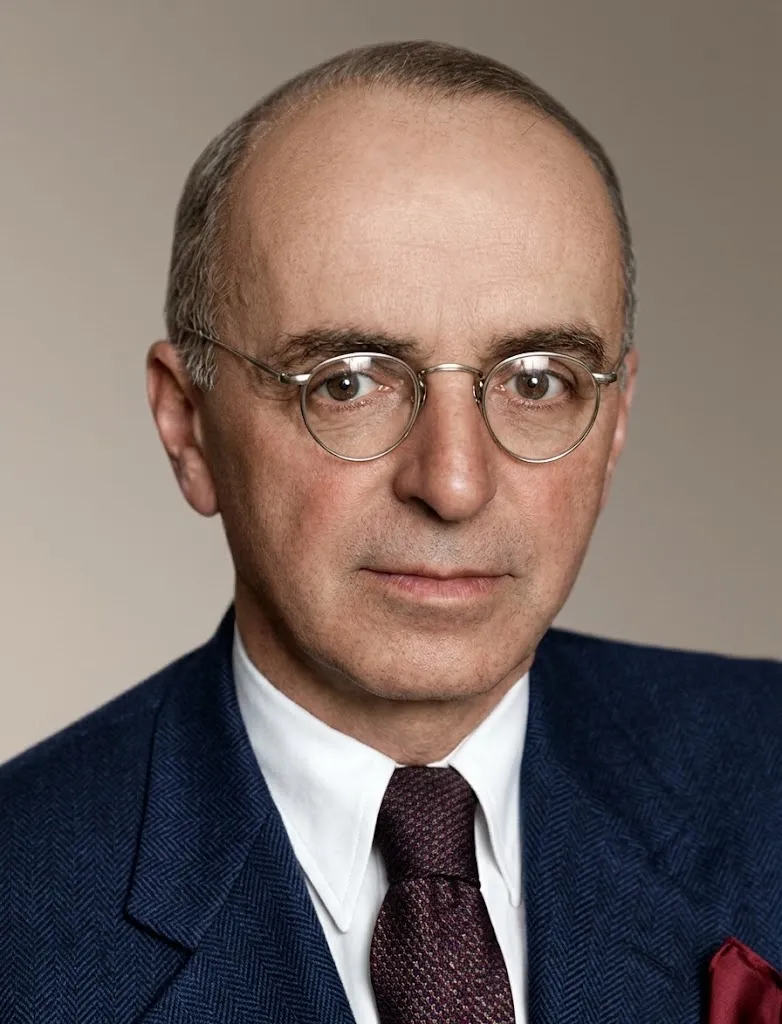
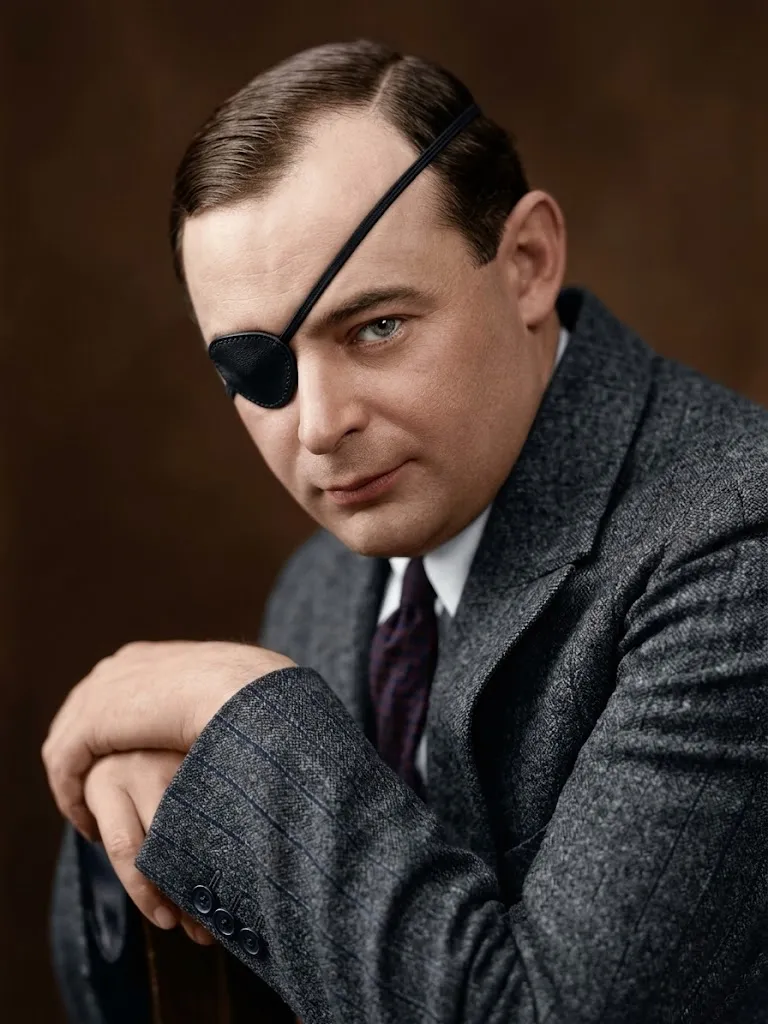
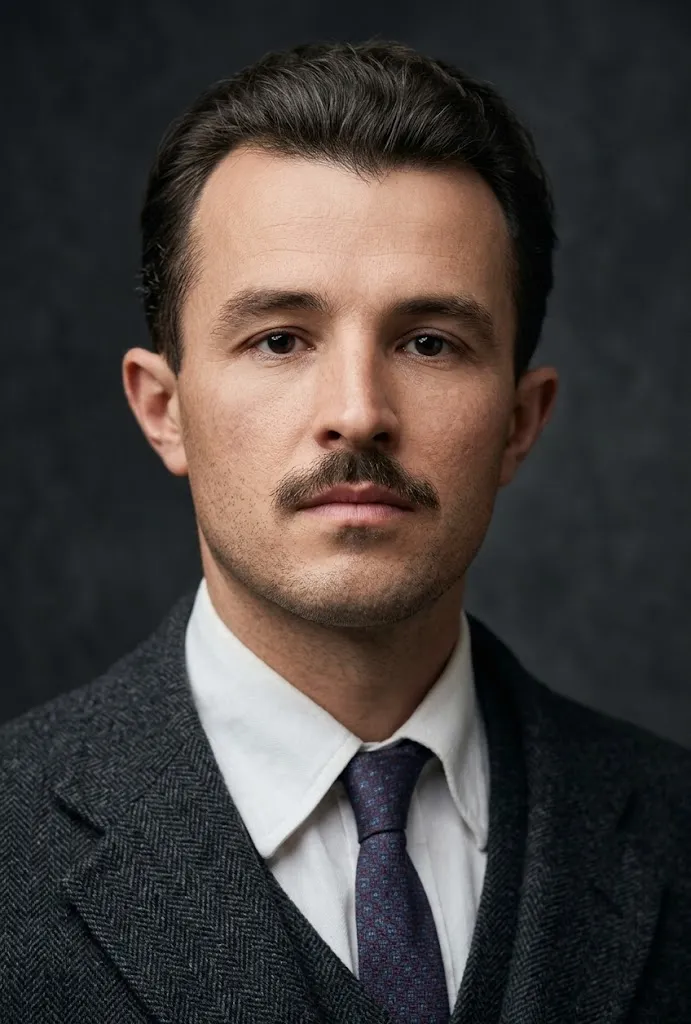
Andrii Nikovskyi
Literary scholar, UNR foreign minister
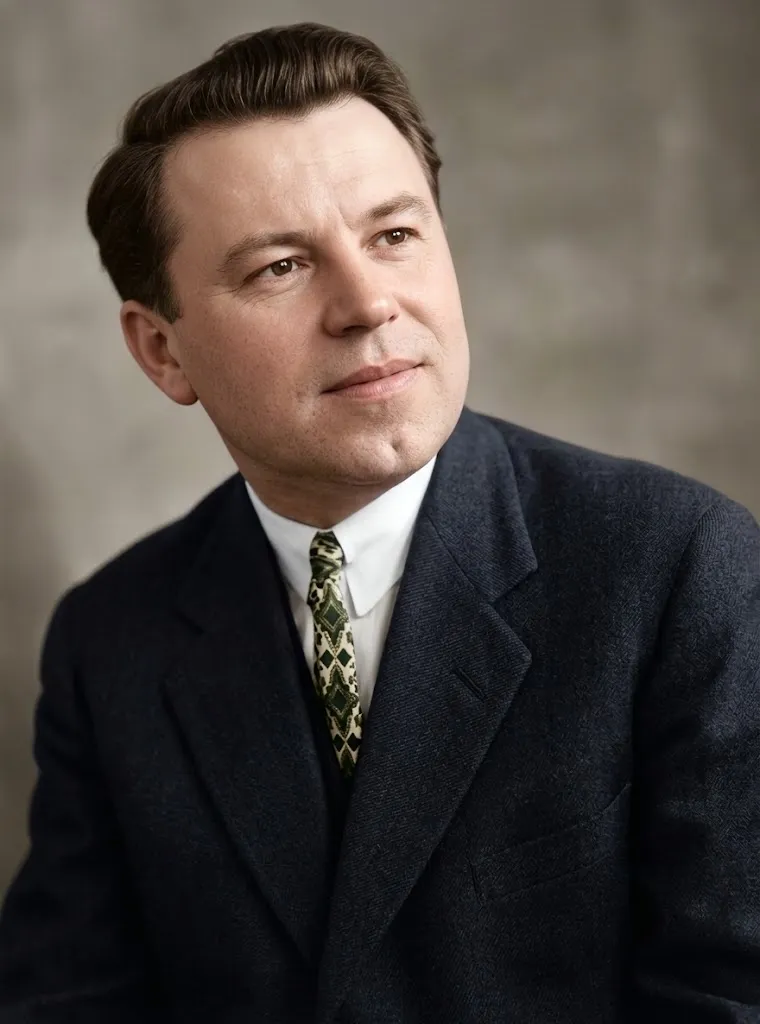
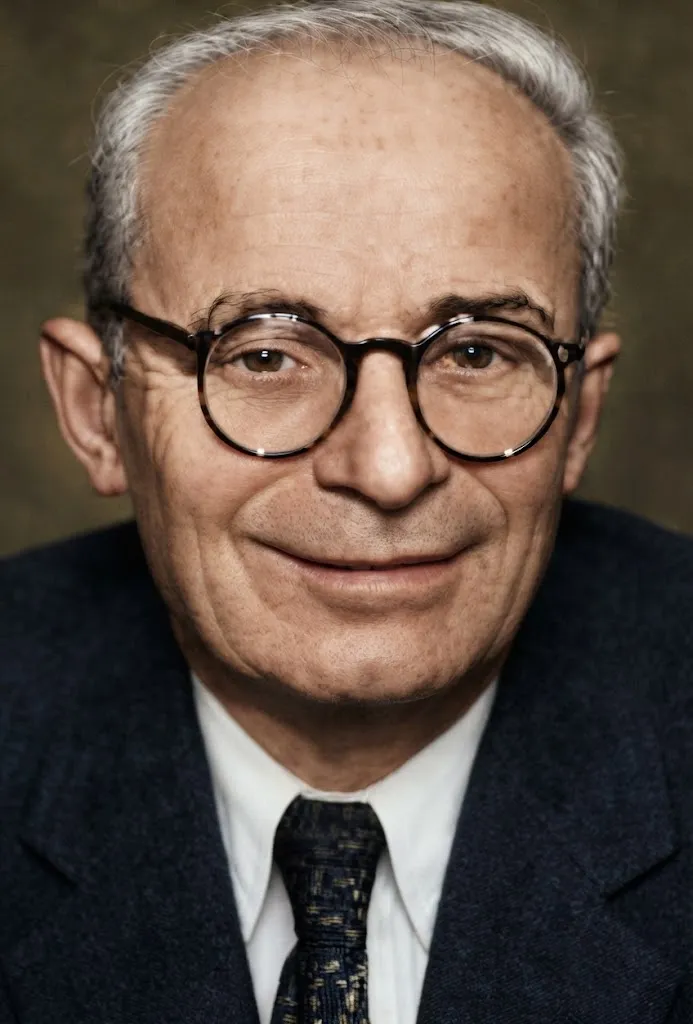
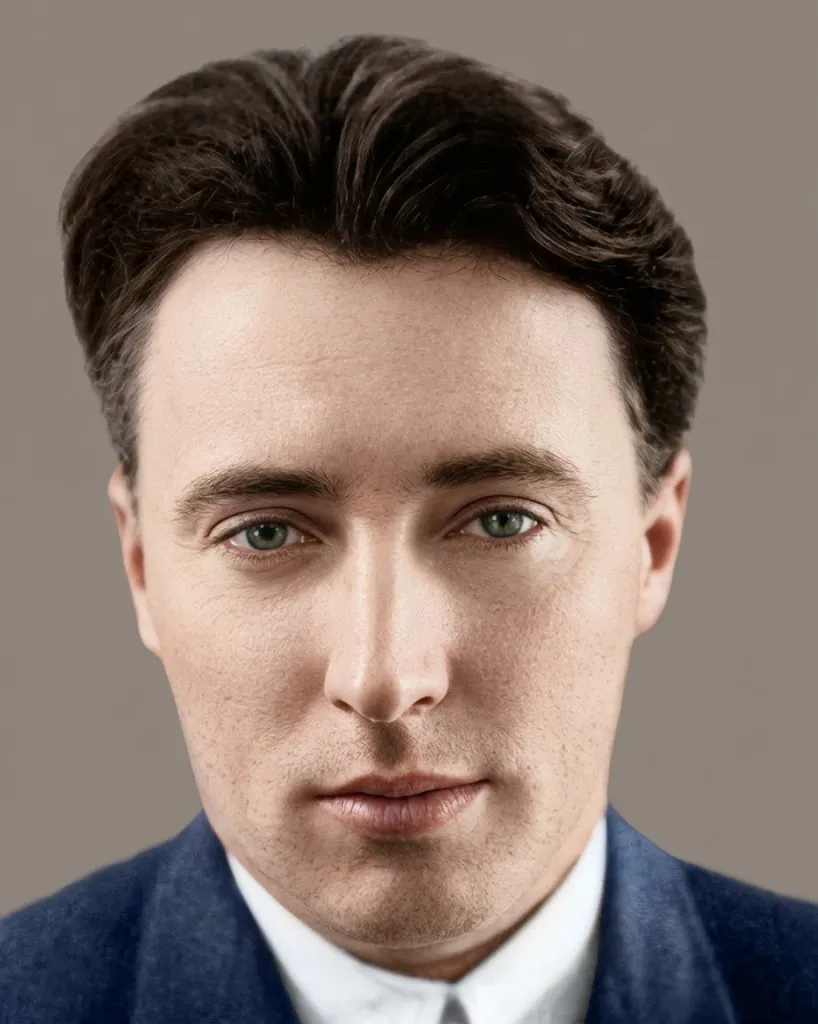
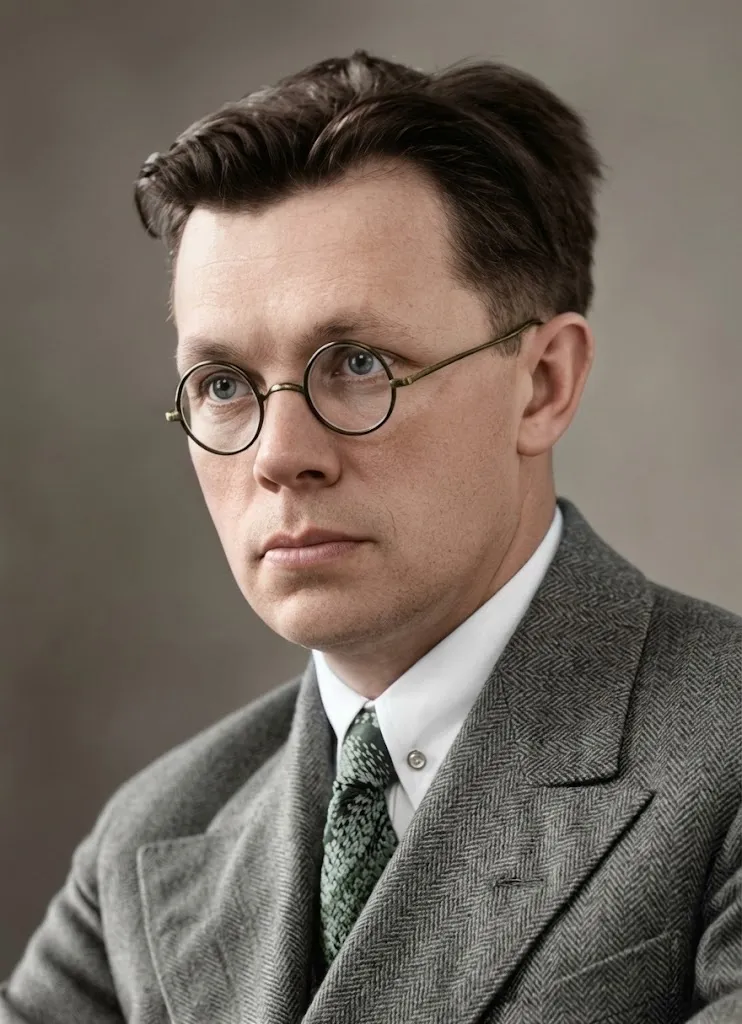
He was foreign minister of the Ukrainian People’s Republic, then came home to Soviet Kyiv to work on a dictionary. Andrii Nikovskyi was a literary scholar, linguist and editor of the newspaper Rada. At the SVU trial he was sentenced to 10 years; he died in besieged Leningrad in 1942.
Key accomplishments
- Editor of the newspapers Rada (until 1914) and Nova Rada (1917–1919) and of the journal Osnova (Odesa, 1915)
- Member of the Ukrainian Central Rada; elected its deputy head in 1917
- Foreign minister of the Ukrainian People’s Republic (from May 1920); headed the commission drafting the UNR constitution
- A Ukrainian–russian dictionary (1927); head of the Academy’s orthography and terminology commission
- Vita Nova (1919), a book of critical essays
A boy from near Odesa
Andrii Nikovskyi was born in 1885 in the village of Malyi Buialyk in the Kherson province (now Ivanove, in the Odesa district). He graduated in history and philology from Novorossiysk University in Odesa. Language and literature became his life’s work, but journalism called first.
The editor of Rada
Before the First World War Nikovskyi edited the Kyiv newspaper Rada, and in 1915 the journal Osnova in Odesa. When the revolution came in 1917, he became editor-in-chief of the newspaper Nova Rada and ran it until 1919. He also wrote under the pen names A. Yarynovych, A. Hanaskovych and A. Vasylko.
From the Central Rada to the ministry
Nikovskyi sat in the Ukrainian Central Rada, and on 23 June 1917 he was elected deputy to its head, Mykhailo Hrushevskyi. In 1918 he became the first head of the Ukrainian National-State Union. From 26 May 1920 he was foreign minister of the Ukrainian People’s Republic, and he headed the commission that drafted the UNR constitution. In August 1921 he was in Warsaw with the UNR diplomatic mission and sat on the delegation that negotiated joint action with Boris Savinkov; the talks ended in an agreement on mutual recognition between the UNR and the russian Political Committee.
Coming home to a dictionary
Imagine a former minister of the exiled UNR government going home to Soviet Ukraine. In 1924 Nikovskyi was allowed to return. He worked at the All-Ukrainian Academy of Sciences, headed its orthography and terminology commission, and in 1927 published a Ukrainian–russian dictionary. He wrote introductions to editions of Lesya Ukrainka, Ivan Nechui-Levytskyi, Olha Kobylianska and Hryhorii Kvitka-Osnovianenko, worked on a Ukrainian edition of Shakespeare’s Hamlet, and translated Mykola Gogol and Jack London into Ukrainian.
The SVU trial and Solovki
Nikovskyi was arrested on 21 July 1929 in the case of the “Union for the Liberation of Ukraine” (SVU). At the 1930 show trial, where the writer Liudmyla Starytska-Cherniakhivska was also tried, he was sentenced to 10 years of imprisonment, which he served on the Solovetsky Islands. When his term was over, the sentence was annulled and the case closed, and on 21 April 1940 he was released. He died in 1942 in besieged Leningrad and was buried in a mass grave at the Piskarevskoye Cemetery.
Why it matters today
Andrii Nikovskyi lived two lives, and gave both to Ukraine. As a politician he helped build the Ukrainian People’s Republic and its constitution; as a scholar he gathered the Ukrainian language into a dictionary and looked after its spelling and terms. When the state he had built was gone, he didn’t give up his cause: he came home and worked for the Ukrainian language until the Soviet regime took away his freedom. His life shows that a nation is built not only in government offices but also in dictionaries, spelling rules and articles.