c. 1627–1698
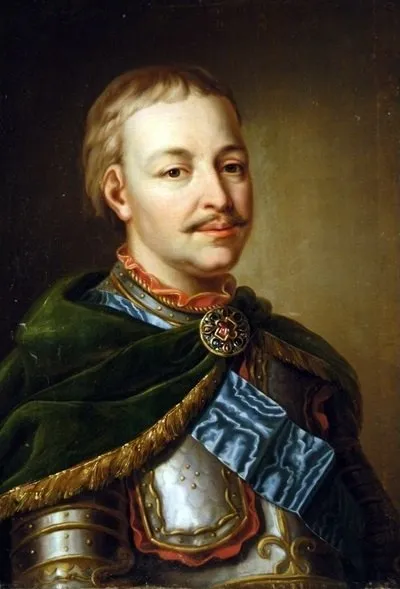
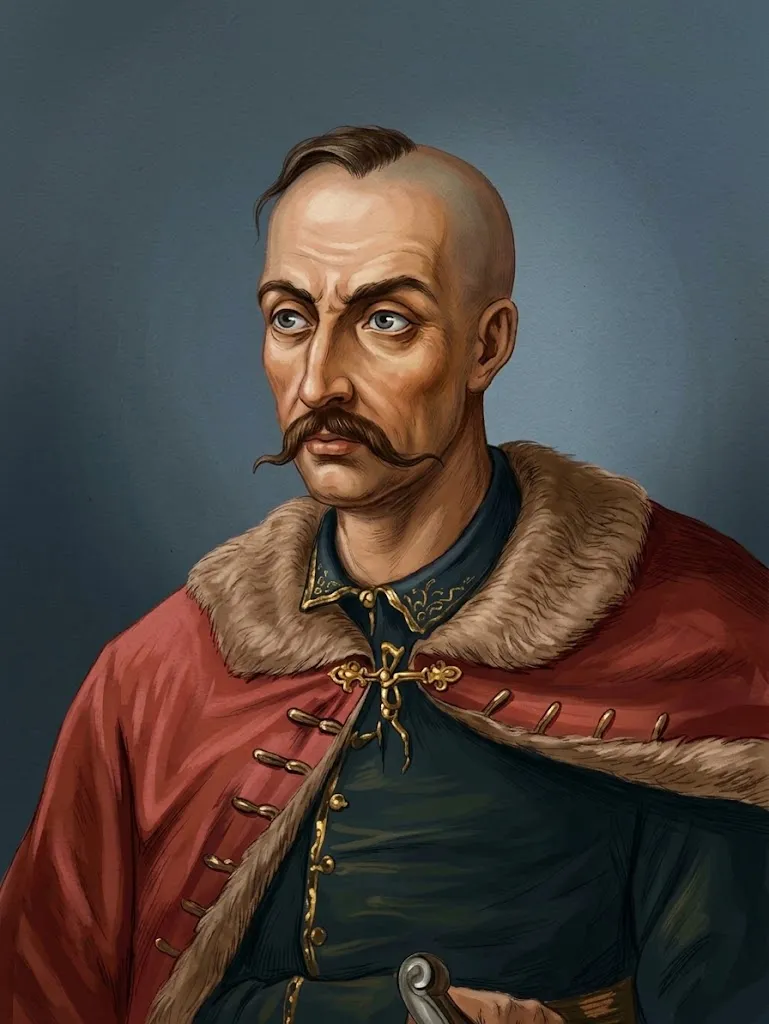
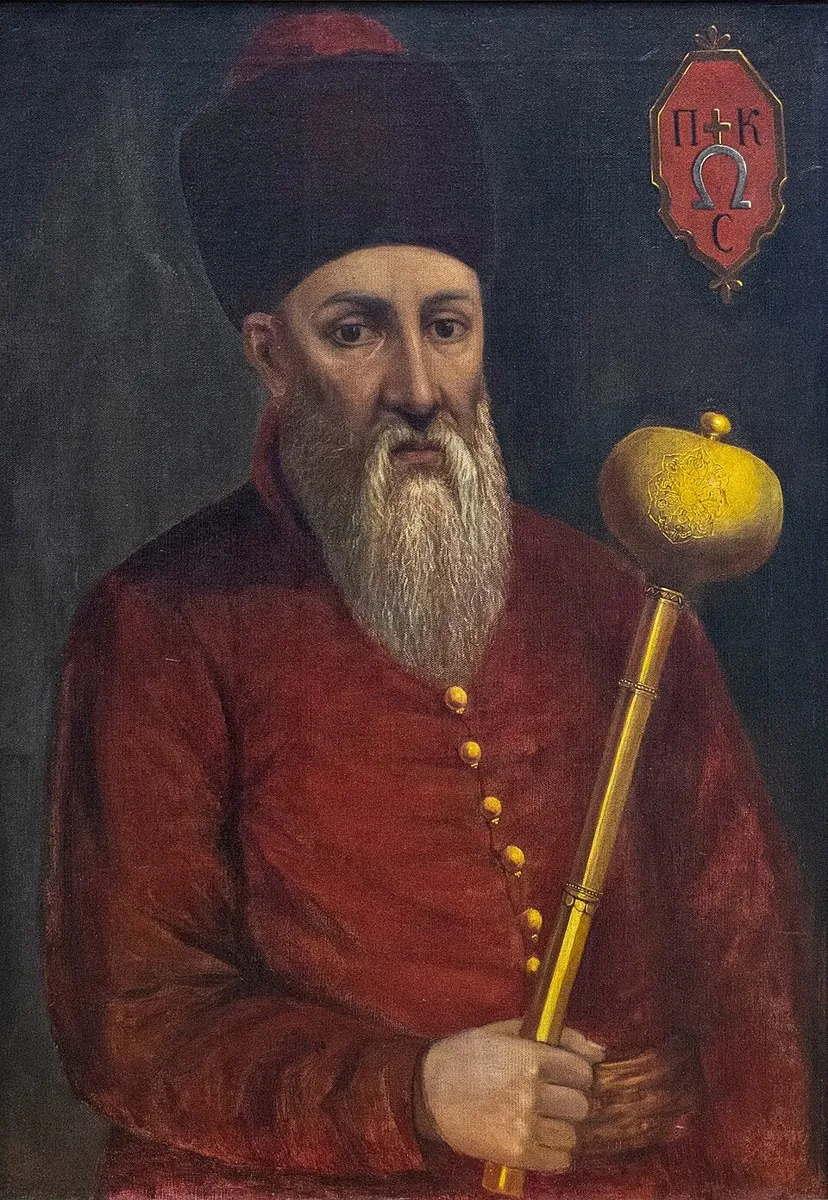
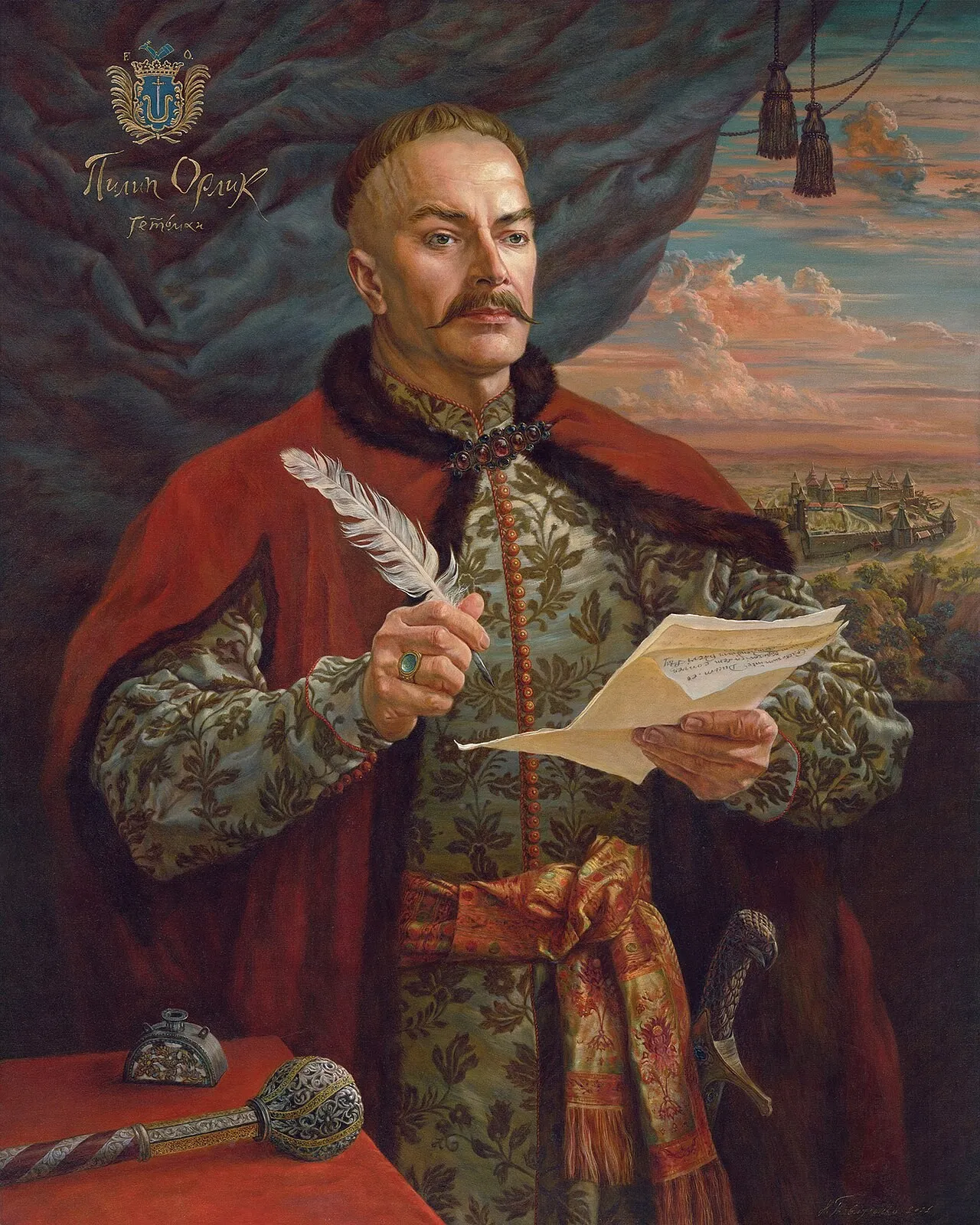
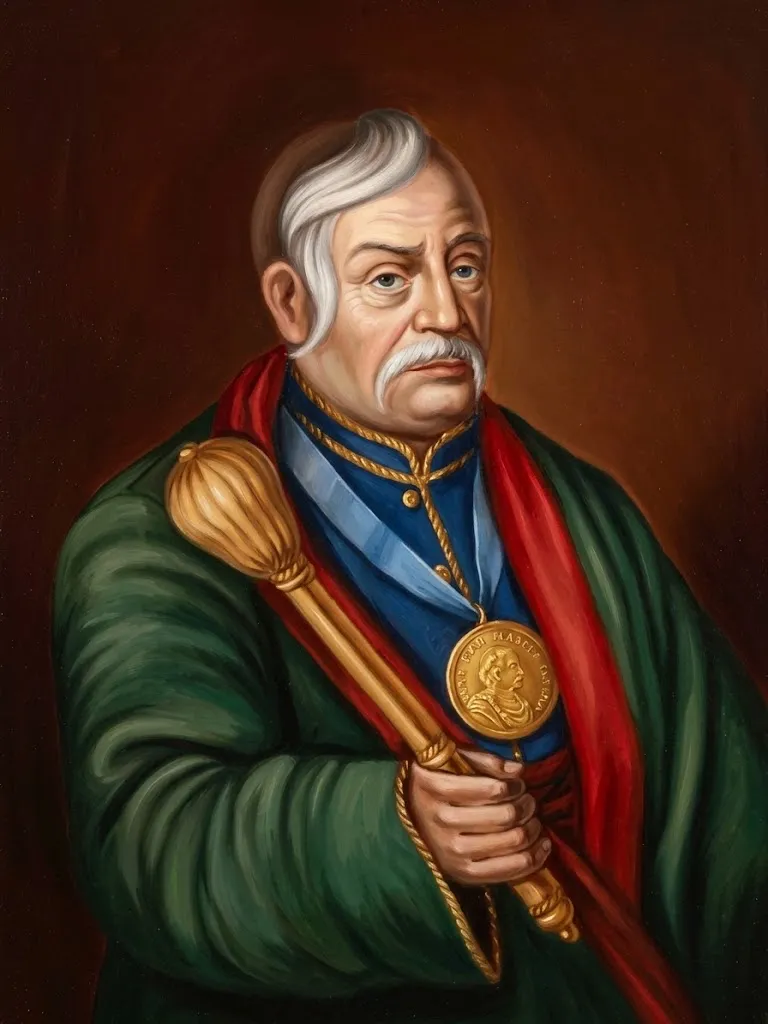
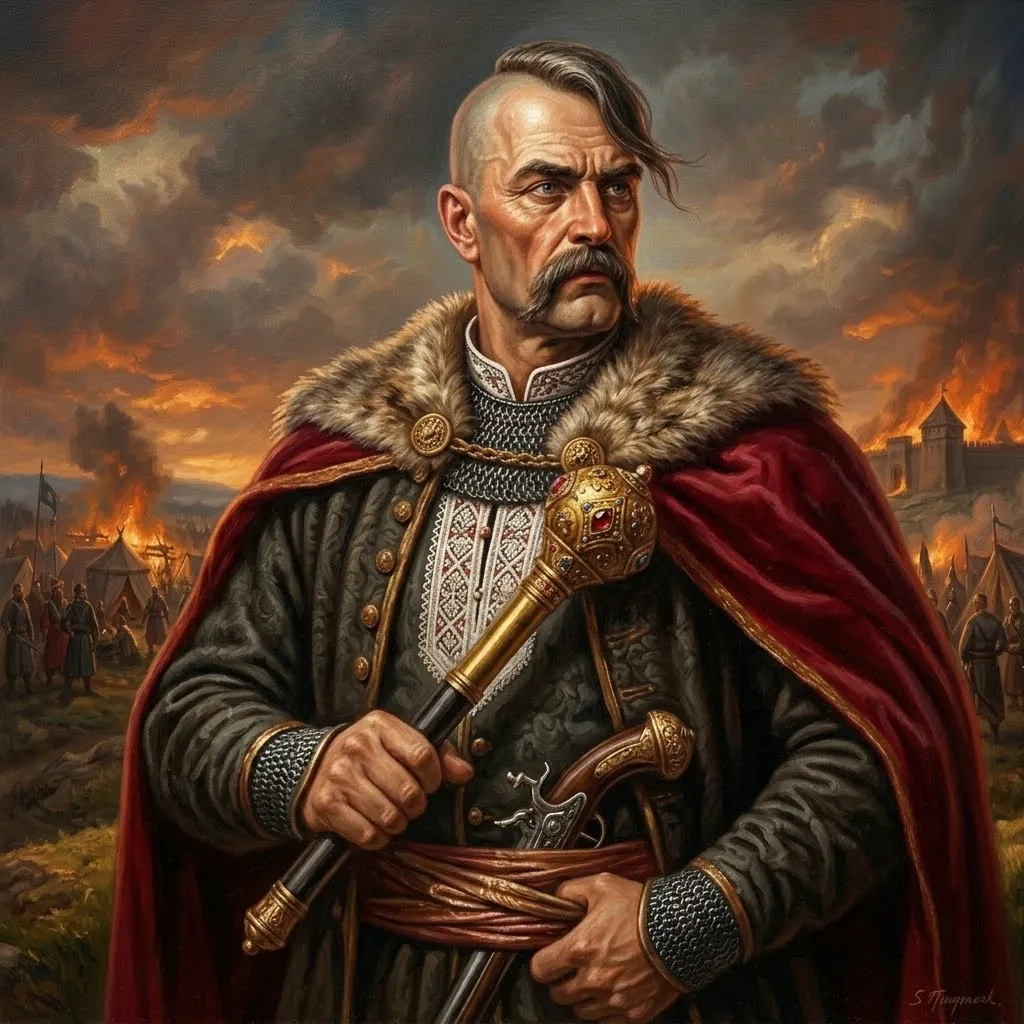
Petro Doroshenko
Hetman of Right-Bank Ukraine
How do you stitch back together a country that two neighbours have just split along the Dnipro? In 1668 Petro Doroshenko became hetman of both banks, and for Ukraine’s unity he allied with the Ottoman Empire. That choice is still debated.
Key accomplishments
- Hetman of Right-Bank Ukraine (1665–1676)
- Proclaimed hetman of both banks of the Dnipro in 1668
- Victories over Polish armies at Brailiv (1666) and Batih (1672)
- Alliance with the Ottoman Empire, approved by a Cossack council in Korsun (1669)
A country cut in two
Muscovy and the Polish-Lithuanian Commonwealth signed the Truce of Andrusovo in 1667 and divided Ukraine: the Left Bank of the Dnipro went to the tsar, the Right Bank to the king. Petro Doroshenko, hetman of the Right Bank, refused to accept it. His main aim was to restore the Cossack state on both banks of the river.
A Cossack from Chyhyryn
Doroshenko was born in 1627 in Chyhyryn, into a Cossack family. He carried out diplomatic missions for Bohdan Khmelnytskyi, and after Khmelnytskyi’s death he backed Hetman Ivan Vyhovskyi and signed the Treaty of Hadiach. In 1665 the Cossack officers chose Doroshenko as hetman of Right-Bank Ukraine.
How the hetman built a state
To stop depending on the Cossack officers, Doroshenko built a standing army of paid soldiers, the serdiuky. They got regular pay and were so loyal that even his enemies marvelled: a Polish officer wrote that they couldn’t win over a single one. The hetman set up a new customs line on the border and tried to mint his own coins, the shelahy, poltoraky and shostaky. No hetman called Cossack councils as often as Doroshenko, and while they voted he left the room so as not to sway the decision.
Hetman of both banks
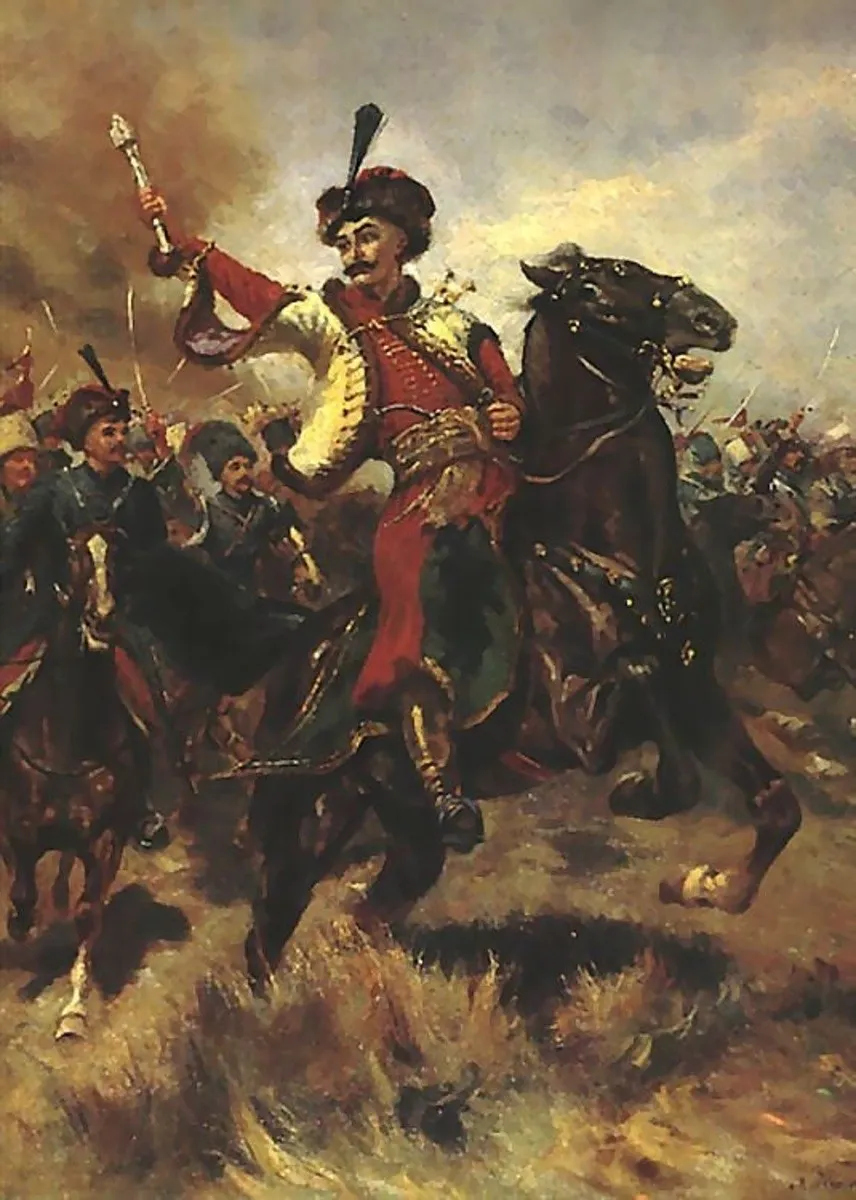
At Brailiv in 1666 he defeated a Polish army. In June 1668, as an uprising against Moscow broke out on the Left Bank, Doroshenko was proclaimed hetman of all Ukraine. The unity didn’t last: a Polish offensive forced him back to the Right Bank, and another hetman took over the Left. The Zaporozhian Cossacks worked against him too; their otaman Ivan Sirko stood in his way more than once.
Looking for a strong ally, the hetman turned to the Ottoman Empire. In 1669 a Cossack council in Korsun approved the alliance. Under its terms, the Turks and Tatars were not to meddle in the election of the hetman, nor make peace with Poland or Moscow without his consent. Doroshenko also demanded that the sultan’s letters to Chyhyryn be written in Ukrainian or Greek, and that the sultan’s envoys speak Ukrainian. At talks with Poland in Ostroh in 1670 he asked for Ukrainian in state offices and courts, and for a second academy besides the one in Kyiv, but the Poles rejected these terms. In 1672 Doroshenko beat the Poles at Batih, and then, together with the army of Sultan Mehmed IV, took the fortress of Kamianets.
Giving up the mace
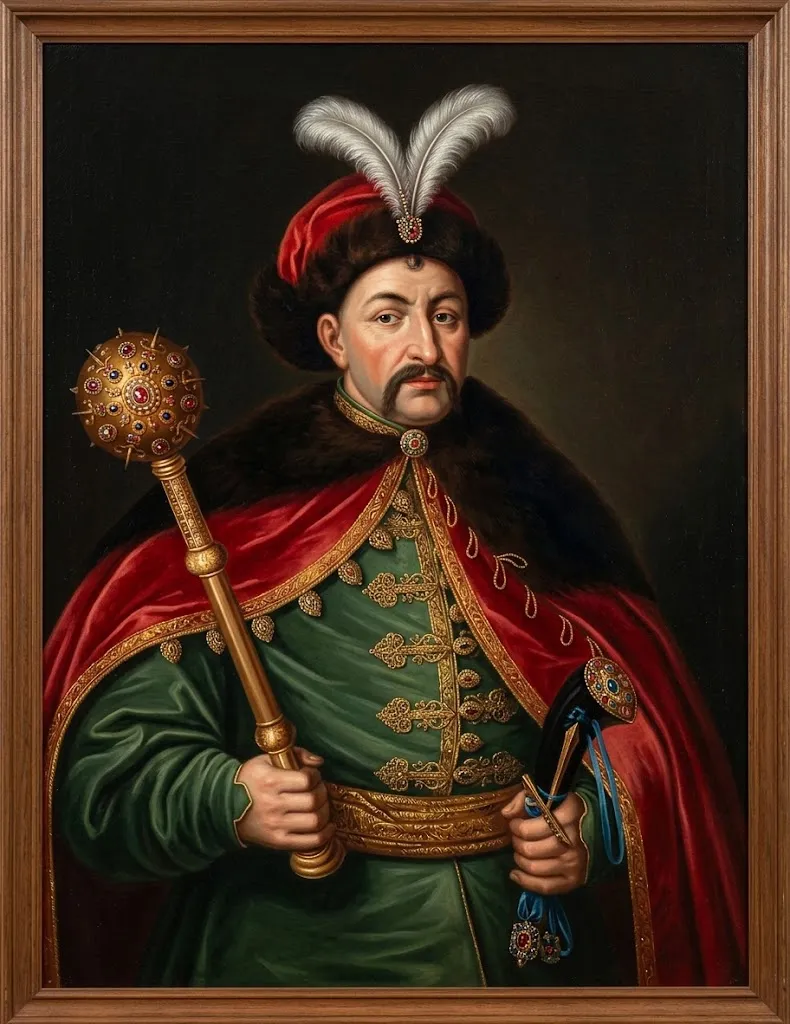
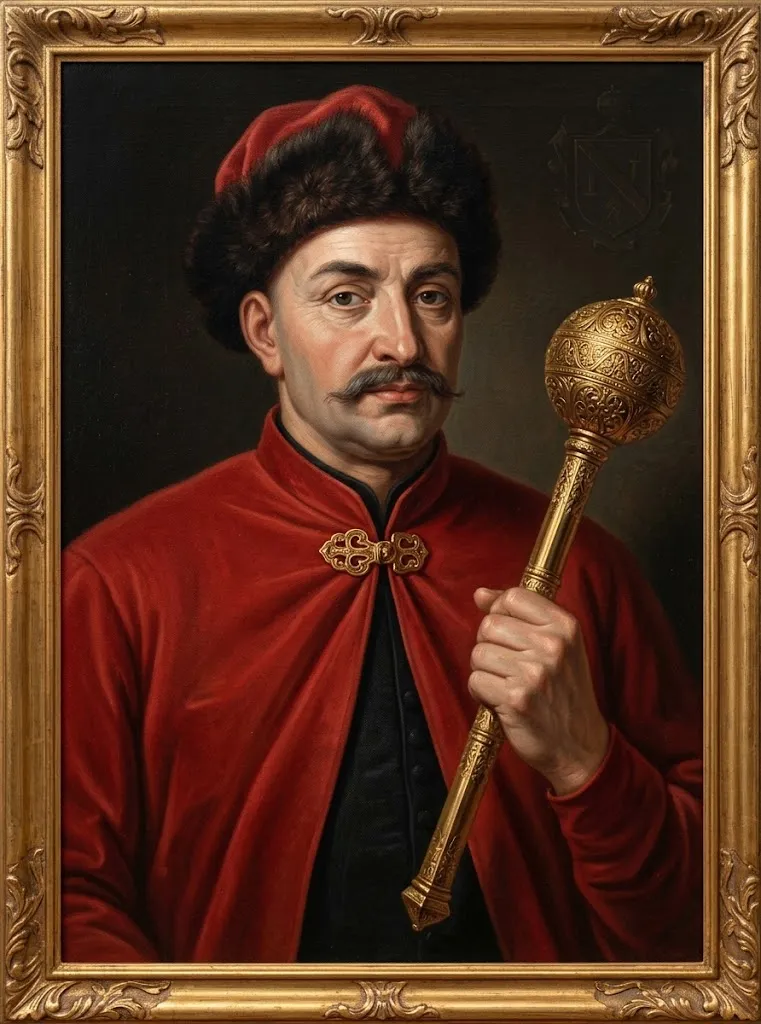
Doroshenko first handed over his insignia not to Samoilovych but to Ivan Sirko, the man who had stood in his way more than once. The wars laid waste to the Right Bank, and people stopped supporting the hetman. In the autumn of 1675 Sirko came to Chyhyryn, and on his advice Doroshenko agreed to step down. Sirko received the insignia in the tsar’s name, but Moscow demanded that the hetman also swear an oath on the Left Bank, and Doroshenko held out for another year. In 1676, besieged in Chyhyryn, he surrendered his mace, the hetman’s symbol of office, to Ivan Samoilovych, hetman of the Left Bank. He was first settled in Sosnytsia, then in 1677 taken to Moscow, and he never returned home. He died in 1698 in the village of Yaropolche.
Debates and assessments
The Ottoman alliance is Doroshenko’s most disputed decision. Some scholars explain it as an effort to reunite the Ukrainian lands within an independent state. At the same time, as others note, the idea was unpopular in Ukraine. Ottoman garrisons on the Right Bank plundered the population and carried people off into captivity, and many fled to the Left Bank.
Why it matters today
When neighbours split Ukraine along the Dnipro, Petro Doroshenko refused to accept it and set himself one goal: a single Cossack state on both banks. He lost, and historians still argue over the price of his choices, but he held to that goal to the end of his rule. His life is a reminder that Ukrainians fought for their country’s unity long before our time, and that it is worth standing up for even when the odds are against you.