c. 1639–1709
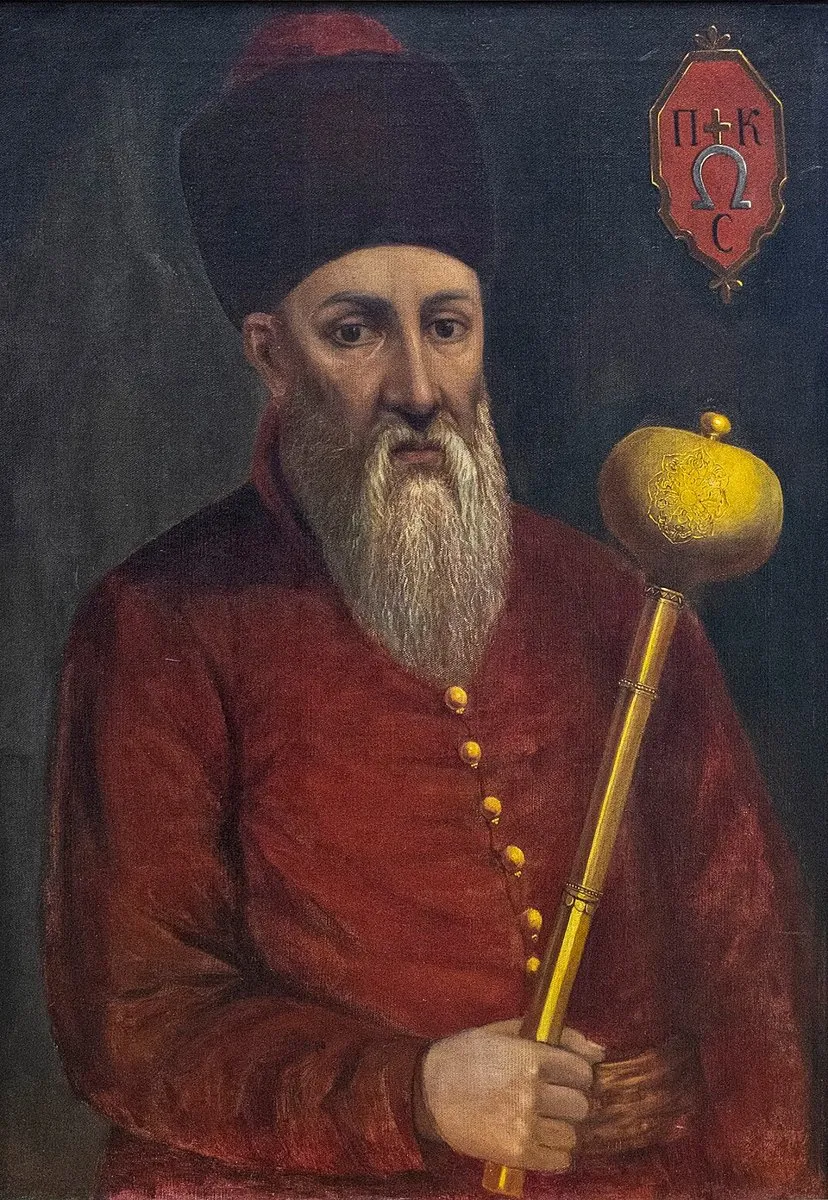
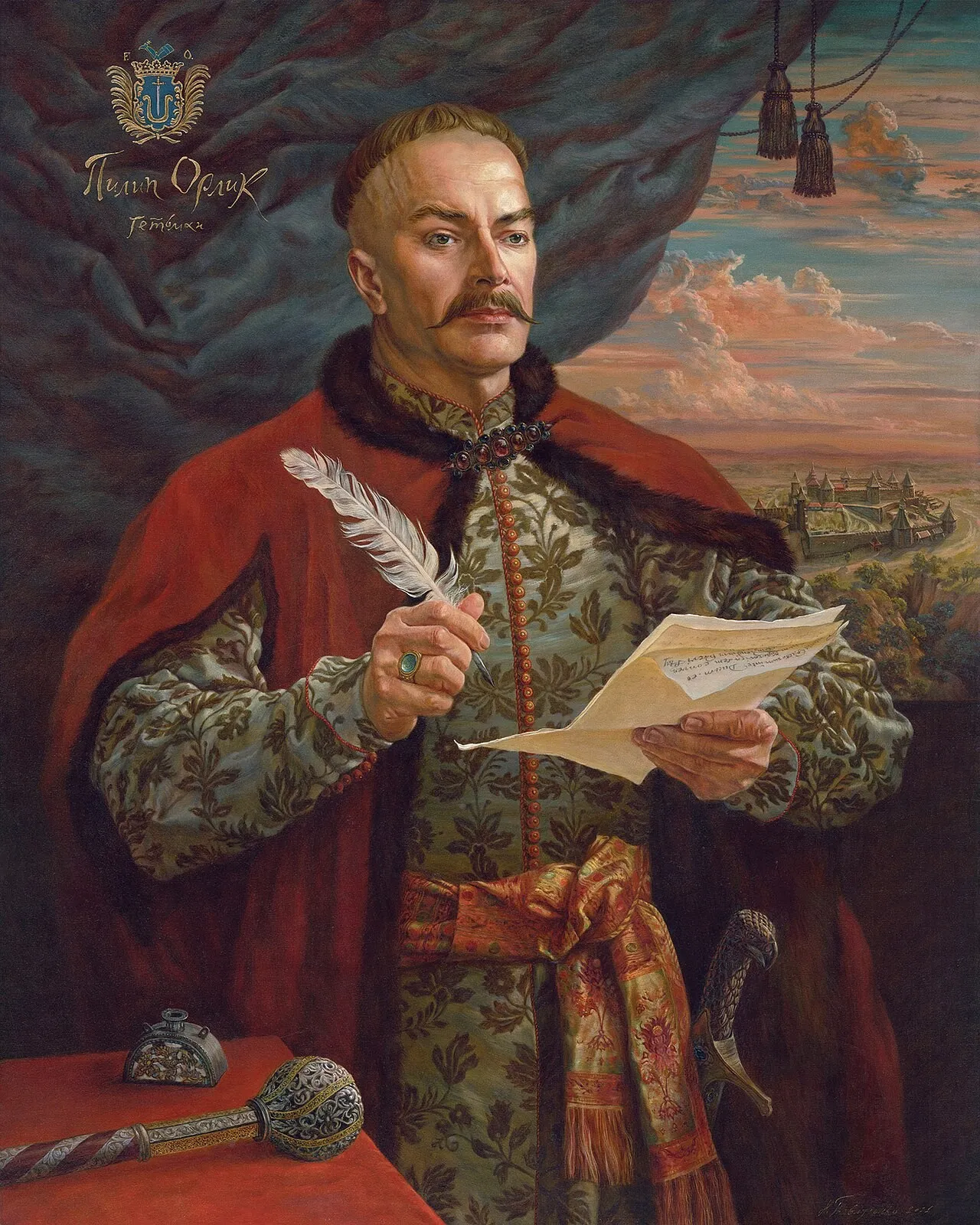
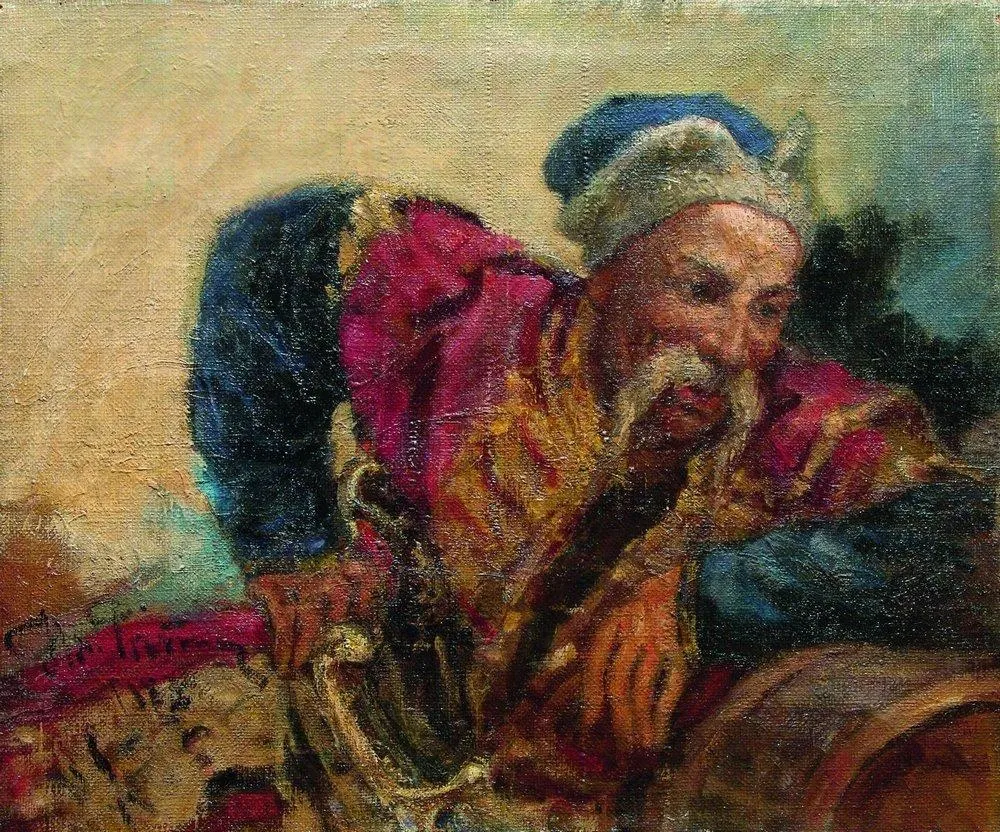
Ivan Mazepa
Hetman and patron of Cossack Baroque
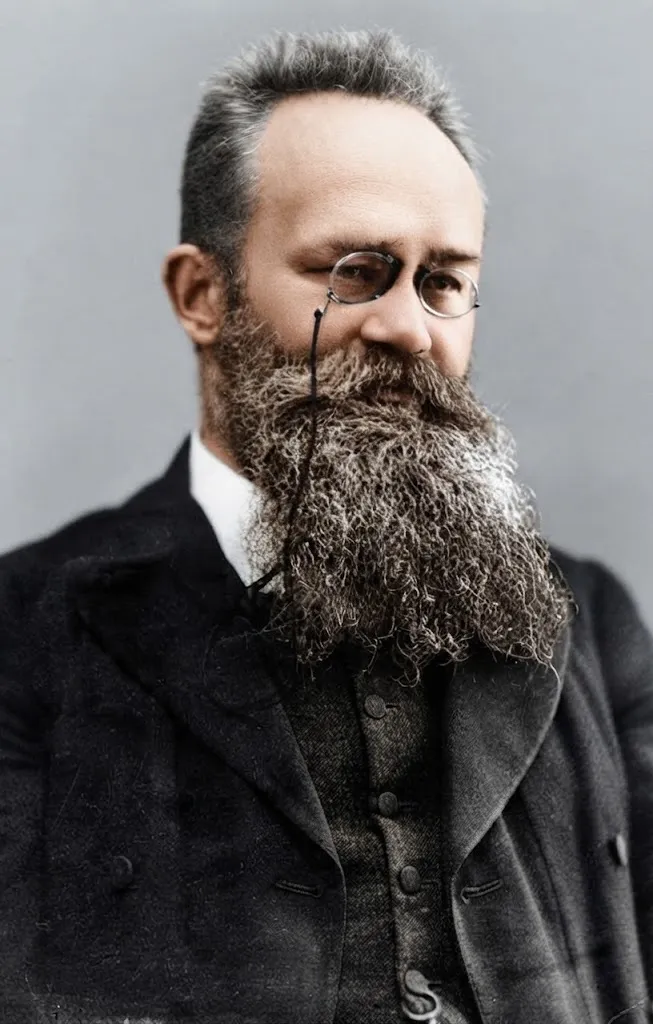
For twenty years he was the Muscovite tsar’s ally; then, in 1708, he went over to the Swedish king to free Ukraine from Moscow’s rule. Ivan Mazepa was the hetman whose money built and restored many churches in the Cossack Baroque style.
Key accomplishments
- Hetman for over 20 years (1687–1709), one of the longest tenures
- Funded the building and restoration of many churches in the Cossack Baroque style
- Expanded the Kyiv-Mohyla Academy, which received the status of an academy
- Alliance with Sweden in 1708 to free Ukraine from dependence on Moscow
A hetman with a European education
Ivan Mazepa came from the Ukrainian nobility and was born on a homestead that later became the village of Mazepyntsi near Bila Tserkva. His exact birth date is unknown; 20 March 1639 is the traditional one. He studied at the Kyiv-Mohyla College and in Europe, served at the court of the Polish king and spoke several languages. In 1669 he entered the service of Hetman Petro Doroshenko, first commanding a squadron of his guard and later as his chancellor. In 1687 the Cossack officers (the starshyna) elected him hetman.
Churches that named a style
Mazepa was one of the greatest patrons of the arts in Ukraine’s history. His money built and restored many churches, including in the Kyiv Pechersk Lavra and St. Michael’s Golden-Domed Monastery. Their style became known as Cossack, or Mazepa, Baroque. He also supported printing, schools and the Kyiv-Mohyla Academy.
The ally who changed sides
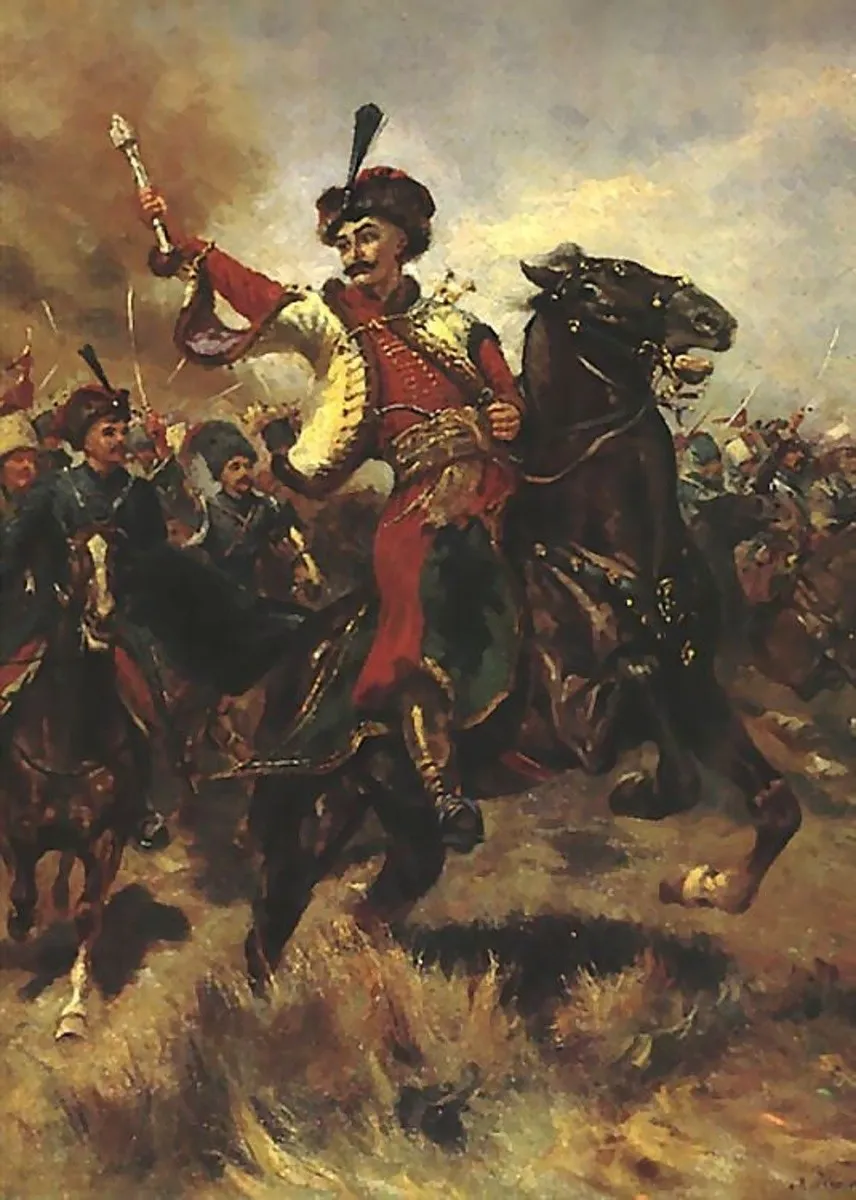
For about twenty years Mazepa was an ally of Tsar Peter I and fought alongside him, including in the Azov campaigns. But the tsar kept cutting back the Hetmanate’s autonomy and wearing the Cossacks down with wars. In 1708 the hetman went over to the Swedish king Charles XII. In response, Menshikov’s troops destroyed the hetman’s capital, Baturyn, together with its people.
After the defeat at Poltava in 1709, Mazepa retreated to Bender and died there. He was buried in the Monastery of St. George in Galați (now in Romania). The Russian Church anathematized him, and for centuries “Mazepist” (mazepynets) was a slur in the empire for Ukrainians who wanted independence.
Why it matters today
Mazepa became a symbol of Ukraine’s attempt to break free from Moscow’s rule. His portrait is on the 10-hryvnia banknote.