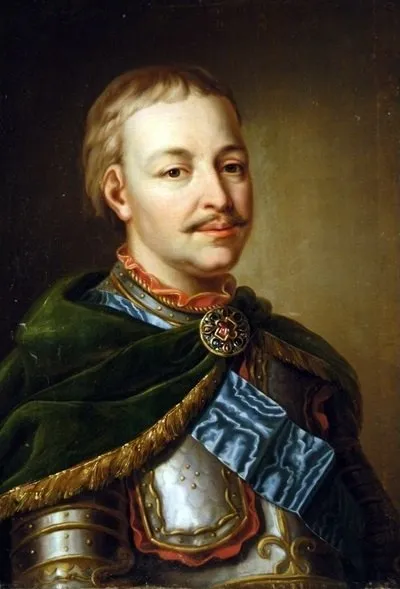
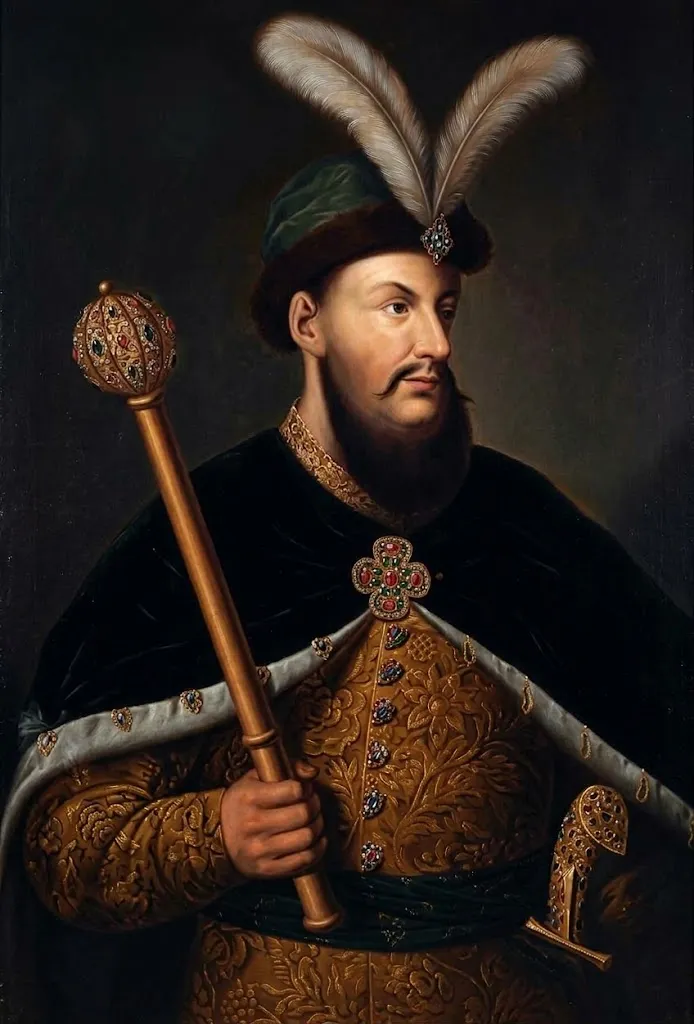
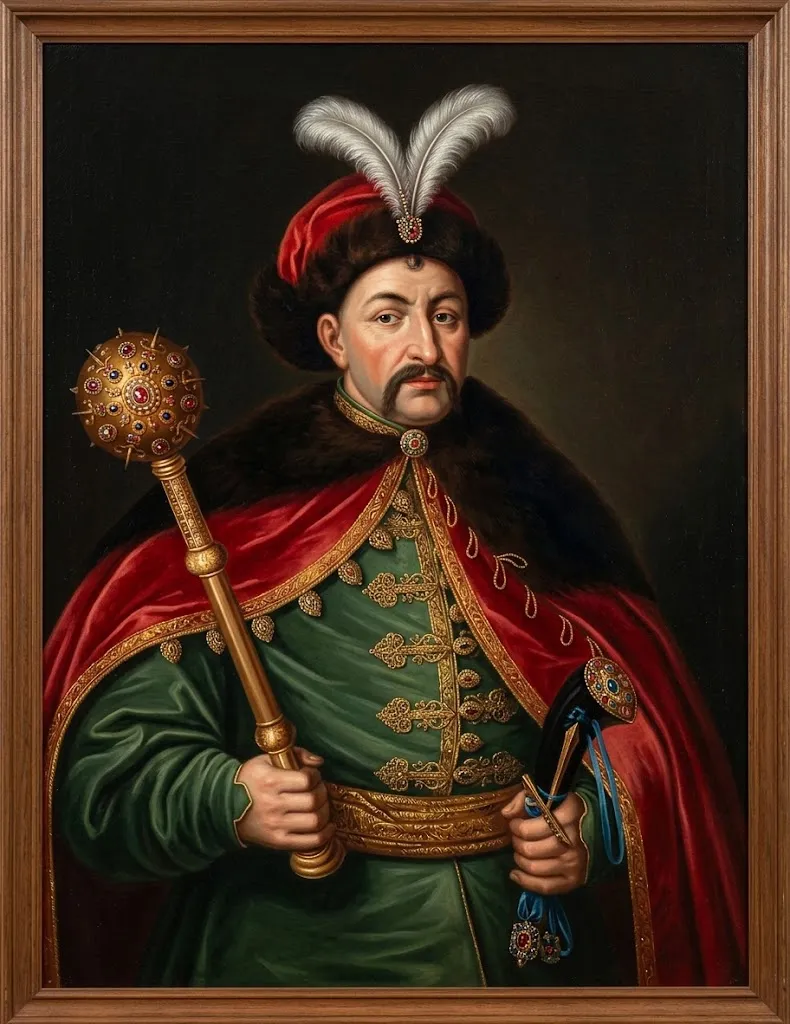
c. 1640–c. 1710
Semen Palii
Colonel of the Fastiv regiment
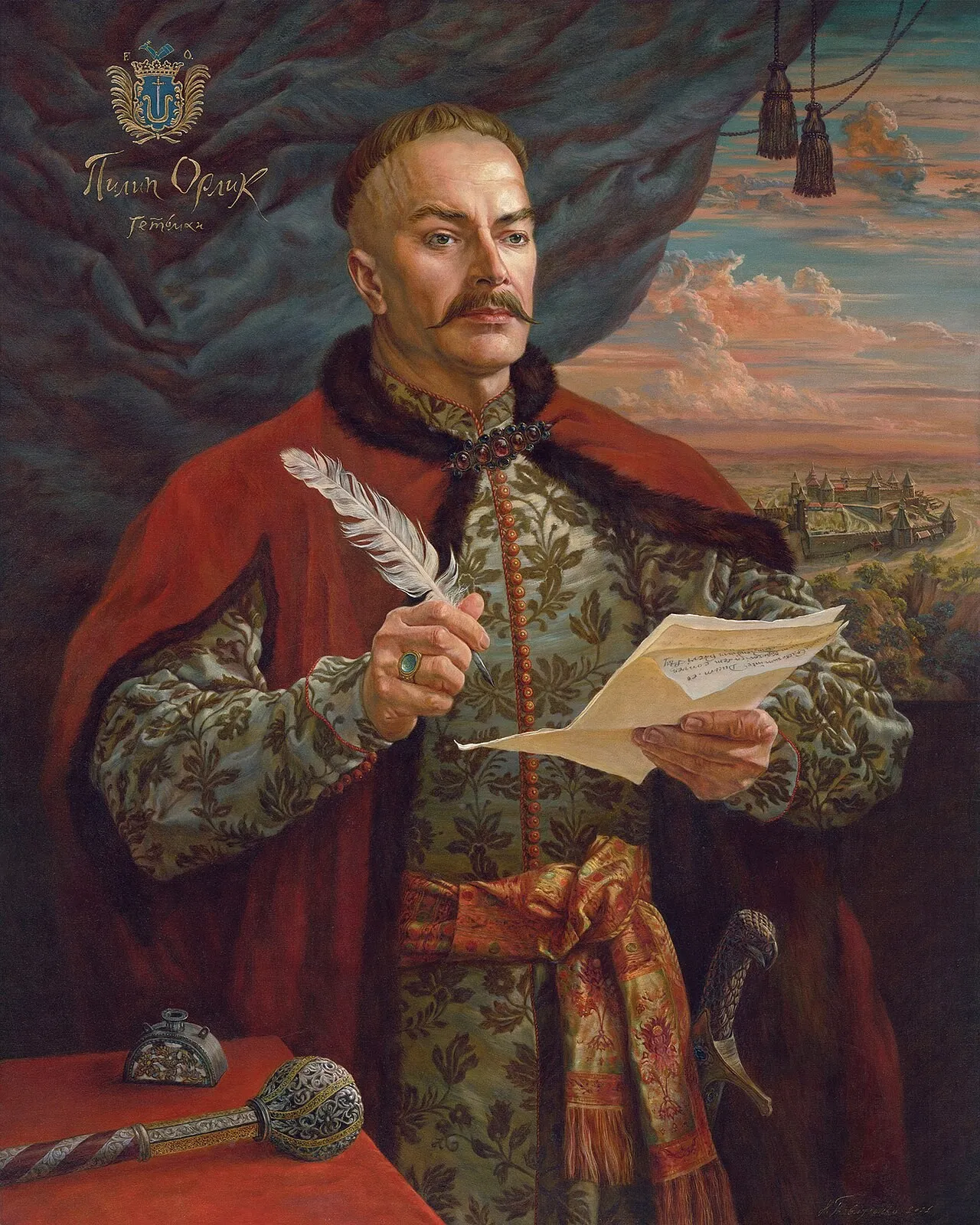
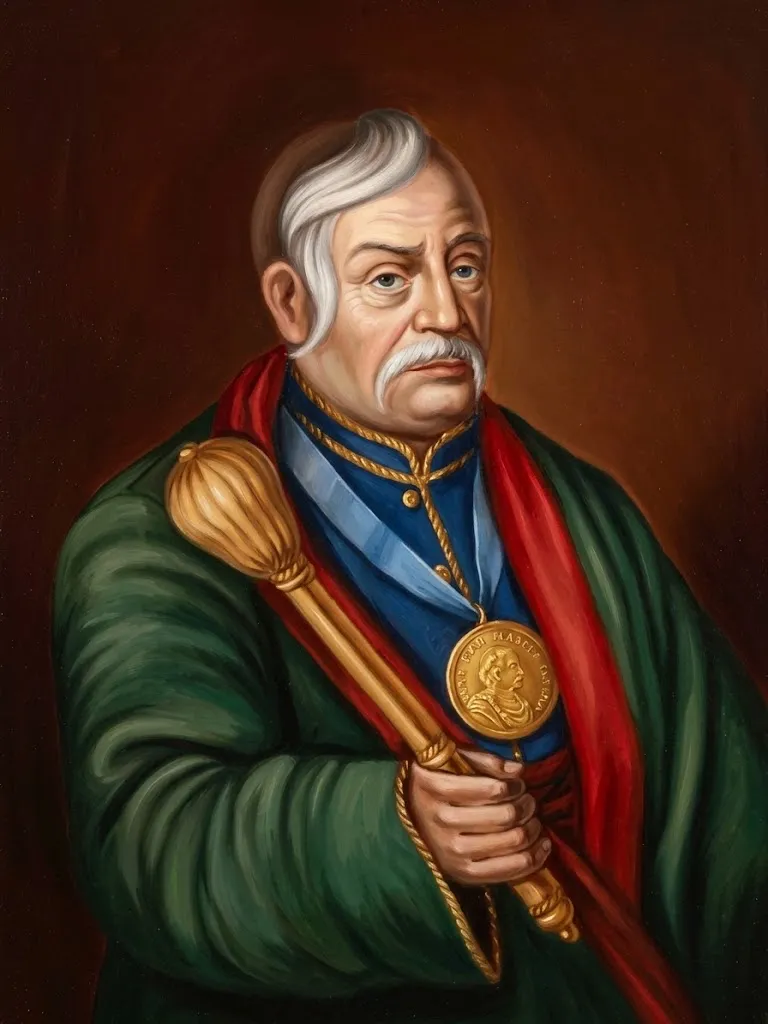
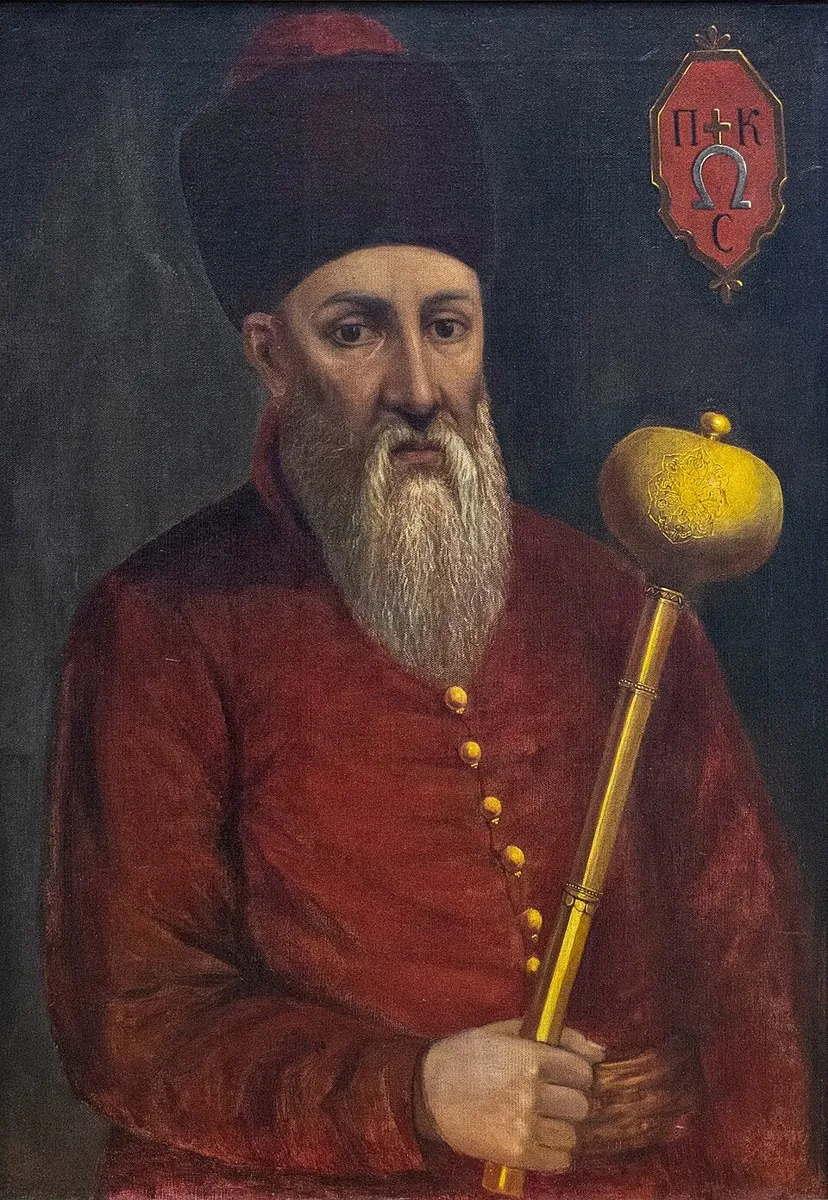
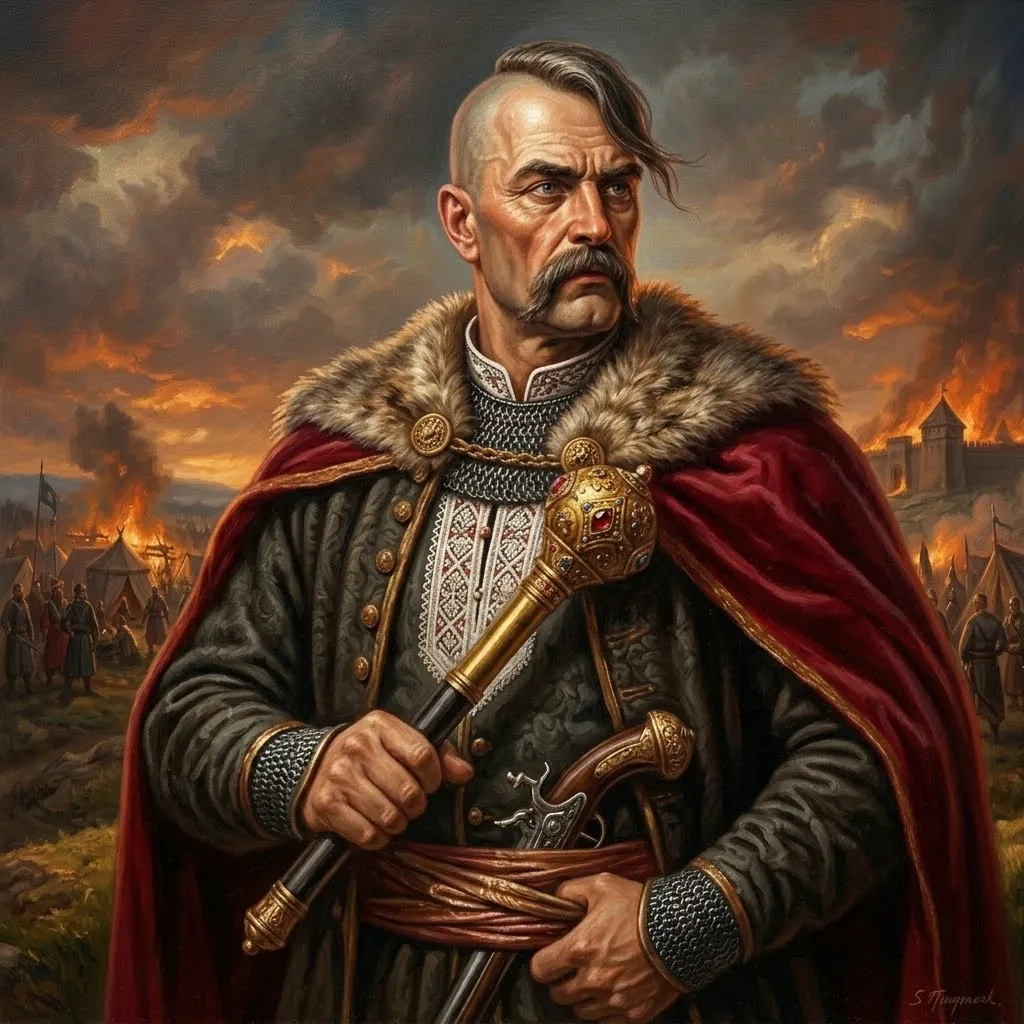
His real surname was Hurko; “Palii” was a nickname from the Sich. Semen Palii resettled the war-ravaged Right Bank of the Dnipro, led an uprising there against Polish rule, and was then jailed on Mazepa’s orders and exiled to Siberia.
Key accomplishments
- Colonel of the Fastiv (1684–1702) and Bila Tserkva (1702–1704, 1709–1710) regiments
- Resettled the war-ravaged Right Bank and defended its towns against the Tatars
- With Samiilo Samus, led the 1702–1704 uprising against Polish rule on the Right Bank
- Built a church in Fastiv at his own expense and supported the Mezhyhiria Monastery and churches in Kyiv
Hurko, known as Palii
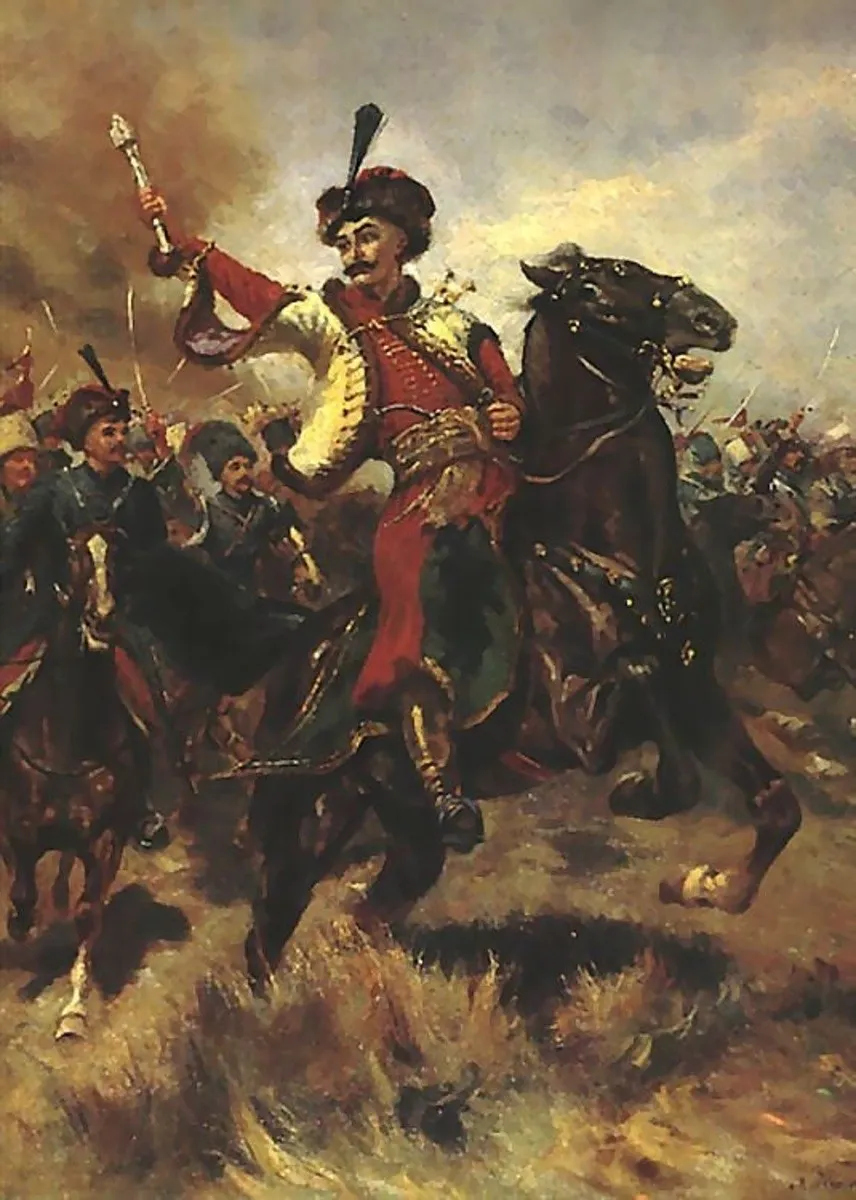
This colonel’s real surname was Hurko. He was born around 1640 in Borzna, in the Chernihiv region, to a family of townspeople. As a young man he was a Cossack of the Nizhyn regiment, and he served in the army of Hetman Petro Doroshenko. In the late 1670s Semen was at the Chortomlyk Sich, where he got the nickname “Palii”. In 1683, answering the call of the Polish king Jan III Sobieski, he led a unit of Zaporozhian Cossacks to Vienna to fight the Ottoman Empire.
A land that had to be resettled
In 1684 the king allowed Palii to raise a Cossack regiment in the Kyiv region, and Fastiv became his seat. The Right Bank of the Dnipro had been laid waste by wars, and Palii and other colonels brought settlers back to it. He defended Bila Tserkva, Uman, Nemyriv and Fastiv against the Tatars and led raids into Ottoman and Crimean lands. He refused to obey the Right-Bank hetmans, and in 1689 the Poles imprisoned him for almost two years. In the 1690s the Left-Bank hetman Ivan Mazepa used his own money to buy him a house in Kyiv’s Podil district, where Palii’s wife and children lived from 1690. At his own expense Palii built a church in Fastiv and supported the Mezhyhiria Monastery.
“A free Cossack land”
In 1702 the Polish king Augustus II ordered the Cossacks of the Right Bank to be disbanded. Palii called a Cossack council, publicly renounced the king’s protection and declared the Right Bank a “free Cossack land”. The colonel had a coat of arms and a seal of his own. Together with Colonel Samiilo Samus he led an uprising across the Kyiv, Bratslav, Podillia and Volhynia regions. In the autumn of 1702 the rebels defeated the Crown army near Berdychiv and took Vinnytsia, Bar, Nemyriv and other towns.
Prison, Siberia and Poltava
In 1704 Moscow signed a treaty with Poland, and Tsar Peter I demanded that Palii hand the towns he had taken back to the Polish king. The colonel did not obey. At the end of July 1704 he was arrested on the orders of Hetman Ivan Mazepa, with the consent of a tsarist official. Palii spent almost a year in prison in Baturyn, and in 1705 the tsar exiled him to Tobolsk in Siberia.
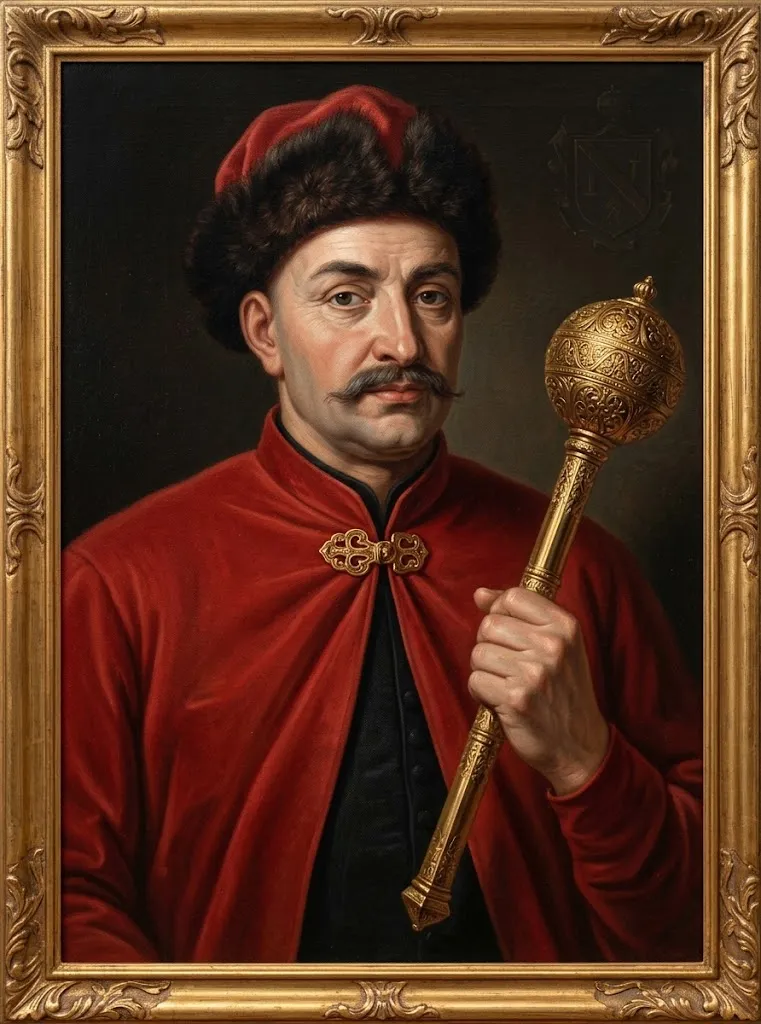
He was brought back at the end of 1708, after Mazepa had gone over to the Swedish king. In 1709 Palii fought at Poltava in the army of Hetman Ivan Skoropadskyi, that is, on the tsar’s side, against Mazepa and the Swedes. He then took command of the Bila Tserkva regiment again, died in 1710 and was buried with honours at the Mezhyhiria Monastery near Kyiv. Until 1797 the monastery church kept his portrait, a silver pernach, a silver-mounted sabre, two silver cups, a small rug and a Gospel book he had given. The pernach and cups later passed into Vasyl Tarnovskyi’s collection and are now in the Chernihiv History Museum, with one cup in the National Museum of the History of Ukraine.
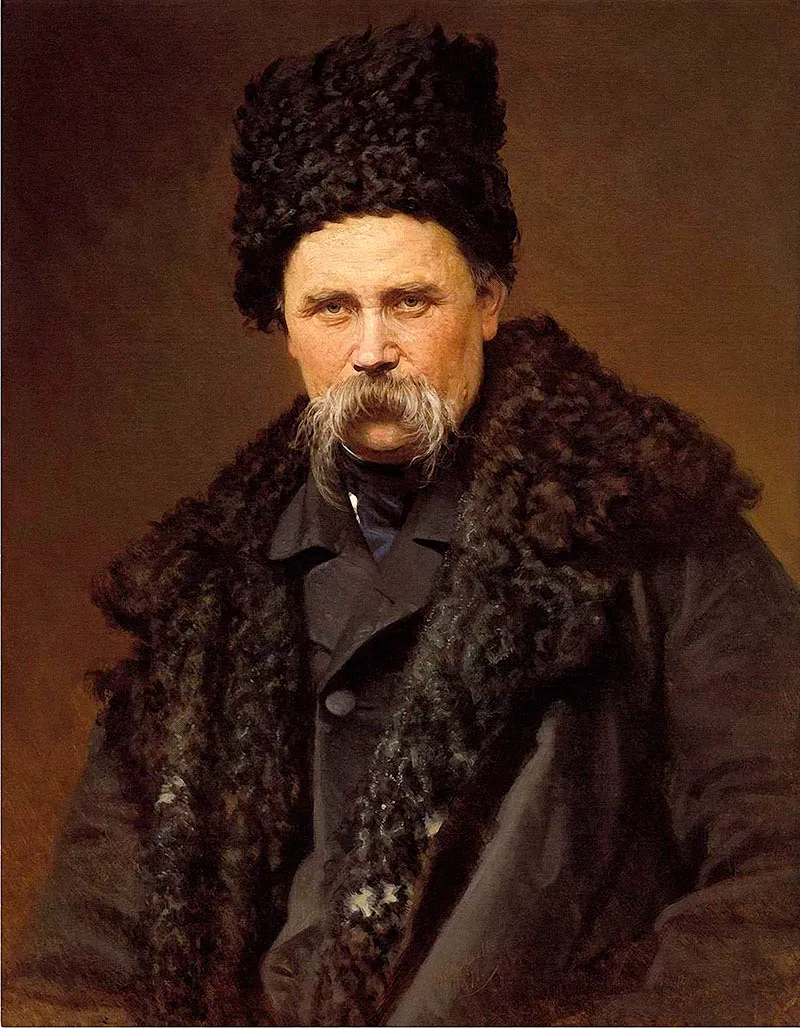
Folk songs and tales were made about Palii. Taras Shevchenko wrote the poem “Chernets” (“The Monk”, 1847) about him, illustrated by Mykhailo Mykeshyn in 1884, and recalled “the colonel of Fastiv, the glorious Semen” in his poem “Shvachka”. Levko Borovykovskyi devoted the ballad-poem “Palii” to him, and Yurii Mushketyk the novella “Semen Palii” (1954).
Debates and assessments
Historians explain Mazepa’s arrest of Palii in different ways. Some write that the colonel had disobeyed the tsar’s order and was in contact with supporters of the Swedish king Charles XII. Others note that Mazepa rejected Palii’s radical social policies and feared his popularity among the Zaporozhian Cossacks. Some see them as two gifted rivals who imagined the road to independence differently.
For years Palii manoeuvred between Warsaw, Moscow and Bakhchysarai: in 1694 he secretly swore allegiance to the Muscovite tsars and to Mazepa, and in the same year to the Polish king as well. He threatened to win back the Right Bank not only up to the Sluch river but as far as the Vistula. Polish contemporaries judged him differently. In 1694 the magnate Zamoyski compared Palii with the Elector of Brandenburg, a ruler of his own lands, and in 1701 wrote that Palii was following the path of Bohdan Khmelnytskyi and “had in his head a principality of his own”, that is, a state. That same year the Polish Field Crown Hetman Potocki described him as “carried away by a fiery imagination and empty pride”.
Why it matters today
Semen Palii brought people back to the ravaged Right Bank and defended them against raids. When Poland decided to abolish the Cossacks there, he declared the land a “free Cossack land” and rose in revolt. His life shows how hard it was to hold on to your own land between three stronger neighbours. The people kept his memory alive in songs, and Shevchenko in his poems.