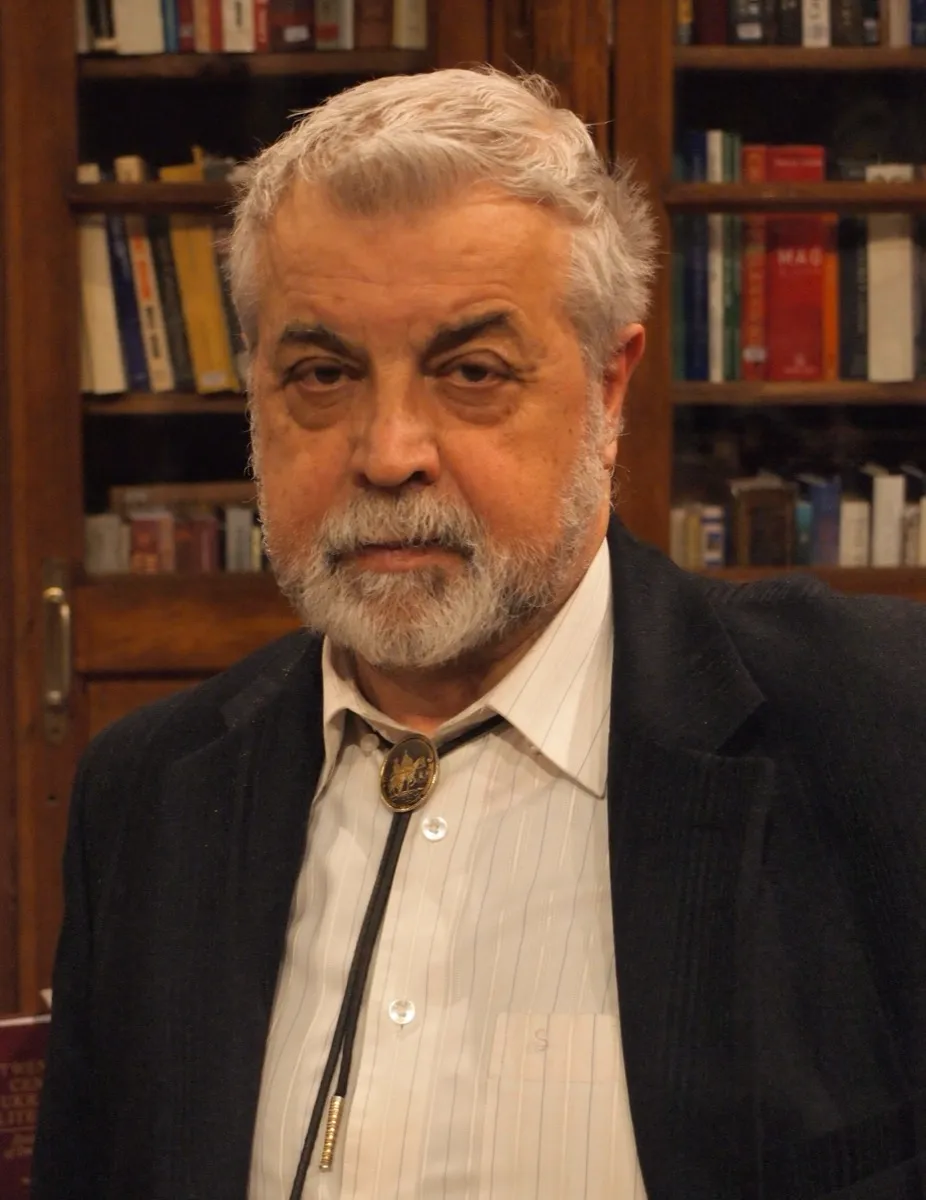
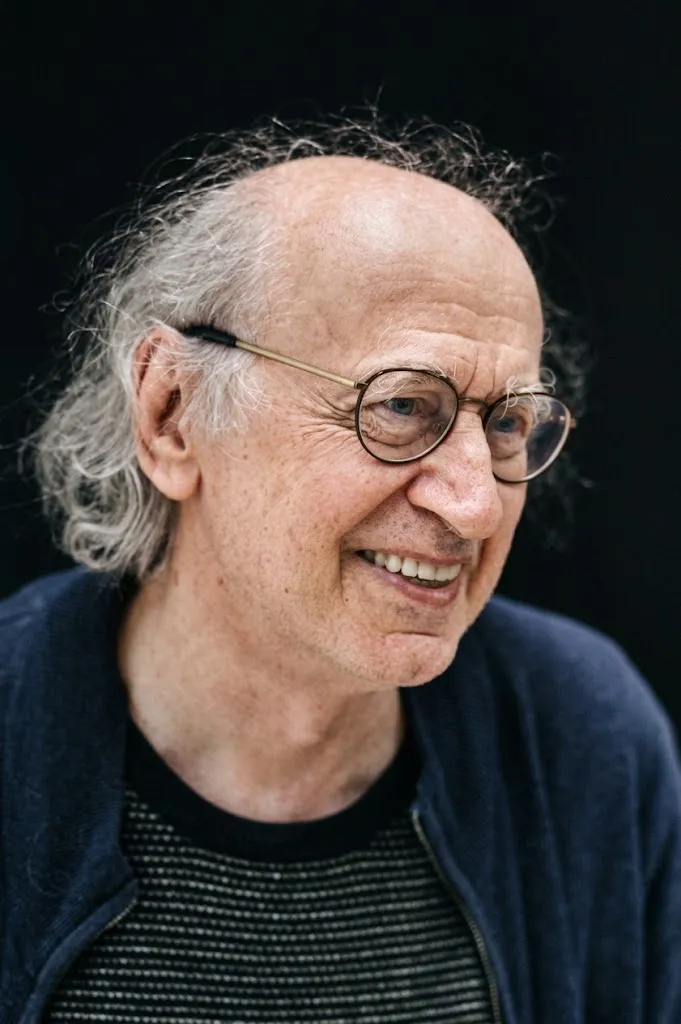
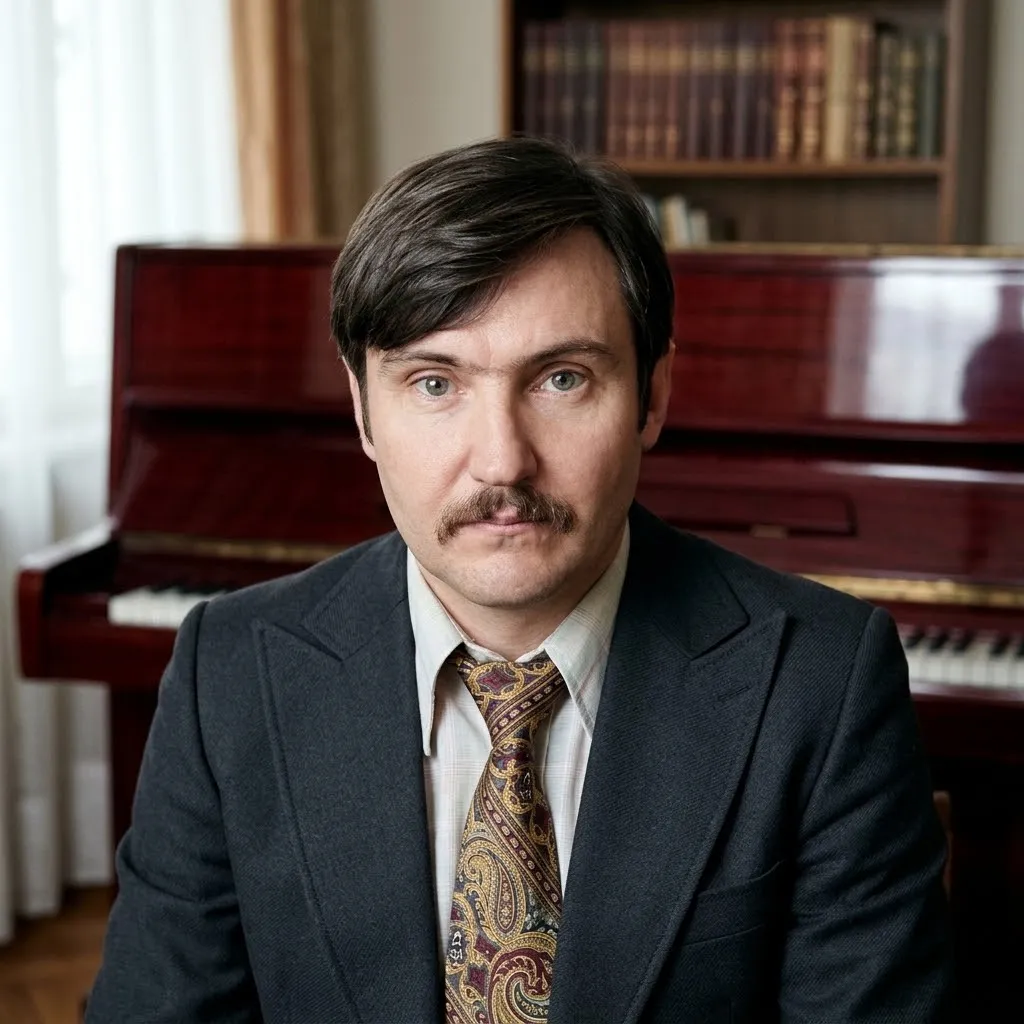
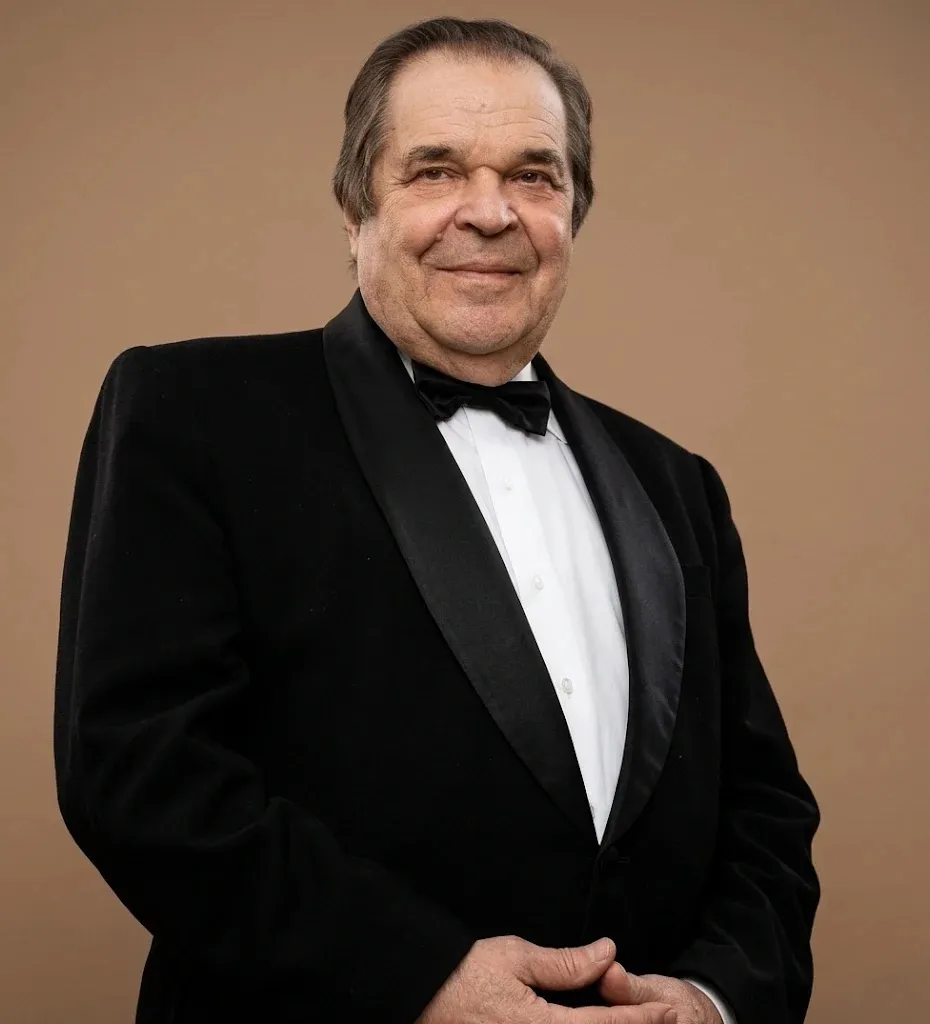
Yevhen Stankovych
Composer of The Fern Flower
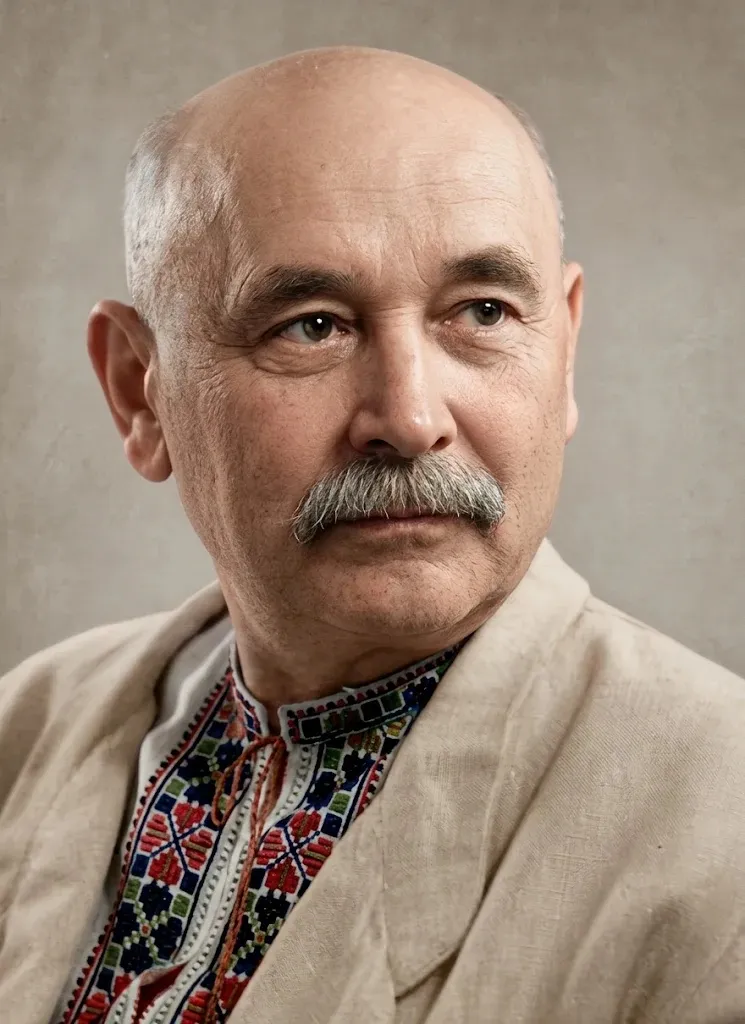
His folk opera was banned for its “national specificity” just before the premiere, and only reached the stage in full 40 years later. Yevhen Stankovych from Zakarpattia wrote symphonies, ballets, music for over 100 films and a Panakhyda for the victims of the Holodomor. A Hero of Ukraine.
Key accomplishments
- The folk opera When the Fern Blooms (banned in 1979, first staged in full in Lviv in 2017)
- Six symphonies for large orchestra, chamber symphonies, instrumental concertos
- Panakhyda for Those Who Died of Hunger, to poems by Dmytro Pavlychko (1992); the Kaddish Requiem Babyn Yar (1991)
- Ballets including Olha (1981), Prometheus (1985) and The Vikings (1999); music for over 100 films, among them Roksolana
- Shevchenko Prize (1977), Hero of Ukraine (2009); head of the Union of Composers of Ukraine in 1990–1993
The opera they kept off the stage
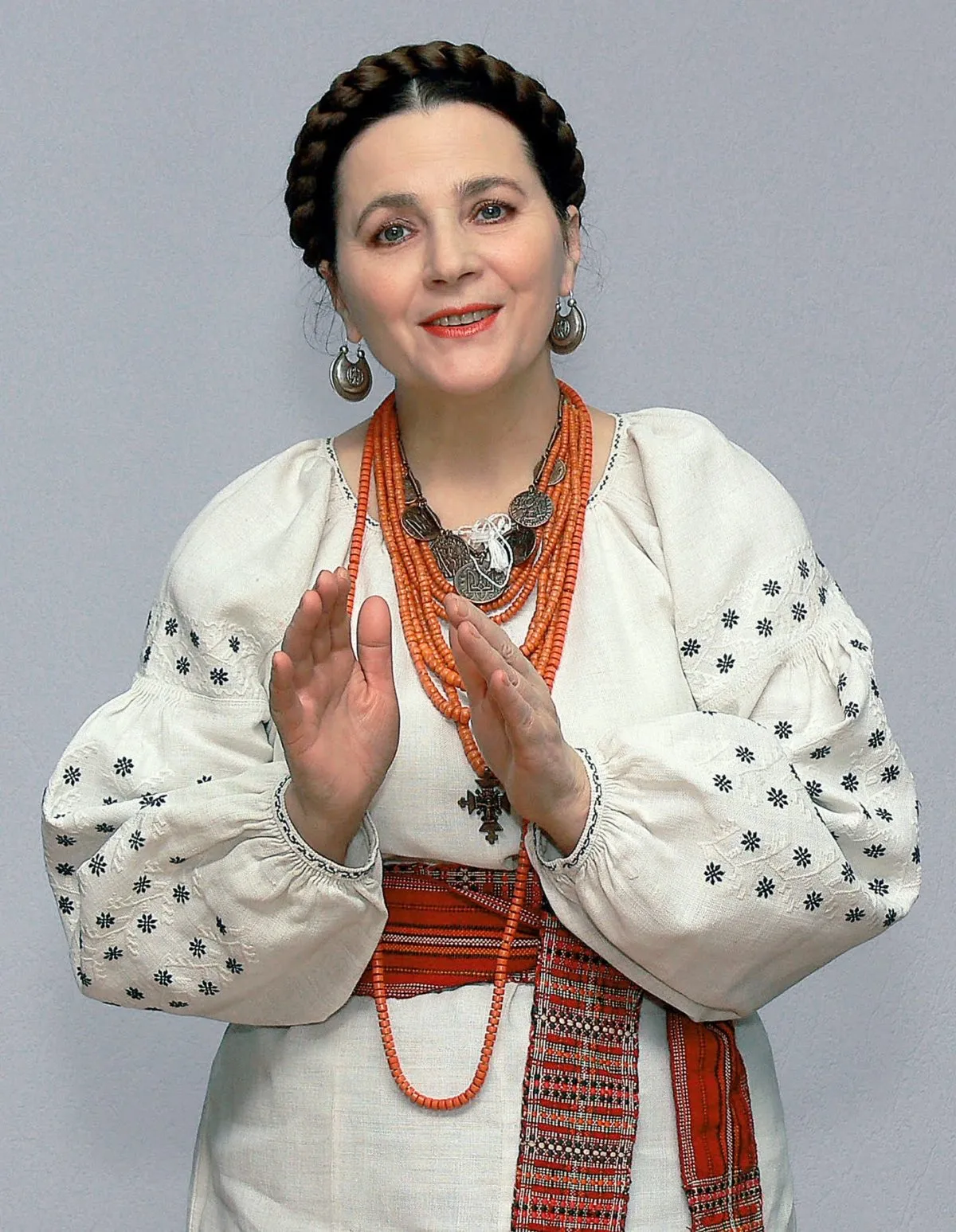
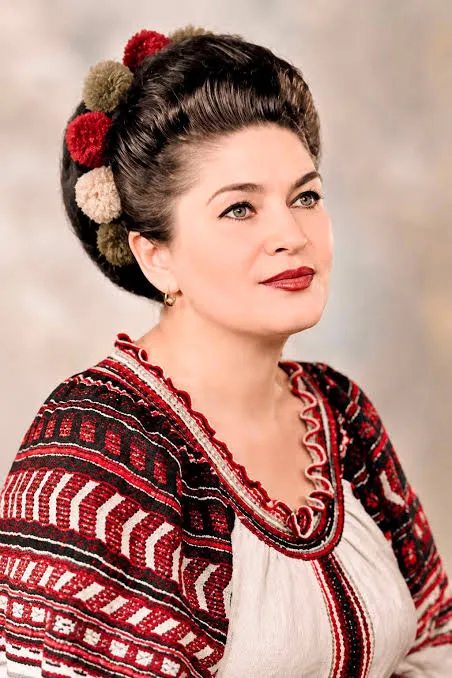
Picture it: a dress rehearsal at the Ukraina Palace in Kyiv, French guests invited, and then the premiere is called off. That is how Yevhen Stankovych’s folk opera When the Fern Blooms, also known as The Fern Flower, was stopped in 1979. A French concert agency had commissioned it for the Hryhorii Veriovka Choir, and some of its songs were written for the voice of Nina Matviienko. In preparation he listened to recordings in a folklore institute’s sound archive six hours at a time: some of those songs, the composer says, are up to a thousand years old. While the work was still under way, complaints were written about the team, and the Lviv artist Yevhen Lysyk was faulted for painting a trident. Officially there were “technical reasons”; in fact the opera was faulted for its “national specificity”: it was too Ukrainian.
From the accordion to Liatoshynskyi
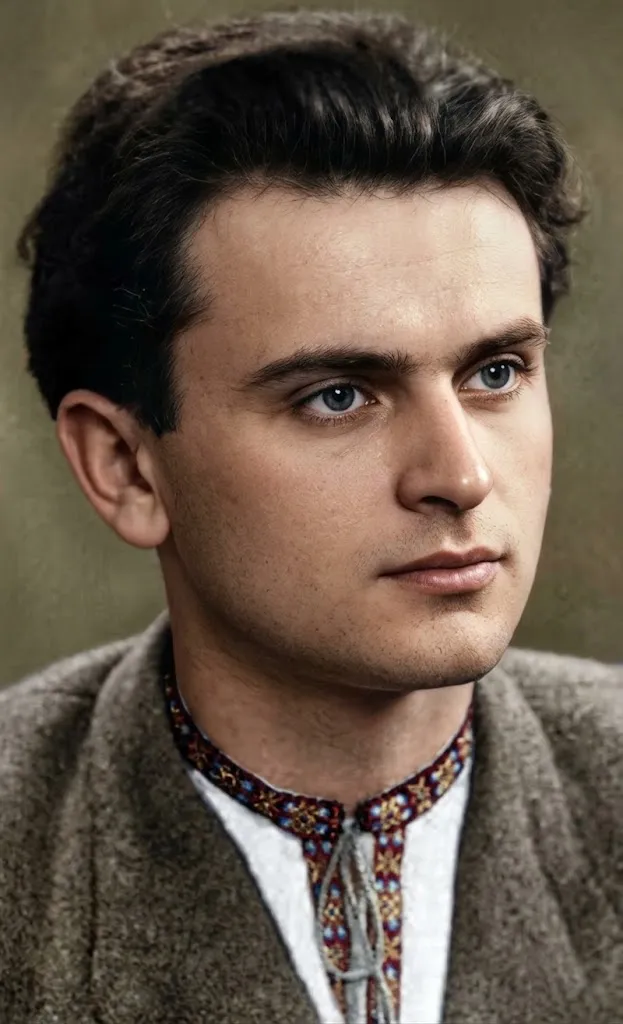
Stankovych was born in 1942 in Svaliava, in Zakarpattia. He started music on the button accordion and played the cello at the Uzhhorod music college. Army service cut short his composition studies at the Lviv Conservatory. Then came Kyiv: he calls himself one of the last students of Borys Liatoshynskyi, and he graduated from the conservatory in 1970 in the class of Myroslav Skoryk.
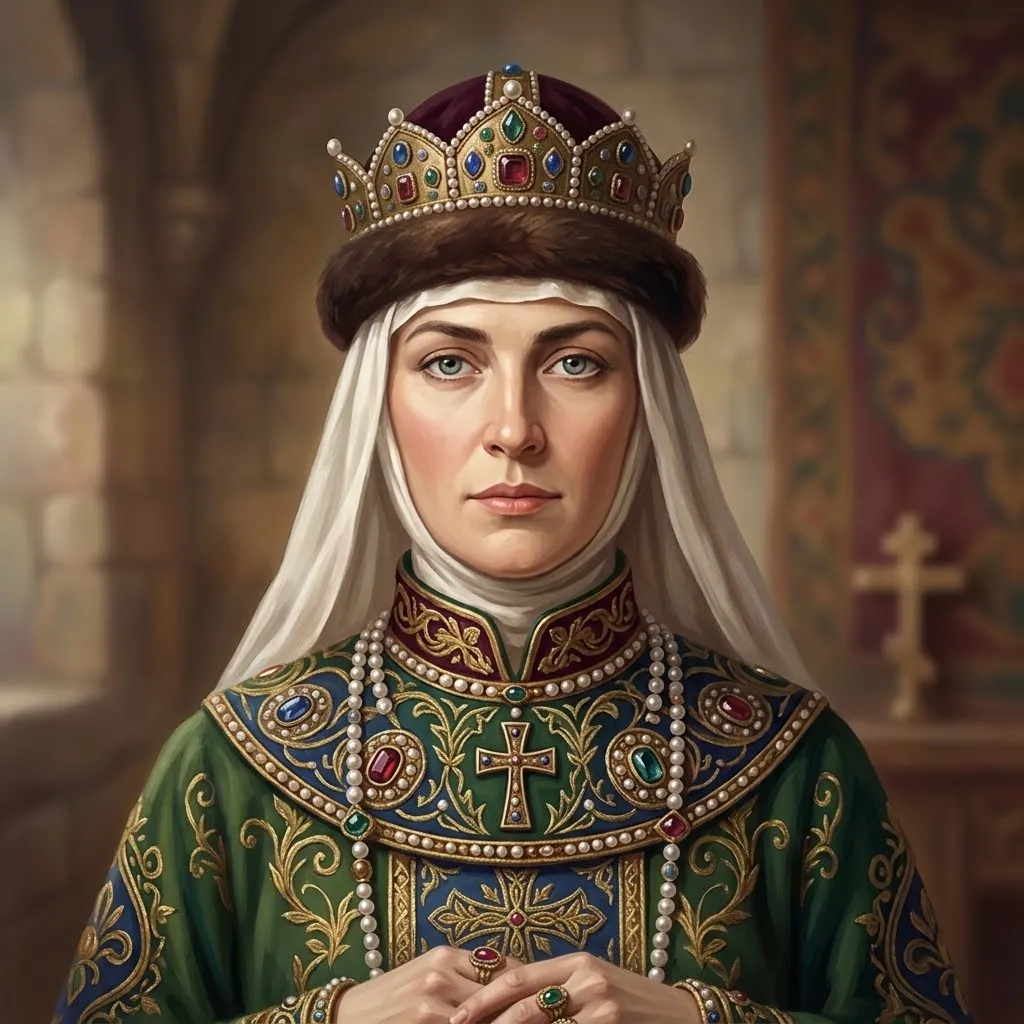
The ban didn’t stop him. He wrote six large symphonies, chamber symphonies, concertos, ballets, among them Olha, about Princess Olha, and music for more than a hundred films. He won the Shevchenko Prize in 1977, and in 1985 the UNESCO International Rostrum of Composers singled out his Chamber Symphony No. 3. In 1989 a suite from the opera banned at home was performed in Canada, and in 1992 Stankovych chaired the jury of the first international festival of contemporary music in Winnipeg.
Music of remembrance
Stankovych says he learned about the Holodomor abroad, when it was still not spoken of in Ukraine. In 1992 he wrote his Panakhyda for Those Who Died of Hunger, a memorial service in music, to poems by Dmytro Pavlychko. By 2008 it had been performed in seven countries. A year earlier, in 1991, he had written his Kaddish Requiem Babyn Yar, in memory of those shot in Kyiv.
In the first years of independence Stankovych led the Union of Composers of Ukraine, and since 1988 he has taught composition at the Kyiv Conservatory. After russia’s full-scale invasion he stayed in Kyiv to work: he was invited to leave, he says, but “I work here.” In 2022 the Lviv Opera premiered his opera A Terrible Vengeance, and in 2023 came Psalms of War, to poems by Taras Shevchenko, Lina Kostenko and Vasyl Stus. On 24 February 2024 his Violin Concerto No. 2 was the centrepiece of the programme Unbreakable Ukraine, streamed by the Philharmonie de Paris on its website.
And the Fern Flower did bloom: in December 2017 the opera was staged in full for the first time at the Lviv Opera, with Nina Matviienko singing.
Why it matters today
Stankovych proved that Ukrainian music can be shelved but not destroyed: an opera feared for being Ukrainian was heard on stage forty years later. He turned the memory of the Holodomor into sound, has spent decades teaching young composers, and stayed to work in Kyiv during the war. Anyone who keeps creating honestly, even when kept off the stage, walks the same road.