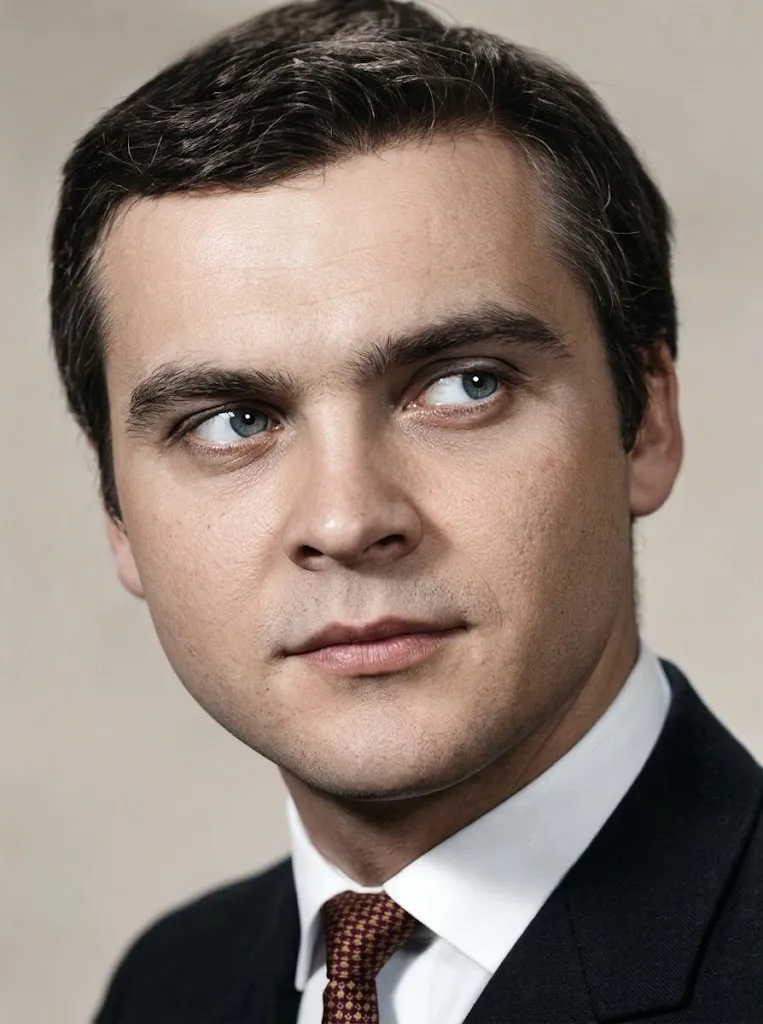
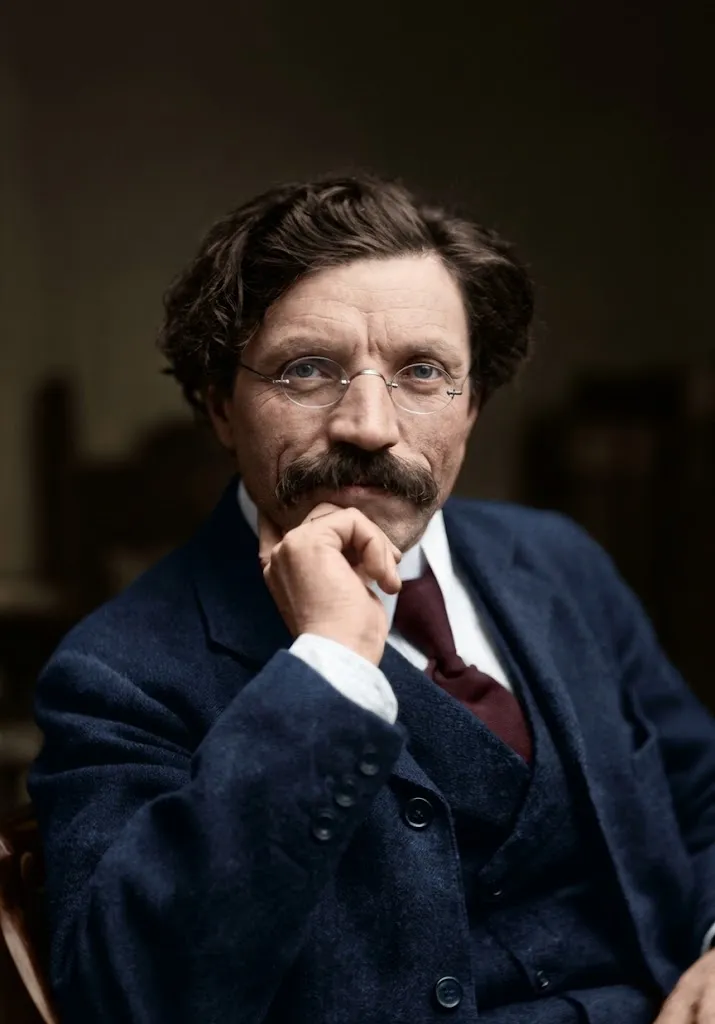
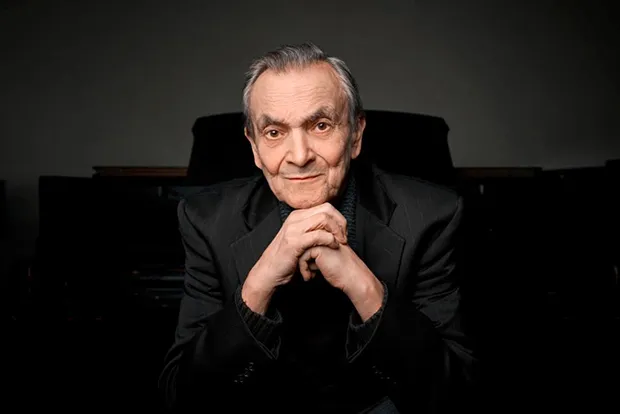
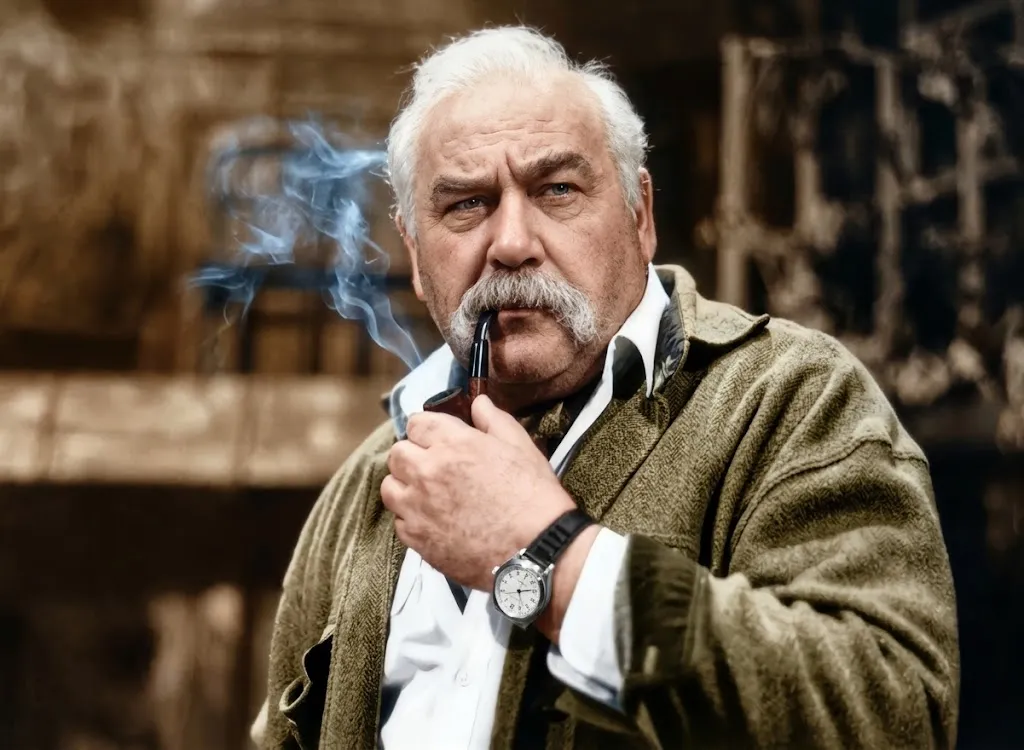
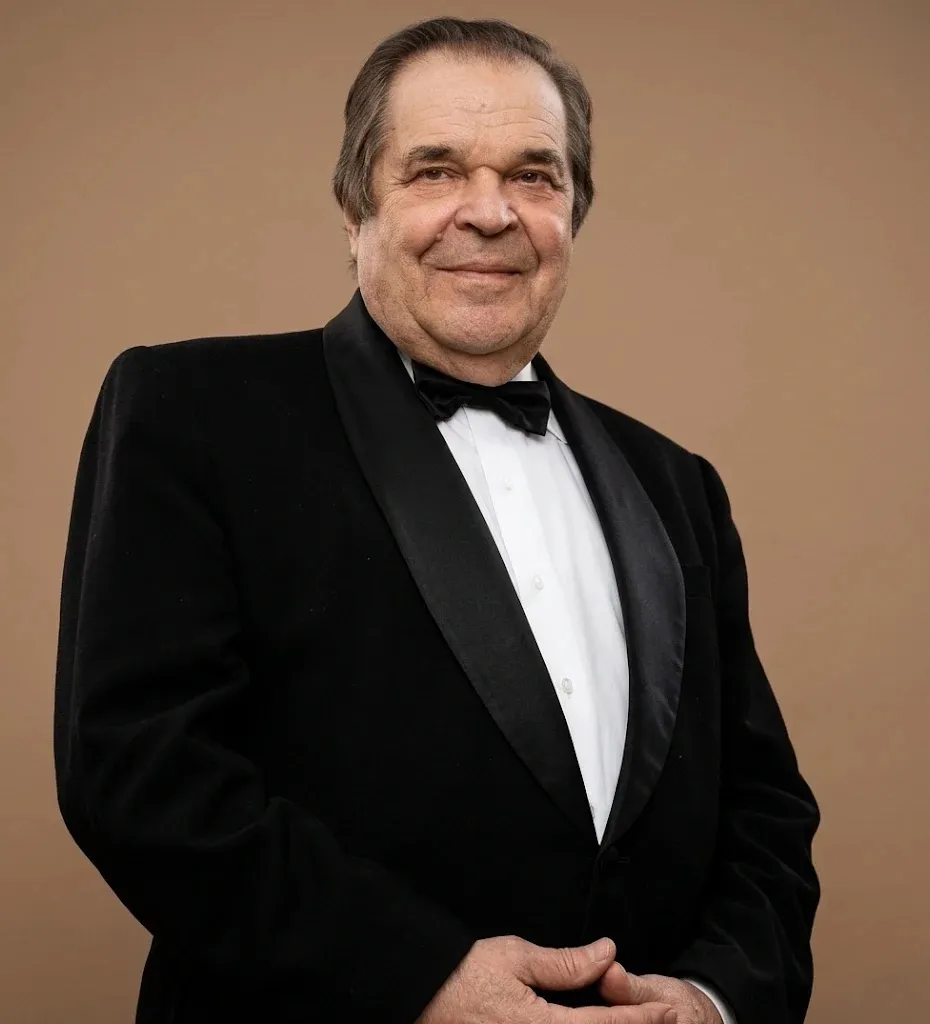
Bohdan Stupka
Stage and screen actor, Hero of Ukraine
More than a hundred roles on stage and as many on screen, from Don Juan to Tevye, and in between a very real job as Minister of Culture. Bohdan Stupka was one of Ukraine’s greatest actors and for decades the face of the Ivan Franko Theater.
Key accomplishments
- The roles of Mykola Zadorozhnyi (Stolen Happiness), Don Juan (The Stone Host) and Tevye (Tevye-Tevel)
- Taras Shevchenko State Prize of Ukraine (1993) for the role of Tevye
- Artistic director of the Ivan Franko National Academic Drama Theater (2001–2012)
- Minister of Culture and Arts of Ukraine (1999–2001)
- Title of Hero of Ukraine (2011)
Two hundred roles, one actor
More than a hundred roles in the theater and as many again on screen: that is Bohdan Stupka’s body of work. He was born in 1941 in the small town of Kulykiv in the Lviv region. In 1961 he completed the studio of the Mariia Zankovetska Theater in Lviv and acted on its stage until 1978.
From Don Juan to Tevye
Stupka gave more than thirty years to the stage of the Ivan Franko Theater: he moved to the Kyiv theater in 1978, and from 2001 to 2012 he was its artistic director. There he played Mykola Zadorozhnyi in Ivan Franko’s Stolen Happiness, Don Juan in Lesya Ukrainka’s The Stone Host, and the Author in The Aeneid after Ivan Kotliarevskyi. His Tevye in Tevye-Tevel, based on Sholem Aleichem, won him the Shevchenko Prize (1993).
On screen Stupka appeared in Yurii Illienko’s A White Bird with a Black Mark, The Kaidash Family, With Fire and Sword and East/West.
An actor in the minister’s chair
From the stage to affairs of state: Stupka headed Ukraine’s Ministry of Culture and Arts in 1999–2001. In 2011 he received the title of Hero of Ukraine. He died in Kyiv on 22 July 2012 and was buried at Baikove Cemetery.
Why it matters today
Bohdan Stupka became a symbol of Ukrainian theater at the turn of the 21st century. On his stage Ukrainian classics stood side by side with world classics, as equals. He dreamed of Ukrainian culture becoming “known all over the world” and worked for it himself: on stage, on screen and in the minister’s chair. His road from a Lviv theater studio to the head of the Ivan Franko Theater shows how far an actor can go who believes in his own culture.